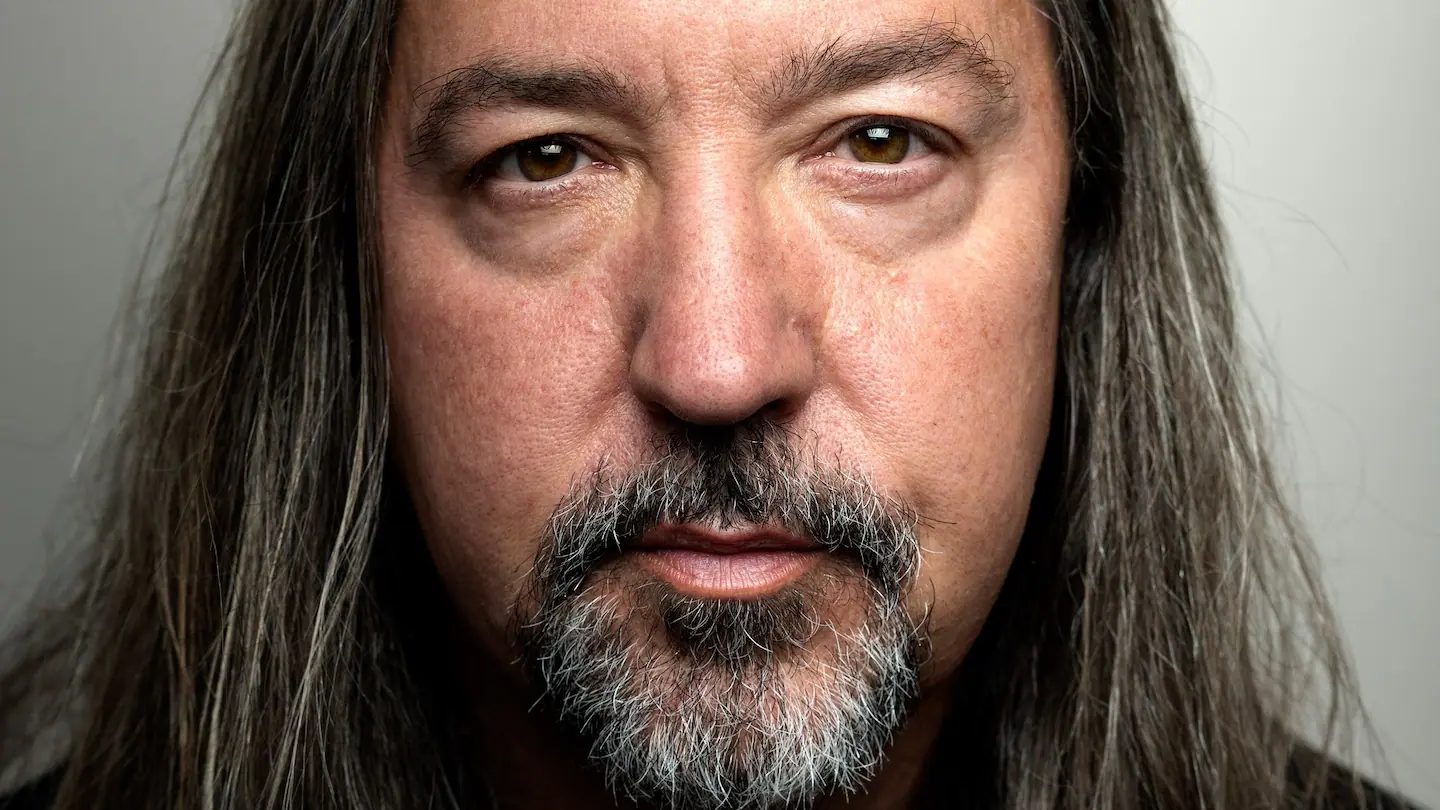
The morning after Shihad’s final show of the band’s 2025 farewell tour, Jon Toogood was exhausted. The previous night’s three-hour, 33-song set had followed 17 earlier shows in the Loud Forever valedictory lap. But he felt at peace. The hard rock band that had defined his life for 37 years had been given a fitting send-off. Fans in New Zealand and Australia had flocked to the tour in both countries. Some winged their way from North America to see them at the Homegrown festival on Wellington’s waterfront, then the last stand at city venue Meow Nui.
That day, looking out the window of the Taranaki St apartment where he and his family were staying, Toogood realised next door was the Wesley Methodist Church. It was there in 1988 a spotty early line-up of the band played their first gig. Things had come full circle. “How weird does the universe work?” Toogood tells the Listener in an interview about his new memoir, Home Again.
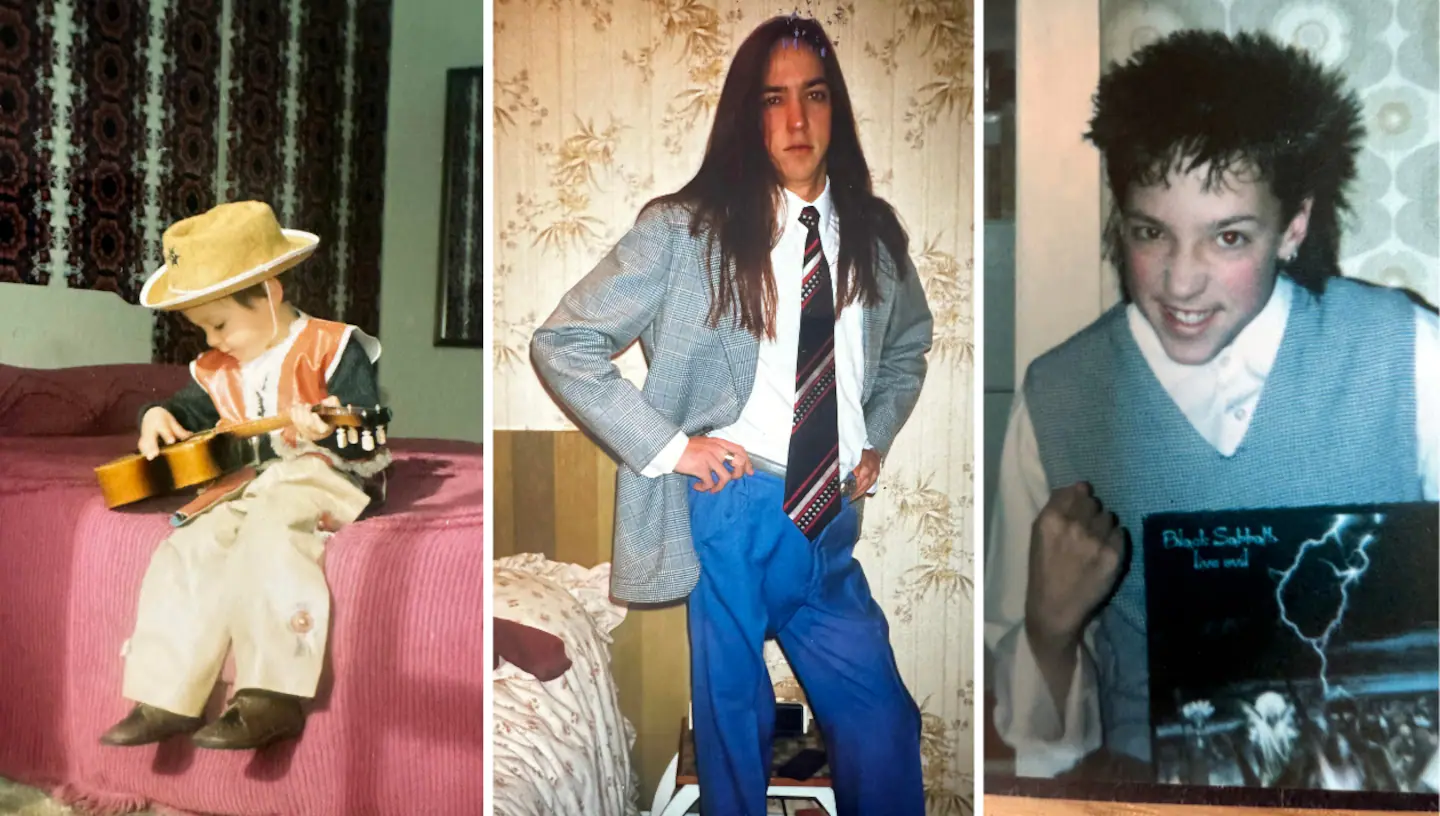
As it says in early chapter “Don’t Mess with God”, that first performance was less than triumphant. Wellington High School, where the band had formed, was using the church for a fair. It was a perfect opportunity to show off the Metallica and Black Sabbath covers that had been rattling the windows of the school music room. They took the class sound system down to the church hall for the debut appearance. All was ready.
“We opened with Megadeth’s version of Anarchy in the UK,” says Toogood in the book. “As I sang the first line, ‘I am an anti-Christ …’. There was a massive bang! We were in a church so maybe it was an act of God, or maybe it was because we had no idea how to properly set up a PA, but the end result was the same – we’d blown up the speakers. All that work and we play for about 15 seconds.”
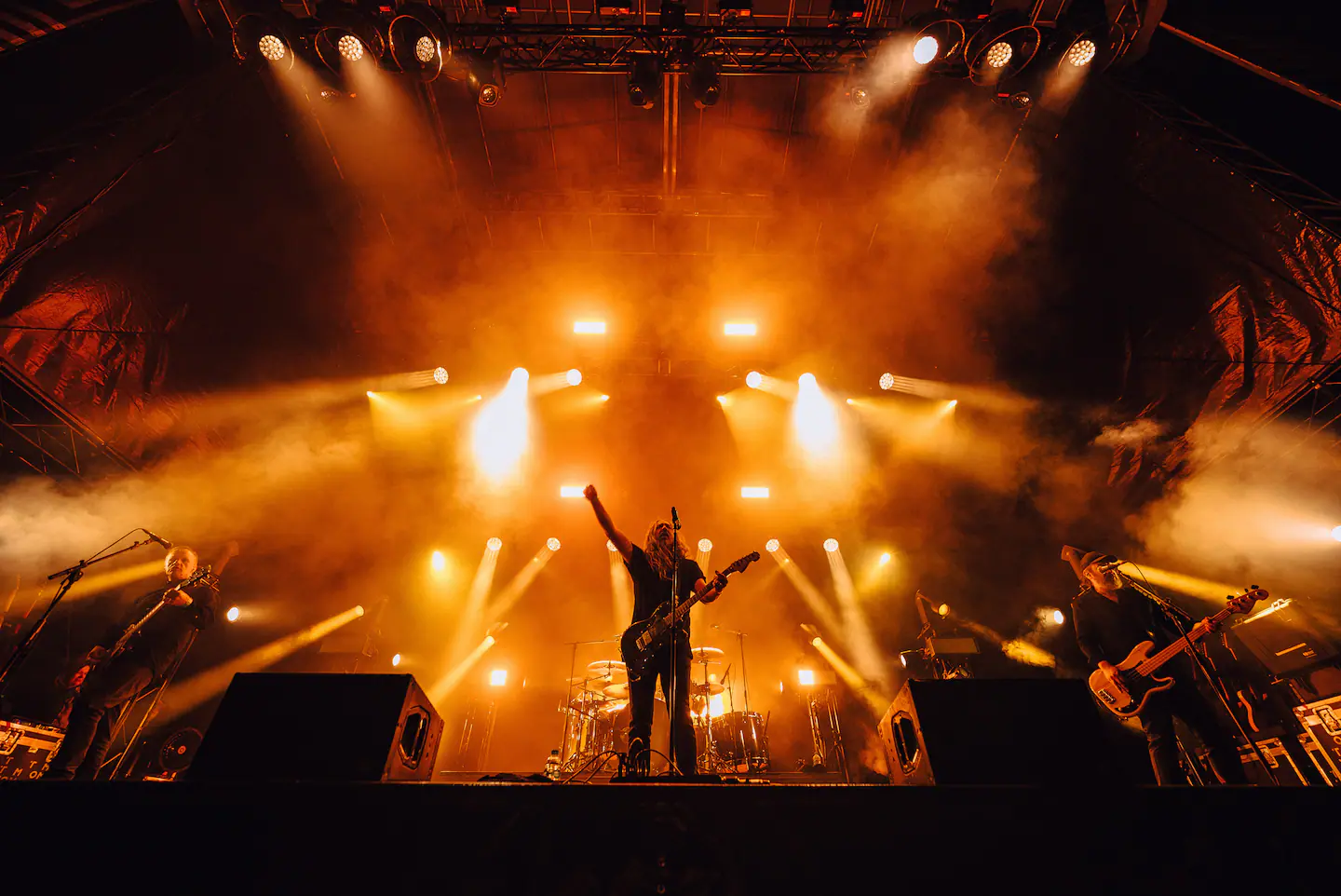
Shihad’s awkward but madly driven teenage years make for some of the most entertaining of the 48 chapters of Home Again. It’s named after the band’s most enduring anthem in a career that racked up some 1300-plus live performances and delivered 10 studio albums that rose above the early metal influences and the machismo of the genre. Driven by Toogood’s gregarious frontman style and the remarkable drumming of fellow founding member Tom Larkin, Shihad became a generational touchstone to their Kiwi and Aussie fanbases.
Although the book is Toogood’s first-person account of being the face and voice of Shihad as they attempted to conquer the metal hordes of Europe then the rock industrial complex of America via their base in Melbourne, it’s not just about that.
In 400 pages, Home Again takes Toogood from speed metal adolescent to a man done pursuing his big rock ’n’ roll dreams for the sake of his young family with wife Dana, the Sudanese chiropractor he met in Auckland and married, having converted to Islam, in Khartoum in 2014.
It’s fitting the book comes out in time for Father’s Day. There are contemplations of what Toogood’s late father Mike meant to him and how his own parental role has come to shape his life. It also touches on the death of his mother Yvonne during the Covid lockdowns of 2021, and how that inspired his contemplative 2024 solo album Last of the Lonely Gods. “Therapy music”, he calls it in the book.
The solo album wasn’t the first sign Toogood had musical ambitions outside the band. It followed two studio albums in the 2010s by Toogood-led side project The Adults – the second, HAJA, influenced by the traditional music he encountered at his Sudanese wedding. But quickly after its release came the announcement of the farewell tour. Split between New Zealand and Australia, Shihad’s four members had long found other stuff to do in the lengthening gaps between band albums.
After the tour came the call from Hachette with the book offer. The publisher sent him a pile of music autobiographies as homework (Toogood says they remain on his shelf, unread). It also sent journalist Karl Puschmann (see story below) to interview him and knock the book into shape.
I’ve spent my life trying to be as honest as possible in my songwriting. So, if I’m going to do a book, I really want to try and dig into things.
The memoir offer came along at the right time, says 55-year-old Toogood, who takes the Listener’s call while out walking near his home in Auckland’s Waterview.
“They walked in just when I was sort of thinking, after I’d lost my mum during the Covid period, that I was starting to really think about being on that conveyor belt and making sure that every day was important. So, it came at the right time. And it was, at times, a quite brutal process. It’s really hard to look back at what you’ve done, where you’ve been and how you got to be who you are … but I thought, if I’m going to do it, I really can’t hide away from the difficult things as well. I’ve spent my life trying to be as honest as possible in my songwriting.
“So, if I’m going to do a book, I really want to try and dig into things. Like dealing with being a sensitive guy that’s thrown into this industry, which can be at times quite brutal, and probably not conducive to looking after people with anxiety or depression. I thought it might be good to share some of the things I learned as well, that actually kept me afloat.”
The touring and promotional workload for what would remain the band’s biggest album, 1999’s The General Electric, left Toogood suffering anxiety and panic attacks. More stress was to come with the next album, the band’s major tilt at the American market, released under the new name Pacifier in the wake of 9/11 and the fear that Shihad was too close to “jihad”.
“I think the book finally, for me, explains what it was like to be inside that, and why that happened.”
In later chapters, Toogood discusses how a bout of Covid left him with a severe case of tinnitus, aggravated by anxiety. After trying various medications, he underwent cognitive behavioural therapy, where his psychologist suggested actually playing guitar might be as good as meditation. That gentle acoustic strumming would lead to the music on his 2024 solo album. The songs he wrote for the record were a good warm-up for the book, he thinks.
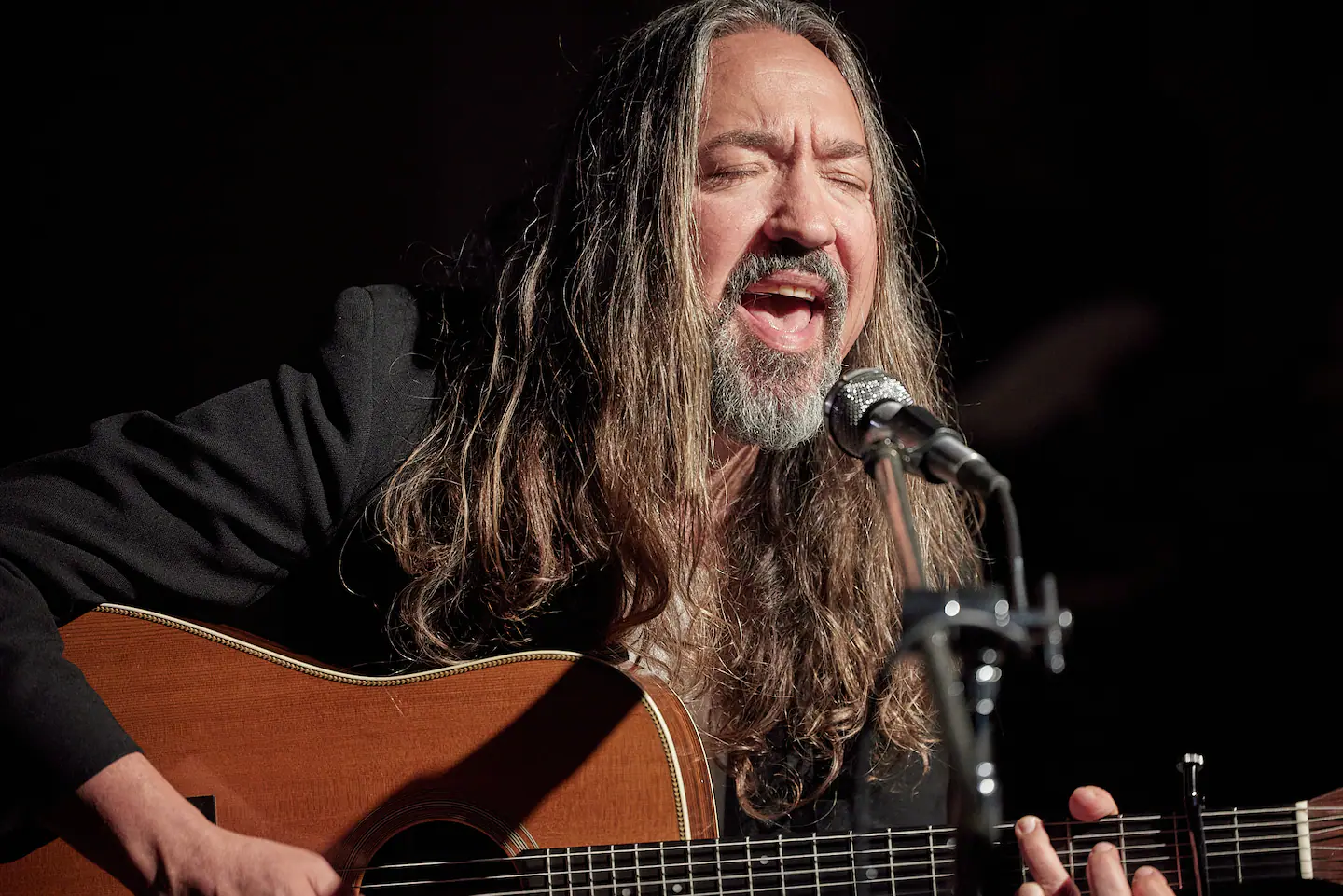
“Maybe the solo album opened those doors to allow me to be a bit more brave about facing those difficult things. Then again, that was creating music. That’s all about being in the moment: ‘how am I feeling now?’ Whereas a book, I think, is a slightly different thing. It’s looking back and really trying to get to the essence of what that felt like, or what that was like to live through. What’s great about songs is it’s like you’re bypassing the head, going straight to the heart.”
The hardest chapters to write, though, were about family stuff, especially the death of his father, Mike. During his dad’s last months in 2011, Toogood shifted home to be with him and support his mother. It made for some emotional discussions with Puschmann.
“There were just moments where it was very painful. I needed to have a good cry, because I really miss my dad. Just for sanity’s sake, you don’t let yourself wallow in that too often but sometimes it’s really important to let yourself feel sad about that. So, I found that difficult, but I also found it really cathartic.”
And the most enjoyable chapters?
“I think the early days of being on stage for the first time, and, going down and playing at the Blenheim Road Hotel in Christchurch to a bunch of skinheads, and going, ‘What are skinheads?’ And realising this is fun, this is cool, like, you can make people stop talking and listen to you, and do that class clown thing that I enjoyed at school … just that initial rush of being in a band and feeling like being part of something bigger than you can do by yourself.”
Has he discussed the book with his former bandmates?
“Not too much. As I say right at the front, this is my story, this is how it was for me. I’m not claiming to speak for anybody else. Everyone’s going to have a different take but I can only speak to how it felt for me.”
He’s grateful to his ghostwriter and editors. “Karl’s done a really beautiful job. It really rollicks along.
“I noticed it when I did the audiobook book [recording], I was, ‘Cool, I want to find out what happens next.’ And I know what happens next.
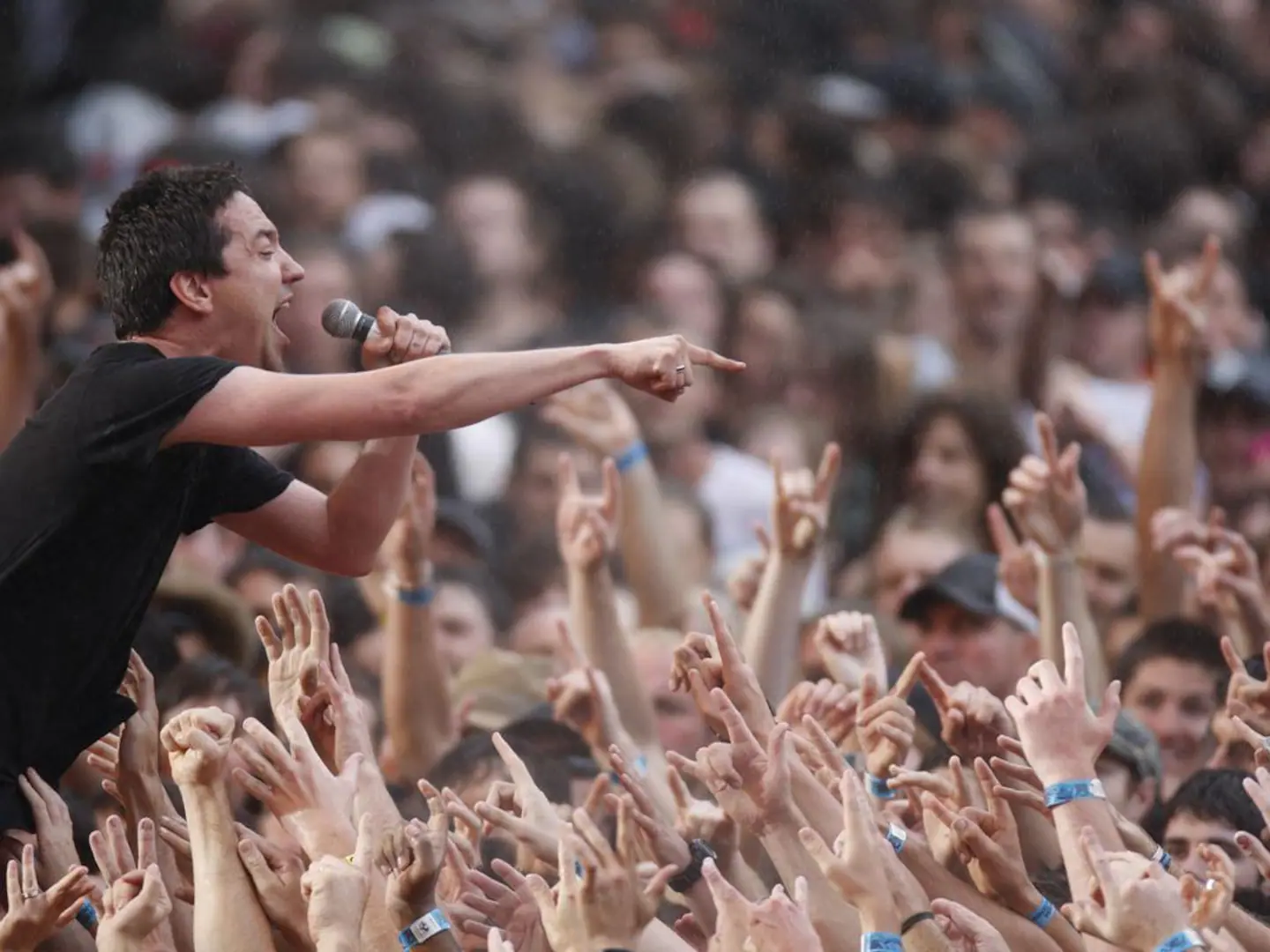
Toogood laughs when the Listener suggests on his upcoming book tour he might like to liven up the Q&A sessions by diving into the upraised arms of front rows as he did at so many Big Day Outs. Bring some of his old rock festival moves to the writers’ festival circuit. Be held aloft by the arms of the audience as he crowd-surfs his way out to the book-signing table in the lobby.
“I don’t mind walking on some hands if they’re up for it, but nah, I’ve been there, done that. It’s a young man’s game.”
Capturing his voice
When he was tapped to ghostwrite Jon Toogood’s memoir, Karl Puschmann knew there was one problem he wouldn’t face: someone reluctant to talk.
“I’ve interviewed him a bunch of times, so I knew he was a chatterbox. But I also knew this was going to be much different than a standard interview situation,” says the veteran entertainment journalist, who spent much of 2025 working on the memoir. “For the book to be worth anything, I was going to have to dredge up all the stuff people usually bury deep down inside and generally don’t want to talk about, especially not for hours on end in extreme detail.
“Before agreeing to do the book, we met at a cafe in town, and I said, ‘We’re going to need to have some heavy, uncomfortable conversations, and you’re going to need to be completely honest with me. You can’t self-censor your answers or it’ll be phony, and people will be able to tell.’ If he couldn’t have agreed to that, I wouldn’t have done it. To his credit, he didn’t flinch. He was more than up for it. And he was as good as his word.”
The pair started with two weeks of daily face-to-face interviews over coffee at Toogood’s Auckland home (“If Shihad hadn’t broken through back in the day, Jon could’ve been a great barista”), followed by more weeks talking by video from Puschmann’s base in Papamoa Beach.
After he started putting the early drafts together, there were another two weeks of pick-up interviews, then more supplementary chats to flesh out chapters or for Toogood to add episodes – like the one about the death of his father – that he realised needed to be included.
As someone who’d covered the band during the years, Puschmann says he discovered plenty that was new to him. “Something I wasn’t expecting was how this process shone a new light onto Shihad’s albums. It added so much context around their creation and explained why all those records are how they are. Their radical shifts in sounds and styles over the years make so much more sense when you know the influences being pulled from and what was going on in Jon’s head at the time. It made those overly familiar records feel fresh again and, in a strange way, make much more sense.”
As for his own Shihad favourite music or moment? “It’d have to be the Killjoy era. I was 17 when that record exploded like an atom bomb. It was forever being played at parties, gatherings, and when I’d just generally be hanging out. It’s indelibly tied to memories of that time. I know the album inside out, despite never actually owning a copy myself. I was a broke student and heard it everywhere anyway, so I never felt the need to buy it.”
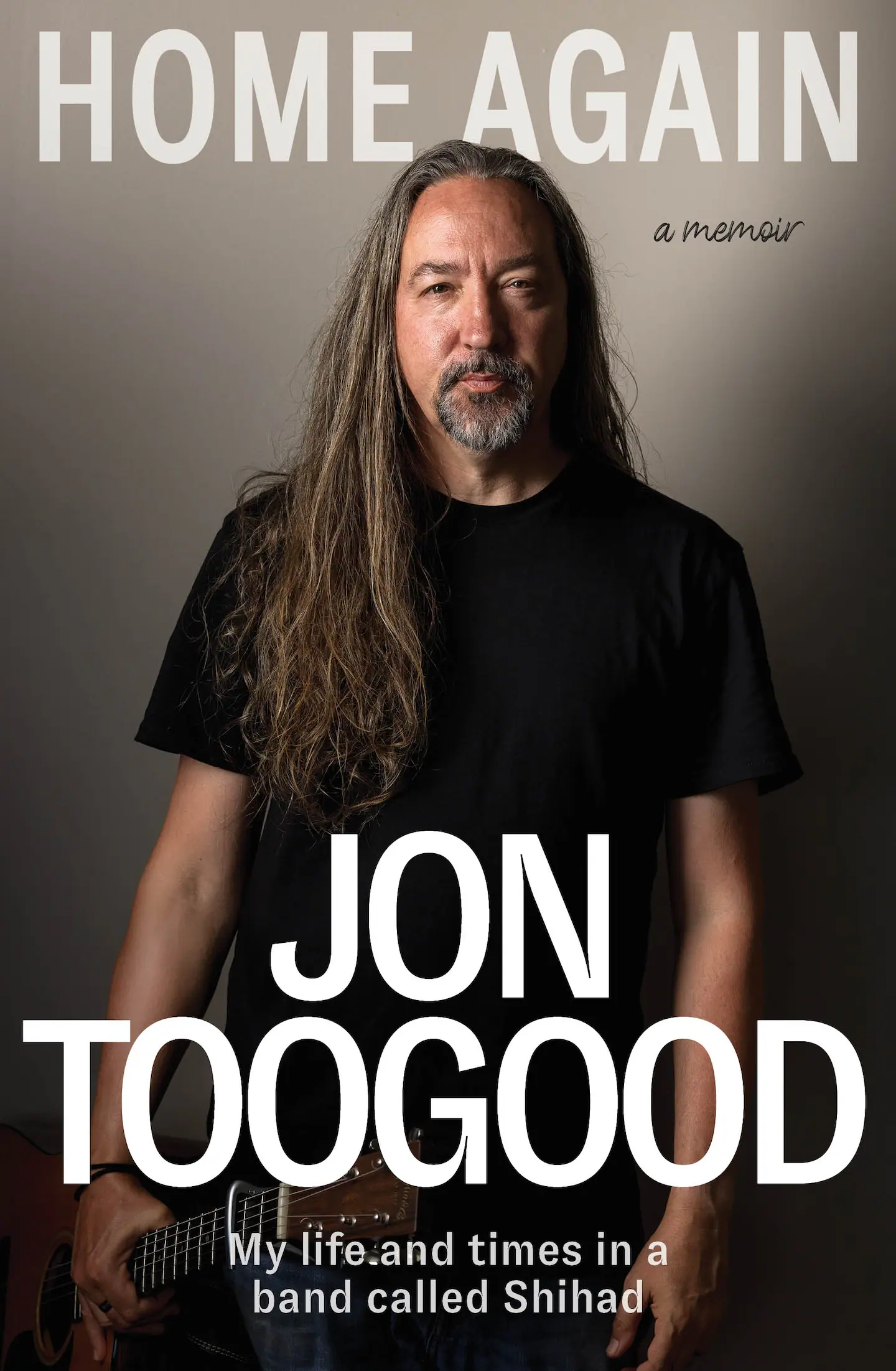
Home Again: My Life and Times in a Band Called Shihad, by Jon Toogood with Karl Puschmann (Hatchette Aotearoa/Moa Press, $40).
Book event dates: Off the Record with host Charlotte Ryan, Q Theatre, Auckland, Tuesday, August 25, 7pm; WORD Christchurch, The Piano, Saturday, September 5, 6pm; Verb Wellington, The Hannah, Saturday, September 26, 7.30pm; Tauranga Arts Festival, Tauranga Library, Saturday, October 31, 5pm.