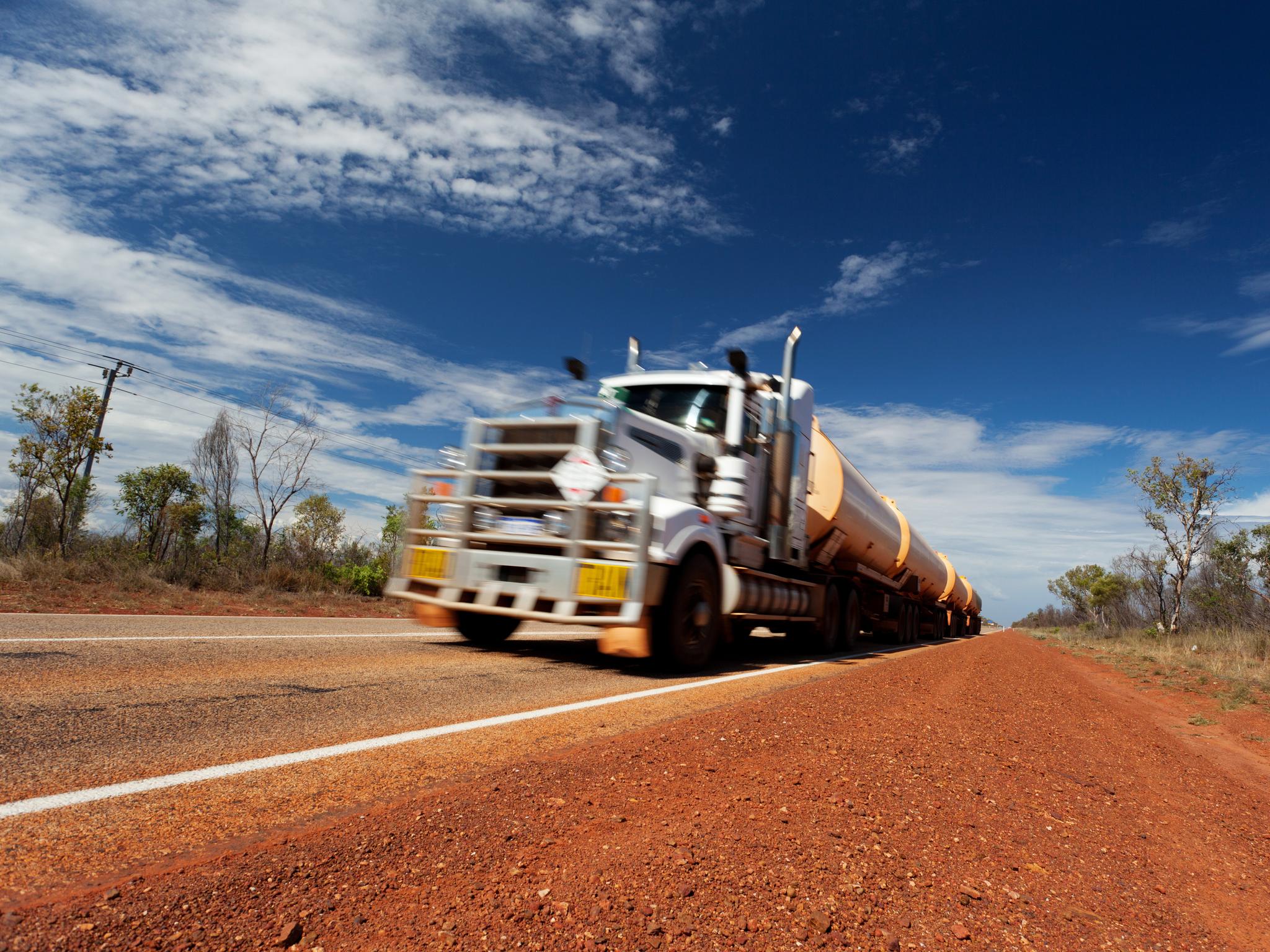
Australia should incentivise the modernisation of the nation’s trucking fleet in order to support decarbonisation, while also boosting safety and productivity, peak bodies have urged.
Diverse groups including the Australian Trucking Association, Truck Industry Council, the Transport Accident Commission of Victoria and the Royal Australasian College of Surgeons have called for upgrades to Australia’s trucking fleet, which stands at an average of 15 years old.
Truck Industry Council’s chief executive officer Tony McMullan said Australia needed to modernise the distribution of its freight network to support economic growth.
“Governments modernise the road network with record amounts of money,” he said. “And yet the enabler of that network is the truck and we operate with a less-than-modern truck fleet.
“We have 21st-century infrastructure and 20th-century trucking.”
More than one-third of the fleet is more than 20 years old, the council said, manufactured in the era when emissions and safety standards were non-existent, or in their infancy.
Likewise, more than four out of 10 trucks on the roads were built before now-standard safety features such as anti-lock braking or stability control.
Newer vehicles can come with in-built fatigue and distraction sensors and compliance devices, as well as lower emissions profiles.
Both the Transport Accident Commission and the Royal Australasian College of Surgeons have said the delay between established safety measures being available and them being implemented into design controls was unacceptable.
Ahead of the introduction of Euro VI emissions standards for new heavy vehicles to be phased in from November 1, 2024, the Australian Trucking Association has called for regulatory incentives to allow for the heavier vehicles.
Australian Trucking Association Chief of Staff Bill McKinley said the mass increase for Euro VI vehicles was necessary to continue fleet productivity and efficiency.
“The Euro VI technology is heavier than the Euro V technology,” he said. “In order to maintain the productivity of the mass-constrained truck in transitioning to a Euro VI vehicle, there needs to be an increase in the mass allowed.”
He said all the states had to sign off on the increase, but was confident this would occur. Negotiations between the Australian government, states, territories, the National Transport Commission and the National Heavy Vehicle Regulator on reform of mass limits are well advanced.
Road transport is a critical enabler and contributes more than $31 billion to the economy.
Australia’s trucking fleet supports almost 80 per cent of the nation’s freight movement, moving about 234.6 billion tonnes of products around the nation a year.
That freight burden is set to rise, given the movement of retail to online and consumer demand for speed. The National Freight and Supply Chain Strategy tipped a 35 per cent increase from 2018 levels to 2040. That is about 337 billion tonnes of products being moved from place to place on the roads.
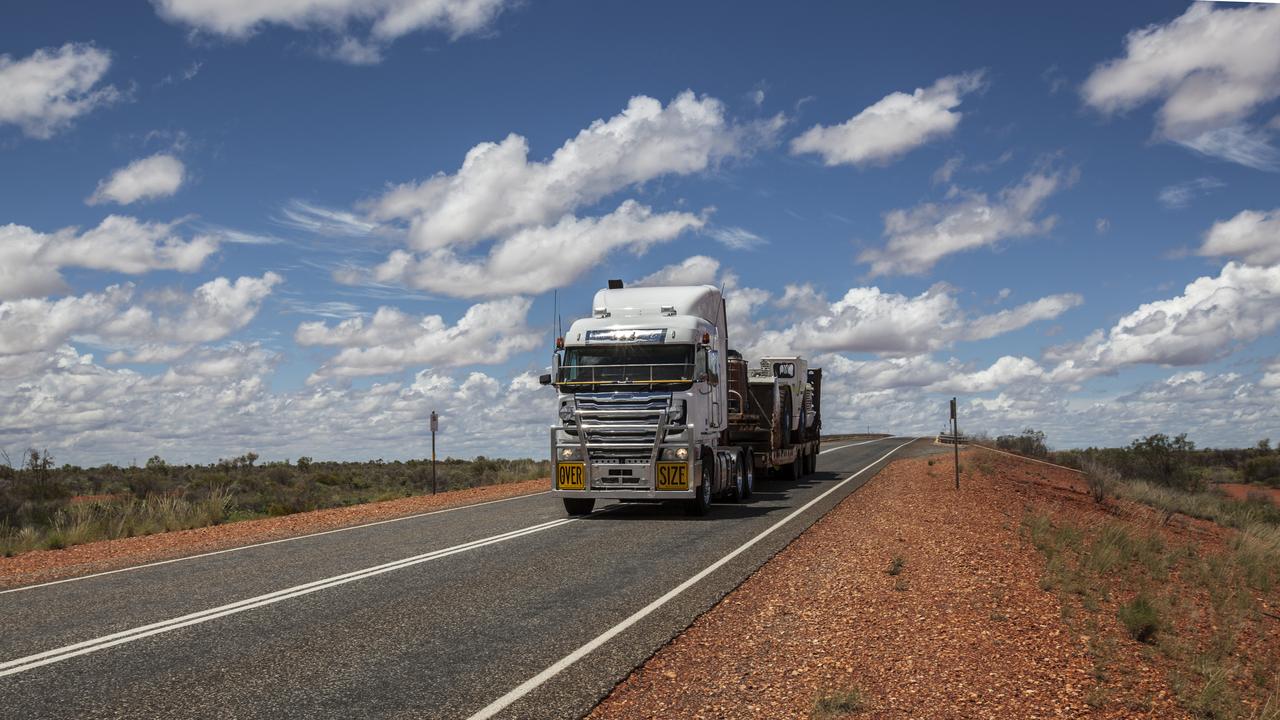
But this demand is being borne by an industry largely comprised of small businesses. Of about 59,1000 trucking businesses in 2022, almost 58,000 had fewer than 20 employees. More than half of all companies (31,600) had no employees.
These businesses are contending with high fuel prices, supply chain constraints, skills shortages and an ageing workforce, and toll price increases, all in a low-margin environment.
A spokesperson for the Department of Infrastructure, Transport, Regional Development, Communications and the Arts said the Australian Government was committed to supporting the affordability, supply and uptake of lower and zero-emissions vehicles in Australia, including heavy vehicles, while ensuring they meet the safety standards needed to keep people safe on our roads.
They said the implementation of Euro VI would ensure new heavy vehicles in Australia, “feature cleaner and more fuel-efficient engines – which will provide substantial health benefits to the community and reduce CO2 emissions”.
Further, they said there was in-principle agreement from transport ministers to bring forward the first review of the National Freight and Supply Chain Strategy to this year, aiming for more efficient freight operations nationally.
Demand is tipped to grow 26 per cent between 2020 and 2050, resulting in an increase in around 756 billion tonne kilometres in 2020 to 964 billion tonne kilometres by 2050.
It comes after the June Infrastructure and Transport Ministers’ Meeting inched closer to harmonisation on a Heavy Vehicle National Law with an “aspirational goal” of legislation and core regulations to return to the Ministers group next July.
At the same meeting, the ministers also agreed to set up a new Decarbonisation of Transport Working Group, “to improve national co-ordination and help oversee a new transport decarbonisation work plan and shared principles for national transport decarbonisation”.
The government is preparing a Transport and Infrastructure Next Zero Roadmap and Action Plan in consultation with a range of stakeholders, covering the heavy vehicle sector and low-carbon fuels.
The Truck Industry Council Tony McMullan said the move to zero-emission vehicles would require additional incentives - both regulatory and or financial - to achieve take-up at scale.
This was again due to the heavier weight of the trucks, which increased the burden for road maintenance over time.
“The government of the day, be it federal or state, they have the minister sitting around a table, making a decision on the goal that they have for zero emissions, and then the bureaucracy is saying, ‘Well, I’m not on my road, you’re not’,” McMullen said.
The Truck Industry Council Chief Technical Engineer Mark Hammond said in Europe there was an allowance for an additional two tonnes of load capacity to compensate for the additional mass, to allow for the same mass of freight in the truck.
Further, they have called for the reinstatement of the Covid-era temporary full expensing measure to support smaller businesses to purchase newer, safer and more productive trucks.
Depreciation allowances would help to increase the Euro VI diesel fleet and support the rising freight demand, while an offset for low-emissions vehicles would drive sustainability.
“When it comes to low to zero emissions, you’ve got the situation where like an electric truck might be twice, two or three times the purchase price of a diesel truck, or hydrogen truck could be as much as four times,” McMullen said.
“So unless we fill that [cost] gap through an incentive, a financial incentive, well, you’re going to have a situation where people aren’t going to go near that vehicle.”
Australian Trucking Association’s McKinley said incentives for electric trucks were necessary.
“The first cab off the rank is distribution - local services,” he said. “They are ideal candidates for electrification and they are available.”
He pointed to a joint report with the Electric Vehicle Council that found there was significant potential to electrify the urban freight fleet. These had total-cost-of-ownership comparisons that were on par with internal combustion engine trucks.
McKinley said specific incentives for low-emission vehicles, through infrastructure and policy as well as financial, could develop the fleet.
“That is a much more targeted incentive than the investment-allowance approach,” he said. “There is a need for a replacement measure, but that replacement measure should go to the next step of technology, which is the electric distribution.”