When the students at Silkwood School start the day, they take their place around a large table together with their classmates and teacher.
Principal Terry O’Hanlon-Rose says each small group class of no more than 18 students bookends the day with the “dinner table” ritual, demonstrating their community and recapping their learning.
“It’s bringing back that community and that everyone is equal,” he says.
Silkwood is among a rising number of non-mainstream schools catering to young people and parents seeking a different form of education, while still adhering to the Australian curriculum.
Silkwood practises a personalised learning approach, with individual plans for each child based around their interests and goals, with a strong wellbeing focus.
Mr O’Hanlon-Rose says there is no learning without wellbeing.
“The current curriculum and the model that we have in schools, with its testing regime and you’ve got to do the subject knowledge and you have to do it this way, that’s not good for their wellbeing,” he says. “We don’t operate like that in a workplace. The workplace is all about the critical skills that you need for the 21st century.
“So we’ve just changed everything. Where other schools may see there is a disengagement, I would say that over my 40 years of education I have seen a higher engagement than I have in the past.”
Health and wellbeing are critical focus areas for contemporary education. With a recent NAB Education survey of 400 students revealing about one in five high students rated their wellbeing as “low”, education providers are coming up with new ways to engage.
In the independent sector, the number of special assistance schools has doubled from 2014 – and enrolments have tripled – dovetailing with the Schooling Resource Standard (SRS) funding model changes.
These schools offer non-mainstream education for young people at risk of disengagement or those who had previously disengaged, often with support services, and a more flexible attendance, curriculum and assessment approach.
YouthInc executive principal says more innovative school models are needed to offer diversity and choice to young people with complex individual needs.
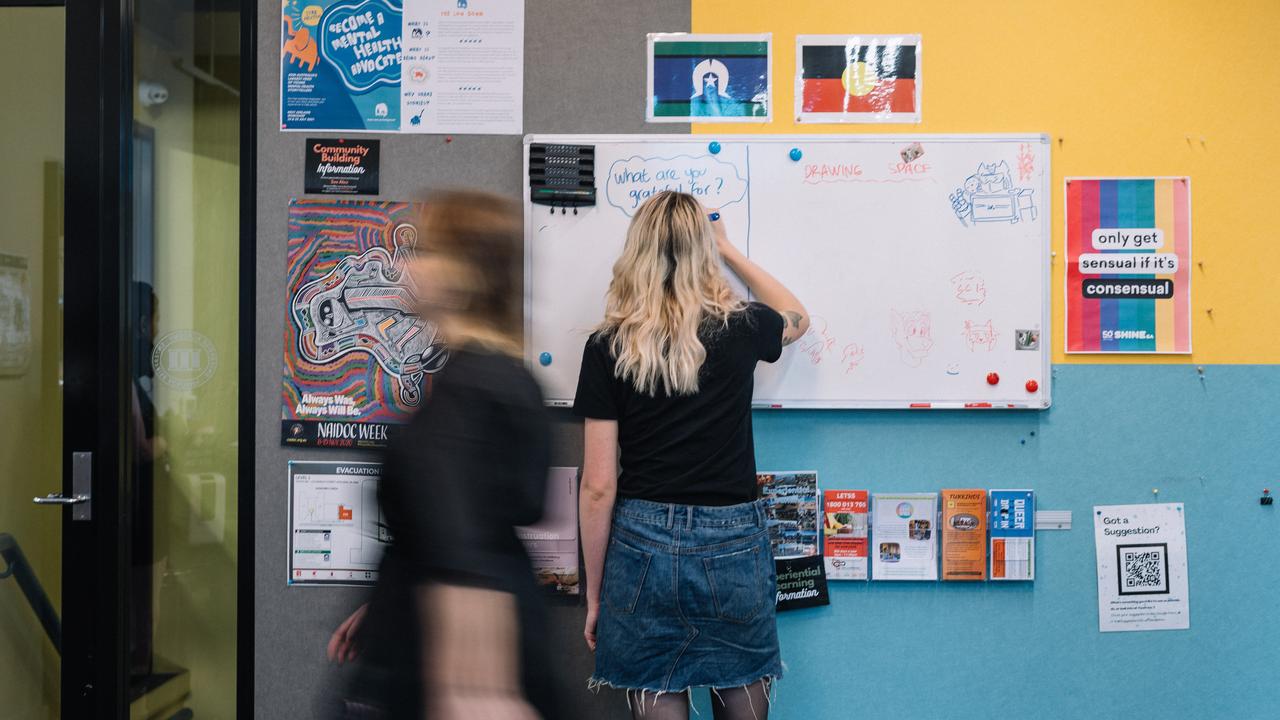
The Adelaide-based special assistance school is deliberately small at 120 students or fewer, with a non-traditional learning environment that is “reflective of the qualities of our students - non-conforming, surprising, inclusive”.
“Young people that do not flourish in a conventional [or] industrial-sized school model are looking for a new way to learn,” he said. “Our students complete SACE & VET qualifications, but we are much more interested in building agency and capabilities.”
He said disengagement was on the rise and new ways were needed to support the education of these young people and avoid the significant personal, financial and social cost.
Independent Schools Australia chief executive officer Graham Catt said special assistance schools demonstrated how different schools could address different community needs.
“They really are a fantastic example of what [independent sector] diversity is, and how that can meet the needs of a particular community or group,” he said.
“They provide an educational model that meets a specific need, with the ability to innovate and meet the needs of students to achieve an educational outcome.”