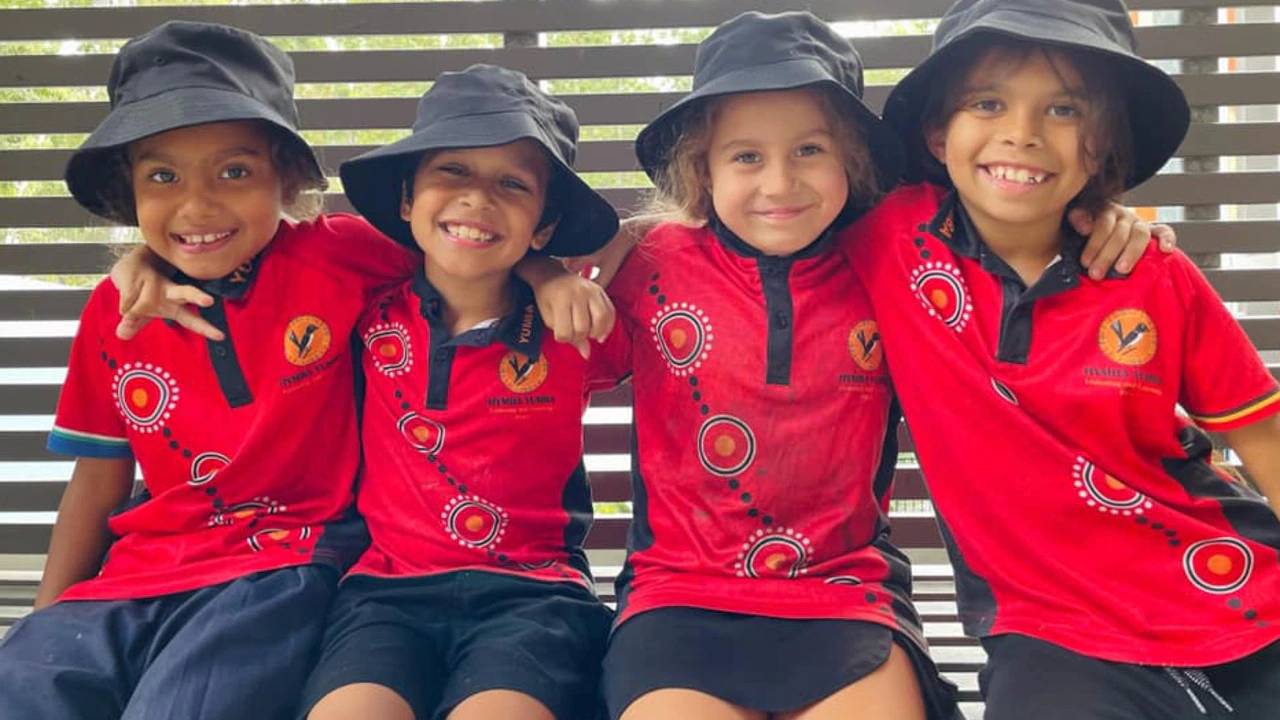
When Hymba Yumba Independent School Principal Peter Foster walks through his school after students have done their 10-minute Indigenous meditation, he sees a student group that is ready to learn.
“They learn how to breathe, how to sit still, how to act, how to centre themselves,” he said.
“(It makes for) a very calm and engaged school. You go through the school of a morning and it is just on fire. It’s good.”
Award-winning Hymba Yumba educates about 300 young people from across the southeast Queensland region as a school of excellence for Aboriginal and Torres Strait Islander students. Its student jarjums (children) learn the Australian curriculum overlaid with Indigenous knowledge and practices.
Mr Foster says the vision of the school – which started in 2011 – was to be innovative in contemporary education practice while honouring Aboriginal and Torres Strait Islander knowledge and experiences.
“We are heavily focused on culture and embedding Indigenous knowledge within our curriculum,” he says.
“We say about our jarjums that we are developing them to lead in two worlds. That means understanding their culture and living in a modern society. It’s about using our culture to use 60,000 years’ worth of knowledge and understanding, and dovetailing that with future education and the future needs of the world.”
Hymba Yumba exemplifies the increasing diversity of Australia’s independent school system, which is growing in response to parent demand for an education system that reflects their values.
Independent schools offer a range of values-based education, from schools grounded in Christianity, Islam or Judaism, to those that embed Indigenous knowledge into their teaching, or focused on outdoor experiences.
Independent Schools Australia executive director Margery Evans says parents and caregivers are choosing to send their children to schools that are in line with their beliefs.
“Independent schools have a really diverse approach to teaching and learning,” she says. “The strength is in the diversity. The fact they are autonomous, it means they are accountable for the education they provide.”
Independent schools are the fastest-growing plank of Australia’s education system. In two generations, enrolments overall have risen from 4.1 per cent of student enrolments in 1970 to 15.4 per cent in 2021.
Despite this, about 350 independent schools are set to lose government funding under the new Direct Measure of Income funding methodology, some of which the ISA says may become unsustainable.
During the past two years of Covid-19 disruption, enrolments jumped 6.1 per cent. An additional 21,537 students joined independent schools, often from government education, where enrolments fell by 13,368 students.
This came as a surprise to leaders of independent schools, who expected parents might “tighten their belts” and opt for fee-free education. Instead, caregivers voted with their feet for the sector’s speed and agility in the move to online and remote learning and the education outcomes.
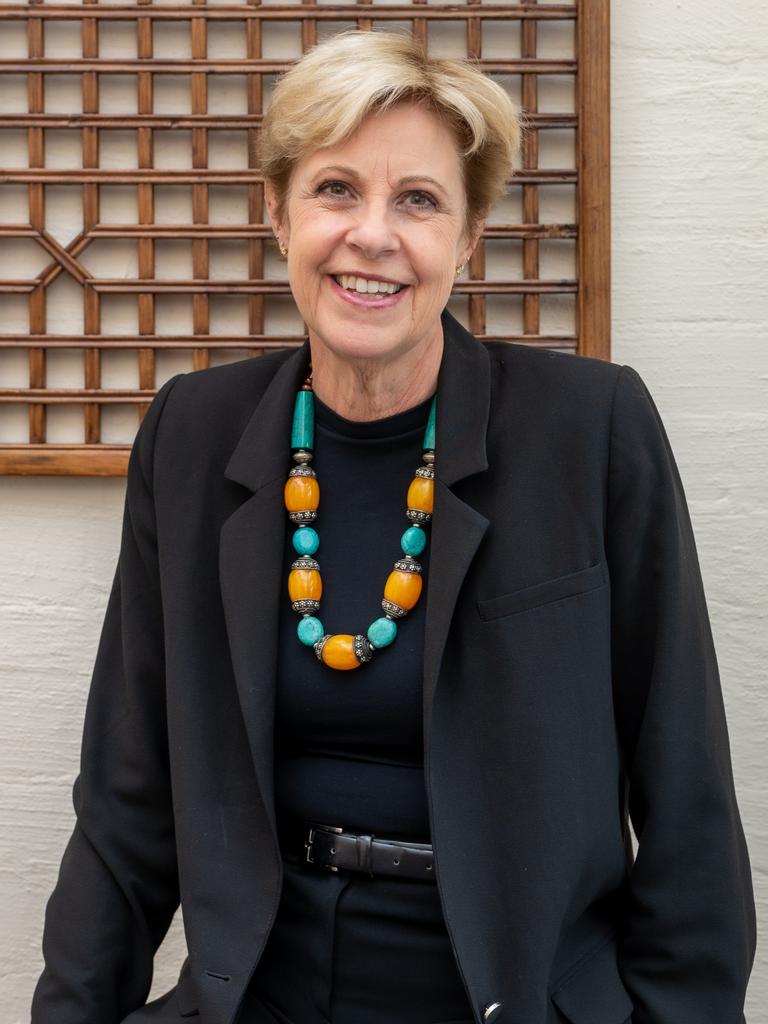
The Independent Schools Australia’s Ms Evans says a survey of more than 2000 parents reveals the vast majority (85 per cent) believe independent schools allow them to choose an education in line with their values, meet their child’s needs (79 per cent), and also move quickly to online learning when needed (74 per cent). “Independent schools have got to be incredibly responsive to their communities,” Ms Evans says.
“They offer different programs. By far the most International Baccalaureates are through the independent sector. Montessori schools are independent schools, Steiner schools are independent schools. Schools that have a strong Christian or religious focus are independent schools.
“People are looking for a values education. It’s the capacity to deliver the Australian Curriculum – which they are obliged to do, like everybody else – it’s the capacity to do that more innovatively.”
This education comes in many different forms. Independent schools are self-governing and operate under the guidance of a board or parent body.
This drives a broad range of education options, from schools whose histories and traditions predate Australia’s federation, to single-sex institutions, and centres of learning for children with specific needs, such as those living with autism or young people at risk of being disengaged from education.
About one in five schools are single-sex, with about two per cent reserved for a girls’ only education.
‘Independent schools have a really diverse approach to teaching and learning’
– Margery Evans, Independents Schools Australia executive director
The Alliance of Girls’ Schools Australasia Executive Officer, Loren Bridge, says young women in single-sex education are more willing to take thoughtful risks, ask questions, make mistakes and get involved.
“Positives can be found in every type of education, but there are just so many more positives for girls in a single-sex school,” she says. “A key positive is that girls feel happier and safer in an all-girls environment.
“In the absence of boys, teaching is purposefully tailored to girls’ learning needs and preferences, and activities and academic opportunities are free of gender-stereotyping. And the outcome is that girls have more grit, greater self-esteem and feel empowered to achieve their full potential.”
She says non-government single-sex schools provide a vital choice for families. “Parents value the opportunity for their daughters to benefit from the focused and empowering learning environments a single-sex learning environment has to offer,” she says.
A report from NAB Education notes parent choice for an independent school depends on the quality of facilities, high-performing teachers, discipline, academic results and class sizes.
When asked what they want from that independent school education, the leading outcome sought by prospective and actual parents was self-confidence and resilience, followed by happiness and personal wellbeing, good study habits, self-discipline and preparation for university and higher education.
This rings true for Dr Peter McMahon, the Head of Physical Education, Sport and Outdoor Education at Caloundra City Private School, who has been teaching for more than 25 years.
He said he had noticed a shift in parent attitudes over the past decade. Back then, parents chose a private school for academics and their child’s ability to get into university or a job, he says. Now it is more about a rounded education for life.
“Parents in general are realising that academia is one thing,” he says. “But having a happy, well-balanced child who is educated across several aspects of life, is far more important than just coming out with straight As and not being able to handle the blows that the world is going to deliver to their sons and daughters.”
Dr McMahon’s passion is for outdoor education and the value it brings in terms of building endurance and strength for young people. From Prep, students go into the surrounding bush, explore under supervision and reflect on it in a journal.
In high school, they can join holiday adventures ranging from week-long kayaking or mountain-biking to a 25-day coast-to-coast New Zealand adventure.
“They learn there’s nothing wrong with things not working the first time,” he says. “They can be brave. Once they learn that all risk doesn’t hurt and all risk isn’t painful, they’re prepared to take that next step.”
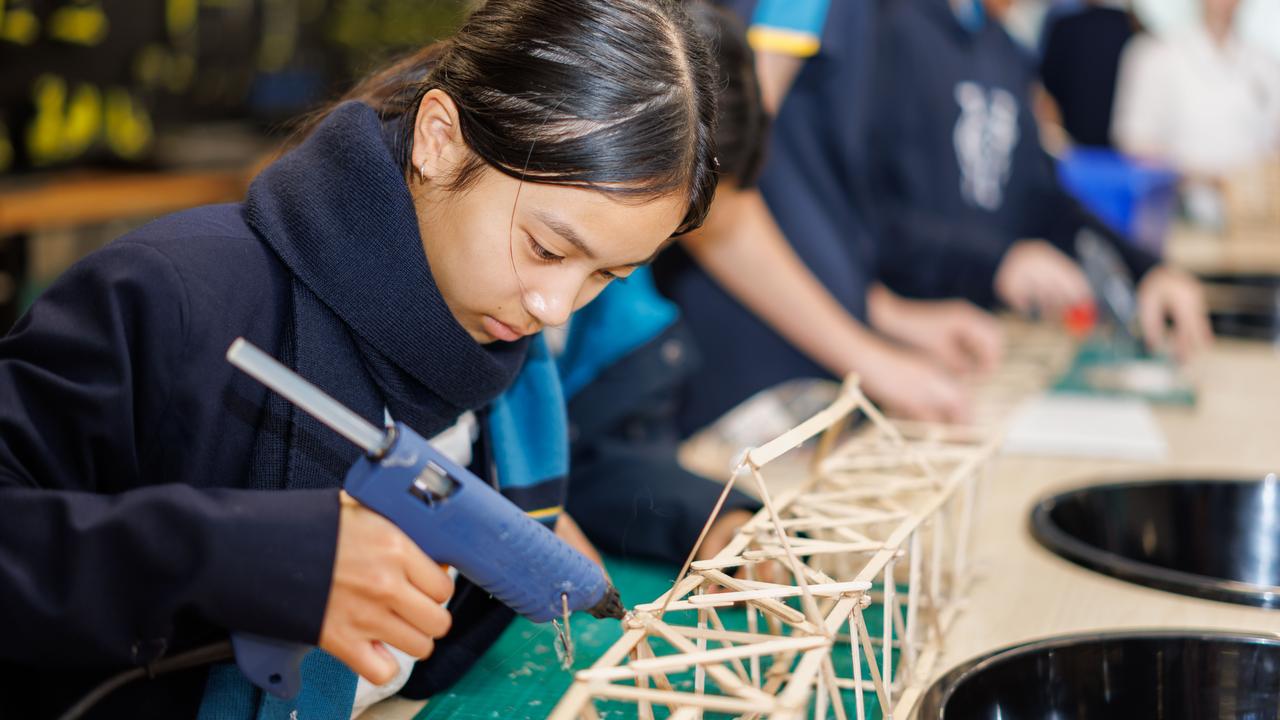
At William Clarke College, in Kellyville Sydney, the school has overhauled its curriculum delivery in a bid to empower students to become self-directed learners.
Headmaster Dr Scott Marsh says the role of schools had to change, given the rapid transformation of industries through the digital age, and education systems had to work with their communities to achieve it.
“Schooling today should not be the same as it was when I went to school,” he says.
“That is the heart of it. I am greatly concerned that so many young people are bored. They have learned the culture of school, that I sit there and my teacher tells me what I need to pass the test and I am therefore a good learner. I believe that is an unhelpful model of teaching.
“Education has been through a period of the HSC being the be all and end all, and we prepare kids for an exam. We know the HSC is less and less what students need to get into university.”
He points to the 2020 university selection process that resulted in 305 letters of offer to 170 of their students even before they sat their first exam. “It’s an exciting stage because we can start to move away from the pressure of preparing young people for an exam, to we’re more interested in preparing young people for success and setting them up for life. Ultimately, we have a holistic focus on development of character.”
The “whole-child” approach includes concern about young people’s mental health. The independent sector joined with the state and Catholic sectors ahead of the federal election to call for an increase in mental health funding and resources in schools for staff training, wellbeing programs, expert engagement and resources.
“Unless kids’ mental health is attended to, then they won’t learn,” the Independent Schools Association’s Ms Evans says.
“Young people’s mental health is often manifested most explicitly at school. Children are increasingly affected at earlier ages, and that is not distributed equally. Schools are the right place to centre that support.”
At Hymba Yumba, Mr Foster says being an independent school allows them to focus on the key elements to ensure the education provided is well-suited to their students.
“We’ve got a supportive board and we all work together on strategy,” he says. “There’s that autonomy, all that bureaucracy is put aside, so we can all work together to achieve the best we can for the jarjums. They’re at the centre.”
Last year this resulted in six out of 10 graduating students achieving a university scholarship while 100 per cent were either earning or learning.
Mr Foster says Hymba Yumba was also the sole dog therapy training school in the country, with five dogs, five certified trainers, 10 staff handlers, and 20 students who were qualified handlers.
“It has created a 90 per cent drop in behaviour (incidents), and increased attendance to 85 per cent to 90 per cent (from the mid-70s),” Mr Foster says. “It has created a leadership model that is extraordinary.”