At a time when daily Covid numbers and vaccination rates are the most pressing issue, industry and community leaders in South East Queensland are looking to 2032 and beyond.
There are fewer than 11 years to go before Brisbane becomes an Olympic city and SEQ as a region becomes the centre of the universe.
But there is no time to waste if the Sunshine State is going to maximise the legacy benefits an Olympics can offer.
In a sporting sense, the scouts are looking.
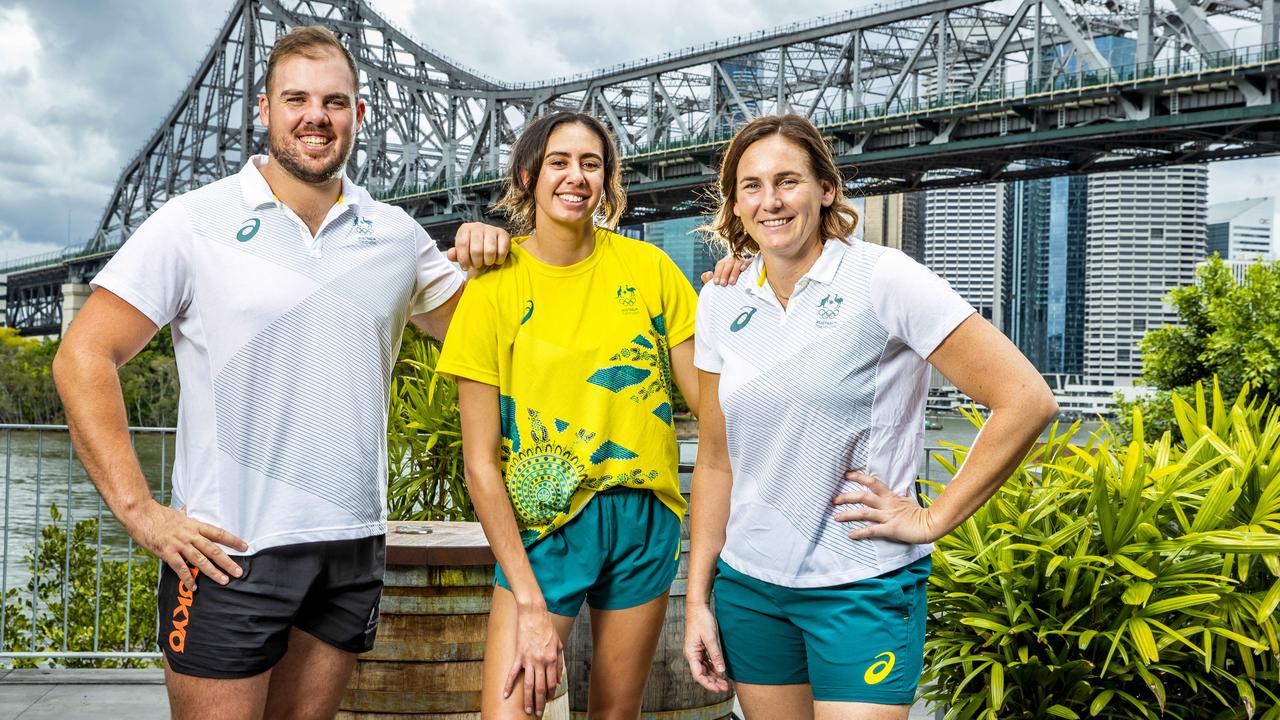
Coaches are starting to scan the ovals for a primary schooler who is keen, speedy and blithely unaware of rowing – or badminton or hockey – who could become an elite athlete at the Brisbane 2032 Olympic and Paralympic Games.

Legendary high-performance coach and three-time Olympian Ric Charlesworth says the lure of a home Games has already made young people acutely aware of their opportunity to shine in July 2032.
“The general population is aware, the athletes are very, very aware,” the decorated hockey coach says.
“There’s a 10-year-old out there who has never thought about rowing who will row in the 2032 Olympics. And there’s a kid who is into BMX who might be in the cycling in 10 years’ time.”
It’s almost five months since International Olympic Committee president Thomas Bach announced Brisbane as the host city for 2032. Under its regional model, events will be held in venues from the Gold Coast to the Sunshine Coast.
Picture the beach volleyball at Broadbeach against a backdrop of Surfers Paradise, the road cycling marathon and race walks around the Sunshine Coast’s Alexandra Headland. This is Brisbane 2032.
In back yards and sporting venues, the announcement prompted a bounce in junior memberships in activities ranging from gymnastics to basketball.
And in Brisbane offices, background work accelerated on the organisational and financial framework to put on the $5bn-plus Games, which will be funded in an unprecedented split by the Australian and Queensland governments.
South East Queensland has been granted the longest lead-up as a host city in the modern era and no one wants it squandered.
University of Queensland associate professor in law and marketing Sarah Kelly says planning to maximise the event benefits and legacy is critical.
“A lot of people think it’s 10 years away, but now is when the foundations of a successful Paralympics and Olympics legacy begins,” she says.
This is something former Brisbane lord mayor Graham Quirk has been agitating for for years. It was this soft-spoken veteran of local government – together with other regional mayors in the Council of Mayors (South East Queensland) – who first announced the idea six years ago. He says the key driver was always economic development – not sport.
“It was very much about finding an event that would be a catalyst for infrastructure, then secondly something that would create investment attraction,” he says.
He says the region needs the external boost to support growth, which is currently double the average rate across the OECD.
The Games can deliver that benefit, he says, pointing to the 1.2 per cent employment growth attributed to the London 2012 event.
“If a city as well-known as London can do that, then I think our opportunities are much greater,” he says.
“Brisbane is not well known in terms of the world. We’re not one of those in-your-face Parises or Londons or Tokyos, so this is a real opportunity for us.”
At the moment, when it comes to the vision, all tiers of government are in furious agreement.
Brisbane Lord Mayor Adrian Schrinner says the Games are “a unique chance to get all levels of government working together”.
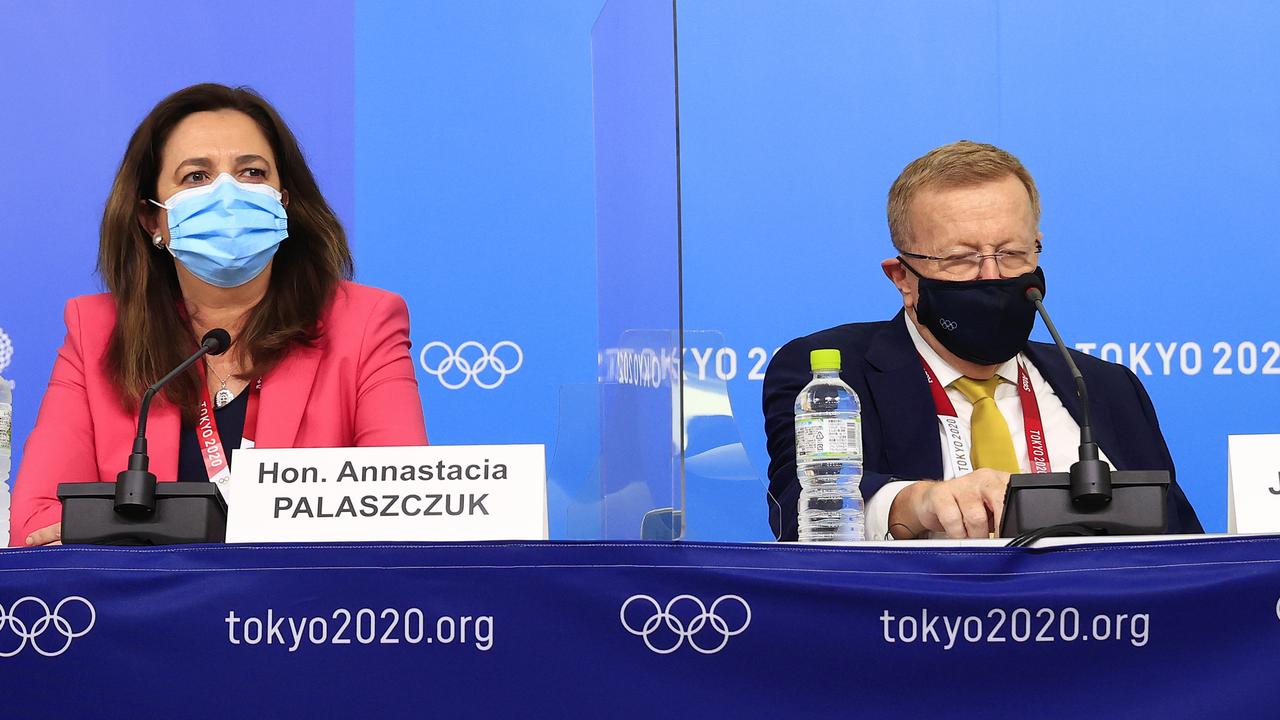
Premier Annastacia Palaszczuk calls it “Queensland’s greatest single economic opportunity”.
And Prime Minister Scott Morrison says 2032 will be “an important leap forward for Australia”.
So how does the city, region, state and nation capitalise on that?
Authorities are at pains to declare there will be no white elephants and all venue construction or upgrades are merely future plans that have been fast-tracked.
About 85 per cent of the 2032 Games venues already exist or will be temporary.
Thousands of hours of work have already gone into envisioning the legacy outcomes of the Games in a bid to front-load them.
These include a forecast of more than 91,000 full-time equivalent jobs in Queensland and almost 123,000 across Australia. More than $20bn in tourism uplift, growing export markets through Games supply chain procurement, and social housing.
First Nations partnerships and recognition is also critical, as is the delivery of carbon positive and zero-waste capability.
There is also a buzz about building niche but high-value industries in sports performance and science, medtech and expanding movie-making.
Veteran sports administrator and businessman John O’Neill says capturing major event opportunities, enabling tourism and expanding creative arts are also on the cards.
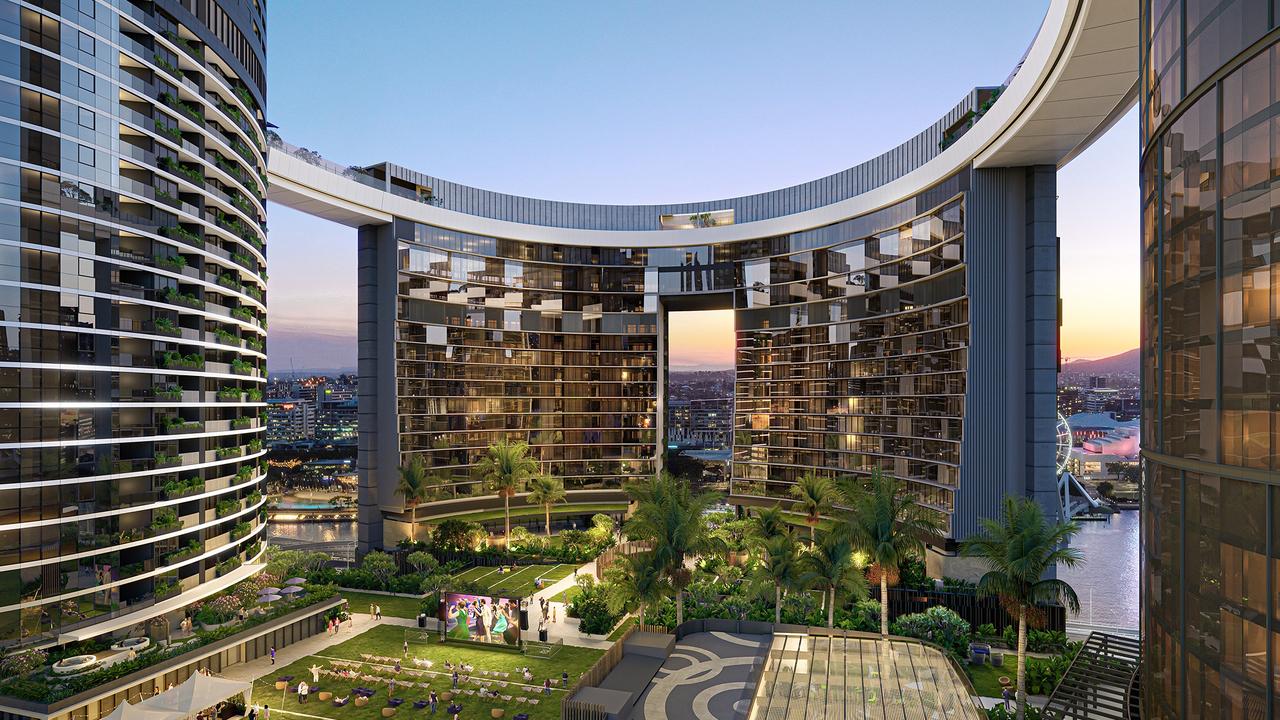
As chair of gaming and hospitality business The Star Entertainment Group, his company has hitched its wagon to the region, investing more than $6bn in The Star’s mega developments at Brisbane and the Gold Coast.
“You just have to pinch yourself, really, that Brisbane is hosting the Olympic Games,” he says.
“Ten years is a long time. You have to really remove the barriers and think outside the square and ensure that Brisbane doesn’t waste this opportunity.”
The business, trade and investment opportunities are far-reaching and being the centrepiece of the world’s greatest marketing opportunity will provide huge opportunities for tourism investment and new world class product.
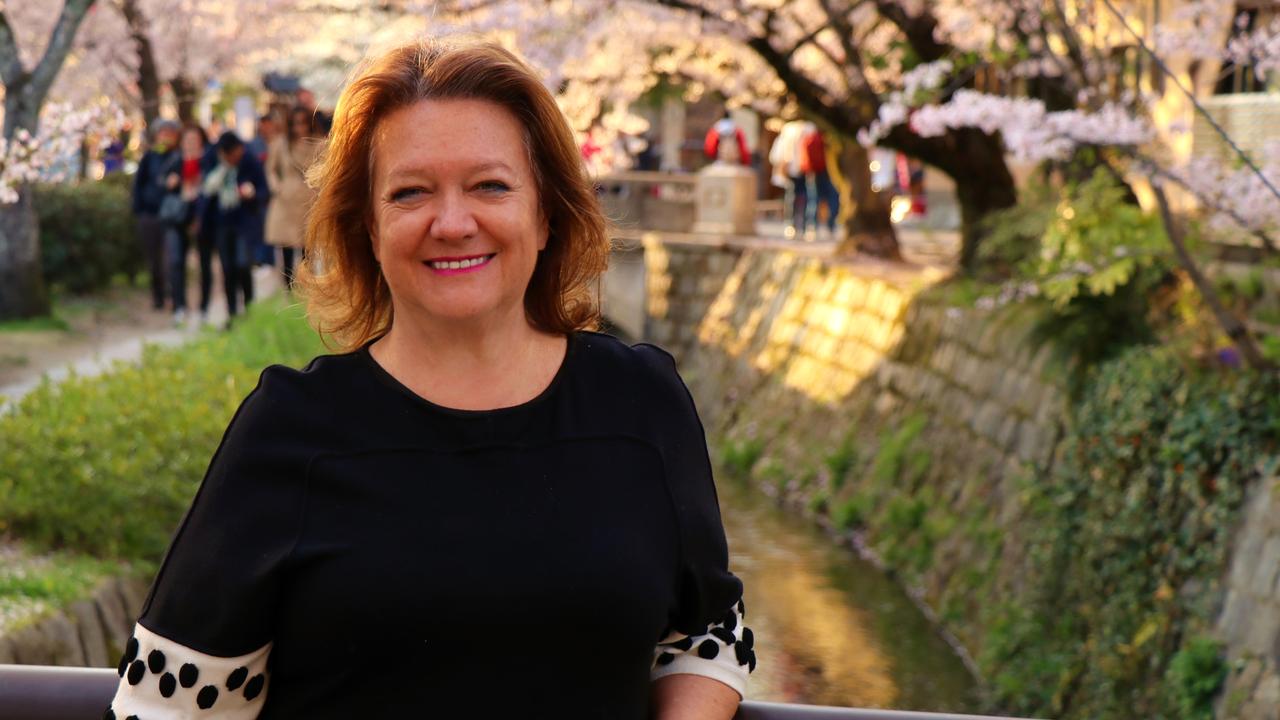
Hancock Prospecting Group executive chairman Gina Rinehart, a major sponsor of four Australian Olympic teams, believes with the right policy settings that encourage investment and lessen government tape, the Brisbane Games could top the Sydney Olympics.
Rinehart has called on the Queensland government to engage with industry, investors and stakeholders now to build Brisbane’s long-term Olympic legacy.
BOQ chief economist Peter Munckton says research suggests that exports from the region rise after hosting the Olympics, as well as those of non-successful bidders.
“As borders are reopened, the Olympics may prove a timely reminder that the world-class industries in Queensland are back open for business,’’ he says.
Deloitte national sector leader, transportation, Damian Garnham, who worked with the London 2012 Games, says opportunities will be enabled by infrastructure upgrades.
“It’s not just about Brisbane, it’s about the region,” he says. “There’s a real focus on legacy underpinning a lot of the big decisions.”
People are thinking big.
The Committee for Brisbane has envisaged a 2032 South East Queensland of more than two million people who can connect with a 45-minute travel time, with universal accessibility for people living with disabilities, all underpinned by data-enabled digital infrastructure.
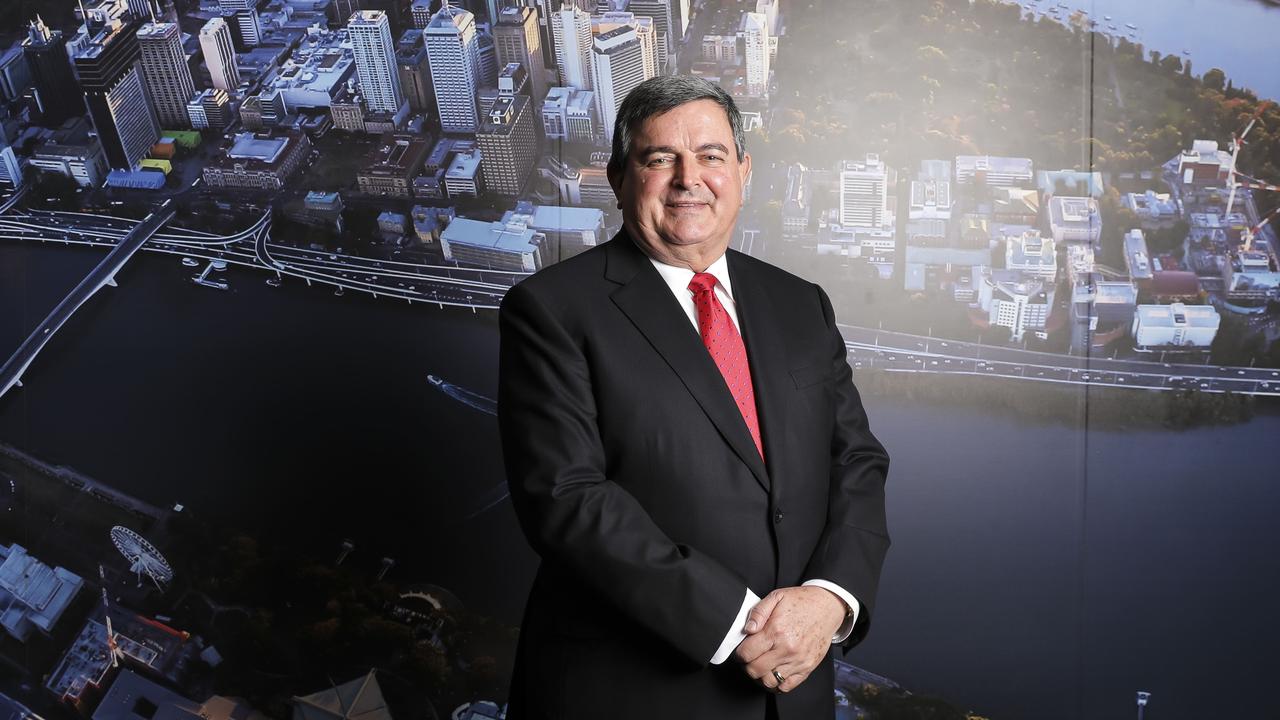
Chief executive officer Barton Green has three “eminently ambitious but achievable goals” for the region.
“Why can’t we have ended homelessness in South East Queensland by 2032, and be a global exemplar of how to manage that critical issue for society?” he says.
“Why can’t we have no First Nations protests at the opening ceremony of the Olympic Games because we’ve actually got the relationships right?
“Why can’t we have every member of our community with a disability working, or employed at the Paralympic Games so the majority of people there have a disability?”
Events chief Harvey Lister says the people of Brisbane are what sets it apart, and what should shine as brand Brisbane.
“I think Brisbane still has that welcoming, engaging population. You can’t buy that,’’ he says.
Australian Olympic Committee chief executive officer Matt Carroll says this is Australia’s big chance.
“I can’t see Australia hosting the Olympic Games before the end of the century – another one,” he says.
“We don’t want to get to the end of the Games and say, ‘Oh we should have done this or that’. We have to make the most of this.”
In partnership with Future Brisbane

An idyllic Brisbane property has been transformed for Hugh Sheridan’s new film which marks a major milestone in the actor’s career.
After becoming stuck over the border when she travelled for work, comedian Mel Buttle was forced to write a rather tongue and cheek list to authorities detailing just why she needs to be let back in now.