Boarding schools have remodelled their operations to deal with the Covid-19 impacts, from isolation procedures to altered meal times, and shifting business priorities.
In the third year of the pandemic, boarding schools have adapted to increased requirements for social distancing and ventilation, as well as adapting to the sharp decline in international students.
Australian Boarding Schools Association chief executive Richard Stokes says schools were prepared for the viral outbreaks that were inevitable once international and state borders reopened.
“We knew we were going to be in a very difficult position,” he says. “We have had quite large outbreaks in boarding houses, but no more than in the day schools. We had learned a lot of really good skills in the years before. The kids were much better at social distancing, much healthier in terms of hand sanitisation, and other aspects, like the food is served differently.”
Stokes says boarding schools have enacted the upgraded health protocols this winter as the wave of influenza and para-influenza infections also hits the services.
Boarding houses are home to more than 20,000 students across Australia. With 201 boarding schools including 16 state-operated residential hostels, the residences span diverse facilities and experiences.
About one in eight boarders is a First Nations Australian. Some boarding schools cater specifically to Aboriginal and Torres Strait Islander young people, such as Western Cape College in far north Queensland or girls-only Worowa College in Healesville, Victoria.
There are boarding schools for students excelling in performing arts, urban schools steeped in tradition, and agricultural colleges to prepare young people for a life on the land.
Some schools were focused on international students, a challenging sector over the past two years. Boarding schools in Hobart and Melbourne have closed.

“We have got to reinvent that market because most of those kids who were coming to Australia have found somewhere else to go,” Stokes says.
“We’re starting to get the word out that Australia is open, but I don’t think we will see a rebound to those numbers before about 2024-2025.”
But the base remains rural and remote young people, with three out of four boarders in Australia hailing from the country. The dispersed states of Queensland, NSW and Western Australia have the highest numbers of boarding students.
“The boarding component of a school is a service that we [as a nation] just can’t do without,” Stokes says.
“These kids, their parents put food on our plates, they run cattle or sheep or they might be the bank manager in a town. [The young people] have to go away to boarding school. They’ve known it since they were five.”
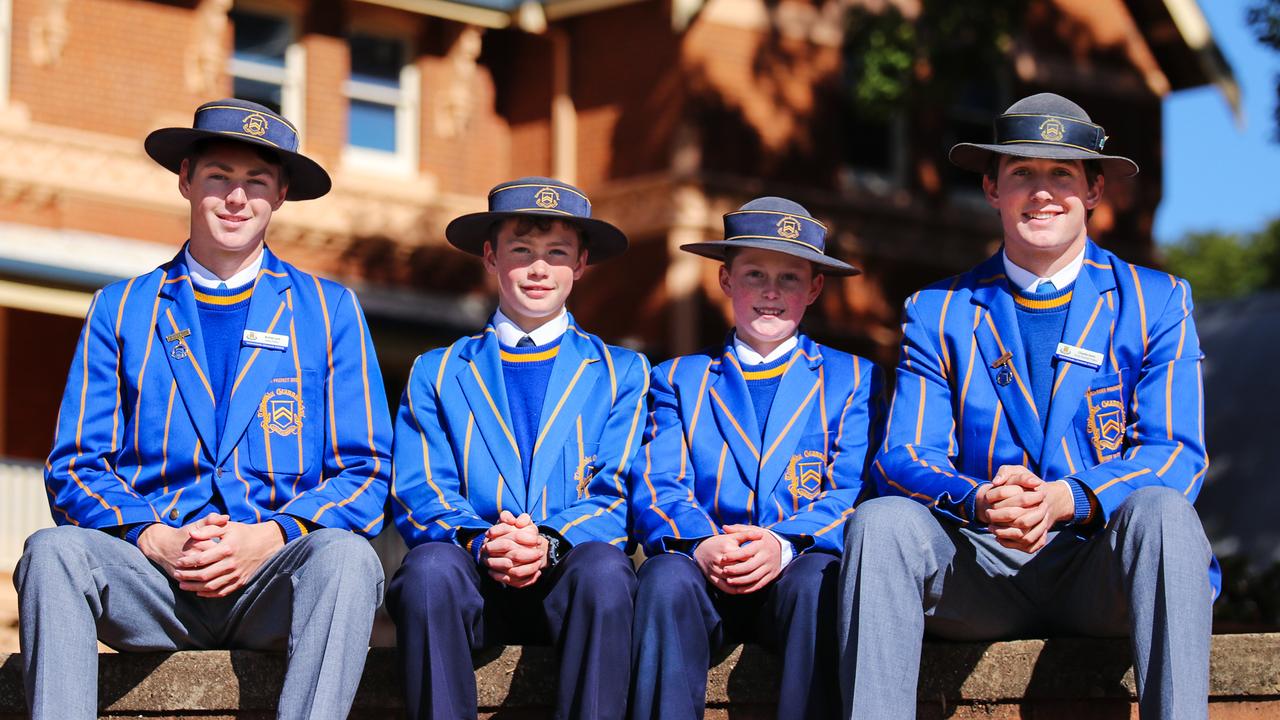
Toowoomba Grammar School, in southern Queensland, has about 280 boarders, many from the surrounding areas including country NSW.
Toowoomba Grammar School headmaster, Dr John Kinniburgh, says the Covid-19 impact was felt most keenly when state and international borders were closed last year.
“It was difficult for boarders to travel home and even families on the southern side of Goondiwindi couldn’t cross the river,” he says.
“This compounded homesickness for our boys and increased their anxiety about not being able to help on their properties. Our boys are strongly connected to home and want to support mum and dad on their properties during key times such as planting and harvesting.”
Dr Kinniburgh says the school live-streamed their sports events and performances to allow parents to participate.
Throughout the pandemic, the boarding school reconfigured the dorms and staggered meal times to allow for increased social distancing. The school also invested in additional covered outdoor areas for each house group for open-air activities.
He says boarding provides students with the skills to lead an independent life.
“Our boys build resilience and become equipped with the skills to deal with adversity and to be empathetic with others,” he says.
“They also learn how to make the most of opportunities presented to them and they develop excellent social skills through the numerous programs, activities, and events that they can participate in. Often these are activities that the boys would never experience at home.”
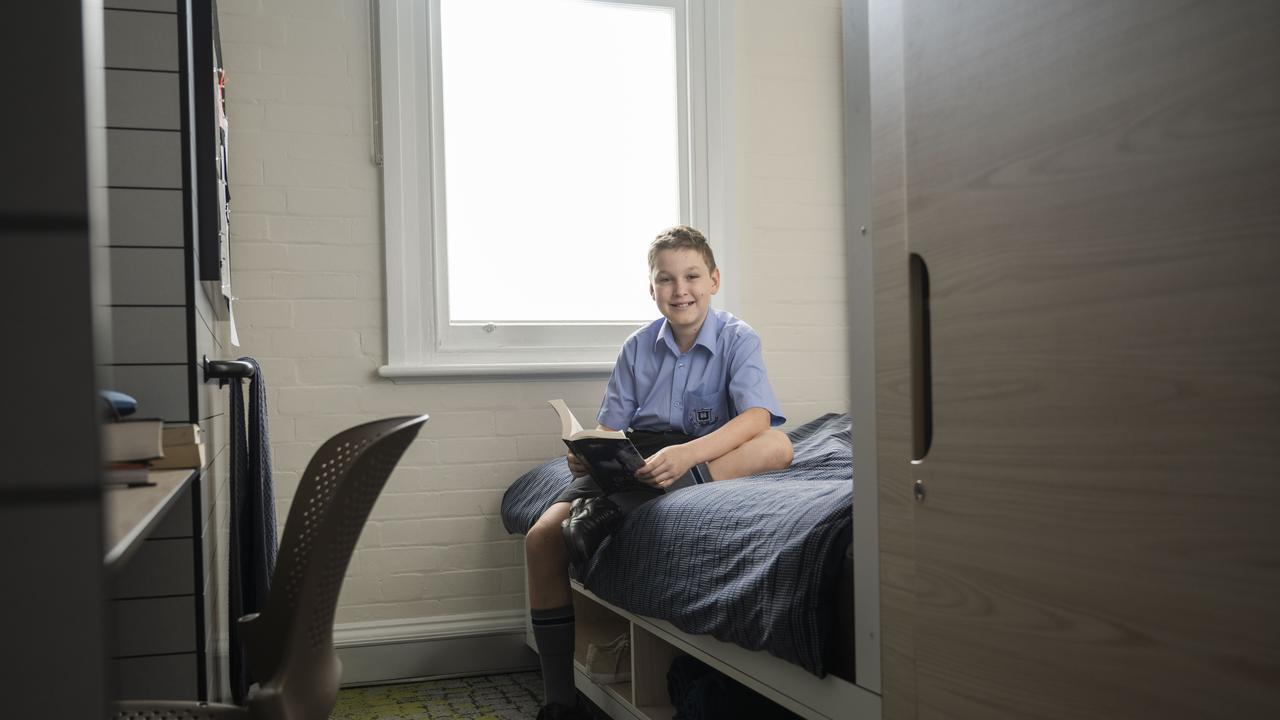
Another school that invested in additional facilities amid the pandemic was Brisbane Grammar School, which renovated its boarding house to provide single rooms for senior students from January 2021.
This followed construction of a new junior centre where they could partition individual areas for each boy.
Brisbane Grammar School director of boarding Berian Williams-Jones says the development made “an incredible difference” to their operations through Covid.
“It meant we had no close contacts in the senior boarding house, and in the junior boarding house we were able to space the boys sufficiently so we didn’t have close contacts,” he says.
But Mr Williams-Jones says the enduring legacy of Covid is the cohesion between the team and the boarders.
“It has brought the whole team together,” he says. “It has made the boarding and the wider team far more inclusive and united.”

He says the pastoral care and vertical house system allows them to check in on the students regularly, with ongoing support for the boys across the day and boarding schools.
Further, the boarding school is set up for growth, with capacity for 97 students next year.
Mr Williams-Jones says demand for boarding was growing among busy urban families.
“We’re seeing parents who are choosing boarding because they can see the value added it offers,” he says.
“Growing up in a group teaches you how to live life in a way that being a day boy can’t. Also, it’s a busy school. In the rowing season you’re up at 4am sometimes and there are boys who are always working hard.
“We’ve got parents now who are looking for something that delivers a service and not a necessity. That creates a wonderful blend of boys from the country, boys from metro and boys from coastal or international areas.”