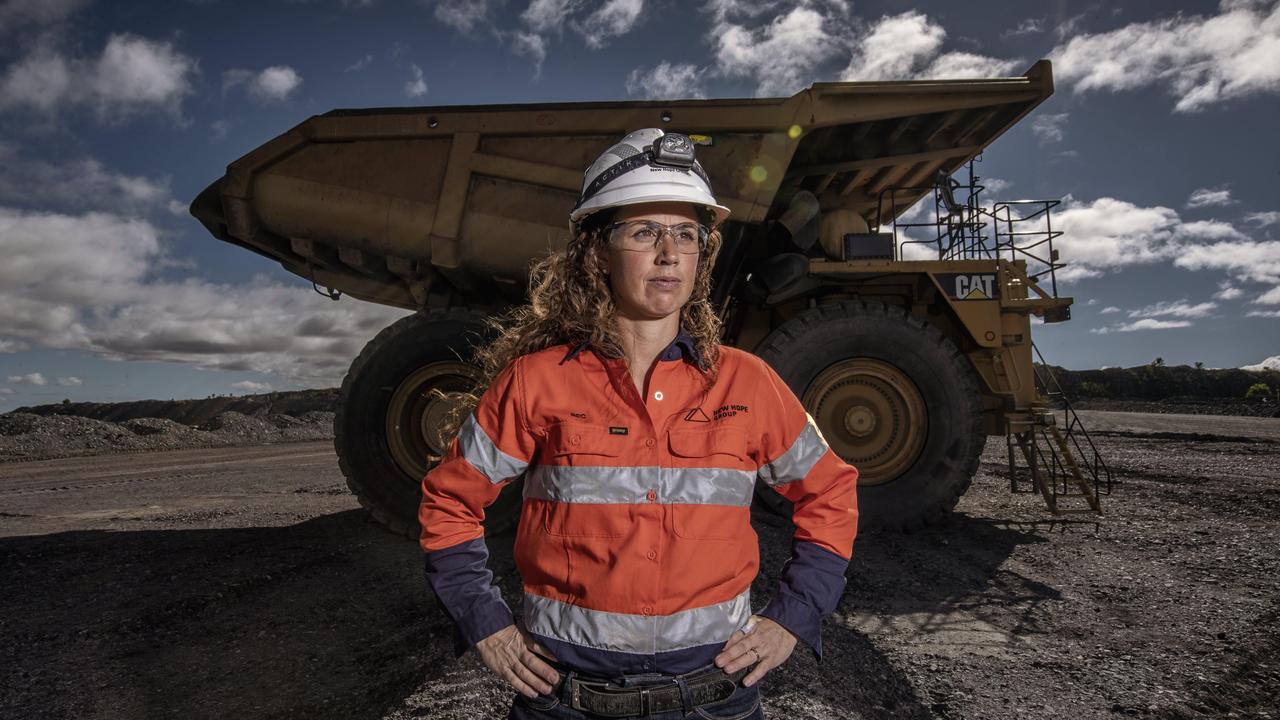
When Renata Roberts started in the mining industry almost two decades ago, she sat in a meeting that discussed a system for women to wear different-coloured helmets so they could be “watched out for” on site.
The Bloomfield chief corporate services officer and winner of the Exceptional Women in Australian Resources Award says the industry has transformed in a short time with huge strides in diversity, making it a great place for women to succeed professionally.
“Today, we have a much greater representation of women in management, trade and operations roles,” she says. “Our industry has embraced attraction and retention strategies dedicated to gender diversity. We have male champions for diversity and other initiatives such as mentoring programs for women in leadership roles.”
The mining sector is changing from its male-dominated past to a more diverse workplace. Today more than one in six of its workers are women, up from one in 10 15 years ago. With the nature of jobs changing, so too are the people who are attracted to the roles.
Anglo American’s Balancing the Team female trainee program attracted more than 1300 applications to undertake the entry-role positions, where trainees complete a certificate II in underground coal mining across two years.
At BHP, female representation has increased by more than 4000 in four years and more than 26 per cent of the workforce is female. Five out of six of the additional 4000 women are in operations.
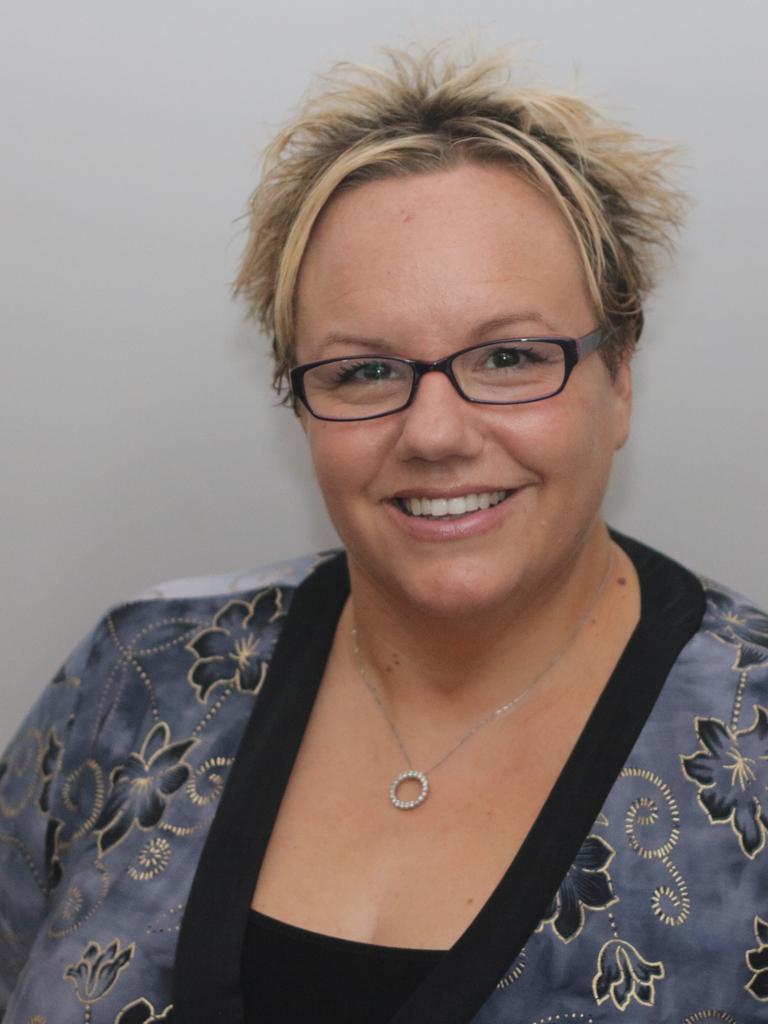
Roberts says many of the old barriers have been removed and operational roles are increasingly diverse.
More women apply for roles across the business, she says, pointing to their apprenticeship program where 60 per cent of the short-listed applicants were female.
“Women should enter coal mining because the work is fascinating, diversity is valued and the opportunities, as I have seen, are almost endless,” Roberts says.
Now a senior executive after 18 years in the sector, she entered mining after deciding teaching wasn’t for her. She went into an entry-level job with a mining and smelting company, before her work took her around the country and the world, including an expat role in Tennessee for a zinc-mining company.
In 2012 she returned to Australia to join the Bloomfield team in the Hunter Valley.
“I wanted opportunity and I wanted community, and in coal mining, you get both,” she says.
Despite winning a national award this year for her leadership and capability across a range of areas, including her community outreach, she says the industry is on “the right path to the time when we longer need awards for women in mining or diversity programs”.
Until that stage is reached, there are a range of programs available to women wanting to get involved.
Anglo American’s female trainee program last year started the female-only intake of trainees at the Moranbah North Mine.
One of them is Lil Shanley. After becoming Queensland’s first fire-sprinkler fitter and maintaining fire systems in mine sites across central Queensland for 12 years, she wanted something different.
She applied for the program.
“Getting into the underground mining industry, whether you are male or female, is very competitive,” she says. “Anglo American’s groundbreaking Balancing the Team program allowed an ‘in’ for me.
“I love being able to train on, and operate, the underground mining equipment. I never knew it would be so much fun driving through underground tunnels in a 22-tonne articulated loader. There is always some new piece of equipment to learn to operate.”
A spokeswoman says Balancing the Team is aimed at improving female representation among underground mine technicians. It is traditionally male dominated, in part due to legislation that banned women from being underground until the 1980s.
And at BHP, four years ago they announced an aspirational goal to achieve gender balance by 2025, and they’re getting there. Almost 40 per cent of new hires to the company last financial year were women, up from 10.4 per cent in the 2015 financial year.
“Several of our operations and major capital projects have reported strong growth in female representation due to investment in entry-level training programs,” a spokeswoman says. “The new and growing Operations Services function is over one third female and 12 per cent Indigenous. In FY2020, its apprentices and trainee intake was 266 females and 55 males.”