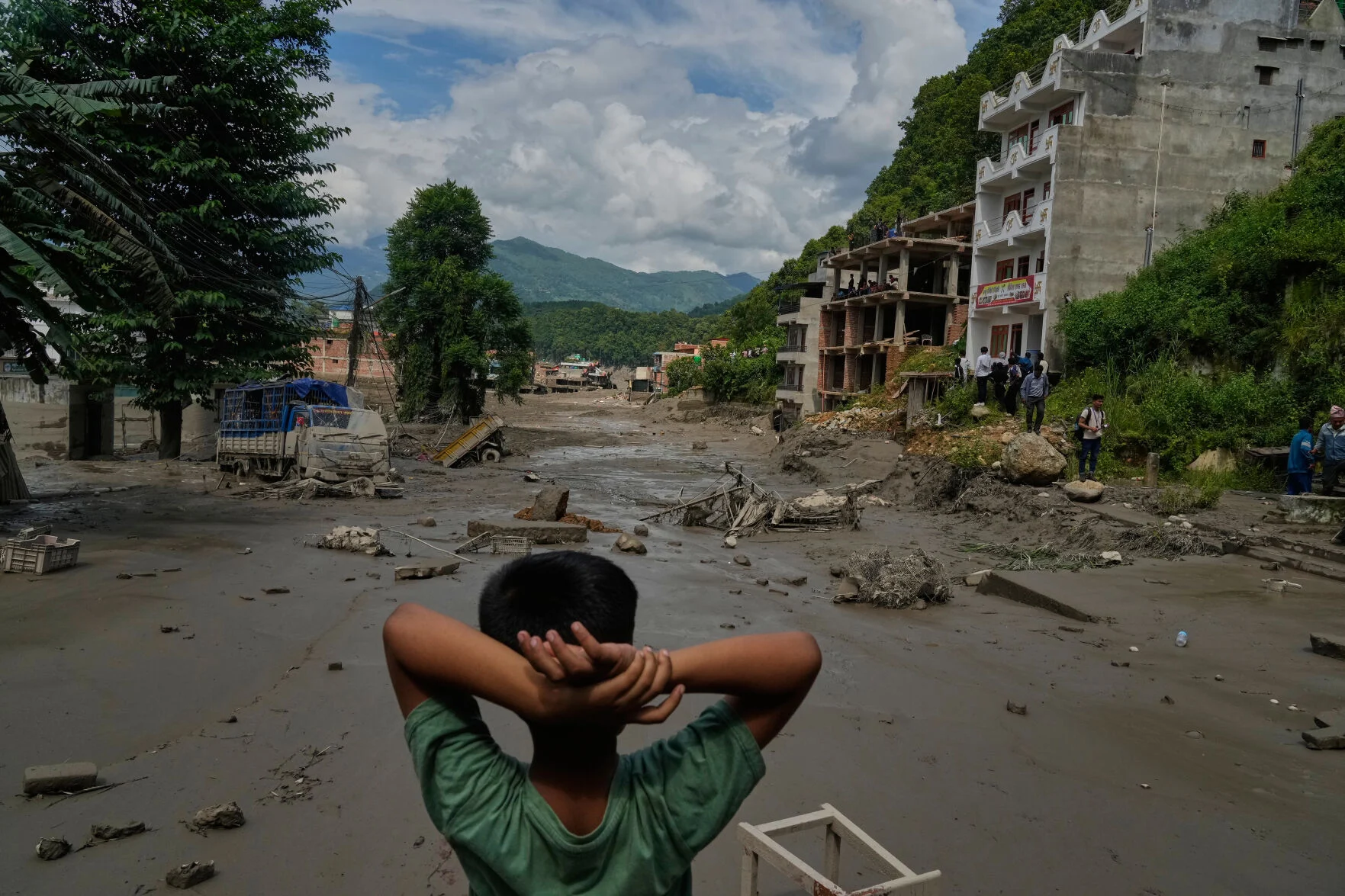
As footage of the glacial collapse at the Nepal-China border continues to circulate – with images of village neighborhoods swept away in massive flooding – the Nepalese community at UTEP is mourning the loss of life and awaiting word on the rescue efforts.
“It is very difficult and heartbreaking to see. Even though I’m here in El Paso, my heart is with my family and everyone affected in Nepal. I feel very worried, very sad,” said Raj Kumar Giri, a doctoral physics student from Nepal who has been monitoring the flood recovery from his El Paso home.
The University of Texas at El Paso has longstanding ties to the Himalayan region, beginning in 1917 with the adoption of Bhutanese “dzongs,” or fortresses, as the style of its campus architecture. The university regularly holds festivals celebrating that region’s culture and sponsors student trips to Bhutan, which shares the Himalayan mountain range with Nepal.
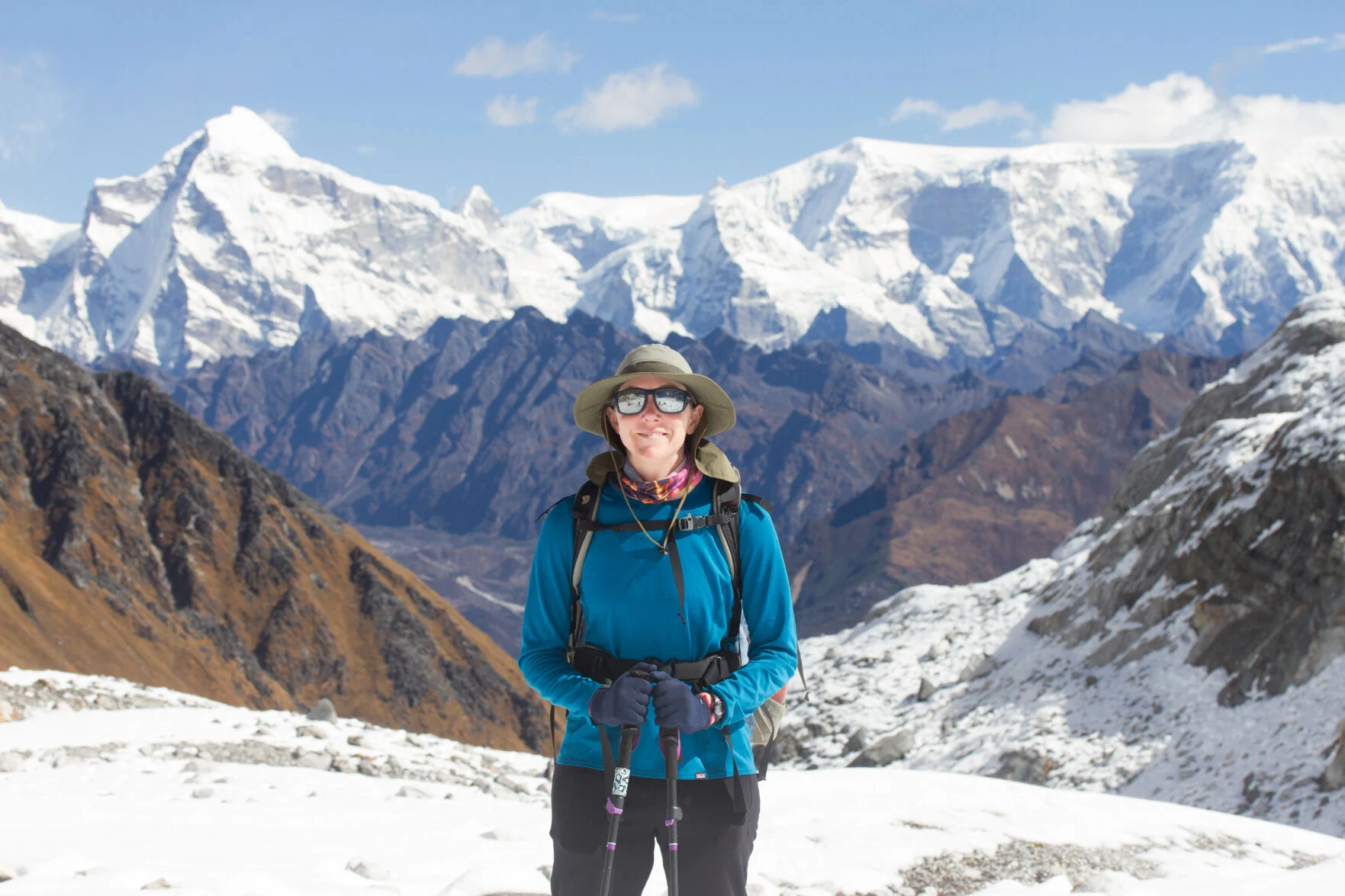
That connection extends to UTEP research, including geology professor Marianne Karplus’ work on glacial hazards in the Himalayas.
“I’ve been very grateful to be partnering with the local scientists there, trying to support their work and really address some of the challenges that they see for their communities,” she said.
Her mind has been on colleagues and people of that region going through another deadly natural event.
“It’s just so hard to see that type of disaster, any disaster really, impacting those communities,” she said.
About 60 Bhutanese students attend UTEP, along with a number of students from Nepal who have ties to the flood-ravaged villages.
“I’m very concerned about the people who have lost their lives, homes and are still in the dangerous area,” Giri said.
None of his immediate family members live near the affected area, but he has close relationships with people whose family members are missing.
“Some of my friends from Nepal are here in El Paso, and their relatives and their friends who went there for a job, for religious visits, they were affected, and they are still missing,” he said.
It has been two years since Giri was able to visit his family, and he said it’s difficult to be away during a period of national trauma in Nepal.
“Nepal is my home country, and I have a very strong connection to the people and culture there,” he said. “I have family and friends in Nepal, so whenever something serious happens there, I feel very connected to it.”
Menuka Gurung, a UTEP doctoral student in rhetoric and writing, is also from Nepal and has a family member missing who is presumed to have been swept away by floodwaters.
“He is the son of one of my relatives. He worked in the hydropower station where the flood actually hit very badly. He drives the heavy machinery. He has been missing since that day, and he’s still missing,” said Gurung, who was last in Nepal during the past summer break.
She was stunned when she first saw the images of the muddy waters rushing over villages in her home country.
“It was beyond words. I thought it was made by AI because it was so unbelievable,” Gurung said. “It was like a disaster movie. Then I came to know that it was real. It is very tragic.”
So far, about 1,200 people are confirmed dead in the Nepalese flooding, with more than 4,000 still missing and about 20,000 homes damaged or swept away.
Studying glacial hazards
UTEP geology professor Marianne Karplus has spent decades visiting and researching the Himalayan mountain range where the floods have devastated mountain villages. She has been visiting the region since beginning her doctoral work 20 years ago and was in the area twice last year. She plans to return in a few weeks.
Karplus recalled watching news footage of the floods “in shock and horror.”
One graphic scene, showing a mountain watchtower being pulled down by rushing waters, brought the tragedy home for her.
“I’ve actually been to that border station. I was working there in 2015 and 2016,” she said from her UTEP office Thursday.
Her visits are part of an ongoing study in Bhutan, about 60 miles from Nepal, where she has been researching ways to detect and lessen the impact of glacial floods on rural mountain villages.
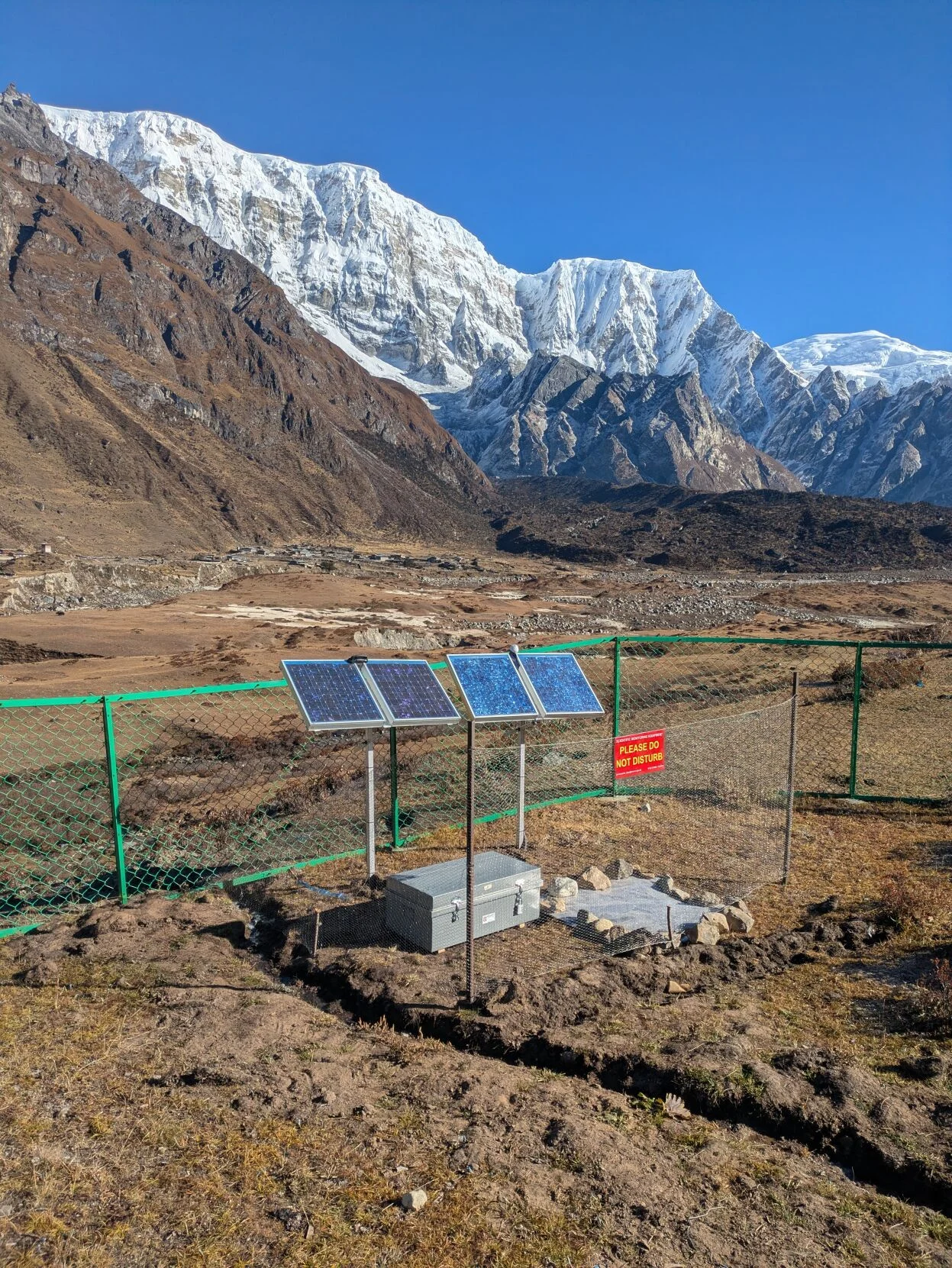
“We have been working in Bhutan deploying some different types of sensors, including seismometers over the last year-and-a-half to two years,” she said, referring to gauges that measure ground movements, like earthquakes, falling rocks and landslides.
“The goal of the study is basically to understand better the glacial hazards and glacial-outburst flooding hazards” in that region, Karplus said.
Experts believe those natural phenomena contributed to the flooding.
“There are similar hazards across the whole Himalaya mountain range,” she said.
Karplus’ scientific goals are on hold as she mentally processes the damage to a region she knows well.
“There’s still a lot of work being done to rescue people,” she said. “To me, the people on the ground in Nepal are the most important. They need the support to go out and find missing people.”
Karplus’ study is a partnership between the UTEP geology department and scientists in the Kingdom of Bhutan. It is funded by a $380,000 grant from the National Science Foundation.
The study, announced by UTEP in November 2024, is a response to climate warming that is hastening glacial melting and leading to “an increased risk of glacial outburst floods, which happen when water bursts through the moraines and runs downstream,” according to the study brief.
Another key part of the study is mitigating flood, earthquake and landslide damage to the hydropower plants that line the area’s steep ravines. Fueled by rivers plunging down mountain corridors, the water has immense kinetic energy that turns power turbines and generates electricity for the region’s infrastructure.
“The floods are potentially devastating for the villages and hydropower plants that lie downstream,” Karplus said.
Since the 1980s, more than 3,600 people in that Himalayan region have been killed in floods, not including the recent tragedy, according to information published by the India Telegraph newspaper. Reuters reported in late 2023 a tally of thousands of earthquake fatalities, including the 2015 Nepal quakes that killed nearly 9,000 people.
Shortly after arriving at UTEP, Karplus and a UTEP research team visited the aftermath of the 2015 Nepal earthquake.
“Almost within six months, I was working on the earthquake in Nepal,” she said, conducting assessments of the damage, gathering data and building relationships with the people living through that tragedy.
“There are so many amazing people in the Himalaya, and very resilient communities. They have to deal with a lot. There’s a lot of challenges related to living in the high mountains,” Karplus said. “I’ve been very grateful to be partnering with the local scientists there, trying to support their work and really address some of the challenges that they see for their communities.”
Another goal of her study is the design of an early warning system that can immediately alert villages to impending floods, landslides and earthquakes.
“I’ll be going back in October again,” she said.
Karplus will meet with Bhutanese scientists and take a 10-day hike in the mountains to service the experimental data stations.
“We’re still in the middle of collecting and processing the data,” Karplus said.
The results of her study would be published “quite soon.”
As a geologist, Karplus said she has an obligation to find ways to keep people safe from natural disasters, but she added that the swift destruction of thousands of lives and buildings from the recent flood is present in her mind.
“It’s hard to ever look at any of those valleys the same way again,” she said.