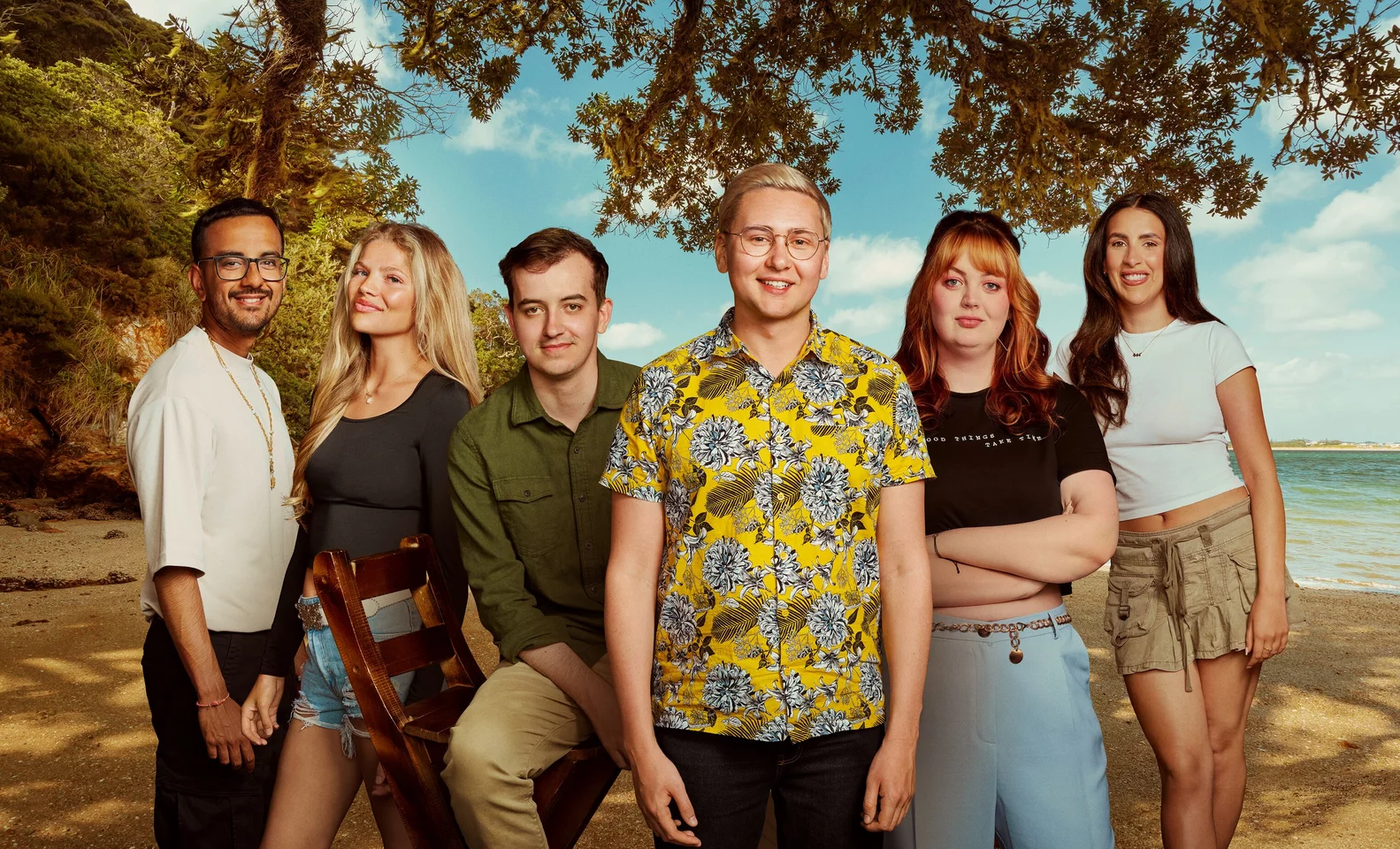
Recently, Channel 4 premiered what it hailed as a landmark social experiment, its new reality show, Virgin Island. The 6-part miniseries featured 12 participants between the ages of 22-30, who were yet to lose their virginity, and wanted to. Channel 4 sent the group to an island retreat where a team of sex therapists used unconventional methods to confront their fear of intimacy and help them on a journey of sexual exploration.
As a 28-year-old virgin myself, for religious reasons, a show like this can't help but feel like yet another example of the media sensationalising the concept of virginity and making us seem like, well . . . losers. In the opening spiel of each episode, participant Emma says, "The word virgin, people see it as a joke. It's quite upsetting." This is a sentiment echoed by the others throughout the experiment. In episode 2, the group discusses how being a virgin in their 20s has made them feel, with all agreeing that it's mostly negative connotations. One contestant even goes as far as to say, "for me it's shame, failure, [being] undesirable, weird." This is only compounded by the fact that the very first task the virgins are made to do is to present an item that represents their 'sexual failure'.
Experts Featured in This Article
Annabelle Knight is a sex, relationship, dating and body language expert, a bestselling author, sex toy expert and celebrity relationship coach.
In a study by sexual wellbeing website Lovehoney, 21% of 18-24 year olds have been called a virgin as an insult. A lot of this is down to societal views on sex and relationships, but are also shaped by the film and TV that we watch. From The Inbetweeners to Never Have I Ever, coming-of-age shows throughout the last few decades have centred characters on a quest to lose their virginity. When I was a teenager, I remember feeling like the only characters who reflected my experience of waiting to have sex were Edward Cullen from Twilight, Mercedes from Glee, and Jane the Virgin. Given that one of these films is set in a supernatural world, and another is a melodramatic telenovela, representation was few and far between.
As a 28-year-old virgin myself, for religious reasons, a show like this can't help but feel like yet another example of the media sensationalising the concept of virginity and making us seem like, well . . . losers.
"Whether we realise it or not, what we see on screen helps shape our expectations of what life should look like," sex and relationships expert Annabelle Knight tells PS. "When virginity is only ever portrayed as something to 'get rid of' it can make people who are waiting, or just not ready, feel left out or even ashamed. In reality, intimacy looks different for everyone, and is far more varied, complex, and meaningful than what we often see on screen."
In my group of friends from school, I have been the only virgin since the end of our freshers week at university, and there was certainly a pressure felt by all of us to gain sexual experience and, to be blunt, get on with it. Yet in recent years, I've noticed this is something that has changed drastically since I was a teenager. In my mid-20s, I started a barista job and found myself with a group of friends four years younger, whose perceptions of sex and relationships seemed wildly different to the pressure I experienced at the same age. In fact, three of the group were young men who didn't lose their virginity until their early 20s, and none of them seemed to be ashamed or awkward about it.
Statistically, this is to be expected, given that Gen Z are having less sex than previous generations. A study by the CDC (Centre of Disease Control and Prevention) found that less than 40% of 18 year-olds had had sex in the US, a percentage that had decreased by 15% since the '90s. In the UK, a recent poll conducted by The Times found that 62% of Gen Z participants revealed that they or their friends did not partake in one-night stands, compared to only 19% in 2004.
The reasons for the clear generational shift have been speculated upon by academics. Jean Twenge, a psychology professor from San Diego State University, attributes it to the fact that young people aren't growing up as fast as they used to. "In times and places where people live longer and education takes longer, the whole developmental trajectory slows down. And one place that you're going to notice that is in terms of dating and romantic relationships and sexuality."
Knight adds: "Young people are often choosing to take things at their own pace, whether that's because they're more focused on emotional readiness, prioritising their mental health, or simply feeling less pressure to 'tick the box' early. Social media, dating app burnout, and more open conversations around consent and boundaries have all played a role in helping people feel empowered to wait until sex genuinely feels right for them."
"Social media, dating app burnout, and more open conversations around consent and boundaries have all played a role in helping people feel empowered to wait until sex genuinely feels right for them."
On Virgin Island, the majority of participants, if not all, attributed social media and the prevalence of porn as major factors in what has delayed them having sex. And yet, the show had no interest in dealing with any of these significant social factors or virgin-shaming. Instead, it focused on the physical, with the end goal still being to lose virginity, or at least being ready to. "Phrases like 'losing your virginity' make it sound like something you're giving up, which can add unnecessary pressure or even shame. It's often treated as a defining milestone, but in reality, it's just one small part of a much bigger picture," Knight adds. Emma, one participant, is told that having her first orgasm will "make her a woman", as if sex is the defining marker of adulthood. For me, it's beyond frustrating.
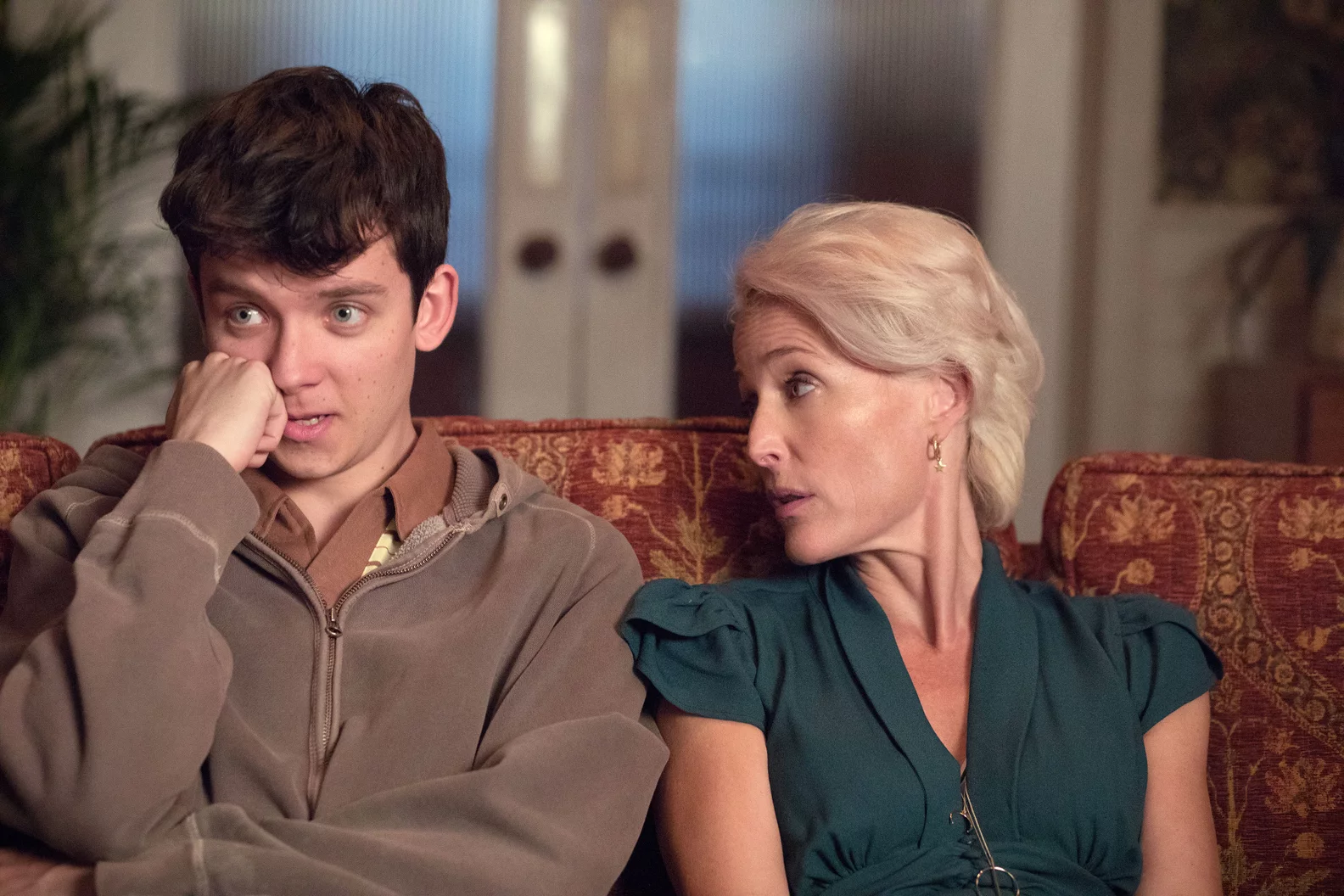
That being said, for all the show's faults, where it excels is in the vulnerability of the participants who share themselves with the viewers, giving us empathetic portrayals of what it means to be an adult virgin. Other Gen Z shows such as Sex Education or Heartstopper are doing considerably better work at showing the next generation that sexuality is a personal thing to explore at your own pace, and can't be compared with those around you.
Given that a recent UCLA report found that nearly half of Gen Z participants felt that romance and sex is overused in film and TV, it's hard to know what the future will look like. One thing I hope is that the media will show all nuanced approaches to sex, whether it's people having lots of it, or none at all, and show both of these as normal, without judgement or preconceptions.
Rehana Nurmahi is a freelance entertainment journalist. She particularly loves to write about South Asian representation in media, coming-of-age narratives, musicals, and animation.