Housing advocates in Massachusetts are decrying a new move from the Trump administration to require all people living in federally-subsidized public housing to prove their U.S. citizenship or legal immigration status.
Advocates say the move could displace thousands of people in mixed-status immigration households, even if family members have legal status since they may be fearful of sharing information with the federal government due to the Trump administration’s immigration crackdown.
"They are going to be separated, or they have to self-evict," said Zafiro Patiño, director of organizing for the Massachusetts Union of Public Housing Tenants. "That's what we are hearing mainly — that people are going to be afraid of actually revealing these documents, and they are going to self-evict."
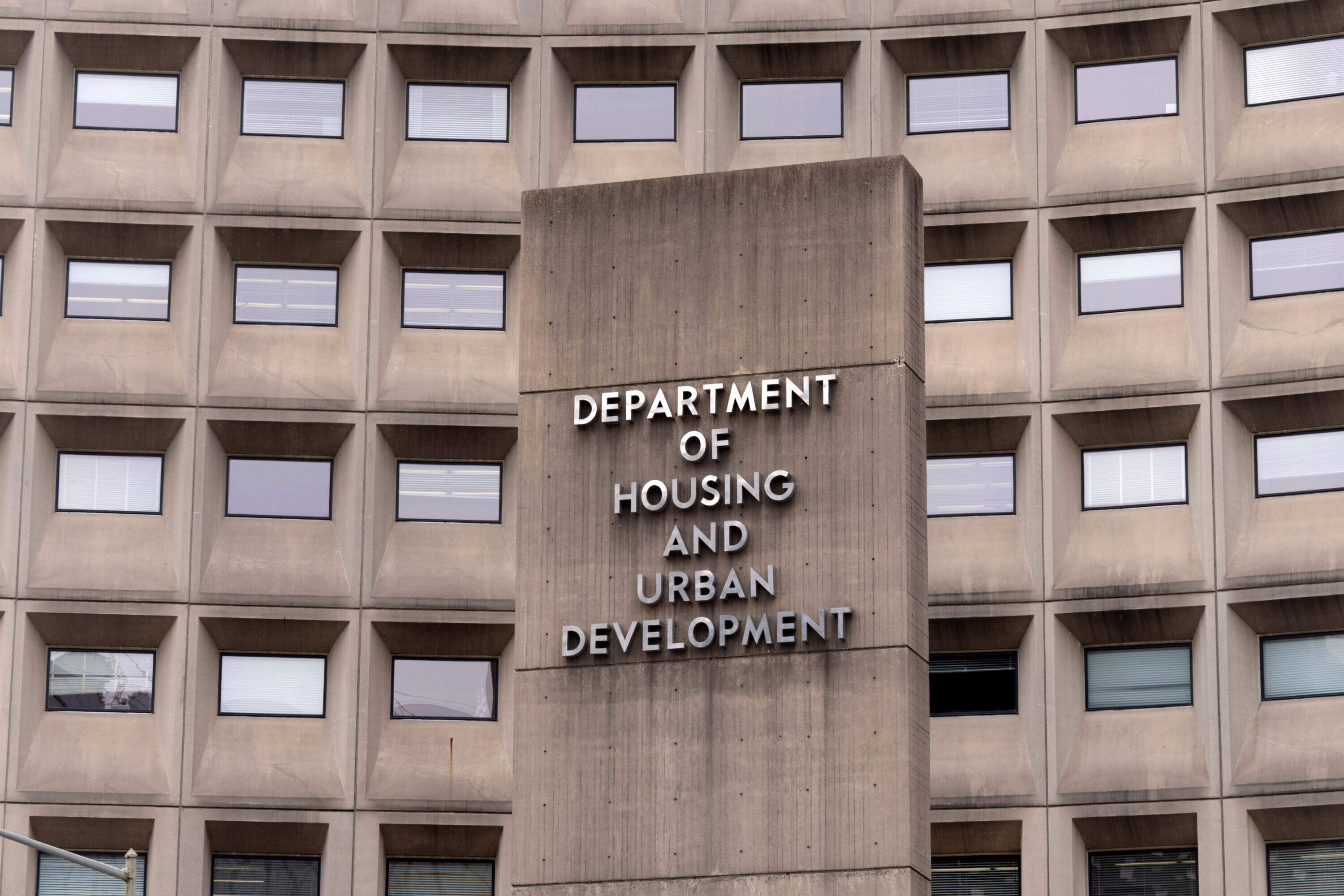
The rule, issued last Thursday by the U.S. Department of Housing and Urban Development, would require all tenants who live in federally-funded housing to show proof of U.S. citizenship or lawful immigration status. It goes into effect on Dec. 15 and tenants must submit proof of status by March 14.
Since 1995, federal policy has allowed mixed-status families to live together in HUD-assisted housing. The government only provides rental assistance to eligible family members, and families pay a higher, pro-rated share of rent.
The Trump administration's new rule would eliminate that arrangement. Advocates say it would potentially force families to choose between remaining together outside public housing or separating so eligible household members can retain assistance.
"We believe that a lot of people are going to be displaced," Patiño said. "It's very tragic because it's going to divide families."
In a statement online, Housing and Urban Development Secretary Scott Turner has said the agency is implementing the rule because it wants to ensure only citizens and eligible immigrants live in federally-subsidized housing.
It cited the long waiting lists for the housing as a reason to further inspect tenants.
“It’s unacceptable that America’s homeless veterans, disabled, elderly, and victims of domestic violence languish on waitlists while illegals and ineligibles scam our system. American taxpayers will no longer foot the bill. Promises made, promises kept,” Turner said.
The office claims it and the Department of Homeland Security audited the agency and found nearly 200,000 tenants who had incomplete or unknown eligibility verification.
The Center on Budget and Policy Priorities, a nonpartisan research institute, estimates that nearly 1,000 households in Massachusetts would be affected by the change. The center also finds Massachusetts would have the fourth-highest number of affected households, behind California, New York and Texas.
The administration had attempted to implement similar requirements in 2019 and reintroduced the proposal this past February.
A coalition of 22 state attorneys general, including Massachusetts Attorney General Andrea Campbell, sent a letter to the housing agency in April opposing the changes.
WBUR has reached out to Campbell's office and the governor's office for comment on the final rule.
Patiño also questioned whether the Trump administration has considered the financial and administrative costs of enforcing the new requirements.
The policy could also affect U.S. citizens who live in mixed-status households, particularly those who may have difficulty obtaining or submitting the required documents before recertification deadlines, she said.
The more than 180,000 Massachusetts households that receive federal housing assistance would be required to prove their citizenship or lawful immigration status under the rule.
"So many actually American citizens, they are going to be affected because they are not going to be able to recertificate on time and bring those documents," Patiño said.
Beyond the potential displacement of families, Rey Santana, president of the Mystic Tenants Association in Somerville, said the policy could add pressure to Massachusetts' already strained affordable housing and shelter systems.
“How would they get into these programs when they're already so overflown with people who have already been there,” Santana said.
With rising housing costs already a concern for many Massachusetts residents, Santana warned that forcing more people out of public housing could deepen the state's affordable housing challenges.
"Even if you're not directly affected, you're still affected by this change," Santana said.