Anecdotal evidence suggests pain sufferers are swapping opioids for medicinal cannabis, but there hasn’t been any solid proof of its effectiveness in weaning patients off the drugs – until now. Rachel Williamson reports.
Emyria and Medlab Clinical are on the cusp of releasing data they say will prove medicinal cannabis has a quantifiable effect on opioid use once and for all.
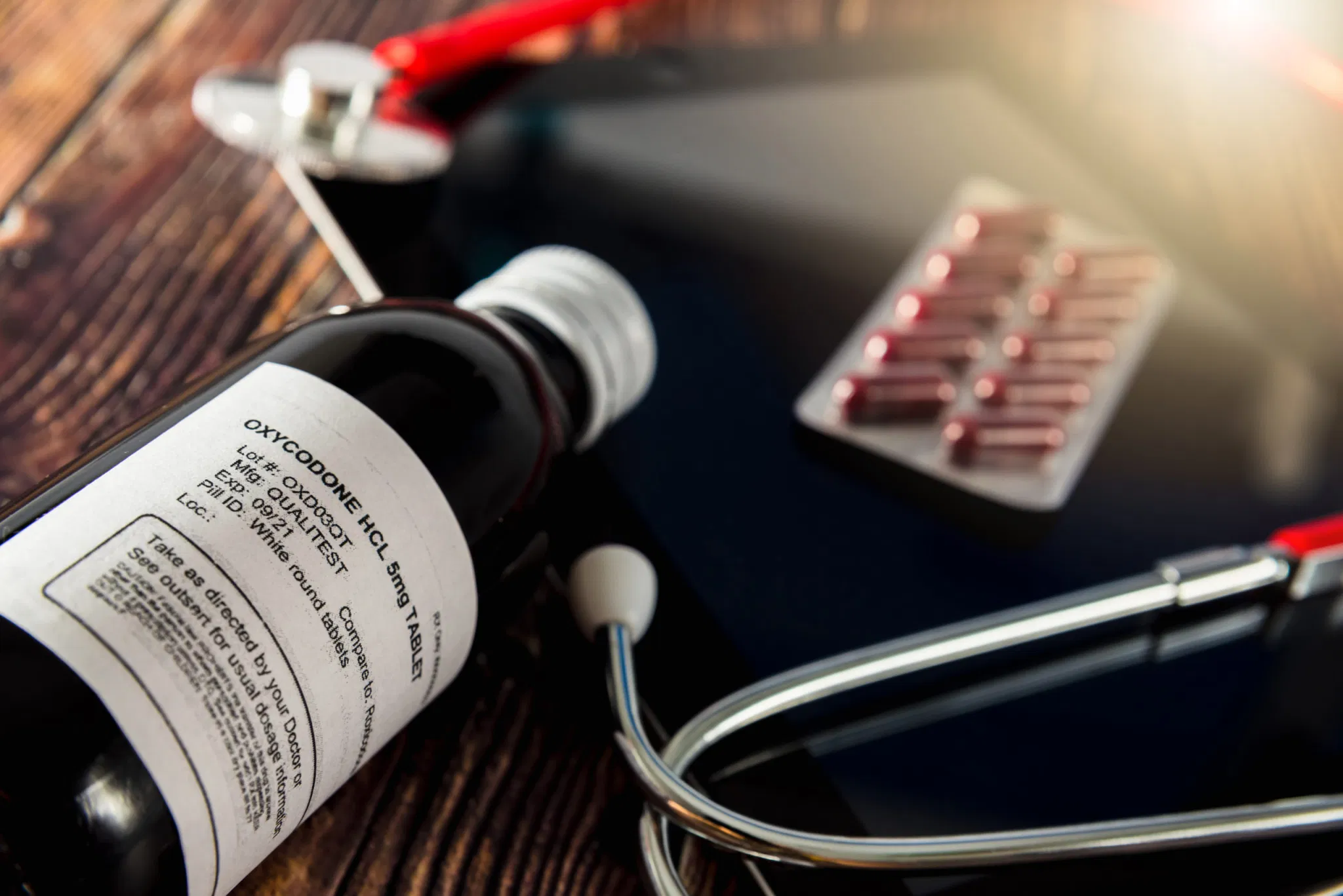
Emryia and Medlab Clinical are on the cusp of releasing data they say will prove medicinal cannabis has a quantifiable effect on opioid use once and for all.
Medlab is currently beefing up its capacity to handle a mass of data collected from 805 chronic pain patients taking between two and five different opioid medications. They have been monitored for 1 to 12 months in an ‘uncontrolled’ trial looking at real-world evidence of opioid users and the company's Nanabis treatment.
CEO Dr Sean Hall said the trial has a strong cohort of patients on a range of dosages with "big and meaningful numbers showing an opioid sparing effect". Adding Nanabis to the medication mix "can reduce the total amount of opioids originally prescribed", he added.
Hall said Medlab has evidence to show patients can come off some medications around four days after starting on Nanabis. The company published data in April showing the treatment can bring down pain levels by 55%.
"We're seeing opioid sparing and, depending on the patient and the disease state, it can be an early or a late experience,” added Hall. “We believe we have a very strong signal to say Nanabis can be a viable opioid alternative. We are seeing the ability to positively change MMEq (morphine milligram equivalent) in patients."

Medlab's upcoming real-world data follows a clinical study last year at Sydney’s Royal North Shore Hospital, which examined whether Nanabis could be used by people suffering pain from various types of cancer.
The pain data for people with breast or prostate cancers with bone metastasis was strong - a 40% reduction in pain over two weeks - but it also showed a 6% drop in MMEq, or the amount of opioids those patients were taking.
Meanwhile, Emryia's data, collated from 503 patients treated with medical-grade cannabis oil for six months, shows a pronounced "sparing" or reducing effect on people using high doses of opioids.
"They see a 33-34% decline after six months," said CEO Dr Michael Winlo.
Emyria medical director Alistair Vickery said the research cohort was made up of people with chronic pain who had exhausted conventional therapy and were taking an average daily morphine equivalent of 67mg, a dose higher than 40mg of oxycodone per day.
"Opioid medication usage and concomitant patient-reported pain scores were longitudinally examined to determine efficacy, opioid-sparing and safety,” he said.
Emyria is planning to release the full data set via a peer-reviewed paper pencilled in for publication later this year.
Opioid reduction, or sparing, has been the subject of other clinical studies in Australia, with Zelira Therapeutics completing a Phase 1 study last year. It tested full-spectrum, plant-based products for safety in treating non-cancer chronic pain, and has continued to follow the patients involved in preparation for a Phase 2 study.
Until now, the problem with research on cannabis and opioid use is that studies often conflate standardised doses of medicinal cannabis with self-reported recreational use, said Vickery.
His main bugbear is an oft-cited paper published in the Lancet which found no evidence that cannabis reduced pain or opioid use, but only asked respondents if they used cannabis and if so, how often. It did not take note of key elements such as types of consumption or dose rates.
"Systematic reviews often conflate herbal cannabis and cannabinoid-based medical products, confusing the evidence," he wrote in a paper published last year in the Internal Medicine Journal.
Why so little medical data?
The lack of data on medical cannabis and opioids is partly due to regional differences, and partly due to access.
In countries with a highly medicalised cannabis industry, like Australia or New Zealand, access to medical cannabis is limited - and expensive.
As a result, research into diseases where patients may not be allowed to use medicinal cannabis, or are disinclined to ask for it, must rely on data around illicit use, according to adjunct research fellow at Western Sydney University Justin Sinclair.
He is studying illicit and licit cannabis use for pain management in endometriosis. His data shows how difficult it can be to research legal medicinal cannabis use in a group such as endometriosis sufferers, because too few seek out legal products.
Sinclair is currently cleaning data from an international study and has so far found 72% of Australian respondents and 88% of New Zealand respondents were using illicit cannabis to deal with associated pain. Only 23% of Australians and 5.9% of New Zealanders were using medical cannabis via a prescription.
However, he insisted examining illicit cannabis use still has value.
"Such evidence is not inherently misleading,” Sinclair said. “What it is doing is informing and guiding the direction that future research should focus on as this is obviously an emerging and important topic.”
International evidence
A study of Sativex by prominent German pain specialist Dr Michael Uberall in 2020 found the mouth spray, registered in Australia to treat multiple sclerosis (MS), was also an effective treatment for neuropathic pain, particularly that felt by MS sufferers, and could be useful where opioids weren't working well.
But opioid reduction therapy is very different to opioid sparing, where people with pain reduce the quantity or replace the opioid drugs they're taking.
In January, US researchers found credible evidence that legalising both medicinal and recreational cannabis helped reduce deaths from opioid use. The data, from 812 counties in the 23 US states that allowed legal cannabis dispensaries, worked hard to control for variables such as income, education, gender and employment.
That study showed correlation, rather than causation.
But dozens of studies suggest recreational cannabis does work for opioid addicts, from staying in treatment programs to lower opioid use.
Meanwhile, the latest research from cannabis intelligence firm New Frontier Data found 68% of medicinal cannabis patients in the US reported using fewer prescription opioids since beginning treatment. (However, given the varying standards for US medicinal cannabis, in the context of Australian data studies are looking at medical-quality, GMP-grade cannabis only).
Which means it's little wonder states such as Colorado are looking to it as an escape route from the opioid addiction crisis that has gripped the country, with deaths surging to nearly 72,000 in 2019.