By Prasanthi Vasanthakumar, Institute of Corporate Directors
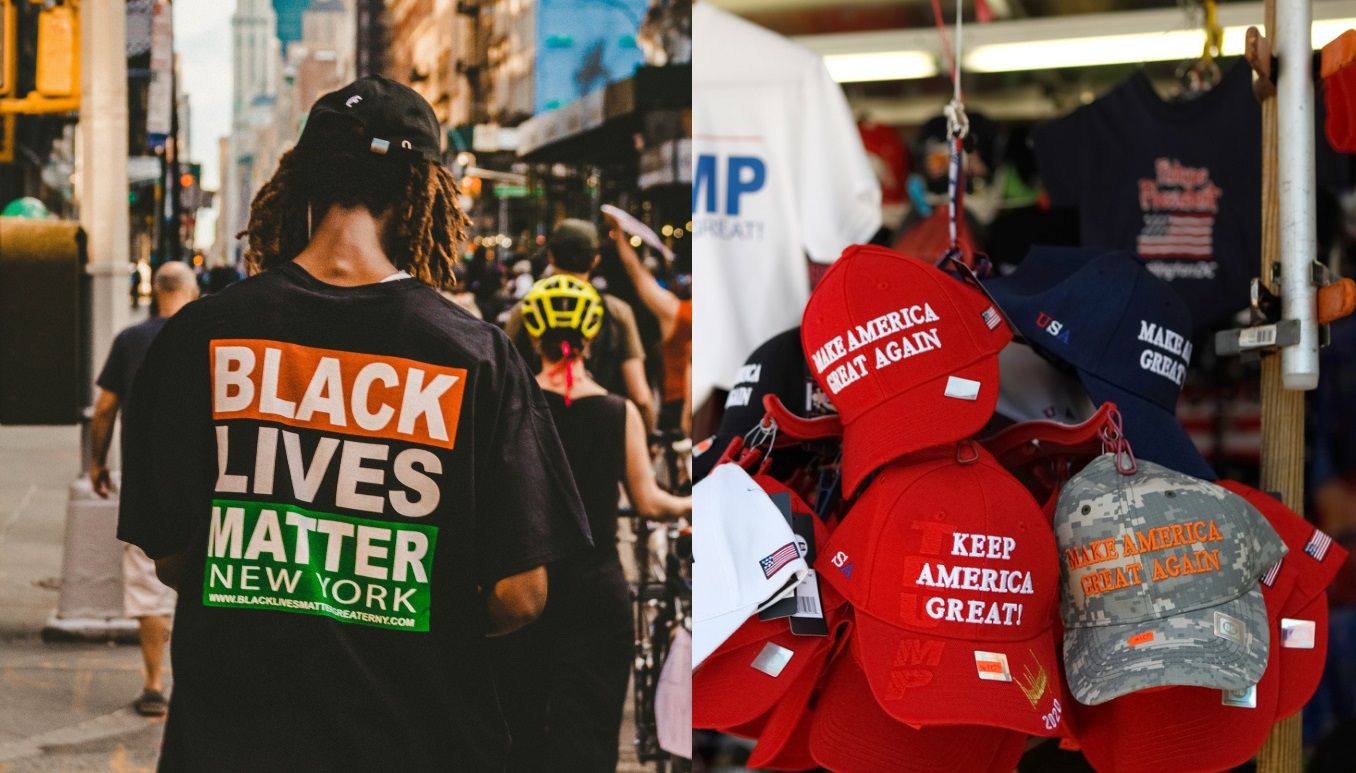
From President Donald Trump’s recent call to boycott Goodyear over its ban on MAGA hats to Starbucks’s about-face on Black Lives Matter apparel, it’s evident the rules for proper workplace attire aren’t always clear cut. For boards, this bad publicity can be a reputational nightmare. But it also underscores the tricky issue of inclusion. How do boards and their organizations define boundaries on what is and isn’t work appropriate without excluding anyone? How do we allow people to feel “authentic” at work without alienating others in the process?
Albeit in different ways, both the MAGA and BLM movements have thrown a spotlight on the importance of diversity and inclusion. In the workplace, D&I is a package deal, but inclusion often gets left out because it’s harder to do well and more difficult to measure. However, an organization can’t reap the benefits of diversity without inclusion because diverse viewpoints need an inclusive environment to flourish. If people feel comfortable speaking up, innovation, collaboration and engagement all fare better.
Unsurprisingly, not everyone feels included. A recent survey of 4,000 U.S. employees finds that white men report the highest level of inclusion, with 78 per cent saying they feel free to be their authentic selves at work. In contrast, many minorities feel inauthentic at work due to pressures to conform to organizational views and values, which leaves them feeling unsupported, disengaged, less committed to their jobs – and more likely to leave.
But when an organization gets inclusion right, the results can tell a very different story. One survey of large global companies finds that when senior leadership champions D&I, about 40 to 50 per cent of employees feel more creative, included and likely to stay.
Inclusion starts with the board
Boards can foster a culture of inclusion by setting a good example for the CEO and the rest of the organization. Directors may consider asking these questions:
How diverse is your board? One is the loneliest number. Single diverse directors tend to self-censor, which means their potentially distinctive contribution goes unheard. Greater diversity creates a feeling of safety in numbers because everyone is different.1
Is your boardroom inclusive? A board chair who is genuinely curious about different perspectives can get the best out of all voices around the table. He or she may carefully divide airtime at meetings and draw out quieter members, remove bias through training, avoid language that unintentionally highlights who’s in the minority, show no tolerance for hostility, and encourage safe and open debate on uncomfortable topics.2
Have you done your research? Directors can educate themselves on how systemic inequities and the potential for bias, both conscious and unconscious, can show up in an organization’s talent management. Gauging how COVID-19 has disproportionately affected women and minorities, as well as elderly groups and people with disabilities, is also important. Understanding these issues can help leaders exemplify inclusionary behaviours that create a better culture for all, especially in these challenging times.
Is inclusion on the agenda? When board members habitually ask management for details about efforts to improve inclusion, it’s more likely to be on the CEO’s radar. With an ever-increasing war for talent, boards will also want to make sure their organizations are not losing the human capital they need, due, even partially, to a lack of inclusivity.
Making inclusion a reality
The CEO is ultimately responsible for delivering concrete results that make for an inclusive work environment. On this journey, he or she may wish to review a number of questions: Are structures and policies that create an inclusive workplace widely shared and followed within the organization? Are mentoring and sponsorship programs available to support the needs of diverse talent? Is inclusion actively measured using tools such as employee surveys and exit interviews?
For many senior leaders, fostering inclusion may come with a significant transformation – one that goes well beyond changing the workplace dress code. But as Goodyear and Starbucks learned, there are no easy answers when it comes to inclusion – and missteps can have serious repercussions.
Sources
1,2 Driving diversity and inclusion—the role for chairs and CEOs
Originally published in the Director Lens Communique by the Institute of Corporate Directors.