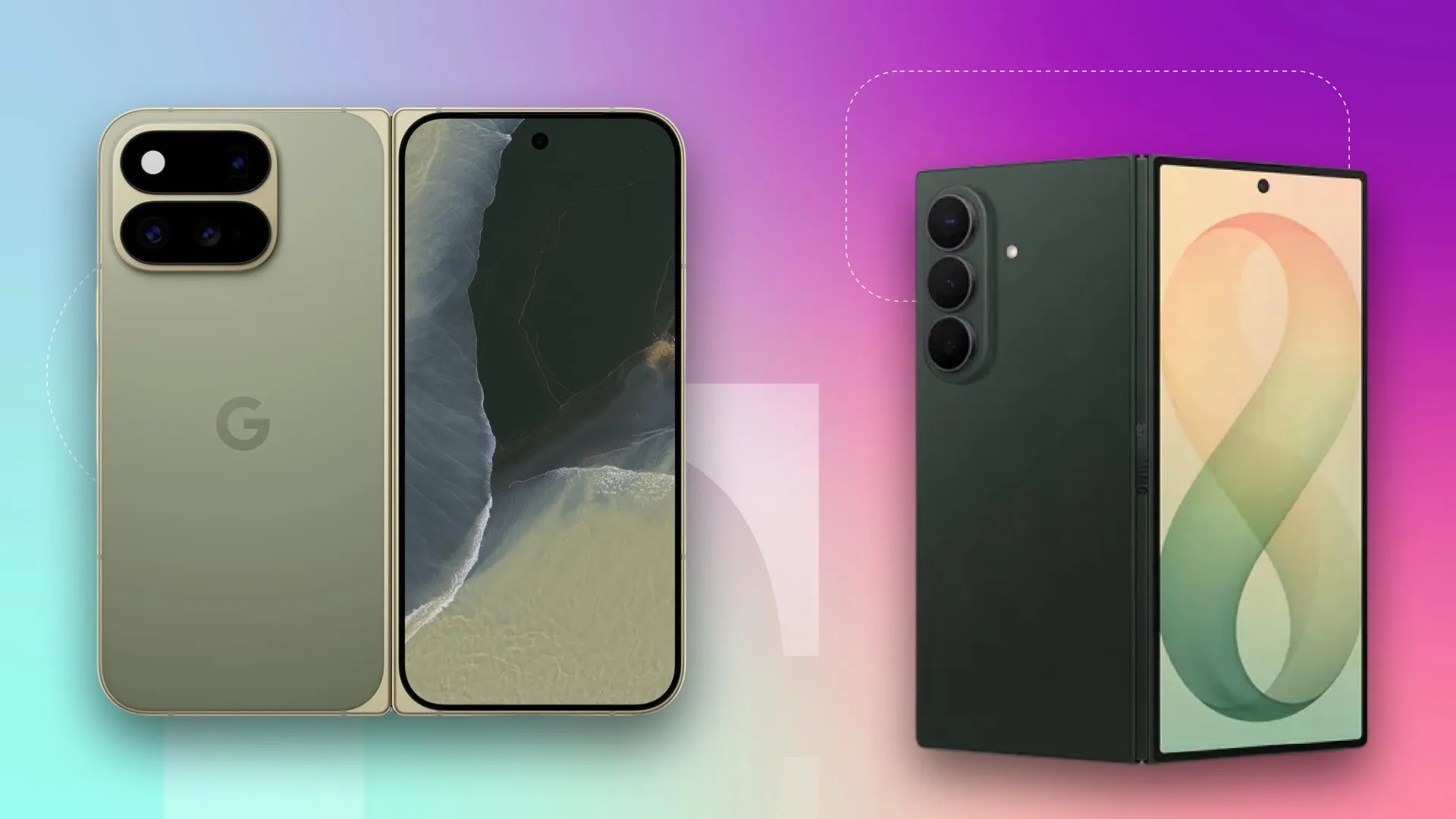
In the last three weeks, we’ve seen two new high-end foldables from Samsung and Google. Both phone-makers’ designs have focused on creating a more immersive experience and ease of use.
While the Galaxy Z Fold 8 Ultra is rated a touch lower than the new Galaxy Z Fold 8, it still has some nifty upgrades. The top-of-the-line Samsung foldable got a much-needed battery boost, an ultrawide camera upgrade and an anti-glare coating on the folding screen with a reduced crease. Google, on the other hand, refined its Pixel 11 Pro Fold device with slimmer bezels, a lighter design and brighter screens, but also reduced its battery capacity.
The two book-style foldables don’t come cheap, and both received a $100 price hike, with each company separately acknowledging that the RAM shortage as partially to blame. The Pixel 11 Pro Fold now starts at $1,899, whereas the Galaxy Z Fold 8 Ultra will set you back $2,100 for the base model with 256GB of storage. The Google phone is not only $200 more affordable, but also packs 16GB of RAM across all its storage variants (256GB, 512GB and 1TB). In contrast, you’ll get just 12GB of RAM on Fold 8 Ultra’s 256GB and 512GB storage models. Samsung is limiting the 16GB RAM to its $2,700 variant with 1TB of storage.
However, there are plenty of other specs to consider before looking at the price. Here’s how the new Google Pixel 11 Pro Fold stacks up against Samsung’s first-ever Ultra foldable, the Galaxy Z Fold 8 Ultra.
Design and display
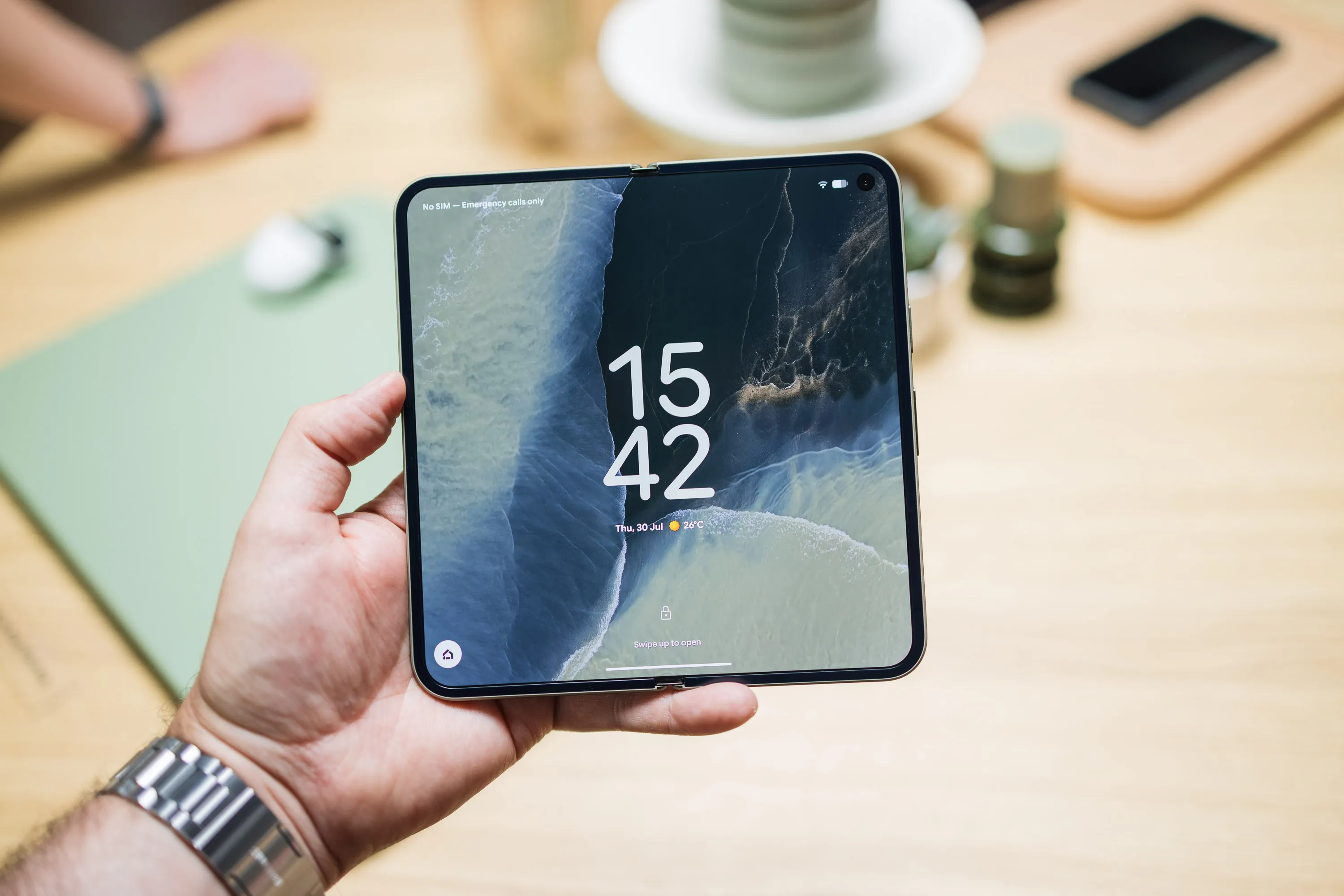
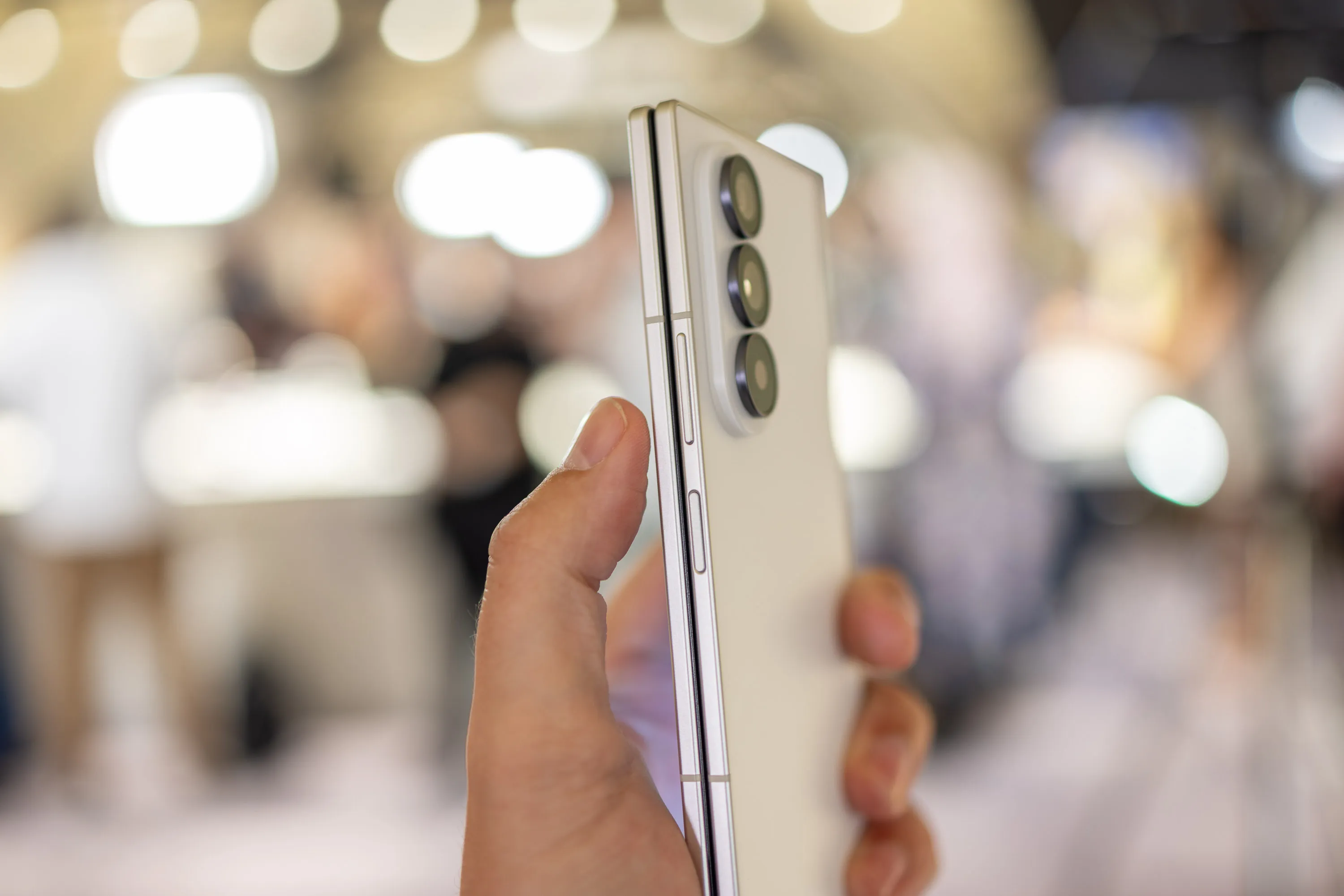
Both folding phones have similar dimensions to their predecessors. The Pixel 11 Pro Fold is lighter and slimmer than before, but it doesn’t compare to Galaxy Z Fold 8 Ultra’s astonishingly thin and light design.
Google’s phone is 10.1mm thick when folded and 5mm when unfolded. In comparison, the Fold 8 Ultra is 8.9mm thick when folded and 4.1mm when unfolded. It is also lighter at 215 grams (versus 239 grams for the Pixel 11 Pro Fold). The Samsung phone remains more comfortable to hold and use. It is also easier to open this year, thanks to subtle design improvements on the sides. However, it didn’t add magnets and still requires a supported case to add magnetic accessories. On the other hand, the PixelSnap design feature allows the Pixel 11 Pro Fold to attach magnetic accessories without requiring any additional case.
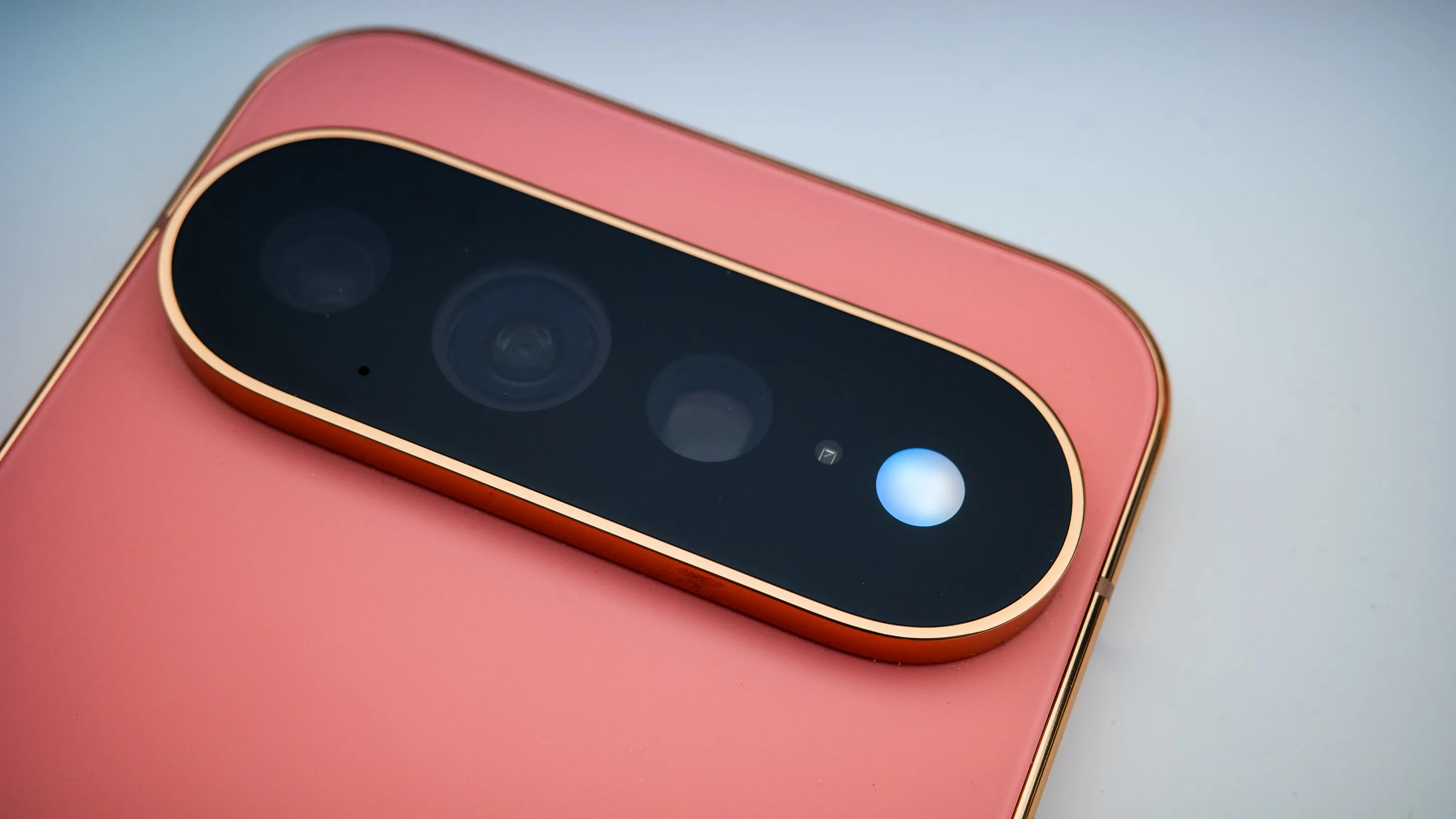
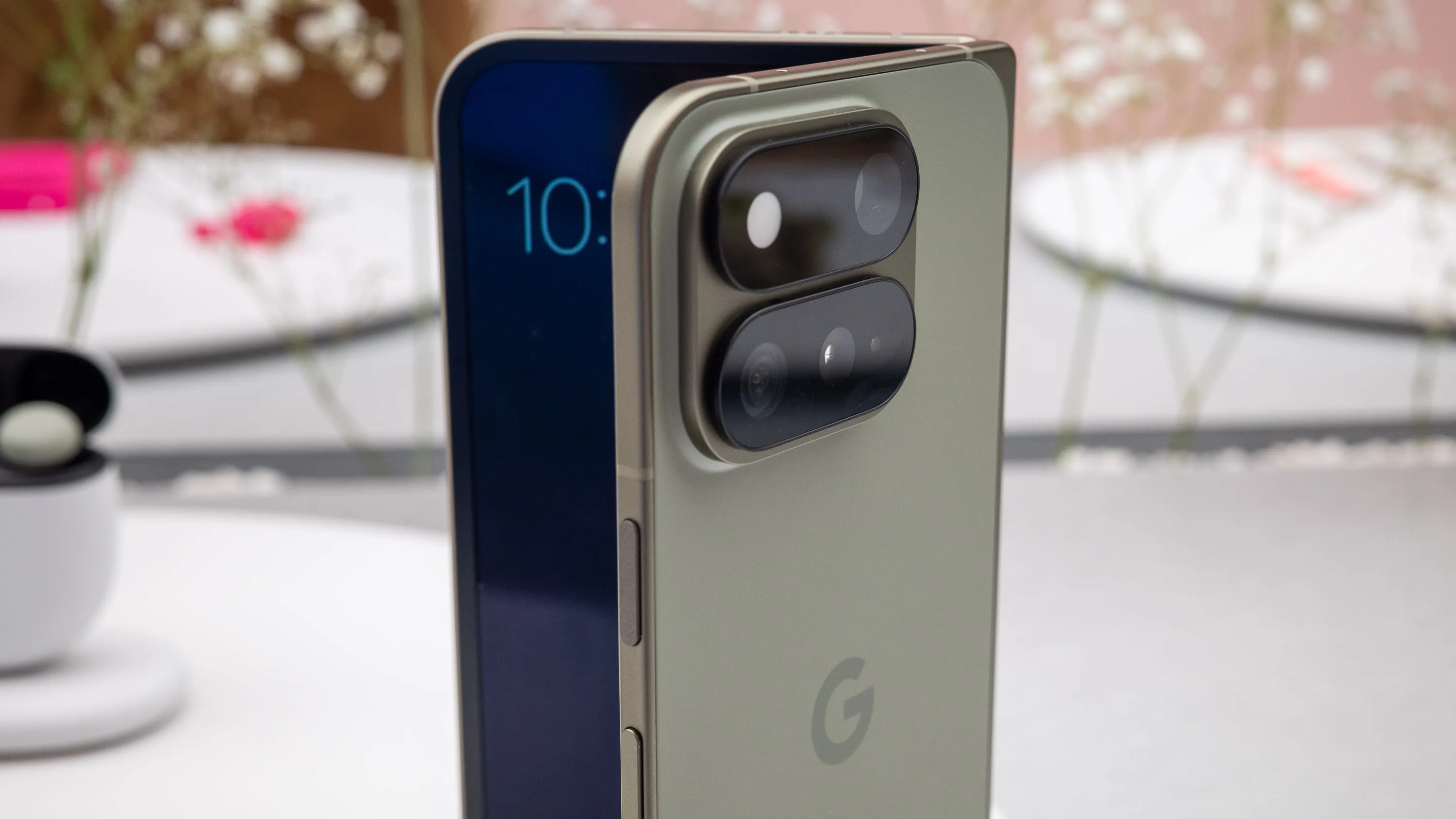
The Google foldable has a new HiLight hardware feature on its camera module, an array of ambient LED lights built around the camera’s flash. According to Google, it’s designed to “give you light-based communications on the back of the phone.” Like a notification light from phones of the past, HiLight can notify you of calls from your favorite contacts when the phone is face down. It can also act as a soft visual cue to indicate when Gemini is listening, thinking and responding without you having to look at your screen.
The Pixel 11 Pro Fold edges out its Samsung rival in durability. It is the only foldable (alongside the Honor Magic V6) to have a dust-protected design with an IP68 rating (vs. IP48 on the Fold 8 Ultra). This becomes more important on a foldable phone because its hinge is prone to attracting pocket lint and small dust particles. While Samsung says it’s confident in the Fold 8 Ultra’s design, the Pixel 11 Pro Fold is rated to protect against the tiniest of dust particles.
You get a 6.5-inch cover screen and an 8-inch folding screen on both devices. They support a 120Hz variable refresh rate and get plenty bright to be legible in direct light. However, the Pixel is rated for 3,600 nits peak brightness as compared to 3,000 nits on the Fold 8 Ultra. The difference might be negligible on most occasions, but Samsung delivers better legibility outdoors, thanks to its new anti-glare coating. It’s a big upgrade that results in better day-to-day usability.
I’m glad Google has finally trimmed down the bezels on its new foldable. It looks modern and as high-quality as other rivals. On the other hand, Samsung has minimized the crease to levels seen on the Oppo Find N6. It’s almost invisible in most lighting situations. The crease is ever-so-slightly more visible on the Pixel 11 Pro Fold than on the Z Fold 8 Ultra in a side-by-side comparison, according to CNET’s early hands-on time with Google’s foldable.
The cameras
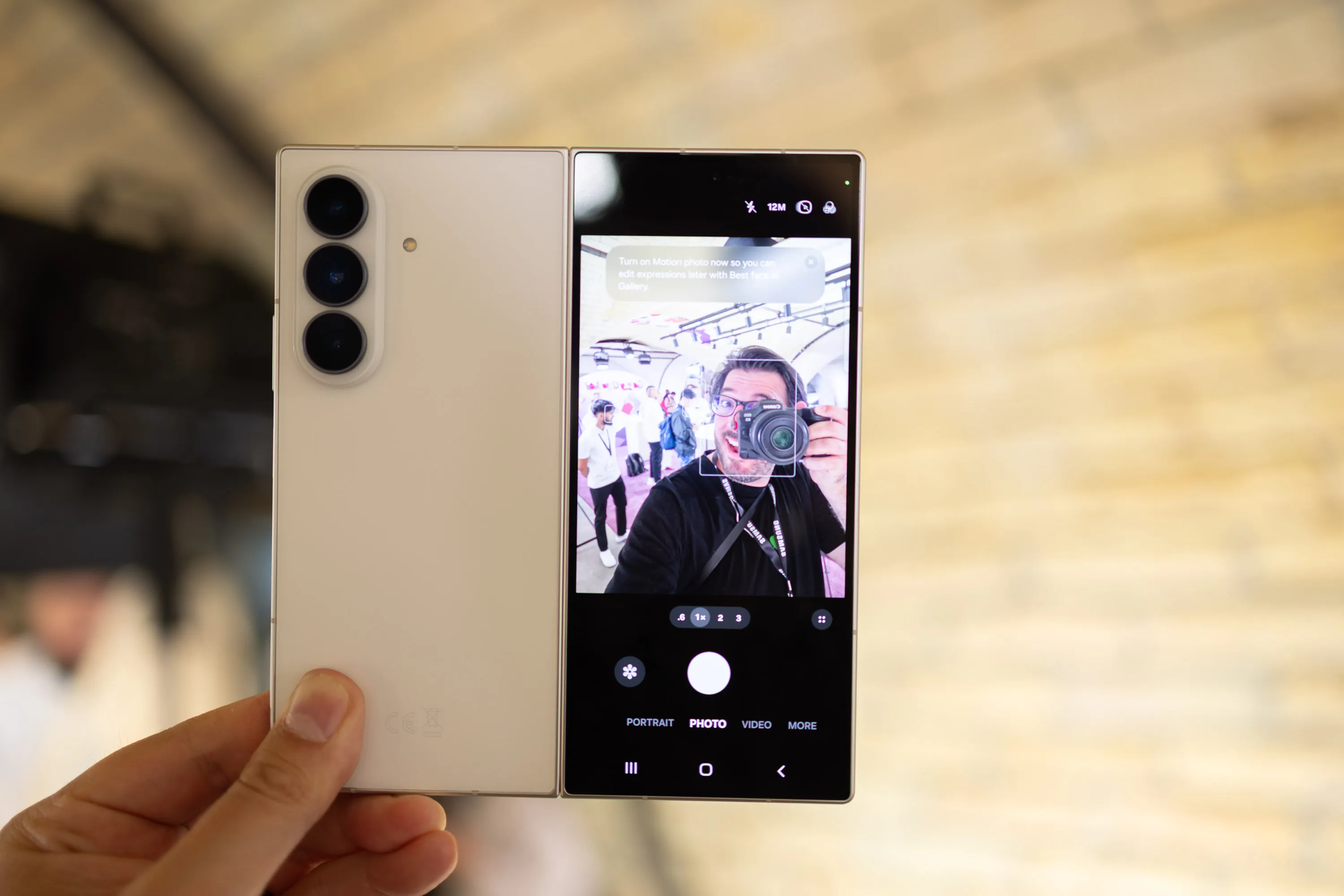
When it comes to cameras, Samsung holds the upper hand with its new Galaxy Z Fold 8 Ultra. It has a 200-megapixel wide camera, a 50-megapixel ultrawide and a 10-megapixel telephoto camera. The Pixel 11 Pro Fold, on the other hand, is stuck to its last-gen camera hardware. You get a 48-megapixel wide camera, a 10.5-megapixel ultrawide and a 10.8-megapixel telephoto. Both foldables have 10-megapixel selfie cameras on the front and inner screens.
As for videos, the Galaxy Z Fold 8 Ultra can capture video in 8K at 30 fps, while the Pixel 11 Pro Fold can record video in 4K. Samsung has also added the Galaxy S26 Ultra’s Horizontal Lock feature to its new foldable for smooth stabilization. It’s safe to say that if you want to record videos on your folding phone, the Galaxy Z Fold 8 Ultra is the way to go.
Battery and performance
Samsung delivered on the long-awaited battery upgrade with its Galaxy Z Fold 8 Ultra. This is the first time the Korean phone-maker has used silicon-carbon anode batteries in its phones, which has allowed it to pack a 5,000-mAh cell (up from 4,400 mAh on the Z Fold 7). It supports 45-watt wired fast charging and 20W wireless charging.
In contrast, the Google Pixel 11 Pro Fold has a smaller battery capacity than its predecessor. It has a 4,750-mAh cell (versus a 5,015-mAh battery). This is the first time a Google foldable has had a smaller battery than its Samsung rival. It supports 30-watt wired charging and 25-watt wireless charging. We’ll need to wait for CNET’s tests to see how it fares, but it’ll be hard to beat the Fold 8 Ultra.
Like with previous Pixel models, the Pixel 11 Pro Fold is powered by Google’s in-house Tensor G6 chipset. The Galaxy Z Fold 8 Ultra uses Qualcomm’s Snapdragon 8 Elite Gen 5 for the Galaxy processor, the same chip that powers the rest of Samsung’s premium phones released in 2026.
Check out the chart below to compare even more details about the Galaxy Z Fold 8 Ultra and the Pixel 10 Pro Fold.
Google Pixel 11 Pro Fold vs. Samsung Galaxy Z Fold 8 Ultra: Specs
| Google Pixel 11 Pro Fold | Samsung Galaxy Z Fold 8 Ultra | |
| Cover display size, tech, resolution, refresh rate | 6.5-inch OLED; 2,342×1,080 pixels; 1-120Hz variable refresh rate | 6.5-inch AMOLED; 2,520×1,080 pixels; 1-120Hz variable refresh rate |
| Internal display size, tech, resolution, refresh rate | 8-inch OLED; 2,152×2,076 pixels; 1 to 120Hz refresh rate (LTPO) | 8.0-inch AMOLED; 2,256×2,504 pixels; up to 120Hz variable refresh rate |
| Pixel density | Cover: 399ppi; Internal: 372ppi | Cover: 422ppi; Internal: 422ppi |
| Dimensions (inches) | Open: 6.1×5.9×0.2 in; Closed: 6.1x3x0.4 in | Open: 6.23×5.6×0.16 in; Closed: 6.23×2.87×0.35 in |
| Dimensions (millimeters) | Open: 155.2×150.4×5mm; Closed: 155.2×76.3×10.1mm | Open: 158.4×143.2×4.1mm; Closed: 158.4×72.8×8.9mm |
| Weight (grams, ounces) | 239g (8.4 oz) | 215g (7.58 oz) |
| Mobile software | Android 17 with Pixel UI | Android 17 with One UI 9 |
| Cameras | 48-megapixel (wide), 10.5-megapixel (ultrawide), 10.8-megapixel (5x telephoto) | 200-megapixel (wide), 50-megapixel (ultrawide), 10-megapixel (telephoto), 10-megapixel (cover screen selfie) |
| Internal screen camera | 10-megapixel (inner screen); 10-megapixel (cover screen) | 10-megapixel |
| Video capture | 4K at 60fps | 8K at 30 fps |
| Processor | Google Tensor G6 | Qualcomm Snapdragon 8 Elite Gen 5 for Galaxy |
| RAM/storage | 16GB + 256GB, 512GB, 1TB | 12GB + 256GB; 12GB + 512GB; 16GB + 1TB |
| Expandable storage | None | None |
| Battery | 4,750 mAh with 30-watt wired charging | 5,000 mAh with 45-watt wired charging |
| Fingerprint sensor | Yes | Yes |
| Connector | USB-C | USB-C |
| Headphone jack | None | None |
| Special features | IP68 rating, gearless hinge, cover and internal screen 3,600-nit peak brightness, Corning Gorilla Glass Victus 2 cover and back glass, Satellite SOS, ultra-wideband chip, Qi2-certified PixelSnap, free Google VPN. 7 years of OS, security and Pixel Drop updates, HiLight, Camera Looks | IP48 rating, Corning Gorilla Glass Ceramic 3 (cover screen), Corning Gorilla Glass Victus 2 (Rear), Advanced Armor Aluminum, 5G (sub6, mmW), Wi-Fi 7, 3,000-nit peak brightness, anti-reflective display, 45-watt wired charging, 20-watt wireless charging |
| US price starts at | $1,899 (256GB); $2,019 (512GB); $2,249 (1TB) | $2,100 (256GB); $2,300 (512GB); $2,700 (1TB) |