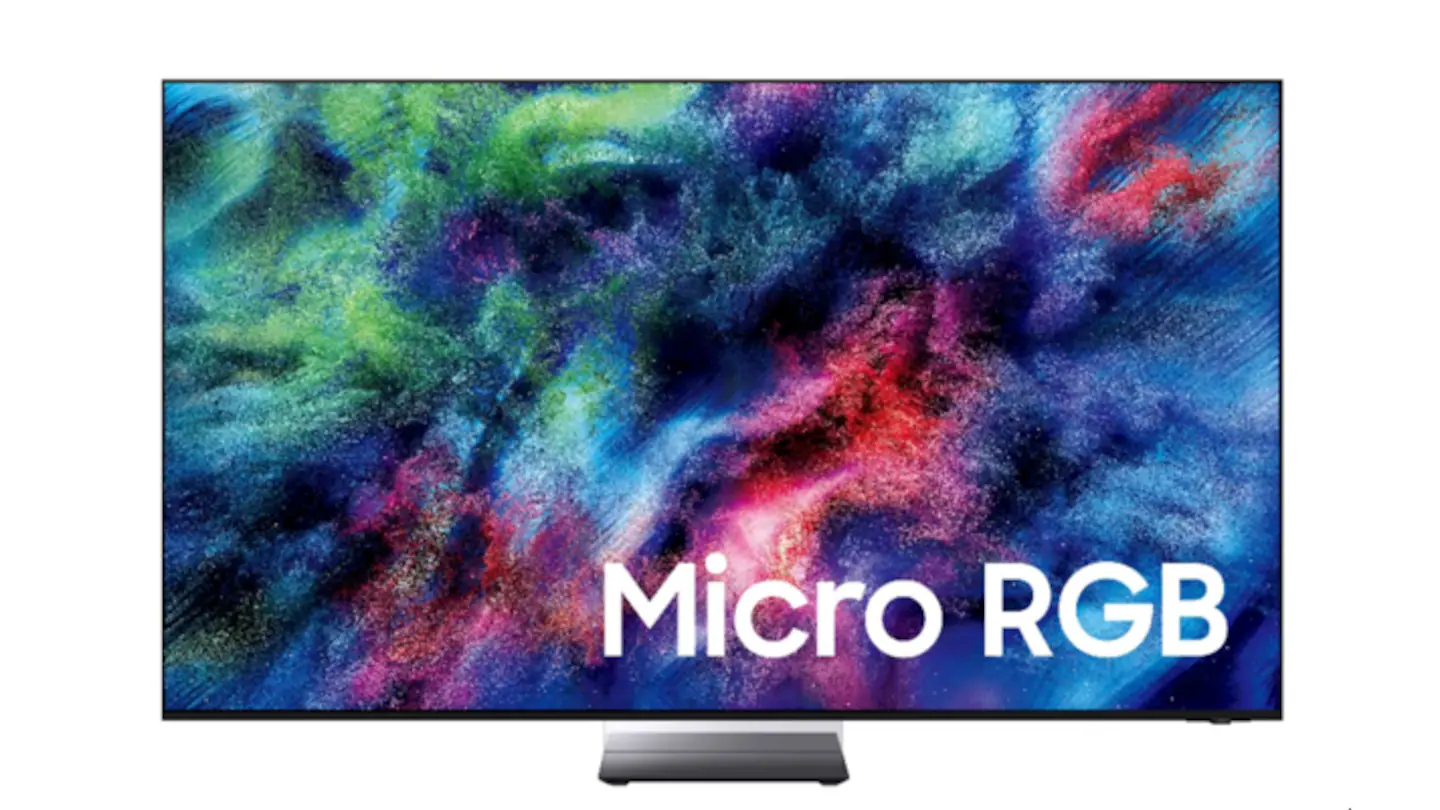
Samsung’s R95H flagship Micro RGB TV doesn’t kill OLED, but it makes you rethink what an LED‑based TV can look like when colour accuracy and high dynamic range punch are pushed to the limit.
For cinema buffs and sports fans who live on a diet of ultra-high-definition video, it’s a world‑class performer – if you’re willing to pay the high price of entry and add your own sound system.
Design and everyday usability
The R95H looks more substantial than the wafer‑thin OLEDs we’ve become used to, with a bit more depth to accommodate its complex backlighting hardware.
In practice, though, Samsung has kept the profile understated and modern, so it doesn’t dominate the living room in the way some oversized home‑cinema sets can.
Around the back, there’s the expected array of HDMI 2.1 ports, eARC, and connectivity for consoles and sound systems, and Samsung’s clean industrial design makes cable management straightforward even in a typical New Zealand lounge setup.
You don’t even need to find a Phillips screwdriver to attach the TV to its base – everything just snaps into place.
The user interface is one of the R95H’s strengths. Samsung’s latest smart TV OS is quick and logically laid out, making it feel fast and frictionless to jump from Netflix to Sky Sport Now to Freeview channels to Samsung’s own free TV channels.
Those Samsung TV Plus channels have even been running some Fifa games, which hints at a future where some casual sport viewing is baked right into the TV without an extra subscription app.
Micro RGB in plain English
Under the hood, the R95H is not an OLED TV – it’s still a liquid crystal display (LCD) panel – but the way it’s lit is radically different from the white‑LED backlights most LCD sets use.
Traditional LED/LCD TVs use white light-emitting diodes (LEDs) behind a colour filter, which is a bit like shining a torch through coloured glass. You lose some purity and punch along the way.
The R95H uses “Micro RGB” backlighting – arrays of tiny red, green and blue LEDs that can be controlled in very fine zones, combined with new focusing lenses to stop colours from bleeding into each other.
Think of it as replacing that single white torch with thousands of tiny coloured spotlights, each aimed precisely at parts of the image that need them – deep reds in a sunset, bright greens on the pitch, neon highlights in a sci‑fi cityscape.
Because each backlight can be tuned so precisely, the TV can cover almost all of the “BT.2020” colour space, which sets the standard for ultra-high-definition TVs.
It maintains impressively accurate colours in both standard dynamic range (SDR) and high dynamic range modes.
OLED versus Micro RGB
If you’ve lived with a good OLED, as I have for the last five years, you already know how seductive inky blacks and near‑perfect contrast can be.
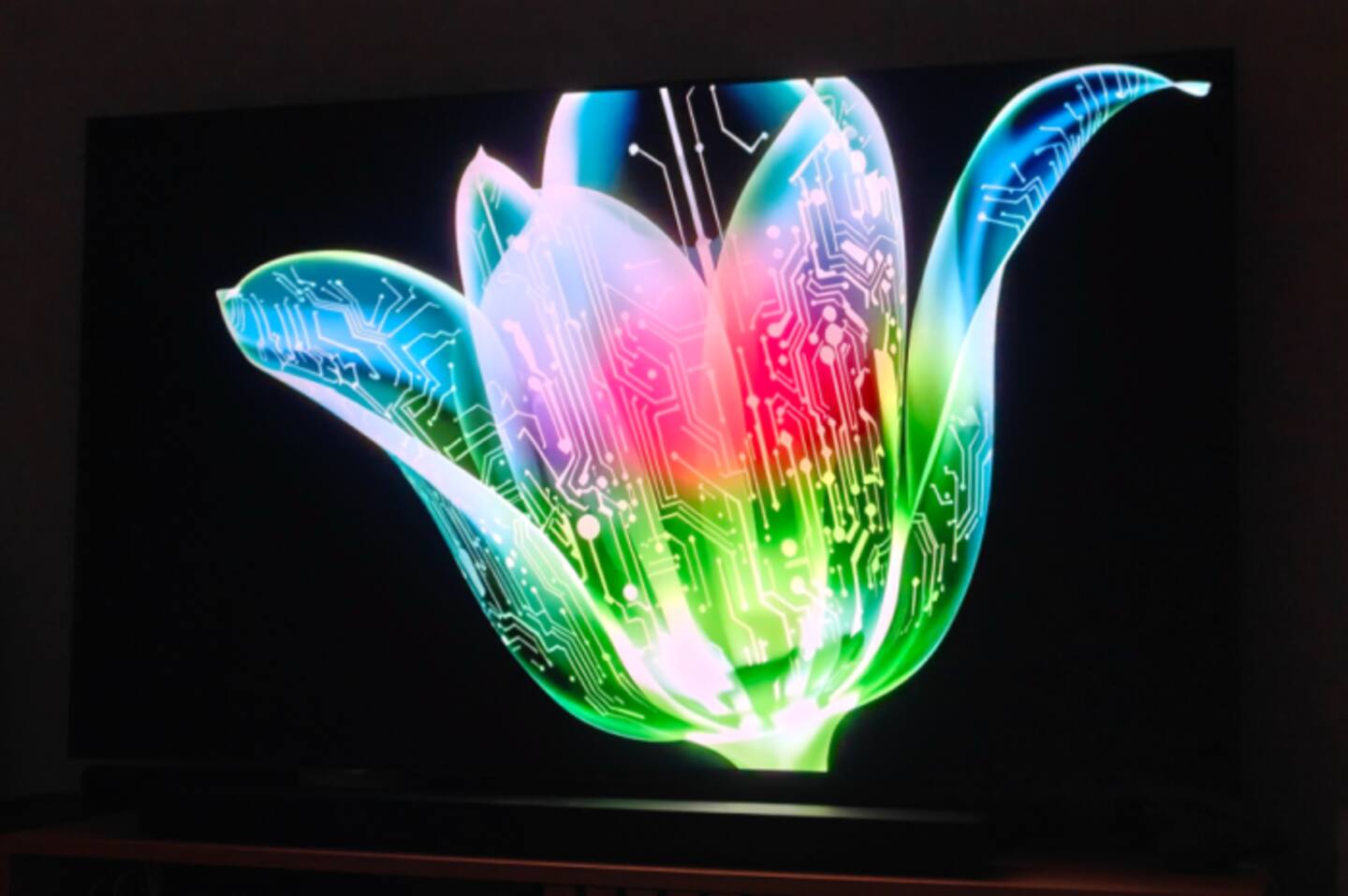
OLED still holds an edge for absolute black levels and off‑axis viewing in my book, especially in a dark, movie‑theatre‑style room. But the R95H delivers what is considered to be the widest colour range measured on a consumer TV and “perceptually perfect” colour accuracy under normal viewing conditions.
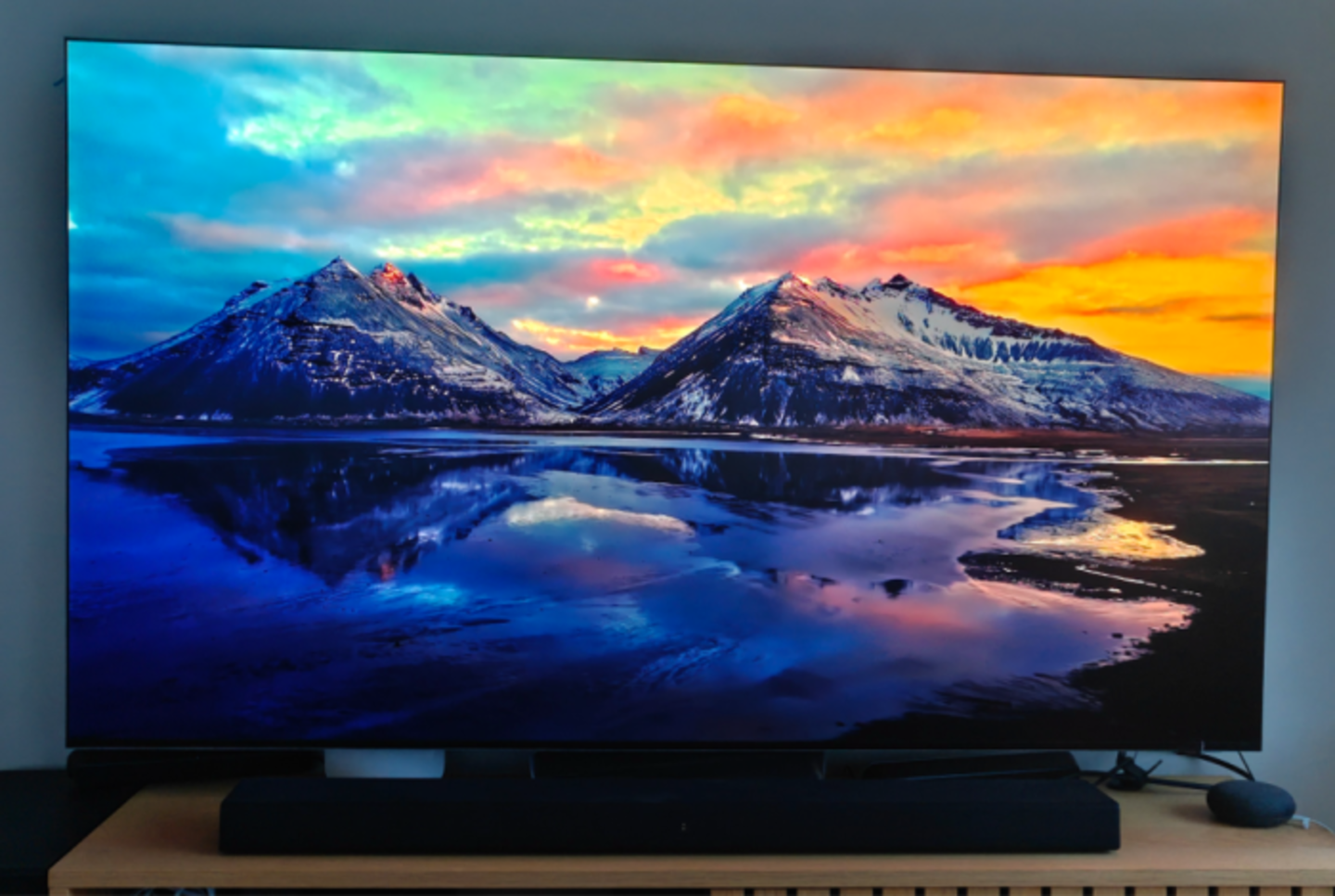
I’ve spent the last two weeks watching 4K nature videos on YouTube, and the results on the Samsung 65-inch display have been breathtaking.
There is now enough HDR 4K content spread across the streaming platforms, YouTube, Blu-ray releases and video games to make the most of this TV. It also performs well for regular TV broadcasts.
My Panasonic OLED remains stunning, but the R95H’s colours feel like a revelation.
4K HDR and daytime viewing
Documentaries and big‑budget streaming shows gain an extra dimension of vibrancy without tipping into cartoonish oversaturation – greens are lush without glowing, skin tones stay believable, and bright highlights retain detail instead of washing out.
For sport, the combination of punchy colour and high brightness is especially compelling.
There’s an AI Football Mode, which according to Samsung “analyses match scenes in real time to optimise picture and sound for smoother ball movement, vivid colour and more immersive stadium audio”.
Cinema buffs will appreciate how cleanly the Micro RGB backlight handles challenging scenes with lots of bright objects against dark backgrounds – neon signage, starfields, cityscapes – with far less blooming than older full‑array LED sets.
Combined with the generous colour gamut, that makes the R95H a genuinely exciting screen for modern HDR‑graded films, especially when viewed from a central position.
With the matte finish on the screen, you can watch a daytime rugby test or a Fifa match with curtains open and still get crisp detail and saturated jerseys.
I can’t do that with my OLED without putting the blinds down.
That anti‑glare treatment reduces reflections without dulling the image, so you get vivid colours and high contrast without the mirror‑like effect some glossy screens suffer from in daylight. For many households, the “watch anything, any time of day” factor will be as important as headline specs.
Smart features for cinema and sports fans
The R95H, like other Samsung TV models, leans into its role as a hub for both movie and sport viewing, especially now Panasonic has withdrawn from the market.
Its smart platform supports the usual streaming suspects and offers strong gaming features, including low input lag and support for high‑refresh‑rate modes, making it a versatile screen for both PlayStation/Xbox and weekend film marathons.
Samsung’s own TV Plus channels add a free‑to‑air‑style layer of content, including live sport in some regions and my personal favourite, Bloomberg TV.
Sound and price: the trade‑offs
For all its visual prowess, the R95H’s built‑in audio doesn’t keep pace. While it is competent for general TV watching, it lacks the low‑end heft and dynamic range that a screen of this calibre deserves.
For everyday viewing, that translates to underwhelming explosions, thin crowd noise, and music that doesn’t quite fill the room – particularly in larger open‑plan spaces.
Realistically, anyone considering the R95H should budget for a good soundbar and subwoofer to unlock a truly cinematic experience.
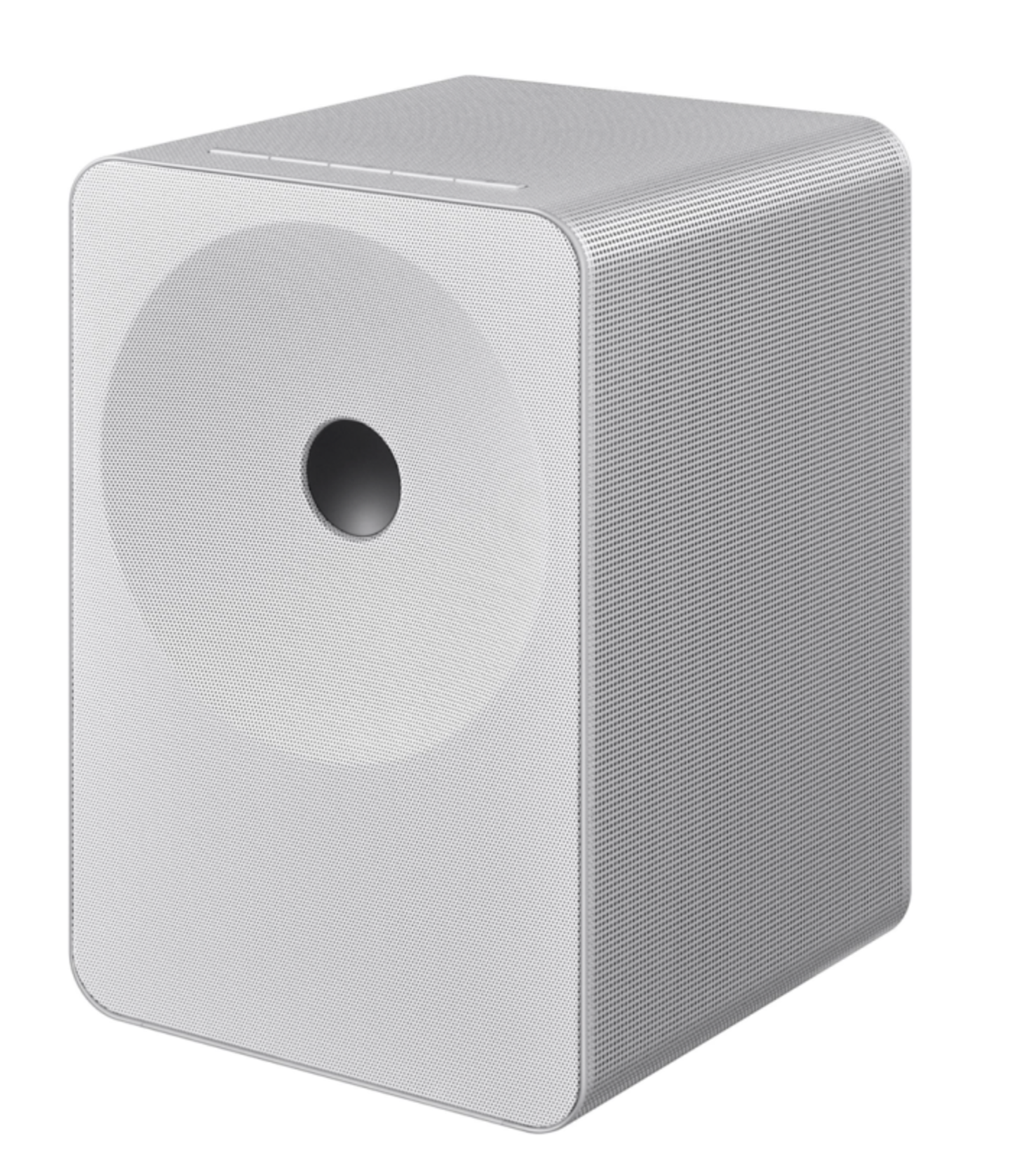
You could pair the R95H with Samsung’s Music Studio 7, a sort of 3.1.1-channel boom box that supports Hi-Resolution Audio, Dolby Atmos and Q-Symphony, which lets you pair other audio devices with it to flesh out the sound.
The Music Studio 7 looks great, but you’d really want a pair of them to balance the TV's sound. I reverted to my Panasonic Dolby Atmos soundbar for a better result.
Samsung’s new flagship soundbar, the HW-Q990H/XY ($2,500), would be the ideal complement to this TV.
Then there’s the price. The 65‑inch R95H launches at $7,799, putting it very much at the premium end of the TV spectrum, above many high‑end OLEDs and mini‑LED sets.
There’s no 55-inch version of this flagship TV, which is clearly targeted at enthusiasts rather than casual upgraders – the kind of purchase you justify because you spend a lot of time watching films and live sport and want something that remains impressive for years.
My dream, for years, has been to set up a home theatre room with an ultra-high-definition projector for movie nights.
Now I’m thinking a wall-mounted 85-inch version of R95H (RRP $15,500), once it's dropped back a bit in price as the year progresses, would be the ultimate home cinema experience.
That’s a lot to drop on a TV, but if you prize cinematic glory as I do, the payoff would be huge. I can at least dream.
Verdict
Samsung’s R95H is an impressive second-generation effort (its Micro RGB range debuted last year) at mainstream Micro RGB TVs and a compelling alternative to OLED rather than a replacement.
You’ll potentially get more bang for your buck in Samsung’s OLED range a bit further downmarket as well as in smaller-size formats.
But the R95H’s colour accuracy, wide gamut and daylight‑friendly matte screen make it one of the best options currently available for 4K HDR cinema and sport, especially in bright living spaces.
The trade‑offs? You accept a slightly bulkier chassis, some off‑axis limitations compared with OLED, underwhelming built‑in sound, and a hefty price tag – in exchange for genuinely world‑class colour and HDR performance.
An impressive debut here of a new TV format with huge promise.
Price: 65-inch Micro RGB R95H $7,799 (65-inch), Music Studio 7 ($850)