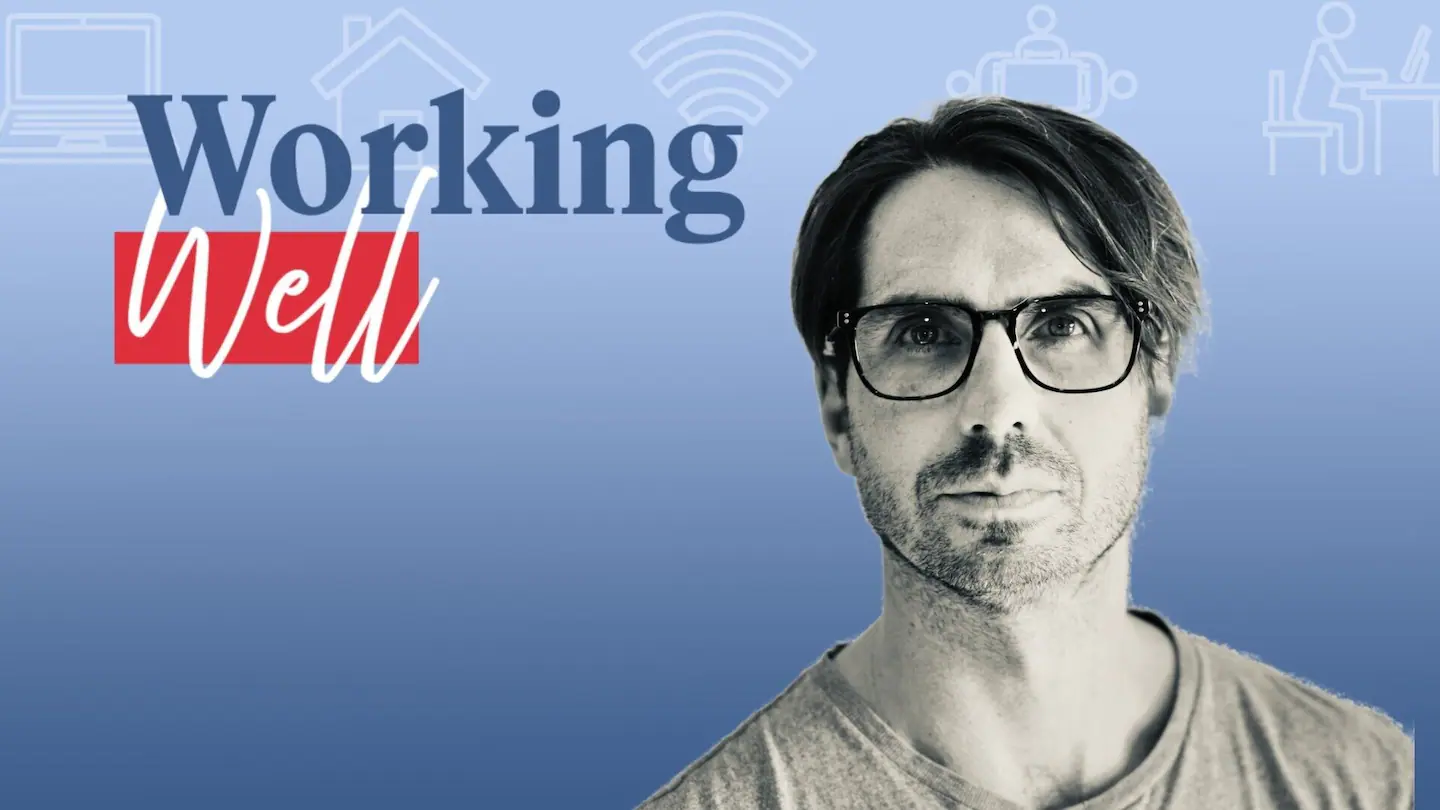
Sean Versteegh says support must be built into restructures.
A smaller payroll does not automatically make a healthier business.
Sometimes it just leaves fewer people carrying more work, with less trust in whoever is making the decisions. New Zealand’s economic recovery remains uneven. GDP grew just 0.2% in the June quarter, from 0.9% in March, according to Stats NZ.
Despite years of cost-cutting and sinking lids limiting workforce growth, the restructuring continues. Churn is not limited to a handful of industries. It has been widespread.
In Scitex Recruitment’s February 2025 survey of 806 New Zealand-based employees, 43% said their employer had restructured in the previous year. Six in 10 reported a restructure within two years.
The psychological strain shows in other local research. A 2024 EMA/nib survey of 1229 workers found 39% said job insecurity or restructuring had affected their wellbeing. Concern about job security had climbed from 33% in 2022 to 44%.
Living under the threat of restructuring
For workers facing another restructure, the question is more immediate than economic growth: Can I still pay the mortgage?
Clinical psychologist Sean Versteegh, co-chief executive of workplace psychology firm 3 Big Things, says prolonged uncertainty reaches well beyond the office.
“This affects our ability to feed ourselves, our family,” he points out.
Versteegh sees anxiety, disengagement and fear across public, private and non-profit organisations. In the public sector, which is facing more restructuring that could mean up to 9000 jobs cut by 2029, he says feeling underappreciated can compound the threat of losing a job.
The challenge is not to promise a painless restructure. It is to stop an unavoidable shock becoming an enduring breakdown in trust.
“I don’t think there’s any good way to restructure,” Versteegh says.
But there are less damaging ways. Versteegh’s starting point is that psychological support belongs inside the change process, not in wellbeing support offered after the damage is done.
The financial case for cutting roles looks straightforward. The psychological consequences are harder to calculate, but Versteegh argues they can undermine the savings.
“Of course, you save a whole bunch of money, but if you don’t do that change well, you lose motivation, you lose engagement, and I think you lose that commitment from people that hits your bottom line.”
The toll on those left behind
Research suggests the damage is not confined to those made redundant. A 2016 review of 39 longitudinal studies found restructuring generally harmed wellbeing, even without job cuts.
Keeping your job does not necessarily mean escaping the damage.
That makes the people left behind central to whether a restructure succeeds. They need more than reassurance that they survived. Some inevitably have to take up the slack of those who have departed. They need a workable job and a reason to believe the organisation still values them.
Versteegh says leaders spend considerable time planning what will change, but not enough thinking about how employees will experience it.
Explaining why matters as much as announcing what.
“You communicate as honestly as possible, right at the beginning,” he advises.
That does not mean sharing confidential details or pretending to know decisions that have not been made. It means acknowledging uncertainty without dressing it up in euphemisms.
Consultation needs substance, too. Employment New Zealand says employers must give affected employees time to respond, including suggesting alternatives, and consider their feedback before deciding.
The role of middle managers during change
Listening is not the same as agreeing. But asking for input after everything is settled only makes consultation feel hollow. Good intentions alone will not rebuild trust.
Middle managers occupy the uncomfortable space between decisions made above them and the people affected below. They may be anxious about their own futures while absorbing everyone else’s concerns.
“They’ve got one of the toughest jobs, right?” Versteegh says.
“But they’re also the ones having to front up to people and actually communicate that.”
Coaching and psychological support can help managers handle difficult questions, recognise distress and communicate without either retreating into a script or adding to the fear, he says.
Consultants can help design the process.
But they should not become a shield behind which the organisation’s leaders disappear.
After the axe has fallen
Once colleagues leave, support has to become practical. If the same tasks remain, managers need an honest conversation about priorities, rather than an instruction to do more with less.
“Okay, you’re doing more. Let’s have a conversation about how we can make that manageable.”
Versteegh’s advice is to identify what matters most and put less important work aside.
WorkSafe identifies prolonged change without proper consultation or sufficient practical support as a risk, reinforcing that the problem can lie in how work is organised.
Counselling through an employee assistance programme can help. It cannot, on its own, fix an overloaded role, muddled expectations or leadership that employees no longer trust.
Versteegh warns against making extra support the entire response.
“That’s a band-aid solution. It’s not going to create a whole lot of change,” he says.
There also needs to be room for anger and disappointment, Versteegh says, followed by a deliberate transition into the next phase. Difficult individual conversations may need privacy rather than dominating every team meeting.
The test is whether support changes employees’ daily experience, not simply whether it is available.
For any organisation about to embark on a restructure, the management should ask itself a key question: “How do we support people through this whole process in a more systemic way?”
This is editorial produced by our journalists. Southern Cross Health Insurance is a sponsor of the Working Well series but does not necessarily endorse these articles. It is not its opinion. Read more in the series as it progresses here