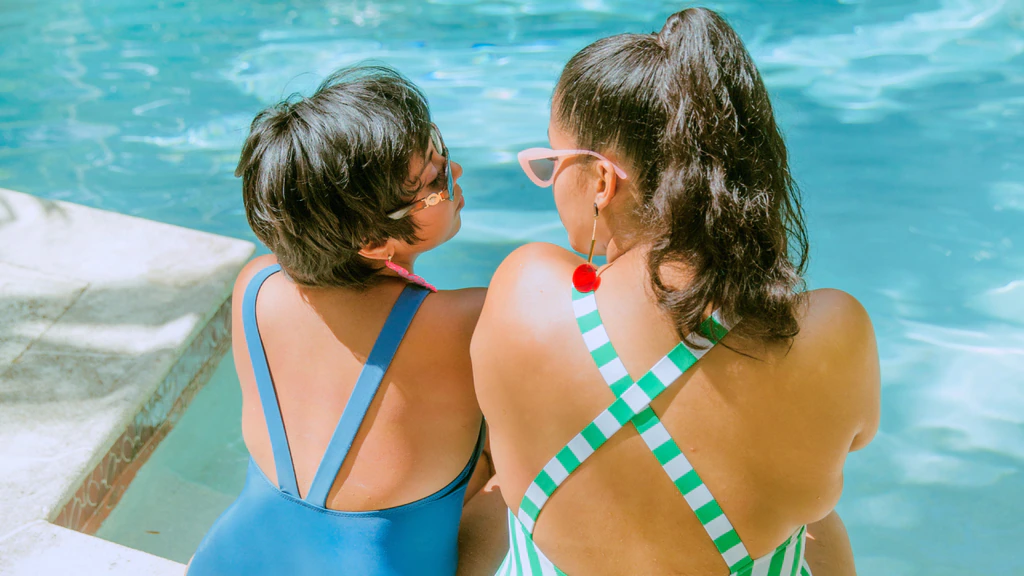
A dangerous new fad was circling on social media this past summer, reminding us that sun-safety education still has a long way to go.
As Australians, who are well aware that two out of three of us will be diagnosed with skin cancer in our lifetime, we live by the phrase “there’s nothing healthy about a tan”. Or, do we? If the past summer is anything to go by, a worrying shift evident among some Aussies proves there’s a growing knowledge gap to overcome.
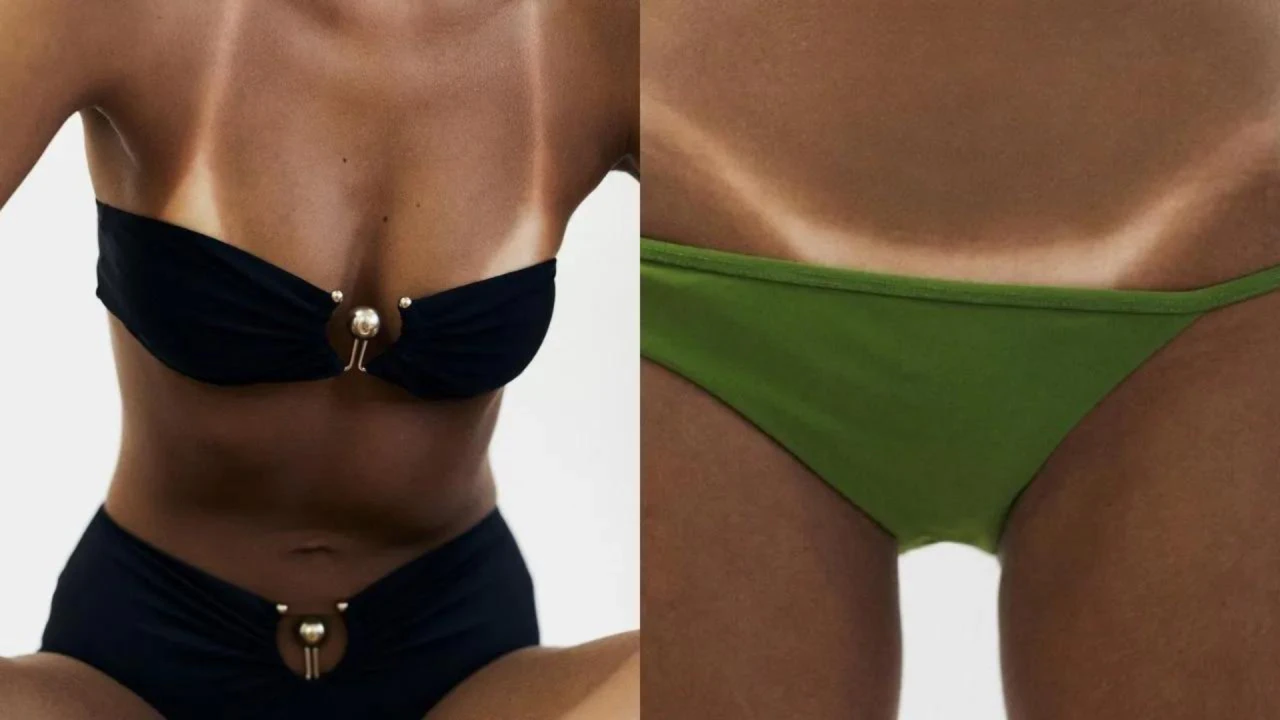
Current case in point? The tan-line check. At the time of going to print, this phrase had been viewed on TikTok more than 70 million times, predominantly perpetuated by beauty and lifestyle influencers. To the uninitiated, this concerning new trend is the act of people revealing their meticulously crafted swimsuit tan line on social media.
The simple movement test that predicts likely lifespan
The simple movement test that predicts likely lifespan
Like what you see? Sign up to our bodyandsoul.com.au newsletter for more stories like this.
To many older generations, this is a complete no-no, and a sure-fire way to accelerate ageing and encourage skin cancer.But to a growing cohort of young people, it’s (ironically) become a lifestyle status signal akin to attending a Pilates class, eating a giant salad or drinking an iced matcha latte while you journal. The deeper and darker the tan, it says, the more your life is full of free time, one of the rarest luxuries in the world. A tan line – a real tan line – also reaffirms something many young people are now chasing on social media as they reject the fake narratives of Instagram past. It says: “I am authentic.”
So what’s behind it? “There’s been a lot of talk lately about nostalgia,” explains Laura Mulcahy, director of cultural strategy at The Research Agency, noting how the tan line’s return goes hand-in-hand with the rise of Y2k fashion and beauty trends. “When we see this Y2k imagery coming back, there is also this whole air of the elite heiresses and the original influencers, like Paris Hilton and Nicole Richie.
“There is already an appetite for that kind of visual inspiration and the simple nostalgia of the 2000s,” adds Mulcahy, “so what we’re seeing is this aspirational element where young people want to emulate that cohort of women, with nothing but time to kill.” What results is a warped and dangerous dichotomy of a beauty ideal that’s not only unobtainable for most, but that could have very real and long-term implications. What isn’t being so openly spoken about, as many millennials now know, is the damage left by the sun bed and tanning oil culture of the 2000s.
Tan lines are not the only worry. In a 2021 interview with Vogue, Gwyneth Paltrow shared her less-is-more approach to sunscreen, only applying it “where the light hits”, like a highlighter. Despite criticism, the ‘sunscreen contouring’ hack has somehow stuck around through two Australian summers, and led to videos with more than 6.5 billion views, including Australian creators road testing the technique.
“In 2022, the Therapeutic Goods Administration’s regulations around how we can talk about sunscreen on social media changed,” explains Hannah Collingwood-English, pharmaceutical scientist and author of Your Best Skin. “A lot of people don’t feel comfortable posting about sunscreen anymore and, though the guidelines are quite clear, it can be challenging for some creators to talk about it in a candid way. This has made room for tanning content to fill the void.”
What’s worse is that the sheer speed and algorithmic mechanism of platforms like TikTok encourage peer-to-peer influence and unchecked confirmation bias – if enough people say it’s OK, it must be. “A year ago, people would have been shamed for that kind of behaviour,” she notes. “But now, less conversations around sun safety are happening in those digital spaces where people are spending all their time.”
Despite recent government efforts, there also hasn’t been enough continuous noise to stop tanning culture rise among young consumers. “Remember those terrifying melanoma ads that scared the crap out of us [a decade ago]? There has been little with the same impact since,” says Collingwood-English.“There’s a whole generation that has missed out on that. We haven’t scared the crap out of them. And we need to.”