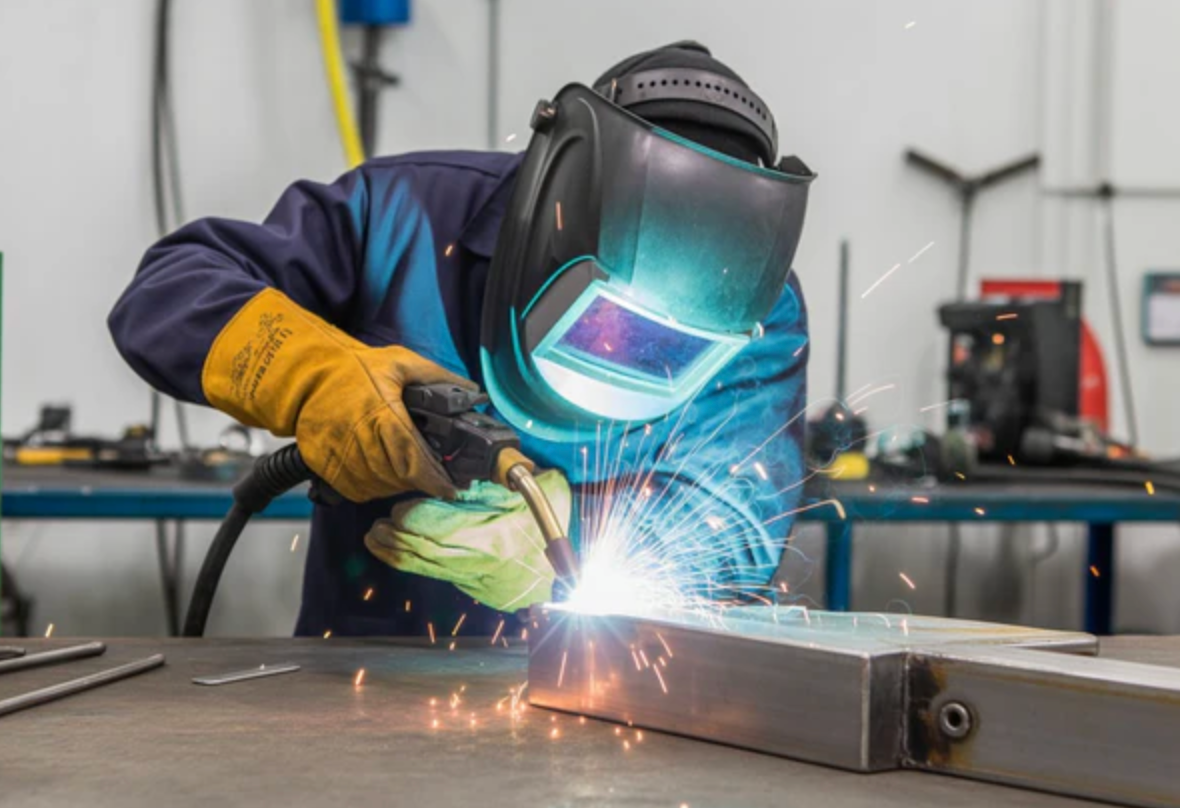
Welding plays an essential role in many industries in the United States. Industrial projects such as buildings, bridges, pipelines, and vehicles all require skilled welders. Yet even with protective equipment and strong safety measures, welding can be a dangerous profession.
Understanding the leading causes of welding injuries will help teams fine-tune their approach to protecting welders while they work.
What Are Welding Injuries?
Welding injuries are any injuries that result from welding accidents or working on welding projects. The right safety procedures and protection can protect welders from most welding injuries, but injuries are still a risk in this occupation.
It’s not unusual for welders to suffer injuries ranging from burns to electric shocks in the workplace. Welding injury statistics show that the fatal injury rate for welders is 9.2 per 100,000 full-time workers, which is around 250% of the national average fatal work injury rate.
In the best-case scenario, welding injuries are minor and heal quickly. However, even a small accident while welding can lead to serious injuries and long-term damage. If you suffer serious welding injuries, you may need to take time off work to recuperate and suffer financial hardship as a result. You may also deal with permanent physical damage or even life-threatening conditions, depending on the severity of your welding injuries.
Common Injuries From Welding
Some of the most common injuries to welders are caused by the following factors:
Electric Shock
An electric shock occurs when an electrical current from an external electricity source comes into contact with the human body. The live electricity flows through the body and causes burns, seizures, respiratory arrest, and even long-term brain damage or death.
Welders can suffer from electric shock if they accidentally come into direct contact with the live welding electrode. They also have a risk of indirect electric shock from touching welding equipment that conducts electricity. Because arc welding is a popular welding method and requires electrical energy, electric shock is one of the most common injuries for welders.
Optical Dangers
Suffering a welding eye injury is one of the biggest safety risks for welders. When you’re welding, you have to get close to hot, glowing metal, which can easily damage your eyes. The bright welding torch reflects light into your eyes, possibly leading to an eye injury from welding.
Dust from welding can also get into your eyes and irritate them. Wearing protective eyewear will help protect against the optical dangers of welding.
Toxic Exposure
Welding produces toxic fumes and gases, such as base metals and metal oxide compounds. Proper exhaust and ventilation in the environment where the welders are working should prevent injuries from toxic exposure. If you inhale welding fumes, however, they may irritate your eyes, nose, and throat. You may also experience headaches, fever, or permanent lung damage in more serious cases.
The severity of toxic exposure injuries from welding depends on:
- How long the welder was exposed to the toxic fumes
- What type of welding fumes the welder breathed in
- Whether the welder had any underlying health conditions
Toxic exposure from welding is particularly dangerous because some welders don’t show symptoms immediately. They may not show symptoms from toxic exposure until the fumes are absorbed into the bloodstream.
Fires and Explosions
Because welding arcs reach extreme temperatures of up to 10,000 degrees Fahrenheit, fires and explosions are common sources of injuries for welders. Spatter from welding can travel as far as 35 feet, so any flammable materials in the welding area pose a fire risk. A fire or explosion can lead to a variety of injuries for welders, including burns, respiratory distress, and broken bones.
To prevent fires, employers should remove any flammable materials from the area where welders are working. Materials like cardboard, paper, propane, oil, and gasoline could all catch fire or explode if placed too close to the area where welders are working. If the flammable materials can’t move, the employer should cover them with fire-resistant materials. Welders also need to know where the fire extinguishers and fire alarms are located within the workspace.
Hot Metals
Welders work with hot metals every day. Sheet metal and machine parts easily conduct heat and get hot quickly. If you accidentally touch these hot metals, you can suffer serious burn injuries. The higher the heat of the metal surface and the longer you stay in contact with it, the more severe your burns will be.
Make sure to handle hot metals with caution. If necessary, wear heat-resistant gloves to protect your hands while moving or touching hot metals.
Infrared Radiation
Welders are regularly exposed to several types of radiation, including infrared radiation from the welding arcs. Prolonged exposure to infrared radiation can cause damage to your skin and eyes. Cataracts, retinal burns, and ulcers on your corneas are all possible injuries from infrared radiation exposure while welding. Make sure that your safety gear includes infrared filters to protect you against this radiation exposure.
Loud Noises
Though loud noises may not seem overly dangerous, they can damage a person’s hearing permanently. Dangerously high noise levels are common while welding, with peak noise levels over 100 decibels. Given that prolonged exposure to noise levels over 70 decibels can start to cause hearing damage, this is a serious concern for welders.
Welders also have to worry about flying debris, which can penetrate and damage their ear canals. Both flying debris and consistent exposure to loud noises can lead to permanent hearing loss for welders.
Contact Welding Accident Attorneys To Get the Compensation You Deserve
If you or a loved one has suffered a welding accident, your next move should be to contact a welding injury lawyer for help with your case. The experienced personal injury lawyers at Roth & Roth, LLC can help you get the compensation you deserve. Contact us today to speak to a welding injury attorney about your case.