CLEVELAND —
Time to clean out your medicine cabinet
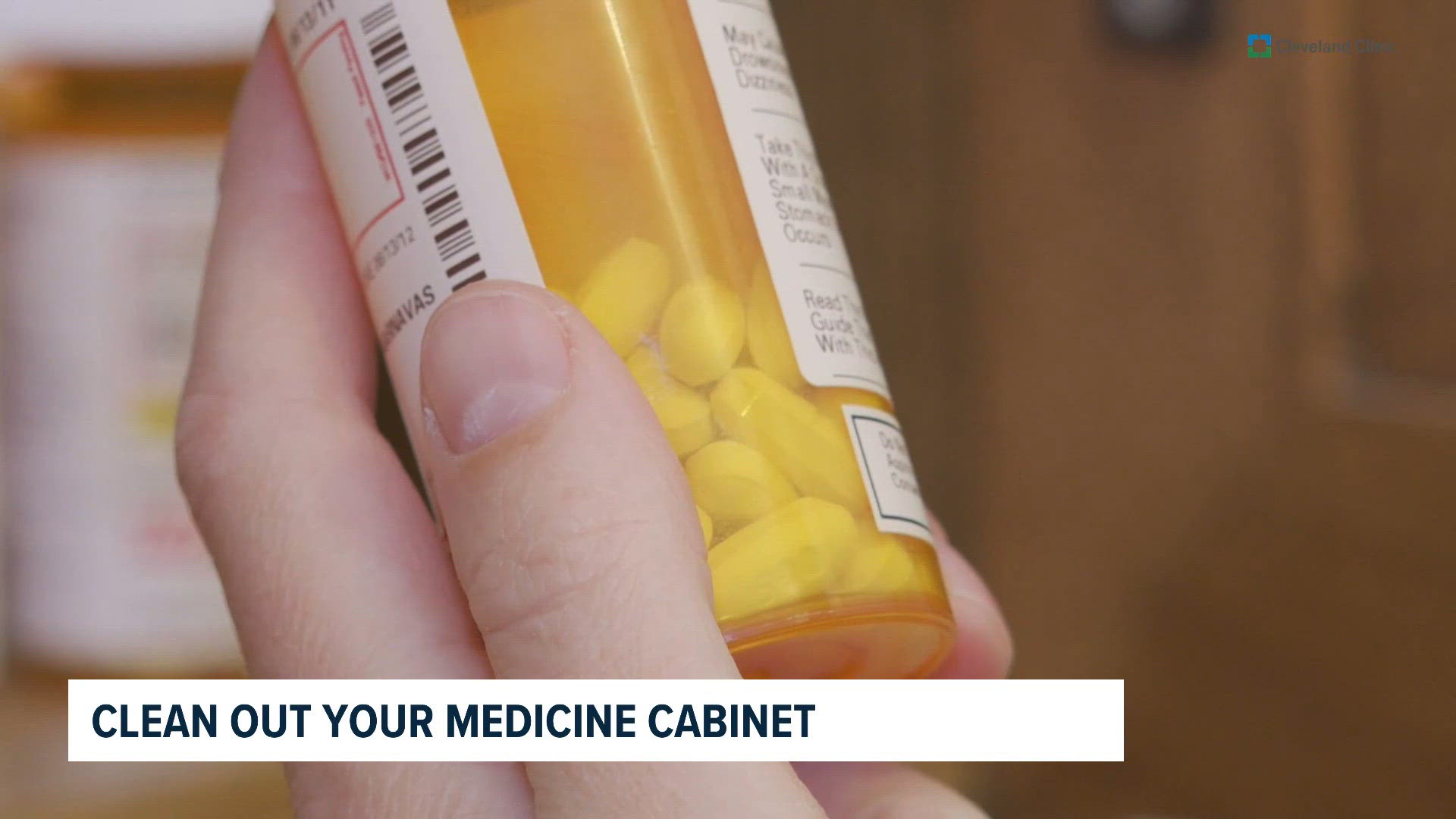
When did you last check your medicine cabinet for old drugs or products you no longer use? A Cleveland Clinic doctor says the best place to start is the expiration date on the bottle or package.
If there's no date, look for changes in color, texture or smell. Expired medicines lose strength over time, and that matters most for emergency medications such as asthma inhalers. The same goes for over-the-counter products like cough syrup.
Leftover prescriptions also raise the risk that someone else in the home takes them. When in doubt, drop them off at a designated drug take-back site.
Hearing loss linked to higher dementia risk
Hearing loss is linked to a higher risk of dementia. Experts at Cleveland Clinic say mild hearing loss doubles that risk, while severe hearing loss raises it five times.
When hearing fades, the brain has to work harder. The area that processes sound gets less use and becomes less efficient, which makes it harder to make sense of what you hear. Some people begin to pull away from friends and family, and that isolation can also raise the risk of cognitive decline.
The good news is that hearing aids may help lower that risk. If you notice a change in your hearing, ask your provider about a hearing check.
Is your desk job a pain in the neck?
Sitting for long stretches with poor ergonomics can cause problems ranging from tension headaches to back pain. Health experts say one red flag is feeling the need to crack your neck every hour.
To find relief, raise your screen to eye level. A stack of books works well for a laptop. A separate keyboard and mouse can keep your shoulders from hunching forward.
Try to keep your elbows, hips and knees bent at 90 degrees, and rest your feet on a stool if they don't reach the floor. Most important, get up and move at least once an hour.