CLEVELAND —
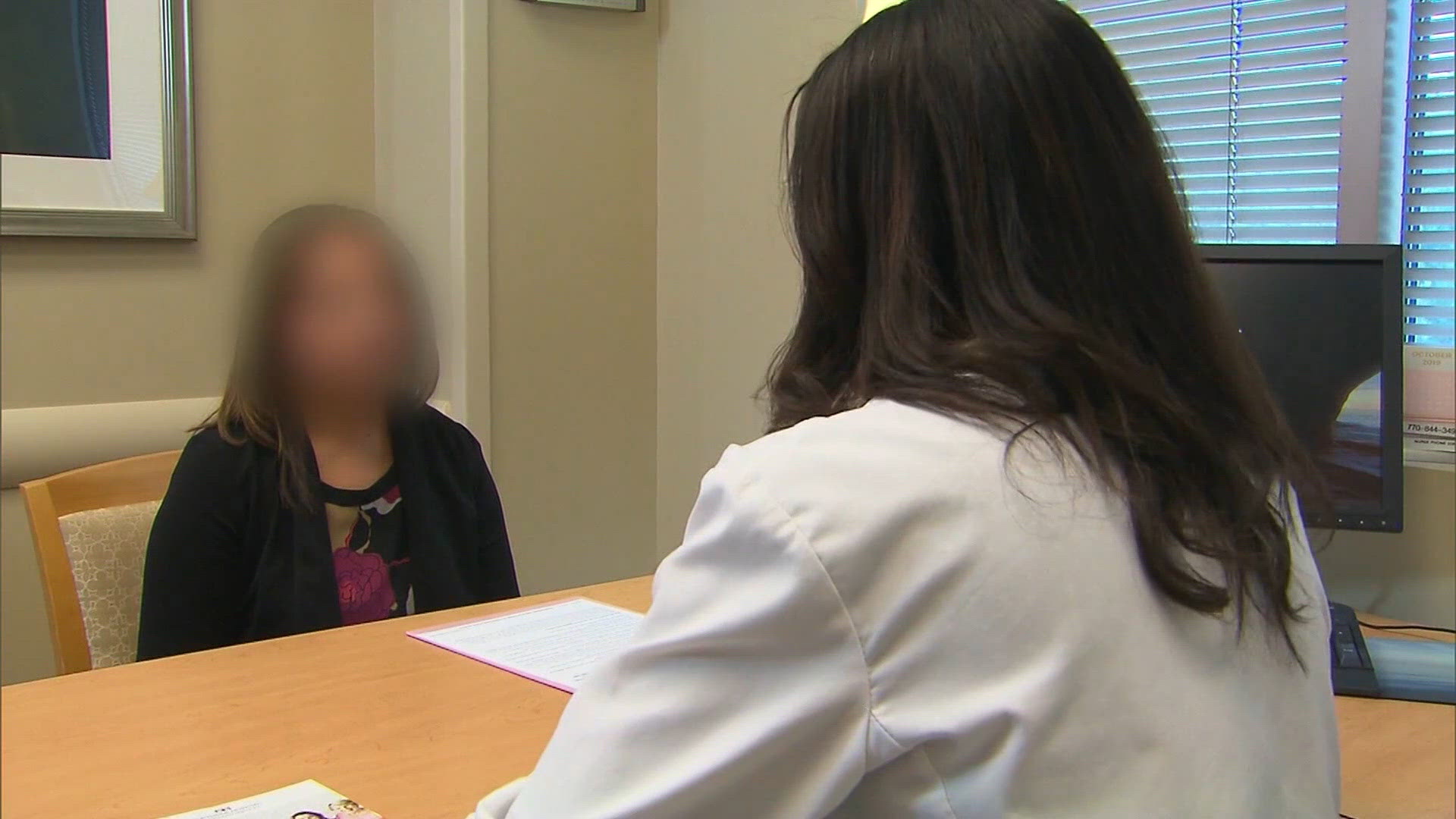
Medicare open enrollment: What's changing for 2027
If you or a loved one has Medicare, now is the time to review your coverage. Open enrollment began Oct. 15 and runs through Dec. 7, and several changes take effect next year.
Original Medicare, run by the federal government, includes Part A for hospital insurance, Part B for medical insurance and Part D for prescription drugs. Part C, known as Medicare Advantage, typically covers everything Original Medicare offers plus extras like dental or vision, but it comes through private insurance companies. About 35 million Americans have a Medicare Advantage plan, and some insurers plan to drop those plans in 2027.
If your plan goes away, Leigh Purvis, prescription drug policy principal at the AARP Public Policy Institute, says you have options. "If there's another Medicare Advantage plan available to you in your area, you can look into enrolling in that. Another option is enrolling in traditional Medicare."
Costs also rise. The Medicare Board of Trustees estimates Part B premiums will go up about $6.60 a month. The Part B deductible climbs from $283 to $292, and the out-of-pocket cap for prescription drug coverage increases from $2,100 to $2,400. Discount sites and coupons can lower drug costs, but those savings often don't count toward your deductible or out-of-pocket limit. Experts recommend choosing the plan that best fits your specific needs.
World Stroke Day: Remember BE FAST
Today is World Stroke Day. According to the Centers for Disease Control and Prevention, someone in the U.S. dies of a stroke every three minutes and 14 seconds. A stroke happens when something blocks blood flow to the brain, and it can strike anyone at any age.
The letters BE FAST can help you remember the warning signs: Balance loss, Eye or vision changes, Face drooping, Arm weakness and Speech difficulty. If you notice any of them, it's Time to call 911. Dr. Sidonie Ibrikji, a stroke neurologist at Cleveland Clinic, adds, "if somebody's having the severe, like the most severe headache of their life, that also counts as a potential stroke symptom and warrants immediate attention."
Most strokes come from a blood clot. Clot-busting medication or a procedure to remove the clot can restore blood flow, but both work best within hours of the first symptoms. Call 911 right away and don't drive yourself to the hospital.
You can lower your risk with regular exercise, healthy foods, a healthy weight, no smoking and less alcohol. Keep conditions like high blood pressure, high cholesterol, diabetes and heart disease under control, and take any medicine your doctor prescribes. After about age 65, ask about screening for atrial fibrillation, an irregular heartbeat linked to higher stroke risk.
Pumpkin: More than a porch decoration
That pumpkin on your porch can do a lot for your plate. Registered dietitians say pumpkin delivers vitamin A for eye health, fiber for digestion and antioxidants that help protect your cells. It's low in calories and helps you feel full longer.
Pumpkin works in sweet and savory dishes, from soups and chili to oatmeal and pancakes, especially with warm spices like cardamom and curry. Roasted seeds make a crunchy snack rich in protein, healthy fats and magnesium.
For the most benefit, choose real pumpkin over pumpkin-flavored lattes and cereals, which often contain artificial flavors and added sugar. Canned pumpkin lets you enjoy the nutrition all year long.