CLEVELAND —
Carbon monoxide risk rises as furnaces kick on
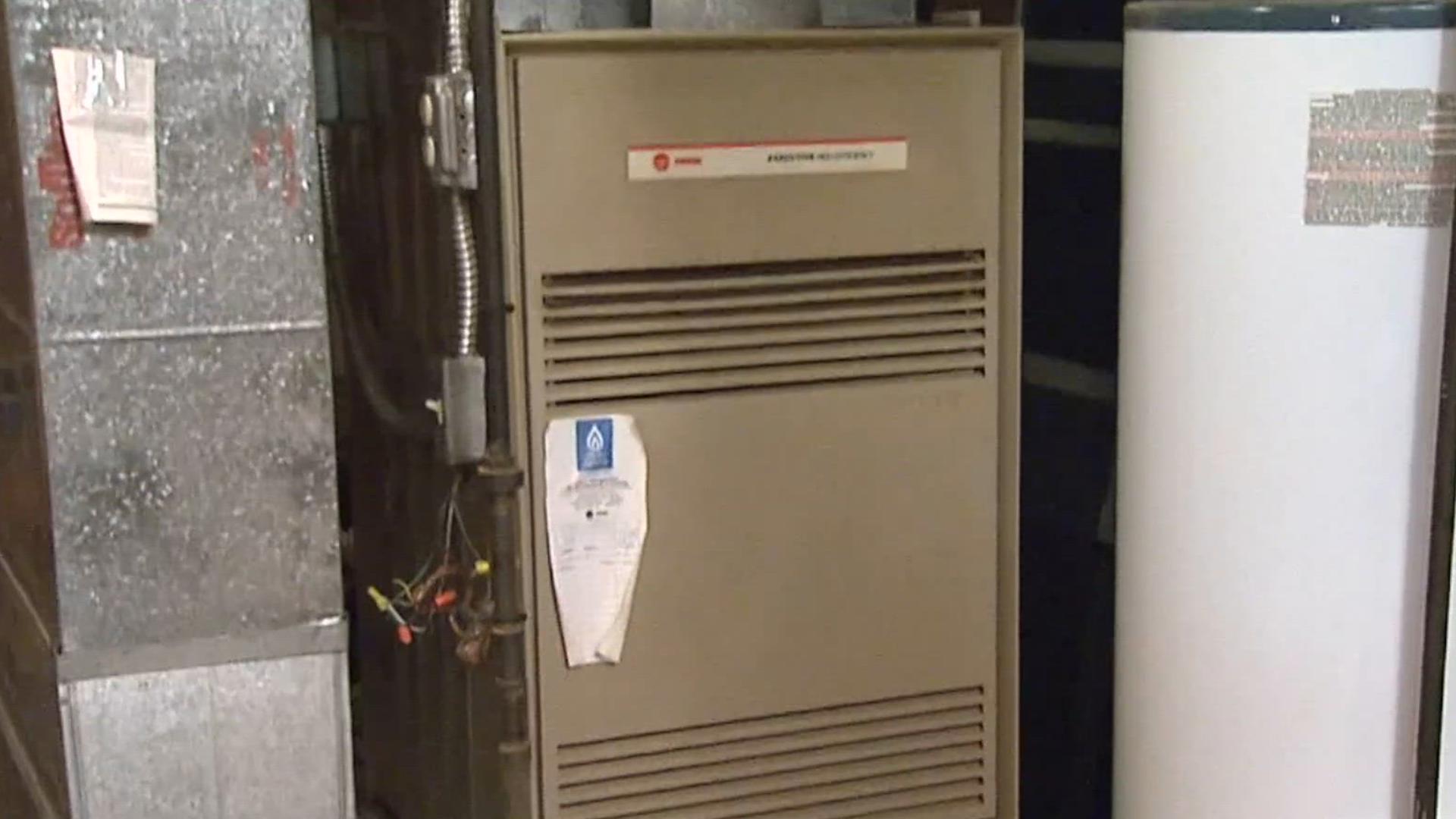
Colder weather means furnaces running around the clock, which brings a higher risk of carbon monoxide poisoning. Experts at Cleveland Clinic say several common cold-weather habits play a role, including sealed-up homes, space heaters, generators and cars warming up in garages.
Carbon monoxide has no color, odor or taste, which makes it impossible to detect without an alarm. It forms when fuel doesn't burn completely. Early symptoms include headache, nausea and shortness of breath.
Working carbon monoxide detectors and well-maintained appliances help prevent poisoning. If an alarm goes off, get out of the house, call 911 and don't go back inside.
Why Cold Weather Can Make Joints Ache
As temperatures drop, some people with joint pain notice more aches and stiffness. Experts say it depends on the person. Cold air can narrow blood vessels, cutting blood flow to the joints. People also tend to move less when it's chilly, and that can make stiffness worse.
To ease the ache, stay active, apply heat to sore spots and bundle up before heading outside. If pain still gets in the way of everyday life, talk with your doctor about other treatment options.
Darker evenings and your mood
Earlier sunsets and darker evenings can take a toll on mood. Less sunlight can throw off the body's internal clock, affecting sleep and energy levels.
For some people, that leads to seasonal affective disorder, a form of depression that often starts in the fall and eases by spring. Symptoms include feeling sad, irritable or tired.
Morning sunlight, regular exercise and staying connected with others can help. If symptoms start getting in the way of work or daily life, a mental health professional can help.