CLEVELAND — Today is the Great American Smokeout, a day set aside to encourage people to quit smoking. In Cleveland, the need is real. The city's Department of Public Health says Cleveland has the highest smoking rate of any U.S. city.
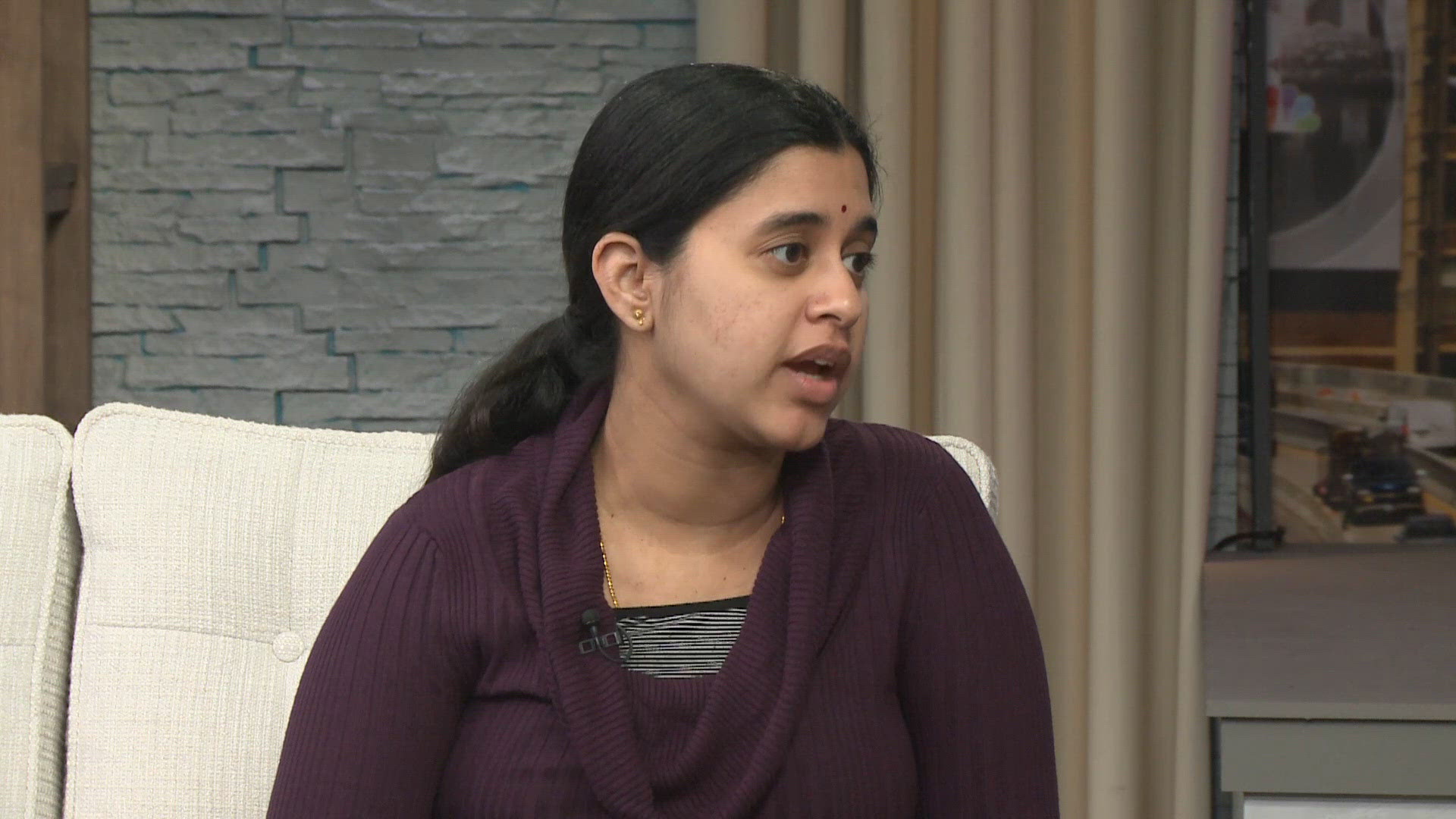
Quitting is hard. With the right support, though, it can make a big difference. Dr. Sruti Brahmandam, an interventional pulmonologist at University Hospitals Cleveland Medical Center, says one of the biggest obstacles is feeling judged. People who try to quit and slip often see it as a personal failure. Brahmandam says it isn't one, and they should keep trying.
"There should be no shame in trying to quit smoking," she said.
It's Never Too Late
For anyone who has smoked for decades, Brahmandam's message is simple: "It's definitely never too late to quit." She recommends picking a quit date and starting from there.
The next step is to identify your triggers, the stresses in life that make you want to pick up a cigarette. Removing ashtrays, lighters and anything else that reminds you of smoking can help.
She also recommends building a team. Tell your close friends, family, counselors and health care providers that you're quitting. They help hold you accountable, and that support can improve your chances of success. Brahmandam says Northeast Ohio has strong resources to help people quit.
What Happens When You Quit
The body starts to recover soon after you stop smoking. Heart rate begins to normalize, blood pressure improves over time, and lung function and circulation get better. Symptoms like coughing and trouble breathing ease. Over the long term, quitting lowers the risk of heart disease, stroke and lung cancer.
Counseling and Medication Improve the Odds
Brahmandam says support makes a big difference. Counseling or a quit line alone raises the success rate from about a third to about 50%. Adding medication, such as nicotine replacement or Chantix, raises it to 50% to 60%.
What about vaping? Brahmandam says many vaping products still contain nicotine and can harm the lungs in ways similar to cigarettes. "People think it's going to be like a natural replacement that it will help, but realistically it's not," she said.
She recommends nicotine replacement lozenges, patches or gum, along with medication and behavioral counseling, instead of vaping. She adds that new medications are in development.
Lung Cancer Screening Guidelines
November is also Lung Cancer Awareness Month. Current guidelines recommend a yearly low-dose lung cancer screening for adults ages 50 to 80 who have a 20 pack-year smoking history and who still smoke or quit within the past 15 years.
Brahmandam notes that doctors sometimes find lung cancer unexpectedly in Asian American women in their 30s and 40s. She says there's a push for new guidelines that could help catch these incidental lung nodules earlier. She adds that doctors are seeing more women who never smoked develop lung cancer.
If You Slip, Try Again
Relapse is often part of quitting. Brahmandam says it can take several tries, sometimes five or more, and encourages people not to give up. "If you try quitting, try the 6th time because eventually it's going to work," she said.
For help, call 1-800-QUIT-NOW.