CLEVELAND —
Measles cases in pregnancy come to light
For the first time in decades, U.S. doctors are seeing babies born with measles. Federal health scientists published new data Monday in the medical journal NEJM Evidence. It shows 112 confirmed measles cases during pregnancy and 13 cases of congenital measles from the start of 2025 through late September. Nearly all of the women weren't vaccinated or didn't know their vaccination status.
Congenital measles happens when a pregnant woman passes the virus to her baby in the womb. It can cause serious complications for newborns. The American Academy of Pediatrics estimates that 25 to 30 percent of babies born to mothers who get measles shortly before delivery may become infected.
The Washington Post reports that the Centers for Disease Control and Prevention turned down a request from its own scientists to send a national alert to doctors about the risks. The U.S. Department of Health and Human Services says the researchers chose an outside journal to reach clinicians as quickly as possible.
The report comes as the U.S. loses the measles elimination status it held since 2000. The Pan American Health Organization planned to make that public today.
Health experts say the best protection is the measles, mumps and rubella (MMR) vaccine before pregnancy, because women can't get it while pregnant. Unvaccinated pregnant women who are exposed can get an antibody treatment within six days to lower their risk.
Flu activity picks up early
Flu activity is higher than usual for this time of year. So far this season there have been at least 2.6 million flu cases, 36,000 hospitalizations and 2,100 deaths, including five children. Most infections are influenza A.
Flu levels are high in California, Louisiana, Oregon, South Carolina, Tennessee, Texas and Washington state. They're moderate in Colorado, Florida, Hawaii, Idaho, Massachusetts, New Jersey, New Mexico, New York and Puerto Rico. Activity remains low in most of the country, including Ohio.
Federal health officials say an early start doesn't always mean a worse season, and they rate this season's severity as low so far. With Thanksgiving gatherings ahead, a yearly flu shot is still recommended for everyone 6 months and older.
When forgetfulness signals something more
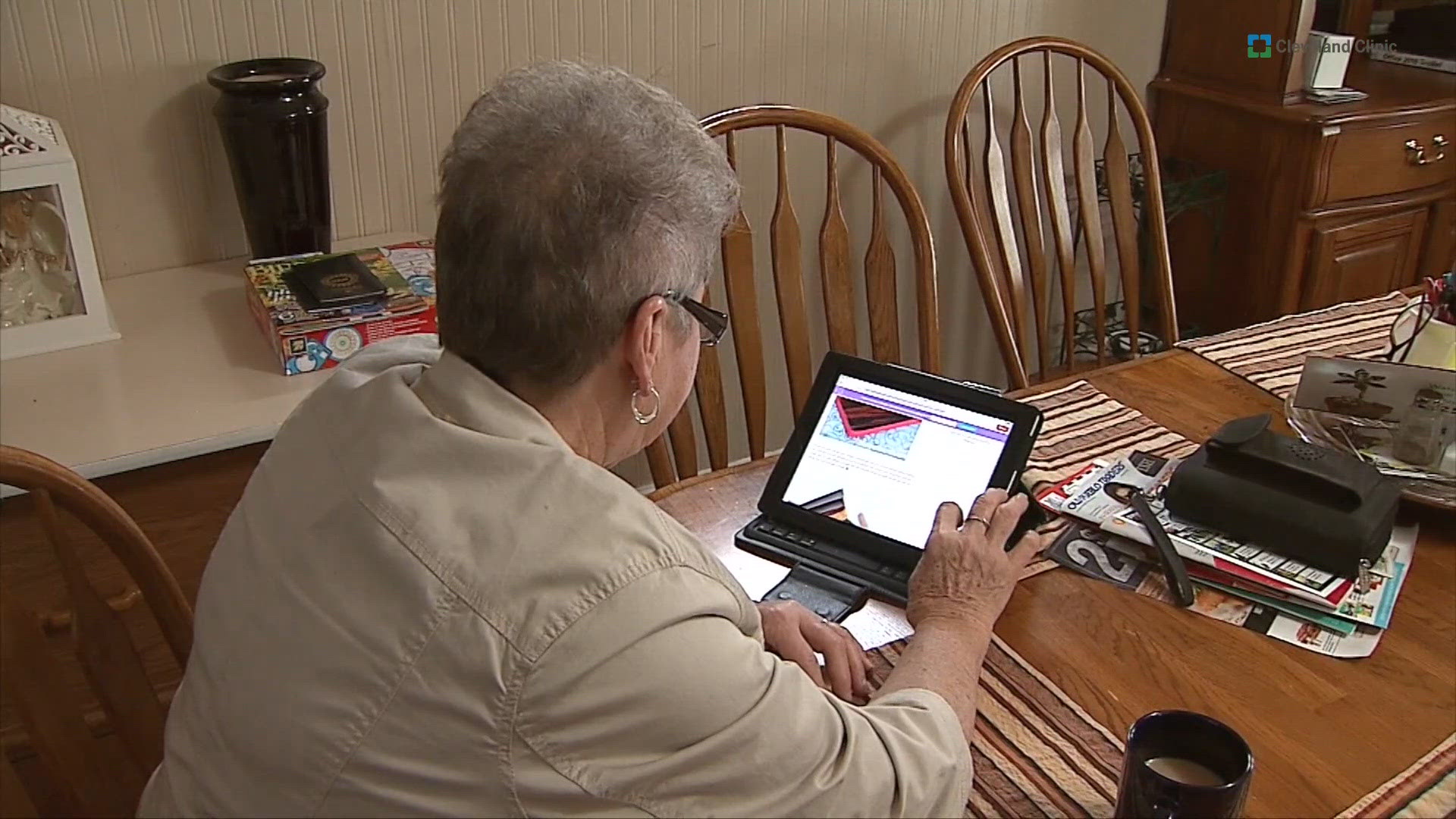
We all lose our keys or forget a name now and then. Cleveland Clinic neurologist Dr. Dylan Wint says thinking naturally slows with age, but some signs deserve a closer look.
"If someone is losing something like every day, that's not really normal," Dr. Wint said.
Warning signs include using the wrong name or word without realizing it, forgetting new information even with reminders, repeating a story or question soon after telling it, getting lost on familiar routes, and forgetting how to do daily tasks. Changes in personality or judgment can also be clues, because those usually stay stable as we age.
If you're worried about your memory, talk with your primary care provider. Sometimes a hormone, vitamin or electrolyte problem is to blame. And if there is a memory problem, catching it early leads to better outcomes.