Javier Zayas Photography / Getty Images
Key Takeaways
- Adding healthy fats like olive oil or avocado to your rice can slow digestion and reduce blood sugar spikes.
- Mixing high-fiber foods like lentils, quinoa, or black beans into your rice can help stabilize blood sugar levels.
- Cooking rice, cooling it, and reheating it creates resistant starch, which slows digestion and reduces blood sugar spikes.
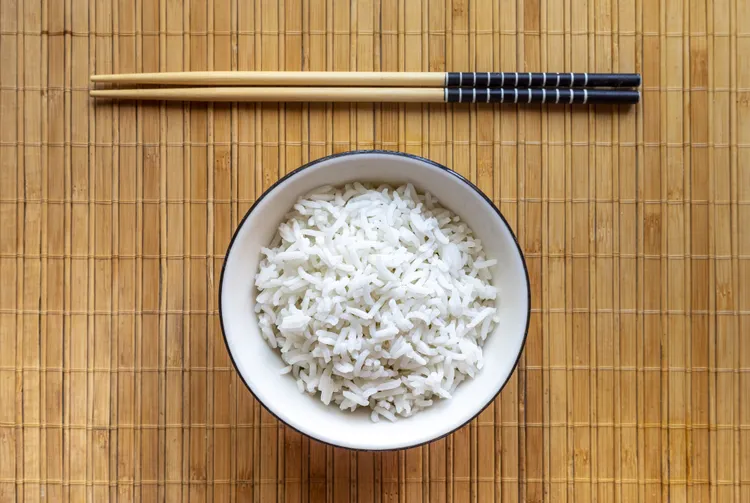
White rice is a staple food that’s eaten by many people all over the world, but it can cause a pretty steep blood sugar spike when eaten alone. However, dietitians say there are a few ways to prepare and eat your rice that can help prevent such a rapid spike and keep your blood sugar more stable.
Why White Rice Causes a Steep Blood Sugar Spike
White rice is a grain that has been highly processed to remove its outer bran and germ layers, leaving only its starchy inner endosperm, said Megan Wroe, MS, RD, a registered dietitian and the wellness manager at Providence St. Jude Medical Center. In doing so, she said its fiber content is almost entirely removed along with most of its vitamins, proteins, and fats.
“These natural nutrients that have been removed slow the digestive process when eating rice in its whole form so that there is a slowed, blunted blood sugar spike,” she said. “In contrast, without the fiber, protein, fats, and micronutrients, white rice is very rapidly digested and absorbed into the bloodstream, resulting in elevated blood sugar spikes.”
It’s a similar concept to eating an orange versus drinking orange juice, she said. The natural fiber of the whole orange creates a slower digestive process that leads to slow absorption of the orange’s natural sugars, while orange juice is digested quickly and leads to fast absorption of sugar, causing a sharp spike.
“This does not mean white rice is necessarily bad, but it’s important to know what is missing so that you can strategize your meal to insert those missing nutrients and create a blood-sugar-friendly rice dish,” Wroe said.
1. Cook Rice With a Healthy Fat
Adding a small amount of a healthy fat to your rice as you cook it, such as olive or avocado oil, can help slow the digestive process and reduce your blood sugar spike, said Lamees Lahham, RD, a registered dietitian at The Ohio State University Wexner Medical Center.
Depending on your individual health concerns, Lahham said, adding a small amount of butter, coconut oil, or ghee may also be fine for some people.
Add one or two tablespoons of oil to half a cup of rice, or mash half an avocado into your rice or eat it on the side, said Wroe.
2. Mix Rice With a Legume or Grain
To increase your fiber intake and slow down your digestion, Lahham suggested mixing cooked lentils into your rice. You can also try mixing in other high-fiber grains or legumes, such as wild rice, quinoa, barley, edamame beans, or black beans.
“The high fiber and protein content in the lentils helps to curb the blood sugar spike as well as reduce the portion of rice consumed,” she said.
3. Cook, Cool, then Reheat Rice
Cooking your rice, letting it cool down, and then reheating it helps to build something called resistant starch, which slows down the digestive process and reduces the blood sugar spike that follows.
“Many starches have a cool property when cooked and cooled, where they can change much of their starch into resistant fiber,” Wroe said. “If you cook your rice the day before, then chill it and eat it the next day, the glycemic response can be up to half of what it would have been originally.”
4. Pair Rice With Protein and Fiber
Perhaps the best trick, Wroe said, is balancing your meal by pairing your rice with equal portions of protein and fiber. Protein and fiber both slow the digestive process, leading to much slower carbohydrate absorption.
“Think half a cup of white rice, half a cup of chicken or tofu, and half a cup of broccoli,” she said. “The more fiber, the better for blood sugar.”
For even better blood sugar regulation, Lahham recommended starting your meal with protein and fiber, and eating the rice last, which delays your carb intake and helps keep blood sugar even more stable.
Other Small Tricks to Try
While the tips mentioned will likely have the biggest impact on blood sugar levels, Lahham said there are a few other small tricks that can help.
Research shows that getting a 10–15-minute brisk walk right after eating can help to reduce blood sugar spikes after meals, including those containing white rice. Cooking rice in bone broth may also have a small impact on blood sugar levels by adding protein and a little extra flavor.
Lahham said the type of white rice you choose can also play a role, with some varieties having a slightly higher glycemic index than others. Choose basmati and parboiled rice for a lower glycemic index, she said.
“Ultimately, I recommend leaning on whole grains like wild rice, barley, and quinoa the majority of the time since their nutrients are all intact,” Wroe said. “But white rice can most certainly be enjoyed without concern when you balance it intentionally.”