Tracey Kusiewicz/Foodie Photography / Getty Images
Key Takeaways
- Pair complex carbs, lean protein, and healthy fats to help keep blood sugar stable and prevent spikes.
- Complex carbs with fiber slow digestion and sugar absorption, while protein and fat further delay digestion, helping to stabilize blood sugar.
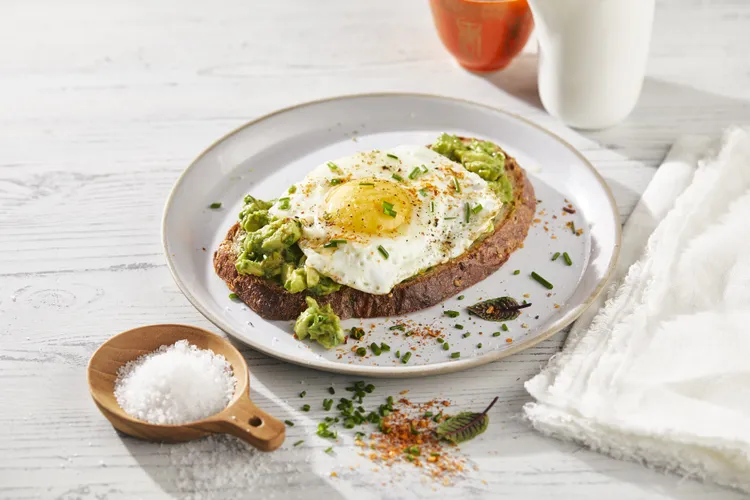
- Avocado, eggs, and whole-grain toast or beans with olive oil are examples of balanced meals for blood sugar control.
When you’re trying to manage your blood sugar, deciding what to eat for every snack and meal can be tricky. But knowing the building blocks of a balanced plate, as well as which foods pair well to prevent a blood sugar spike, can make the process easier.
We asked Giana DiMaria, MS, RD, a registered dietitian and director of the Culinary Medicine Area of Concentration at New York Medical College, to share the best food combinations to help lower blood sugar.
*This interview has been edited and condensed for clarity and length.
Question: I want to keep my blood sugar stable and prevent major spikes after meals. What’s the best combination of foods to reach for?
DiMaria: For healthy blood sugar levels, the best combination includes what we call complex carbohydrates, which are carbs that have more fiber and include the whole wheat seed or the whole grain; lean protein, or protein foods that don’t have a high amount of saturated fat; and then healthy fats.
Healthy fats are high either in omega-3 fatty acids, which are anti-inflammatory essential fats, or in monounsaturated fats, such as those found in olive oil, avocados, nuts, and seeds. This combination of macronutrients is best for optimal blood sugar.
Q: How does this combination help keep blood sugar stable?
DiMaria: Complex carbs contain a lot more fiber, so they slow down digestion and the absorption of sugar. There are different types of fiber: Soluble fiber creates a gel that actually slows down the absorption of sugar molecules, and then insoluble fiber binds or absorbs glucose molecules and the digestive enzymes in the intestine, preventing sugar from being rapidly taken up by your body all at once.
Because insoluble fiber is not actually digested, it’s broken down and fermented by the good bacteria in your gut, which produce short-chain fatty acids that signal to your liver to stop producing as much glucose. It then gets converted into energy.
Protein takes a lot longer to digest, so it triggers hormones that promote fullness and slow the absorption of glucose, too. Fat actually delays gastric emptying and digestion even more, keeping blood sugar much steadier.
Q: Why is it important to pair these macronutrients together?
DiMaria: If you were to have a carbohydrate by itself, then your digestive system would break that down into glucose or sugar. It would enter the bloodstream, give your cells energy, and, especially if the energy is not mobilized, that’s what causes that rapid blood sugar spike. That comes more from simple carbs with higher starch content, like white bread, pastries, or sugar-sweetened beverages.
These will cause glucose to flood the bloodstream quite rapidly, and then your pancreas responds by pumping out all this insulin. It needs this so that the glucose can leave the bloodstream and enter the cells. When you have insulin resistance, your body doesn’t recognize it as well, so that’s what then develops into diabetes.
Q: What are some examples of meals or snacks that contain all these macronutrients and support stable blood sugar?
DiMaria: I always recommend avocados because they’re technically a fruit, so they have fiber, and they also have healthy fat. You could add a lean protein, like some egg whites or lean meat like turkey slices or grilled chicken, and that’s a perfect combination. Or you could do eggs, avocado, and a whole-grain piece of toast. The whole-grain toast is the carb, the avocado is the healthy fat, and the eggs are a lean protein.
You could also choose a whole grain like farro, brown rice, or whole wheat pasta, and pair that with a protein like grilled chicken, a lean cut of beef, or seafood like shrimp. And then your healthy fat can come from an olive oil–based dressing or nuts and seeds.
In regard to plant-based proteins, if you choose beans or legumes, they’re actually a perfect combination of complex carbs from fiber and protein. They’re kind of like an all-in-one. Another great plant protein is quinoa. It’s a powerhouse food because it’s technically a seed, so it has a lot of protein, but it’s also a carbohydrate, so it has fiber. Mix either of these plant proteins with a healthy fat like nuts, avocado, olive oil, or fatty fish like salmon or tuna, and that’s another great combination.