Striving to connect qualified, potential employees with available opportunities across the region


By the time Mississippi Delta manufacturers, hospitals, schools and small businesses describe their hiring problems, the causes sound familiar – not enough people, not enough trained workers, wages that don’t always compete, limited housing, transportation gaps, childcare needs and the long-running difficulties of growing a rural economy.
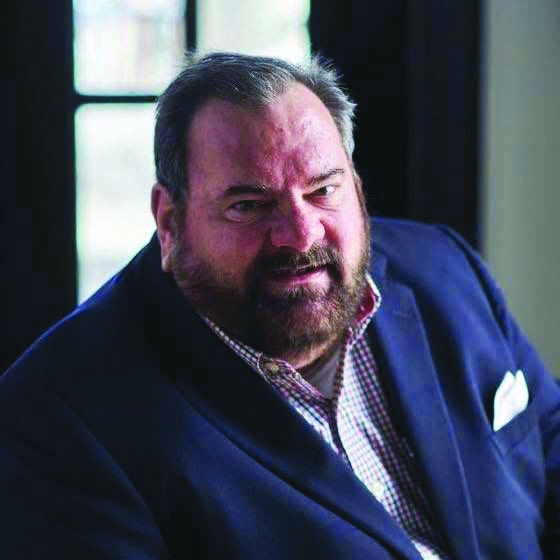
For Britt Herrin, a longtime Delta area economic development expert, the first thing to understand is that the problem does not stop at the Mississippi line.
“It’s not just a Delta problem,” said Herrin. “It’s not just a Mississippi problem. It’s really all over. Maybe a little more concentrated in areas like the Delta that are more rural.”
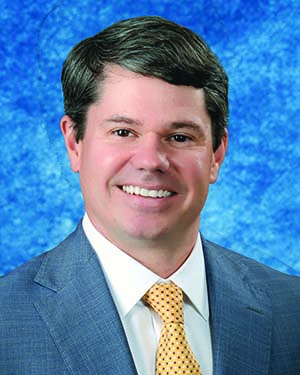
Justin Burch, President and CEO of Delta Compass, said the region’s question has shifted from job creation to worker readiness.
“The headache that many have been praying about for decades is here,” said Burch. “It’s a region that for decades was asking, ‘Where are the jobs?’ Fast forward to today, and we’re asking, ‘Where are the workers?’”
Burch said that shift is also a sign of momentum. Companies are looking closer at Mississippi, Alabama and Arkansas after faster-growing Southern markets absorbed earlier waves of expansion.
“At this point they’ve exhausted power grids and talent supply pools,” he said. “Now they’re looking at that next round. We’re seeing this huge bump, this huge uptick. Now the question is, how do we find the workforce to fill them all?”
Scott Waller, Executive Vice President of the Mississippi Business Alliance, said the challenge is not confined to one community or one industry.
“When it comes to workforce, it doesn’t matter where you are,” said Waller. “It is an issue that impacts businesses of all sizes, all types, and everywhere.”
Waller said the encouraging sign in Mississippi is that business leaders are being asked to play a more direct role.
“There is more emphasis now than ever to bring the business community to the table and have them engaged in the process to learn what their needs are, as well as what we’re trying to accomplish,” said Waller. “We’re making progress in that aspect of trying to connect the dots.”
John McKay, President and CEO of the Mississippi Business Alliance, said the same theme shows up across Mississippi, though it can be sharper in the Delta.
“Workforce issues are ubiquitous, no matter in what area, even areas that are economically high performing,” said McKay. “The Delta does have its own unique challenges. First and foremost, it doesn’t have enough people.
“When we’re talking about the different bits and pieces between schools and childcare, transportation, quality of life, it’s absolutely all of the above,” he said.
Burch said the Delta is moving from an economy historically rooted in agriculture toward one with more light manufacturing, health care and technical jobs.
“The Delta is transitioning economies,” said Burch. “The history here has always been agriculture, but I think right now what you are seeing is a major transition to light manufacturing into healthcare. It’s creating this massive demand for jobs, but also new employees and new talent pipelines.”
Herrin sees the same pressure in specific occupations.
“I’d say it’s pretty widespread,” he said. “It’s a skills gap in some places. More employers in rural areas probably have a harder time finding people with those skills or finding them in good numbers.”
Herrin said population loss makes every other barrier harder.
“We’ve had population loss,” he said. “A number of your younger people are not staying here, they’re moving off. That’s part of it.”
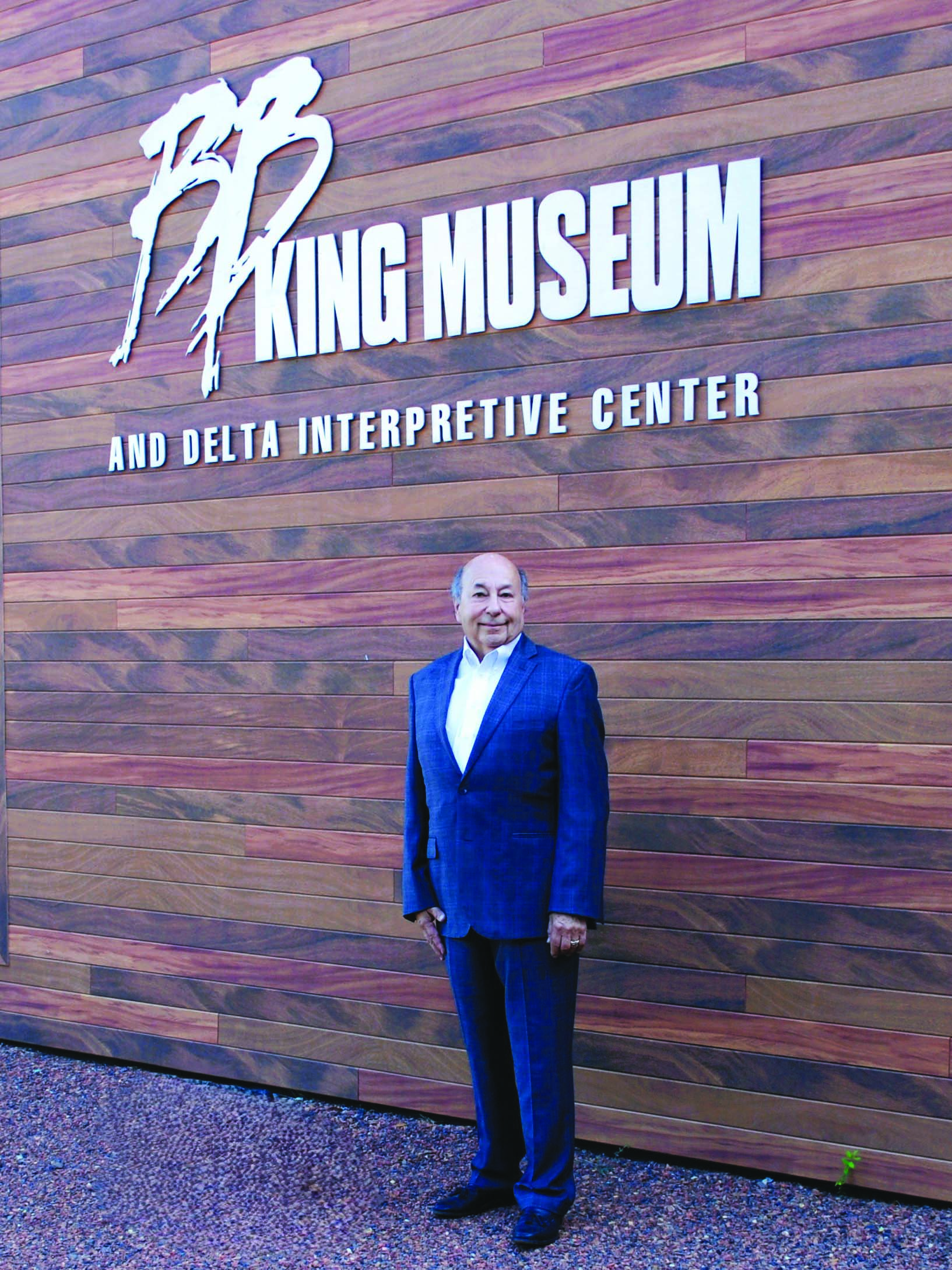
Sunflower County Economic Development Executive Director, Steve Rosenthal. said rural realities complicate training for highly specific industries because top students often look elsewhere once they have options.
“In rural areas like the Delta, it’s hard to train for specific industries when in most cases the best students will leave for greater opportunities,” said Rosenthal.
Burch said the first priority should be connecting Delta residents who are already here to jobs now arriving in their communities.
“Ideally what we want is that talent pipeline, the entrance of it to be our own population,” said Burch. “As much as we would love to see other people move from other parts of the state or different states to the Delta, first and foremost, I want to make sure that we can connect the people that are still here to those jobs.”
To do that, Burch said, the region needs employer-led workforce collaboratives that bring together planning and development districts, nonprofits, industry and postsecondary partners.
“I think the best way to do that is through these funding collaboratives,” said Burch, describing a mix of workforce, philanthropic, federal, state, community college and college dollars. “We’re basically doing everything we can for those academic-to-career pathways.”
The support has to be practical, said Burch. “That could be supplementing, anything they need. Basic services like transportation, childcare, and then hopefully get these people over the finish line to credentials and then to employment.”
“AccelerateMS is working to create a system that will train people the basic skills that will qualify them for 75% of medium-skilled jobs,” said Rosenthal. “But careers take specialized skills.”
McKay said those needs include “manufacturing skills, trades, and some health care-related training, and a lot around electricity – electrical generation, linemen. Those sort of things. Transportation and logistics are also pretty major in the Delta.”
“I feel like the system that was put in place a few years back with career coaches in every public high school can get young people on the right track,” said Rosenthal. “These coaches are not just like the old student advisor; they interact with the students with a focus on jobs.”
But, Rosenthal said the workforce conversation has to begin much earlier than high school.
“Workforce development does not start in high school, it must start no later than the first grade,” said Rosenthal. “Good workforce habits start there. Children must learn habits that will help them succeed in life.”
“Workforce developers must learn to work with employers to understand their individual needs,” he said. “Every employer has some of the same needs, but each has its own specialized requirements.”
“What we need to do is make sure that the private sector works with the education community to deliver those skills in their current training programs,” said McKay. “For too long, our high schools and community colleges were teaching the things that they’ve always taught. It’s not necessarily bad, but what we need in the Delta is to really focus on the skills that are existing.”
Herrin said the region also has to change how it talks to students about careers. For years, he said, families and schools have pushed college as the default measure of success, even as employers need skilled tradespeople.
“The bottom line is that we need to encourage students to look at working in manufacturing or those type of jobs, which can pay well,” said Herrin. “If a person can gain a good skill like welding, there’s a lot of opportunities. There’s a potential to make good money working for somebody else or even for themselves.”
“Under this new council approach through legislation, it’s private sector driven,” said McKay. “This is focused on what happens when a student leaves high school and what kind of training and career development paths are available.”
“If business doesn’t step up to lead our education, how are we to expect education to change?” said Waller. “If we’re not telling our education leaders, ‘Hey, here are the things we need,’ then we’re not going to get the results we need in terms of what they’re doing with coursework and training.”
“We just want to make sure that the skills they’re teaching in these courses, the competencies that students need to learn, are there within the programming that takes place,” said Waller. “But we have to have the businesses tell us what those are.”
Waller said the Mississippi Business Alliance’s Work Future Institute is intended to realign training with employment needs.
“The idea behind it is to understand what’s needed and realign the training – employment to education training – that gives our students and those going through the training a clearer pathway of how to get into a better job,” he said.
“There are a lot of programs out there that people just don’t know about,” said Waller. “There is no real centralized place of finding out how you can learn about what opportunities there are to do internships, and to have that work-based learning experience that better prepares them for the workplace.”
Burch said employers are increasingly at the table, helping design curriculum or contributing funding. “They want to make Mississippi and the Delta work,” he said.
“We want to ensure that they’re living here and they’re paying local tax dollars,” said Burch. “And, making sure certain things are affordable, like childcare.”
Burch said the Delta is learning to scale multiple services at once. “When you’re looking at your issues, it can light up like a heat map,” he said. “Essentially, we’re having to learn to scale multiple services at the same time to meet the labor demand.”
“One of the biggest factors right now to land economic development projects is a site-ready, speed-to-market type mentality,” said McKay. “If you don’t invest early and do the things like site development, you are going to get overlooked before you even know that there is a prospect that’s looking around.”
The larger goal, Burch said, is to make Delta communities places where local workers can see a future and recruited professionals want to stay. “We want to make sure it’s a community of choice for them,” he said.
Still, McKay said the Delta has assets to build on. “There are unique challenges, but definitely it is not a lost cause,” he said. “The Delta has a lot of great people; it’s got some great natural assets.”
For employers, educators and economic developers, the Delta does not simply need more workers. It needs more people connected to the skills, support, wages and local opportunities that make work possible—and make staying worthwhile.