For commercial structures, there are usually two main approaches to a project:
- Seeking out individual hand-picked consultants such as architects, engineers and project managers, or
- Partnering with a design and construct company that can bundle many of these services into one package.
The best way forward will primarily depend on whether you prefer to be heavily involved in the project or more ‘hands-off’.
In this article, our Head of Sales, Aaron Barker, runs through the advantages and disadvantages of these different approaches.
IN BRIEF:
- Choosing a D&C partner is ideal for clients who are time-poor, have their finances in order, and are comfortable handing off the day-to-day oversight of the project to a trusted team. This is also a good match for project builders looking for a design partner who can wrap multiple items together in one scope, such as engineering, design, project management, council approvals and fabrication.
- Clients who have had previous involvement in the building industry may be more suited to working with individual consultants. This is also a good option for clients who are comfortable with a more relaxed timeline, or those who have the time and energy to keep the project on track.
- Steelcorp is primarily a turnkey design and construct company – but we take pride in being agile and working to suit individual client requirements. We can act as project managers, and adjust different parts of our scope to fit your needs.
Choosing a Design and Construct Partner
Turn key design and construct companies look after the end-to-end design, engineering, fabrication and construction of your structure. The scope of the project is laid out in detail with an all-inclusive cost.
Pros:
- One point of contact – you don’t have to manage architects, engineers, surveyors, council, and all the other consultants involved in the project.
- Having experts in-house encourages a seamless flow of information – important points don’t get missed among multiple consultants
- Easier to understand the overall cost when many aspects are presented as one turnkey package
- Plenty of opportunities for your D&C team to identify cost efficiencies throughout different stages of the project
- Council and building approvals are managed by people who are experienced with the way the approval process works
- An in-house design team means last-minute changes can be more easily accommodated
Cons:
- Less ability to hand-pick preferred suppliers or people you have worked with previously
- D&C companies usually follow a proven process so there is less opportunity for you to orchestrate the way the project is run or the order in which items are handled
- An efficient, compressed timeline may be more difficult to manage if you don’t have a healthy cash flow
Best for:
- Tme-poor clients who are comfortable handing off the day-to-day oversight of the project to a trusted team.
- Project builders looking for a design partner who can wrap multiple items together in one scope, such as engineering, design, project management, council approvals and fabrication.
“Taking on a commercial building project is a team effort. You’ll need to engage an architect or designer, structural engineer, project manager, planner, construction firm, and potentially other experts such as fire engineers, geotechnical engineers and others.”
- Aaron Barker, Steelcorp
Engaging Individual Consultants
For those who are naturally organised, have ample time to devote to the project, and would like the bespoke approach of being able to select the individuals they work with, choosing to go the individual consultant route may be a good fit.
Pros:
- Ability to hand-select specific individuals to work with
- More control over the project timeline – you can move the project through each consultant at your own pace
- You are in the driver’s seat, especially if you take on the project management role yourself
Cons:
- Often a disconnect between the various parties involved, meaning important things like potential design efficiencies can be missed
- May become difficult to manage for individuals who are employed full-time or have other competing priorities
- No holistic view of costs, meaning the outlay can creep up as more consultants are needed
Best for:
- Clients who have had previous involvement in similar building projects and understand the aspects involved, or individuals with a background in the building industry.
- Clients who are comfortable with a more relaxed timeline, or those that have the time and energy to keep the project on track.
Where Steelcorp Fits: Your Design & Construct Partner
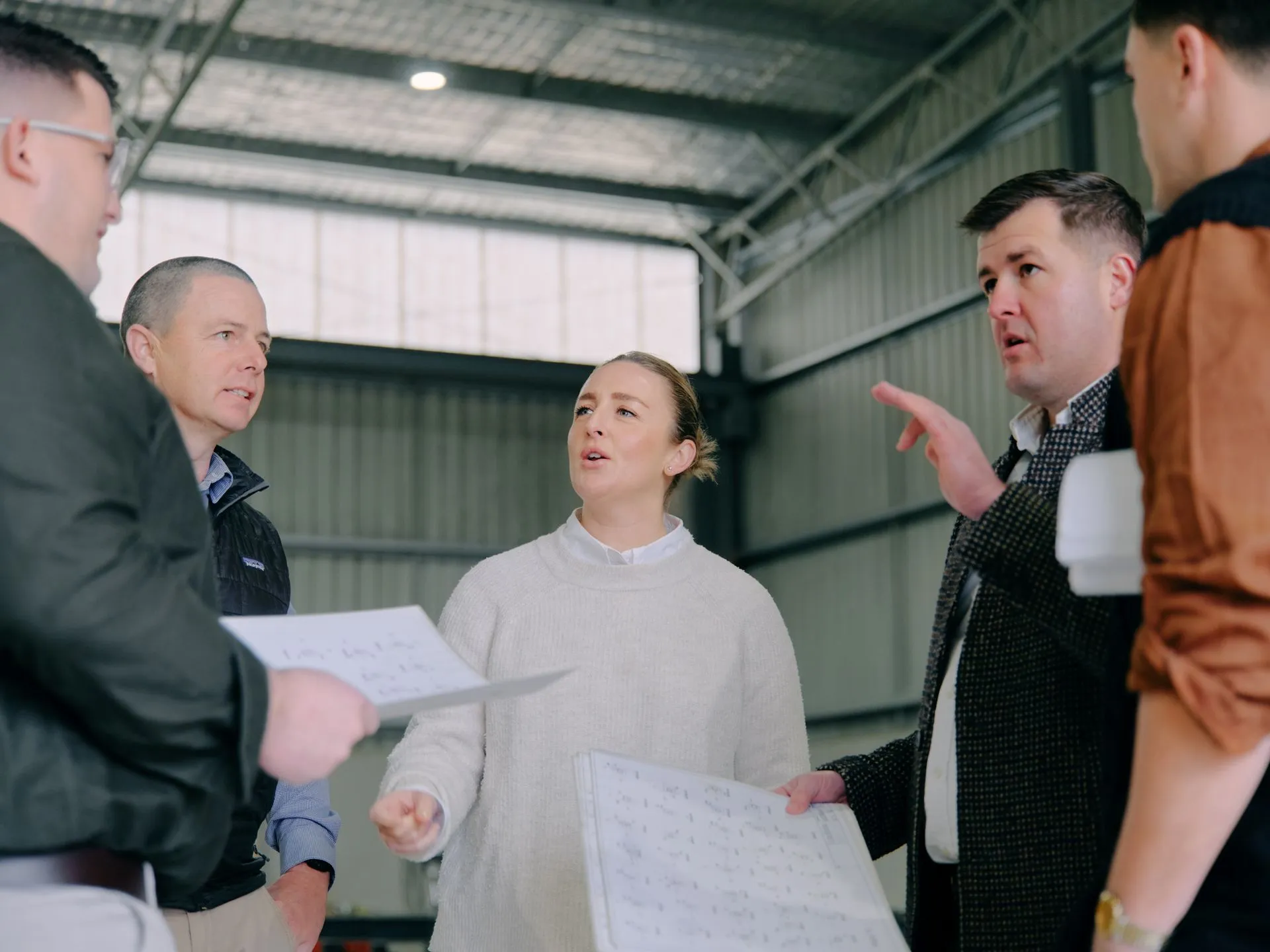
At Steelcorp, we offer a single point of contact that gives you access to our whole team of experts. With in-house design, structural engineering, fabrication, and approvals capabilities, we take a collaborative approach that gives you the best possible result (with minimal delays and disruptions).
Manufacturing in-house also gives us great control over time frames as we can mobilise resources quickly. Couple this with strong back-office and on-site project management skills, and you have a D&C partner who can anticipate issues and deal with them quickly before they turn into big problems on site.
We also have a strong focus on ensuring our clients get a strong ROI on their structure. This means we prioritise efficient designs that deliver a fit-for-purpose structure, whilst also reducing material costs and lowering the environmental impact of your project.
Although we’re not a commercial builder, we can put you in contact with excellent builders in your local area, as well as support our clients who choose to take the owner-builder path.
Start the Conversation with Steelcorp
If you believe a design and construct partner is the way forward for your project, get in touch to start the discovery process.
Our team will spend time understanding your goals and provide advice on all aspects of your project, from helping you decide on design elements to uncovering any potential risks.