
IN BRIEF
Achieving a strong and swift return on investment (ROI) is the ultimate goal for any commercial project. And, for property investors looking to maximise their return, multi-tenant properties can present an attractive option.
They have lower vacancy risk than single-tenant properties and offer income diversification via several different tenants. But how can you determine if investing in a commercial multi-tenant property will bring strong, consistent returns?
In this article, Steelcorp’s General Manager, Joshua Wiggins, offers some insight into why multi-tenant real estate is taking off, what to be aware of, and how to compare the potential ROI of different opportunities using several common calculations.
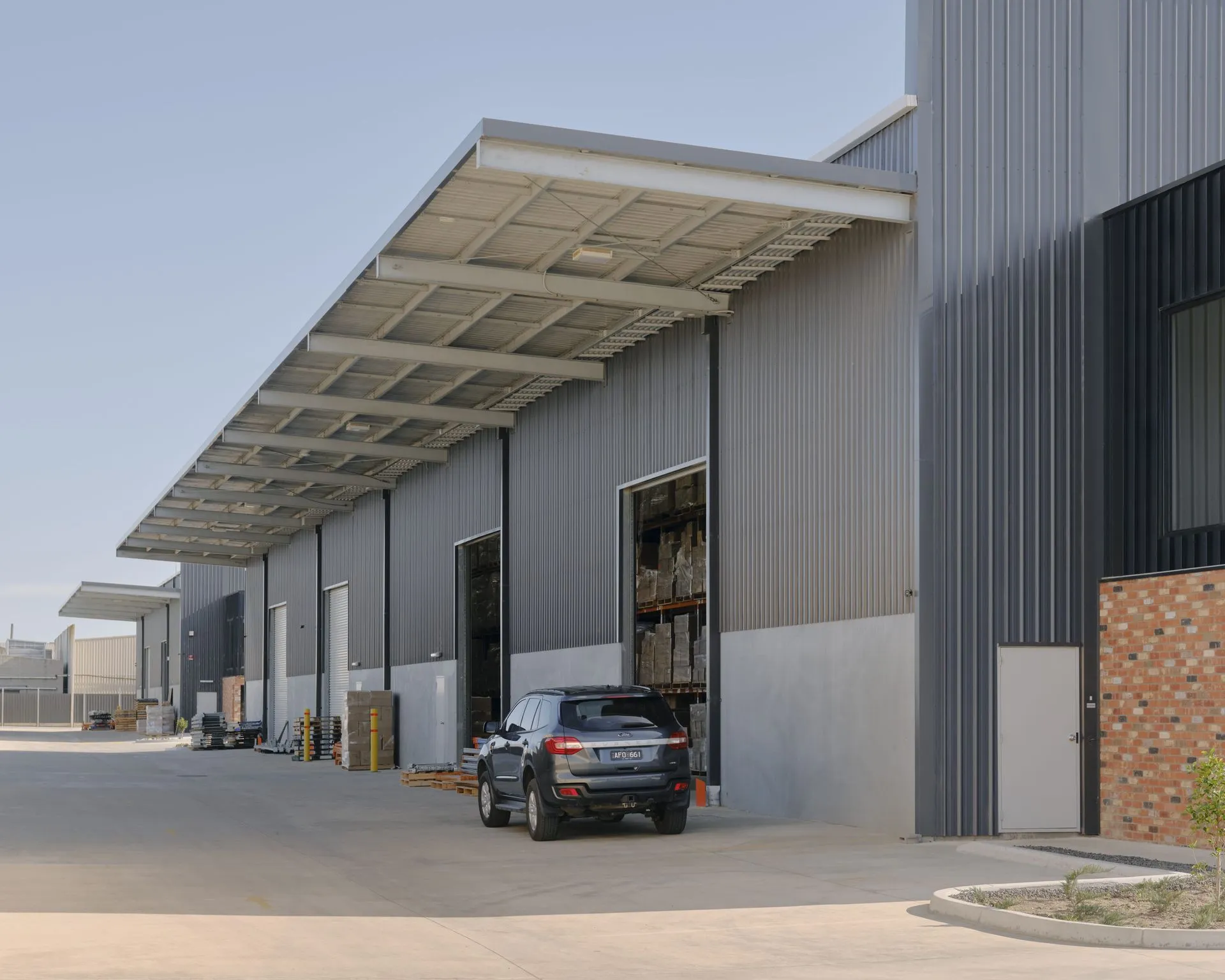
Advantages of Multi-Tenant Commercial Real Estate
Having a large property divided into several tenanted spaces comes with a handful of benefits:
- Unlike single-tenant properties, there is a low risk that all the tenants of a multi-tenant property will vacate at the same time, helping to safeguard against cash flow issues.
- A portfolio of diverse tenants across different industries is better placed to ride out fluctuations in certain sectors, such as volatility in the construction industry.
- Lease terms can be shorter than those in single-tenant properties (usually 3+ years as opposed to up to 10 years for individual tenants). Shorter commitments allow lessors to gain higher-value tenants and regularly increase rent, as well as turn over lower-value tenants more efficiently.
- Lessors also have the option to support reliable tenants on their growth journey by leasing out more space in the same building as they expand.
Potential Problems with Multi-Tenant Properties
Having multiple tenants insulates against volatility, but it also increases the amount of admin and management required for the property. Regular turnover of tenants on shorter leases can also be disruptive and potentially impact your long-term income goals.
There is also the building maintenance to factor in: the responsibility of managing and maintaining areas like parking lots, plumbing and fire suppression systems may fall to the lessor, rather than be managed by the tenant as is often the case in single-tenant occupancies.
Despite this, investment in commercial property remains high across Australia with properties such as warehouses and other larger commercial buildings providing strong returns.
"Maximising ROI on commercial developments requires a strategic and thought-out approach."
- Joshua Wiggins, Steelcorp
What to Look for in a Commercial Property
Just like residential investments, location is critical. Consider the demographics of the area, future infrastructure developments, population density, and other economic factors that all point to higher rental returns, more stable tenants and an increase in capital growth.
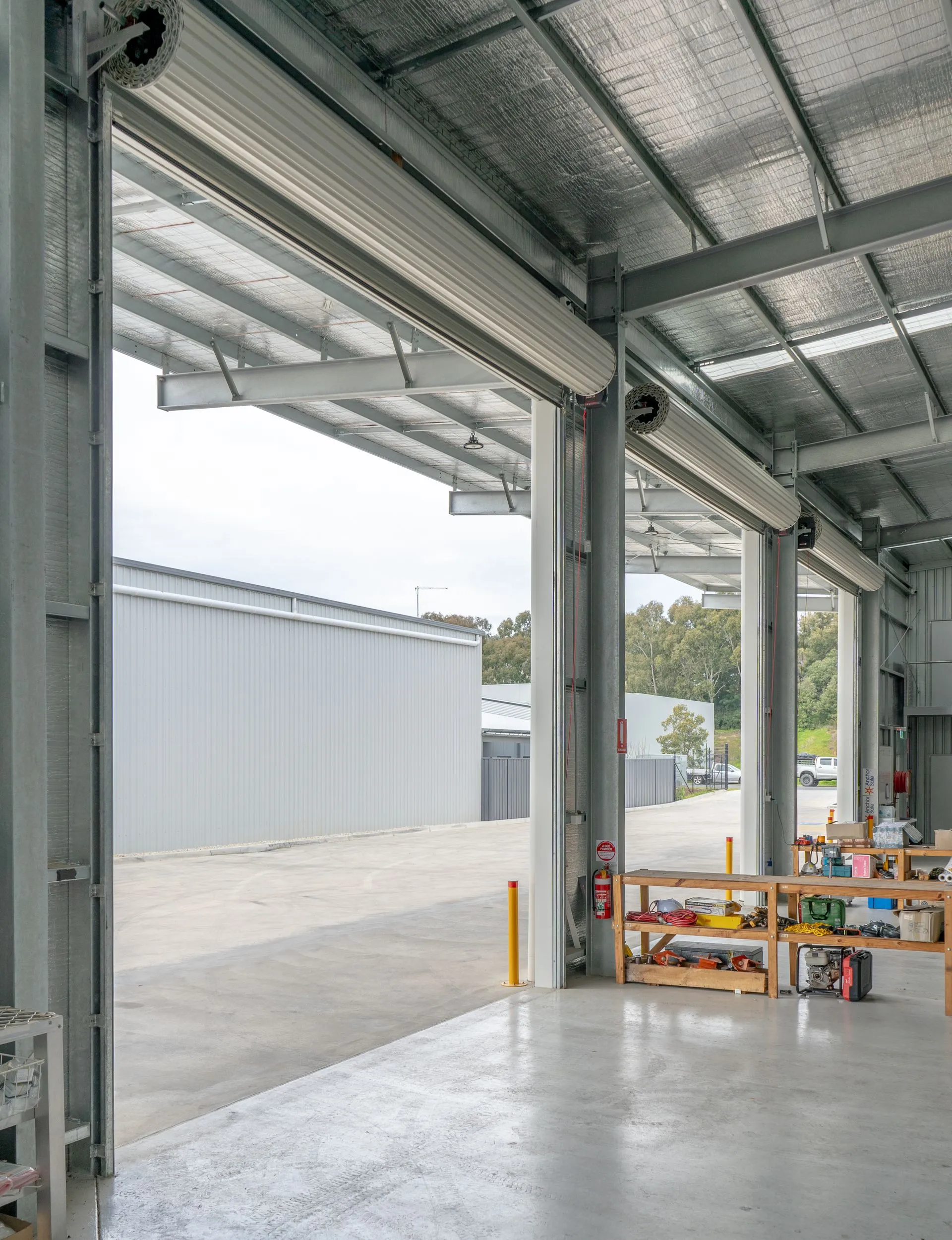
The structure itself also needs to be fit for purpose, practical, robust and modern. Buildings that are efficiently engineered with optimised layouts, and those that include features such as mezzanines that benefit both tenants and owners are a good place to start.
Better structures attract better-quality tenants, which often means fewer headaches in the future.
Flexible spaces are suited to a wider variety of businesses. Properties with diverse internal configurations, a range of access options and features such as wide bays and high entrances may be good for growing commercial tenants that have access requirements. However, if the demographics of your area indicate that warehousing is an underserved market, you may be more inclined to look for structures with unencumbered open spaces, large awnings, and plenty of space for pallet racking.
Either way, modern well-built properties that use space wisely and allow for future expansion or reconfiguration are often worth investigating.
Key Metrics for Assessing Investment Risk and ROI
Below, Joshua shares three common calculations for assessing the value of a commercial investment. These formulas are best used to compare similar investment opportunities, rather than looking at these numbers in isolation.
“Using these simple calculations to assess a commercial property can be a good indicator of its viability and profitability – but proceed with caution,” says Joshua.
“For example, relying on the cap rate alone can be misguided, as this rate assumes that revenue estimates are accurate and that the market value of the property will remain the same. Many economic factors can tip the scales for better or worse, so always get reliable advice from experienced advisors before locking yourself into a property.”
"Using these simple calculations to assess a commercial property can be a good indicator of its viability and profitability... but proceed with caution,"
- Joshua Wiggins, Steelcorp
Metrics:
Internal Rate of Return
Internal rate of return (IRR) is a metric used to compare the future value of an investment in today’s dollars.
This helps determine the risk involved in your investment by estimating profit projections throughout the lifetime ownership of the asset – or, the annual rate of growth.
IRR is expressed as a percentage, and if the number is higher, the investment is more likely to be profitable. Investopedia has a useful breakdown showing how to calculate IRR.
Cap Rate
The capitalisation rate or cap rate is a quick way to estimate the potential return on investment on a commercial property.
This method is an assessment of the yield of a property over a year, calculated by dividing the property’s annual net operating income by its market value. This formula gives a percentage that indicates the approximate annual cash flow that the property could generate.
A higher cap rate is generally indicative of higher returns, but also higher risk. Several factors can affect cap rates, such as interest rates, property location and the type of structure.
Gross Rent Multiplier
The Gross Rent Multiplier (GRM) ratio measures the value of a property relative to its rental income. It’s calculated by dividing the property’s sale price by its annual gross rental income to give a simple ratio.
A lower GRM indicates a better value investment, however, this doesn’t take into account important factors such as operating expenses and vacancy rates.
How Steelcorp Can Help
Maximising ROI on commercial developments requires a strategic and thought-out approach.
Thorough research, due diligence and a critical eye should guide your decision-making to ensure that your commercial development delivers both ongoing cash flow and a long-term increase in value.
Whilst the Steelcorp team aren’t financial advisors, valuers, or real estate agents, we’ve been heavily involved in many commercial property projects and we’re more than happy to share our expertise and experiences with our clients. If you’re weighing up a commercial multi-tenant development, feel free to get in touch.
This information is supplied as a guide only and does not take into account your personal objectives, financial situation or particular needs. Always seek professional advice when assessing any commercial property investment.