Prequalify for HVAC financing through one of the contractors in our network.
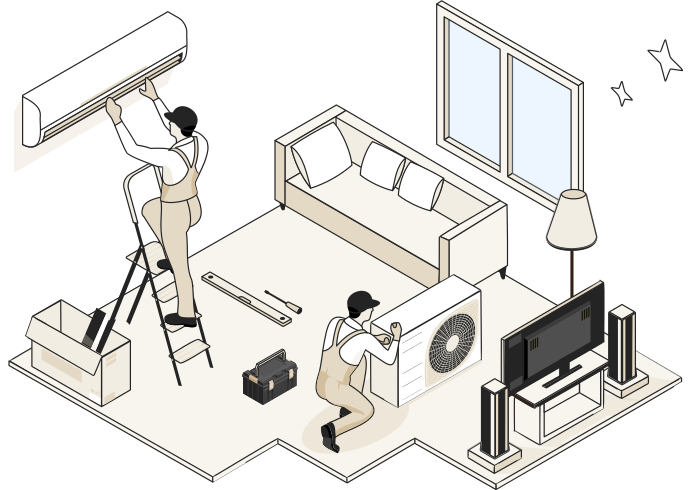
Is there a problem with your heating or air conditioning? We’ll connect you with top contractors in your area who offer financing for HVAC replacements and repairs.
Maintaining a home is expensive, but Renovate can help you find affordable ways to pay.
Request options to finance a replacement HVAC system
by filling out the form above.
How to Get HVAC Financing
Step 1
Fill out our form by entering a little information about yourself and your HVAC needs.
Step 2
Allow us to review your request in real time, and a pre-qualified offer for HVAC financing options may be presented on-screen.
Step 3
Select an offer with terms that work for you and complete the HVAC loan application.
Step 4
Work with your contractor to complete the job while you pay back the loan over time.
What is an HVAC Loan?
You can use an HVAC loan to purchase or repair heating, ventilation, and air conditioning (HVAC) systems. Loan amounts and terms vary based on your creditworthiness and the HVAC companies that offer financing.
Renovate works with reputable contractors offering competitive, flexible financing options that fit your budget and project.
For example, if you need heating and air conditioning financing for a system that costs $6,000 at an APR of 10% over 24 months, you would pay around $277 per month. Your total cost over the life of the loan would be roughly $6,645.
Types of Heating, Ventilation, and Air Conditioning Systems
Our HVAC contractors can help you find and install the right type of HVAC system for your home. The heating and air conditioning system they recommend will depend on your local climate, the size and layout of your house, and your budget.
- Split systems: The most common type of HVAC system, split units have two components — one each for heating and cooling — and a thermostat to control the temperature. The heater is gas-powered and pushes heat through ductwork, while the cooling system sits outside and connects to ductwork through a series of tubing.
- Hybrid split systems: These systems are set up like split systems, except the heat can switch between gas and electricity, which makes them more energy efficient. Hybrid systems are often pricier to install than split systems, but they may help reduce utility costs over time.
- Packaged heating and air systems: Smaller than other unit types, packaged HVAC systems house the heating and cooling system in one unit and connect via your ductwork. They are best suited for small spaces.
- Ductless systems: Also known as mini-split systems, ductless HVAC units don’t use ductwork to circulate air. Instead, the individual units are installed on a wall to heat or cool a single room or add-on.
- Geothermal heat pump: These energy-efficient units use heat from the earth to heat and cool your home. Geothermal systems require the least amount of energy, like fuel or electricity, to circulate air, but the installation process is a bit more complex.
How Much Does an HVAC System Cost?
On average, a new HVAC system can cost $5,000 to $12,500 or more. Your final HVAC replacement cost will depend on factors such as the size and layout of your house, your existing ductwork (or lack thereof), your preferred HVAC system, and the complexity of the project.
Here’s an in-depth breakdown of the costs to purchase, install, and maintain an HVAC system:
HVAC Unit & Replacement Costs
The cost to replace or add an HVAC system to your home will fluctuate widely depending on the type of unit you choose.
| HVAC System Type | Estimated Cost |
| Traditional split | $3,000–$8,000 |
| Hybrid split | $3,000–$15,000 |
| Ductless (mini-split) | $2,000–$3,000 per unit |
| Geothermal | $4,200–$12,500+ |
HVAC Installation Costs
In addition to the unit itself, HVAC contractors may charge additional labor fees to complete the installation or add desired upgrades to your system.
| Size | Estimated Cost |
| Labor costs | $80–$210 per hour |
| Adding ductwork | $10–$20 per linear foot. |
| Adding air vents | $300–$750 |
| Smart thermostats | $120–$260 |
| UV lights | $100–$1,000 |
HVAC Maintenance Costs
Keeping your HVAC system running smoothly requires annual maintenance. You can tackle some services yourself, but others are best left to a professional technician. Here are the most common service, repair, and maintenance costs.
| Service Type | Estimated Cost |
| Service call fee (emergency included) | $75–$250 |
| Yearly inspection | $70–$450 |
| Heat pump, furnace, or AC tune-up | $70–$250 |
| Fan motor replacement | $150 $2,400 |
| Ignitor replacement | $150–$300 |
| Thermostat issues | $100–$250 |
| Clogged valves and lines | $50–$350 |
| Air compressor replacement | $1,350–$2,300 |
| Refrigerant leak | $225–$1,600 |
| Duct cleaning | $250–$1,000 |
Common HVAC Problems
We can help you avoid common HVAC problems by connecting you with an experienced, licensed contractor. Here are some of the common issues that impact your air conditioner, furnace, and ductwork they will guide you through:
- Vents not blowing air: Dirty air filters, condensers, and evaporator coils may block air from circulating through the home. You can clean outside coils yourself (power down the unit first), but extreme blockages in the ducts or lines should be located and serviced by your HVAC contractor.
- Uneven cooling or heating: HVAC zoning problems can create uneven temperatures throughout the home. This problem could stem from poor insulation in certain parts of the home or issues with the ductwork. Ducts can be redesigned to deliver even airflow; your contractor might recommend adding HVAC dampers to better control airflow.
- Water leaks from the unit: Air conditioners and furnaces produce condensation, which flows through the drain pipes. When these parts become clogged, water will back up and leak from the unit. Regular maintenance and inspections can help prevent this common problem. Note: it can be hard to differentiate between water leaks and refrigerant leaks. If you’re unsure where the leak is coming from, an HVAC professional can detect it and repair corroded lines.
- Malfunctioning thermostat: If the thermostat is not working, it could be due to dead batteries or a tripped breaker cutting the unit's power. Start by troubleshooting with the owner’s manual. If the problem persists, contact your HVAC contractor.
- Clogged lines: Dirty evaporator coils are common issues for HVAC systems that negatively impact your air conditioning system. You can clean parts that are visible to the naked eye, but let a trained professional address internal components.
- Strange noises: Whining or squealing sounds usually suggest that parts in the system are moving (some of this can be expected). Rattling noises typically indicate loose components and debris, while hissing sounds point to leaks. If you can’t pinpoint the issue, an HVAC technician can suggest a solution.
- Faulty furnace pilot light and ignition: Gas-powered furnaces and water heaters that don’t turn on could be caused by the pilot light, flame sensors, or burners. In these cases, you might experience flickers or outages. You’ll need to call in a trained professional who can safely work with gas and high-voltage electrical.
- Wrong equipment size: Installing the wrong size HVAC system for your home can lead to a number of issues, such as uneven temperatures, high utility bills, noises, and frequent breakdowns. If you think you need to replace your unit with a properly sized one, our HVAC professionals can recommend the right one for your home.
Factors to Consider Before HVAC Installation
Understanding all the cost factors and options available for HVAC systems can quickly become overwhelming. That’s why we only partner with HVAC companies and contractors who know the ins and outs of HVAC installation.
Here are some aspects they’ll help you consider before starting an installation or repair:
Your Local Climate and House Size
You should choose your new heating and cooling system based on the climate in your area and how well the system performs in the seasonal extremes. For example, a split system that uses a heat pump will handle extreme climates better than a geothermal system that’s better suited to more temperate climates.
The larger your home, the bigger your system must be to adequately regulate indoor temperatures. Our top-rated contractors know which calculation method to use to determine your home’s square footage and HVAC size.
Energy Efficiency and SEER Value
Purchasing an air conditioner with a higher SEER rating will help reduce your heating and cooling bills over time. HVACs with higher SEER values use less electricity to cool and heat your home, making them more efficient.
SEER ratings of 14 or higher are considered good, and SEER ratings of 16 or higher qualify for the ENERGY STAR rating. However, minimum required SEER ratings vary by region. Renovate’s network of contractors will help you find a unit with the recommended energy ratings for your location.
Ductwork Setup
Your home’s ductwork — the tubes that move the heated and cooled air throughout the home — will determine a large portion of your HVAC replacement costs.
The existing ductwork may be sufficient for a new HVAC system, but if it needs to be replaced or extended to accommodate a new unit or make repairs, you may need to increase your budget. We only work with experienced contractors who ensure your home is set up to work alongside the AC or furnace you choose.
Required Permits
Before adding an HVAC system, you may need a permit to comply with local building codes. Your contractor can determine whether your municipality requires them and help pull the necessary permits prior to installation.
Renovate’s experienced contractors can also determine where to place your unit to comply with local zoning laws and eliminate potential HVAC safety hazards.
Benefits of HVAC Financing
Renovate simplifies the process of finding HVAC financing deals, including air conditioner financing. Here are some additional benefits of getting preapproved for HVAC loans with Renovate:
Competitive HVAC Loan Rates
Renovate’s HVAC contractors offer financing options through a network of financial institutions. Your offers will have competitive interest rates, flexible loan amounts, and multiple terms, so you can choose the loan that fits your budget and project size.
Large Merchant Network
Renovate connects homeowners with reputable, pre-screened HVAC contractors and direct financing options. Whether you’re looking for AC unit financing or HVAC repair financing, we’ll show you best-in-class contractors who can offer a flexible financing solution.
Inclusive Credit Solutions
It’s free to use our financing request form and connect to an HVAC contractor or company. Our inclusive lender network opens more financing opportunities to property owners with varying credit profiles.
Fast Funding and Approval
With Renovate, you may get a pre-qualification offer in minutes. Submit your request using our online form, and we’ll try to connect you with contractors who offer HVAC financing that makes getting your system quick and easy.