
Key Takeaways
- Our top picks have low or no annual fees, offer credit-building tools and provide an avenue to build credit through responsible use. Some even earn rewards for spending.
- We used an objective rating system to evaluate dozens of the best unsecured credit cards for bad or limited credit.
- We’ve identified the best cards to help you take control of your finances and avoid expensive fees that unsecured cards for bad credit often charge.
Compare the best unsecured credit cards for bad credit
Chase Freedom Rise℠ Credit Card*
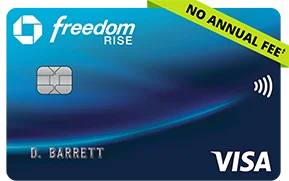
Petal® 1 No Annual Fee Visa® Credit Card*
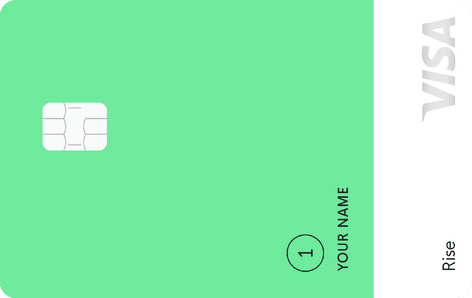
Petal® 2 Cash Back, No Fees Visa® Credit Card*
Upgrade Cash Rewards Visa®*
What is an unsecured credit card?
An unsecured credit card is a credit card that doesn’t require a security deposit. Typically, the credit card company (or issuer) will perform a hard credit inquiry to decide whether to approve you for the card.
What is the difference between unsecured and secured credit cards?
The primary difference between unsecured and secured credit cards is that secured cards require a security deposit. Because of this, secured credit cards often have lower credit requirements because they can use your security deposit to offset the loss if you don’t make payments on your card.
Aside from the security deposit, the benefits offered by unsecured and secured credit cards are similar. Both card types can help you build credit through responsible use. You can earn rewards with both types of cards, although unsecured credit cards generally offer better rewards and perks.
Credit cards for bad credit and limited credit
Whether you want to rebuild your credit or just need a card that’s easy to get, we’ve broken down the different types of credit cards for bad credit and limited credit below.
How to get an unsecured credit card
Depending on your credit, you may not qualify for an unsecured credit card right now. Consider the following tips to improve your chances of approval for an unsecured card.
-
Start with a secured credit card
Open a secured card first and use it responsibly, making on-time payments each month to improve your credit score.
-
Apply through a bank, credit union or store
Applying for a credit card through a financial institution or business you already have a working relationship with may increase your chances of approval. Plus, many store cards come with lower credit requirements (beware, though, as they often have high interest rates).
-
Pay your bills on time
Few factors affect your credit as much as payment history. By paying your bills on time, you can build up a strong credit history and qualify for a good unsecured credit card.
-
Pay off debt
One of the best ways to boost your credit score is to pay off credit card debt. Your credit utilization ratio — how much you owe divided by your total credit limit — makes up a significant part of your credit score.
-
Prequalify
Some card issuers allow you to check eligibility for a card before officially applying for it. Prequalification relies on a soft credit inquiry, which doesn’t affect your credit score, and lets you know whether your credit is good enough to get an unsecured credit card.
How to build your credit with an unsecured credit card
Whether you apply for a secured or an unsecured card, it’s important to use it responsibly in order to build a positive credit history. This includes:
- Paying on time and in full each month. Paying your credit card bill on time is the most important thing you can do for a good credit score. Plus, by paying in full by the statement due date, you can avoid interest charges.
- Keeping your card account active. You need to actually use your card so that the payment activity can be reported to the credit bureaus. A good way to do this is to put a recurring charge on your card (like a Netflix or Spotify subscription), then set up automatic payments so your bill is always paid in full and on time.
- Not overspending. Maxing out your credit card will hurt your credit score, so it’s best to use less than 30% of your available credit. This also helps prevent credit card debt.
Methodology: How we chose the best unsecured cards for bad credit and limited credit
To bring you the list of credit cards for building credit, we use an objective rating and ranking system that compares features across a large set of credit cards (over 200 of them from over 50 issuers). We use calculations to estimate the value of each card for the average cardholder, based on LendingTree and U.S. Bureau of Labor statistics.
For credit-building cards, we devote a large part of the score to features that help build credit — we want to help you locate cards that don’t cost a lot to own and get help you upgrade to better card offers.
Annual savings (50% of rating): We calculate how much the average cardholder can save with the card on a yearly basis. If it is a rewards card, we use U.S. Bureau of Labor data and $300 in monthly spend (the typical starting credit limit for an introductory card) to calculate how much the average cardholder can earn in rewards. We then subtract fees — including annual fees and maintenance fees — from this amount.
Credit building features (50% of rating): We give points for features that help build credit, including reports to all three credit bureaus, regular account reviews for card upgrades and free credit score access. We detract points for features that can be costly to cardholders trying to build credit, such as security deposits, penalty APRs and late payment fees.
Note that our ratings are a starting point for comparing and choosing the best credit card for building credit. However, your needs may be different from the average cardholder. You should consider the amount you’re likely to spend in a card’s bonus categories and which benefits you value to choose the best card for you.
Frequently asked questions
The information related to the Chase Freedom Rise℠ Credit Card, Petal® 1 No Annual Fee Visa® Credit Card, AvantCard Credit Card, Petal® 2 Cash Back, No Fees Visa® Credit Card and Upgrade Cash Rewards Visa® has been collected by LendingTree and has not been reviewed or provided by the issuer of this card prior to publication. Terms apply.
The content above is not provided by any issuer. Any opinions expressed are those of LendingTree alone and have not been reviewed, approved, or otherwise endorsed by any issuer. The offers and/or promotions mentioned above may have changed, expired, or are no longer available. Check the issuer's website for more details.
As someone who does an inordinate amount of research before making financial decisions, Lauren particularly enjoys writing reviews of financial products. She believes that when consumers have enough information, they will choose the right loans or credit cards — and keep more money in their wallets.
Before joining LendingTree, she worked in the education sector as a college counselor and marketing associate. Lauren is passionate about using clear, concise language to empower readers as they make important financial decisions.
“My four-year-old son has recently shown an interest in money. I’ll sometimes chat with him about the basics, but I wasn’t sure how much he was retaining until he offered to sell me a piece of his pizza for $100,000 at dinner last week. When I countered with $2, he told me I could ‘just get a loan’ to pay him the full $100,000.”