
Rich in history, steeped in natural beauty, and home to friendly and hospitable people, Ireland consistently ranks as one of the most popular international tourist destinations. With Irish as one of the most common ancestries reported in the U.S. and Canada, many come searching for their roots. Others come for the pubs (a friend of ours once confessed as much to Irish passport control upon arrival in Dublin). However, Ireland has much more to offer, and you don’t need to have Irish roots to enjoy it. Visiting the Emerald Isle with friends makes the trip even better. Home to legendary storytellers like James Joyce, Oscar Wilde, and William Butler Yeats, Ireland will leave you and your friends with plenty of stories of your own.
Cliffs of Moher
Towering over Ireland’s rugged west coast, the Cliffs of Moher offer jaw-dropping views of the Atlantic Ocean. You don’t have to be a rugged adventurer to take in the sights: paved pathways make the scenery readily accessible for everyone. If you have more ambition and time, the 12-mile Cliffs of Moher coastal walk links the villages of Doolin and Liscannor. For a more relaxing experience, consider stopping by Moher Cottage for coffee, fudge, and gift shopping.
Killarney
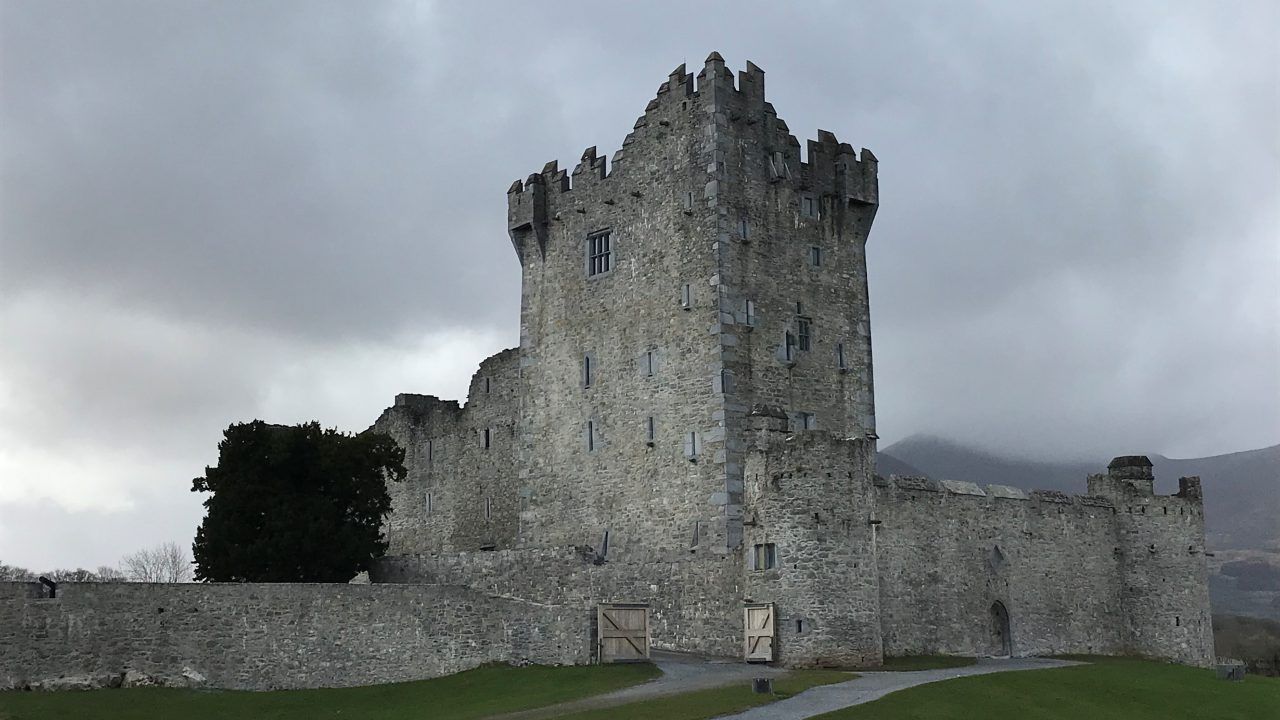
Nestled in southwest Ireland, Killarney wonderfully combines Irish history and natural beauty. Less than two miles out of town sits iconic Ross Castle, a medieval fortress on the shores of Lough Leane. Nearby, you’ll also find Killarney National Park, which offers fishing, wildlife viewing (including native red deer), and hiking. Even if you don't feel up to a challenging trek, you can glimpse the area’s natural majesty with a short walk from the roadside to Torc Waterfall.
Dublin Castle
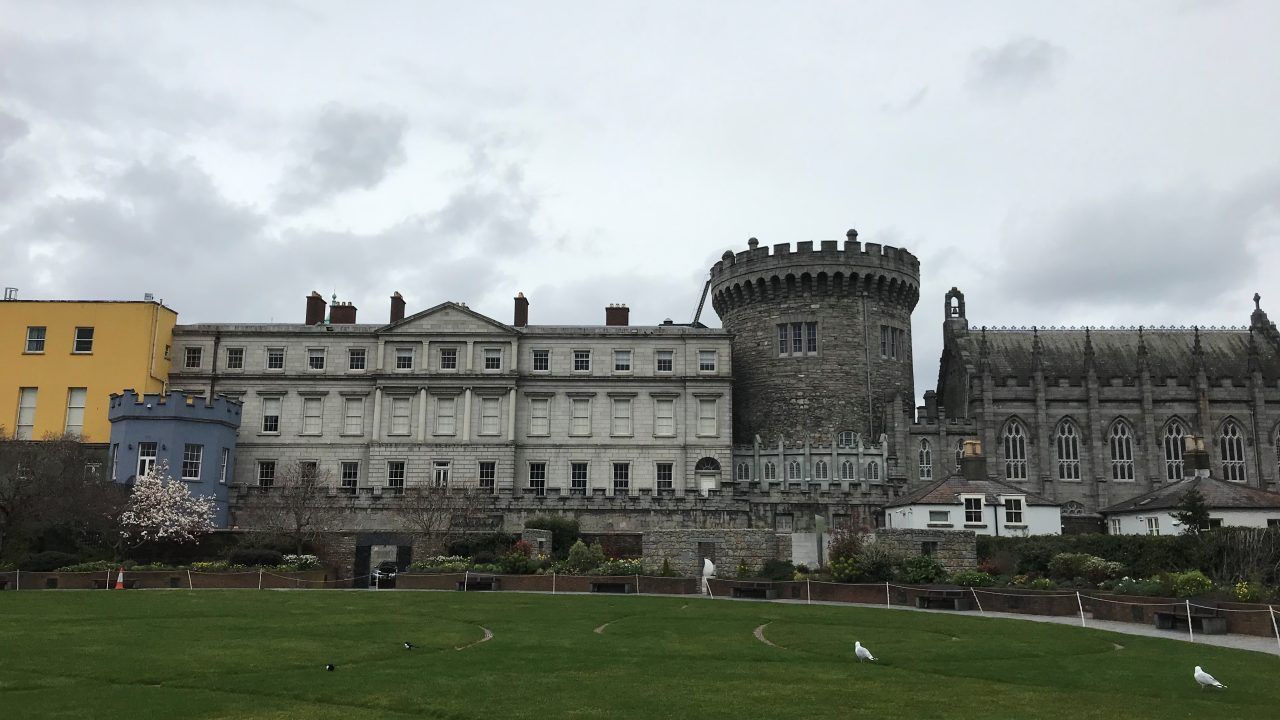
In the heart of Ireland’s capital, Dublin Castle served as the seat of British power on the island for centuries until 1922 and still hosts important state functions today. You can take in the architecture from the outside and stroll through the adjacent Dubh Linh Garden. Inside, a guided tour includes a trek to the castle’s underground medieval-era origins, or you can follow a self-guided tour that takes you through the state apartments and their impressive art collection.
Rock of Cashel
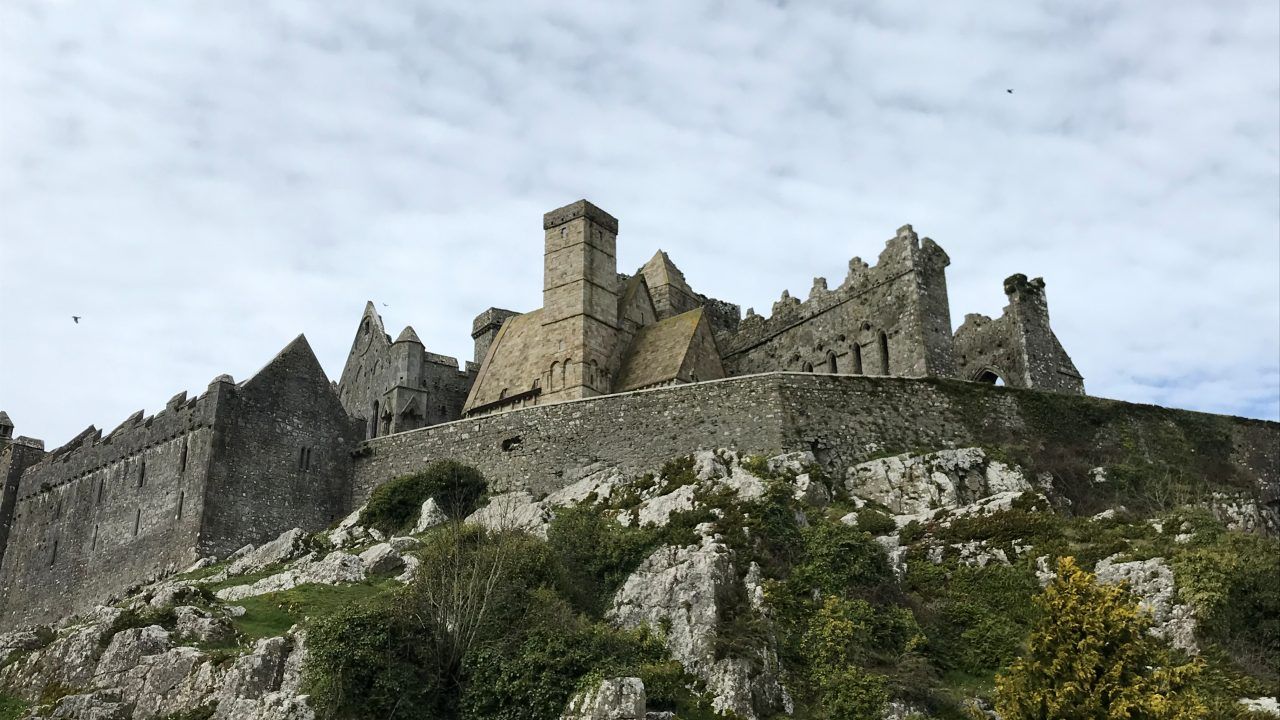
Perched on a hill overlooking the Tipperary countryside and home of ancient Irish kings, the Rock of Cashel is one of the most historic spots on the island, with its oldest portion dating to roughly 1100. The town of Cashel, a picturesque 4,000-person hamlet, sits at the foot of the rock and includes several places to eat and shop for unique local crafts.
Trinity College
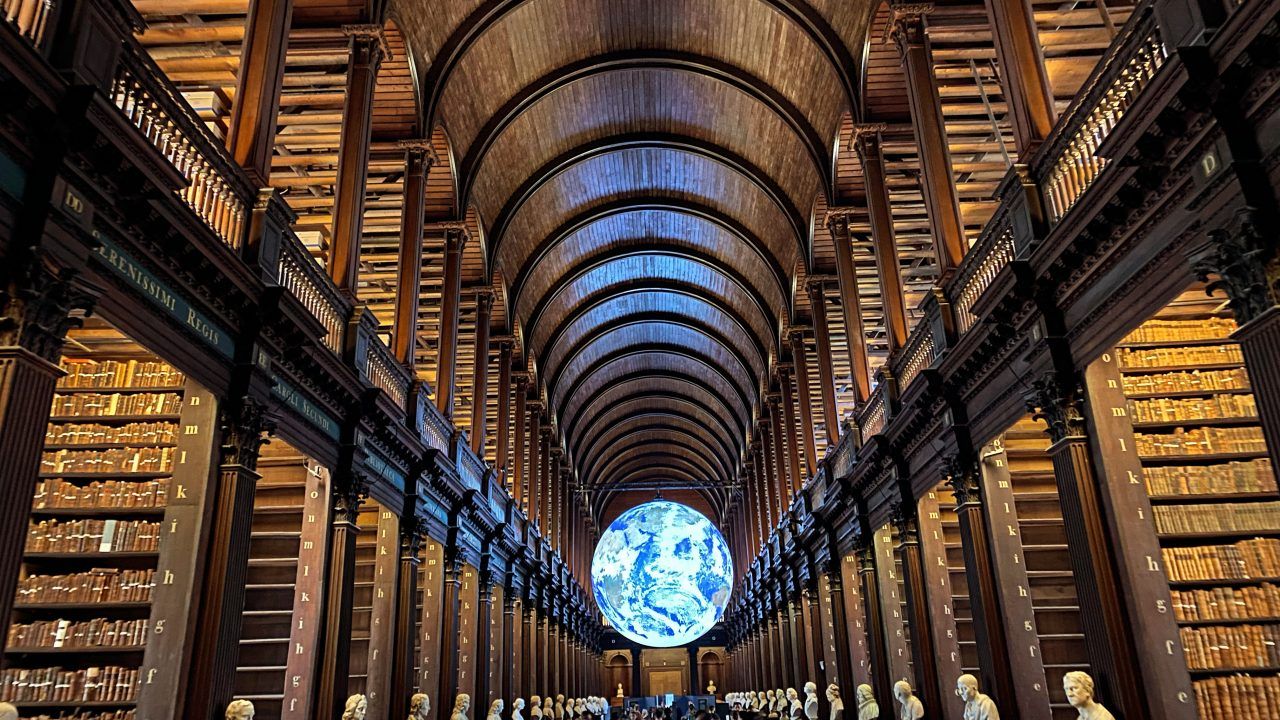
Trinity College’s library houses the Book of Kells, a Celtic Gospel from the 9th century. Upstairs sits the Old Library’s famous and visually imposing long room, which displays one of the original printings of the 1916 Proclamation of the Irish Republic and Brian Boru’s harp, a medieval instrument that served as the model for both the Irish coat of arms and the trademark for Guinness.
Kilkenny
In Kilkenny, tour the castle, originally built in the 12th century, or just explore its grounds on the banks of the River Nore. The Medieval Mile reaches from the castle eastwards to St. Canice’s Cathedral and its 9th-century round tower. At the same time, Kilkenny buzzes with charming shops, welcoming pubs, lovely parks, and lively festivals.
St. Patrick’s Cathedral
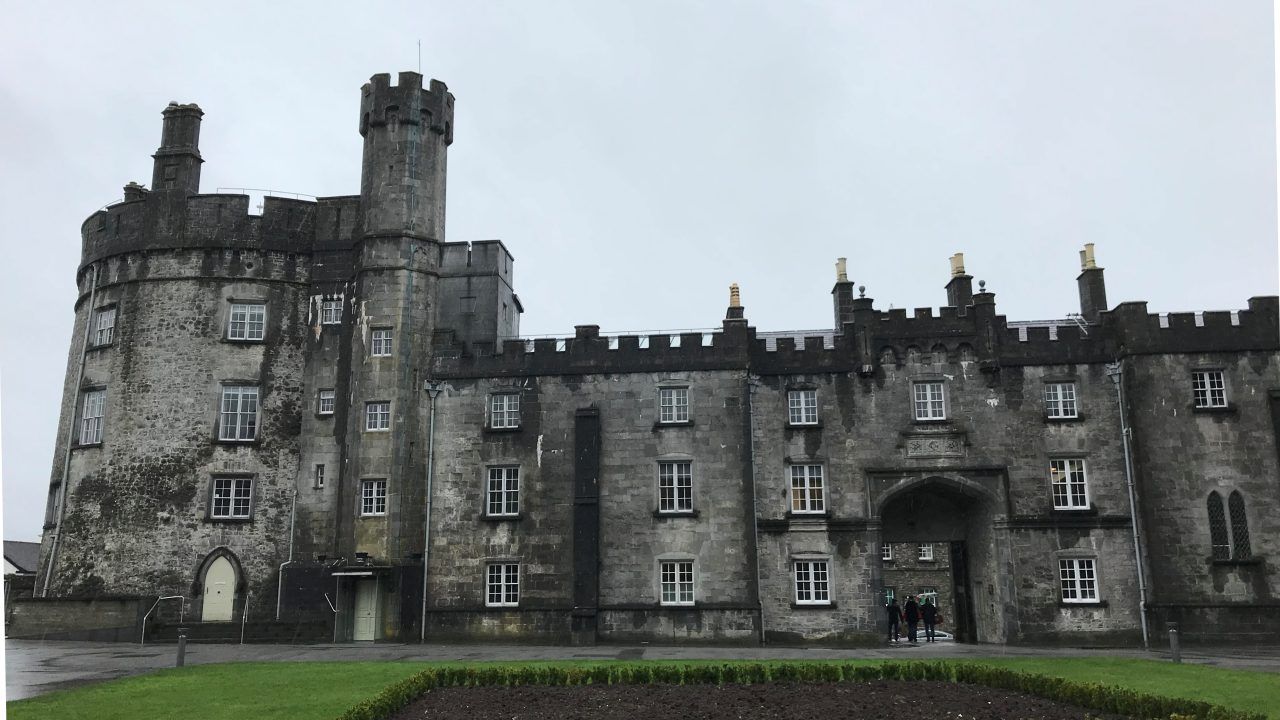
Even for the non-religious, St. Patrick’s Cathedral’s architecture, art, and eight centuries of history make it a fascinating spot to visit. Jonathan Swift, author of Gulliver’s Travels, served as dean of the cathedral, and his tomb lies near the cathedral’s entrance. Next door sits Marsh’s Library, the oldest public library in Ireland, where you can sit at the same table where Bram Stoker (author of Dracula) read. St. Patrick’s Park offers a lovely urban oasis on the cathedral's north side, including a small café and “Literary Parade,” honoring famous Irish poets and authors.
Connemara
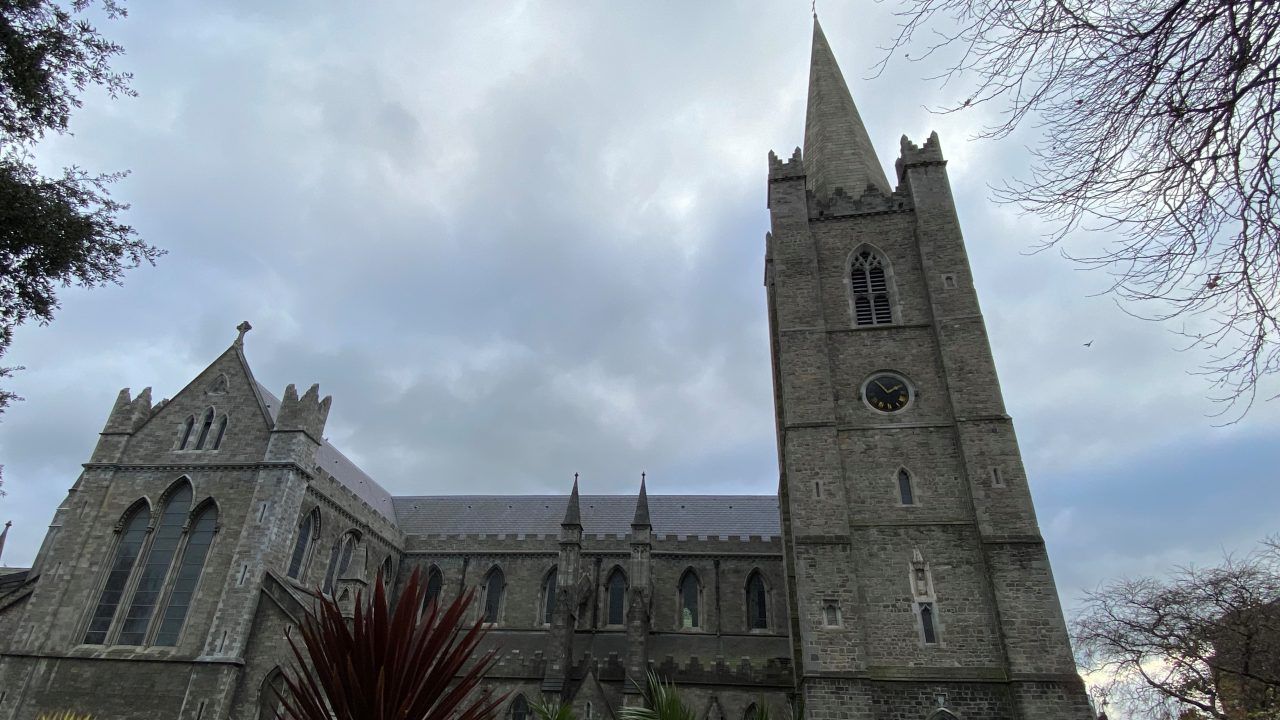
On the Atlantic coast west of Galway, the sparsely populated Connemara region features a landscape described by Oscar Wilde as a “savage beauty.” Perfect for exploring by bicycle, you can also hike the Twelve Bens, a group of mountains in Connemara National Park. The seaside town of Clifden features a diverse collection of restaurants, unique shops, and friendly pubs. Just outside of town, Sharamore House is a lovely place to stay, and the locally caught smoked salmon at breakfast was excellent.
Dalkey
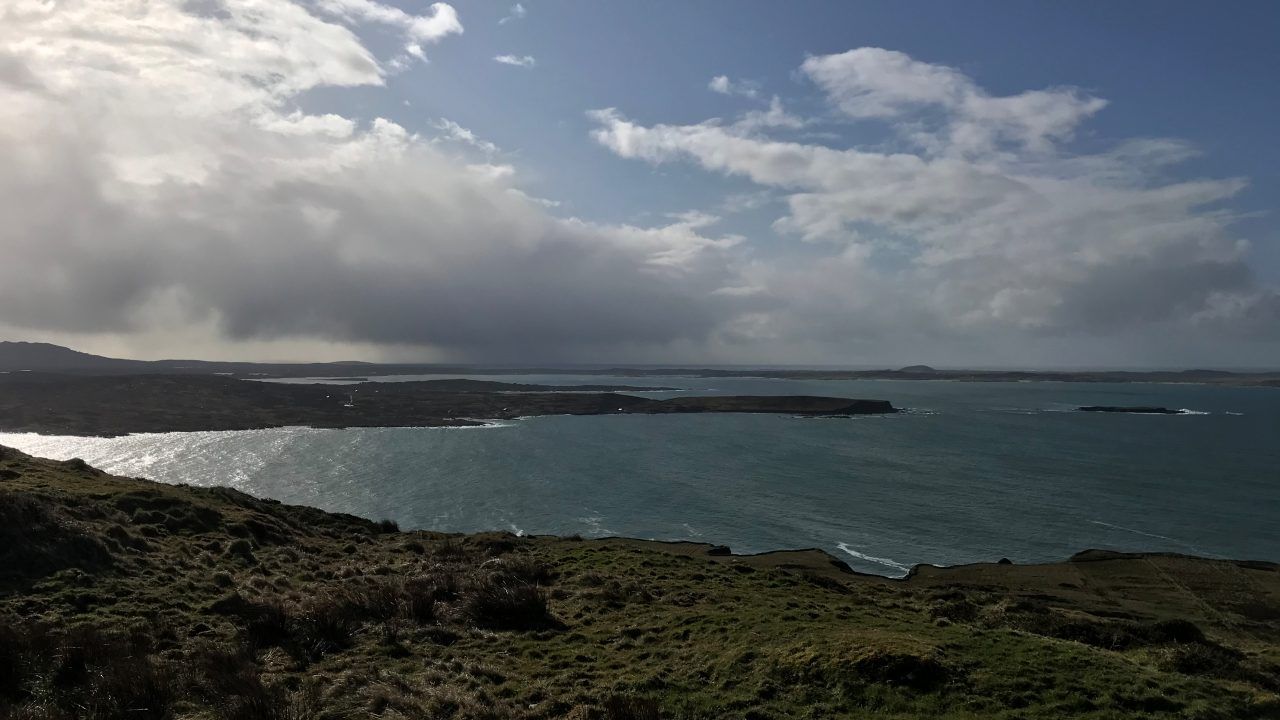
Easily accessible by train from Dublin, Dalkey feels much further away. The castle offers living history tours with costumed actors and a choice of guided walks through the seaside town. You can also explore on your own, with trails weaving through the village and along the coast. A small (OK, tiny) passenger ferry takes sightseers out to Dalkey Island, or consider renting kayaks and paddling around with the dolphins and seals.
Dingle
Another of the gems on Ireland’s west coast, the Dingle Peninsula features a charming and colorful town, scenic byways, and waterborne adventure. Making a full lap of the peninsula will take most of the day as you wind through tiny villages and pass rolling green fields. Out on the water, choose from sailing, kayaking, diving, even surfing, marine wildlife and dolphin tours, and more. The town of Dingle includes an array of shops, galleries, and boutiques, as well as plenty of places to eat and drink.
Cork
A maritime city perfect for exploring by foot, Cork features colorful Georgian buildings along picturesque quays. The English Market not only has vendors selling all manner of produce, meat, seafood, spices, and more, but also cafés and restaurants in case, like me, your vacation plans rarely include using a kitchen. Whale-watching tours depart from nearby and allow you to see humpbacks, fin whales, and minke whales, depending on the time of year.
Jameson Bow Street Distillery
The original home of the famous whiskey in the heart of Dublin offers a variety of tours. Only some in our group cared for whiskey, so we chose the simplest option. After the multi-media presentation about the company’s history and whiskey-making process, a tasting included a couple of less common varieties that pleasantly surprised the non-whiskey drinkers in our group!
Muckross House and Abbey
Near Killarney, 19th-century Muckross House offers a one-hour guided tour through 14 elegant rooms. A gift shop sells scarves, hats, and other accessories woven onsite while gorgeous gardens surround the house outside. A short walk away, past traditional farms that show rural Irish life as recently as the 1940s, sits a well-preserved 15th-century friary you can explore.
Howth
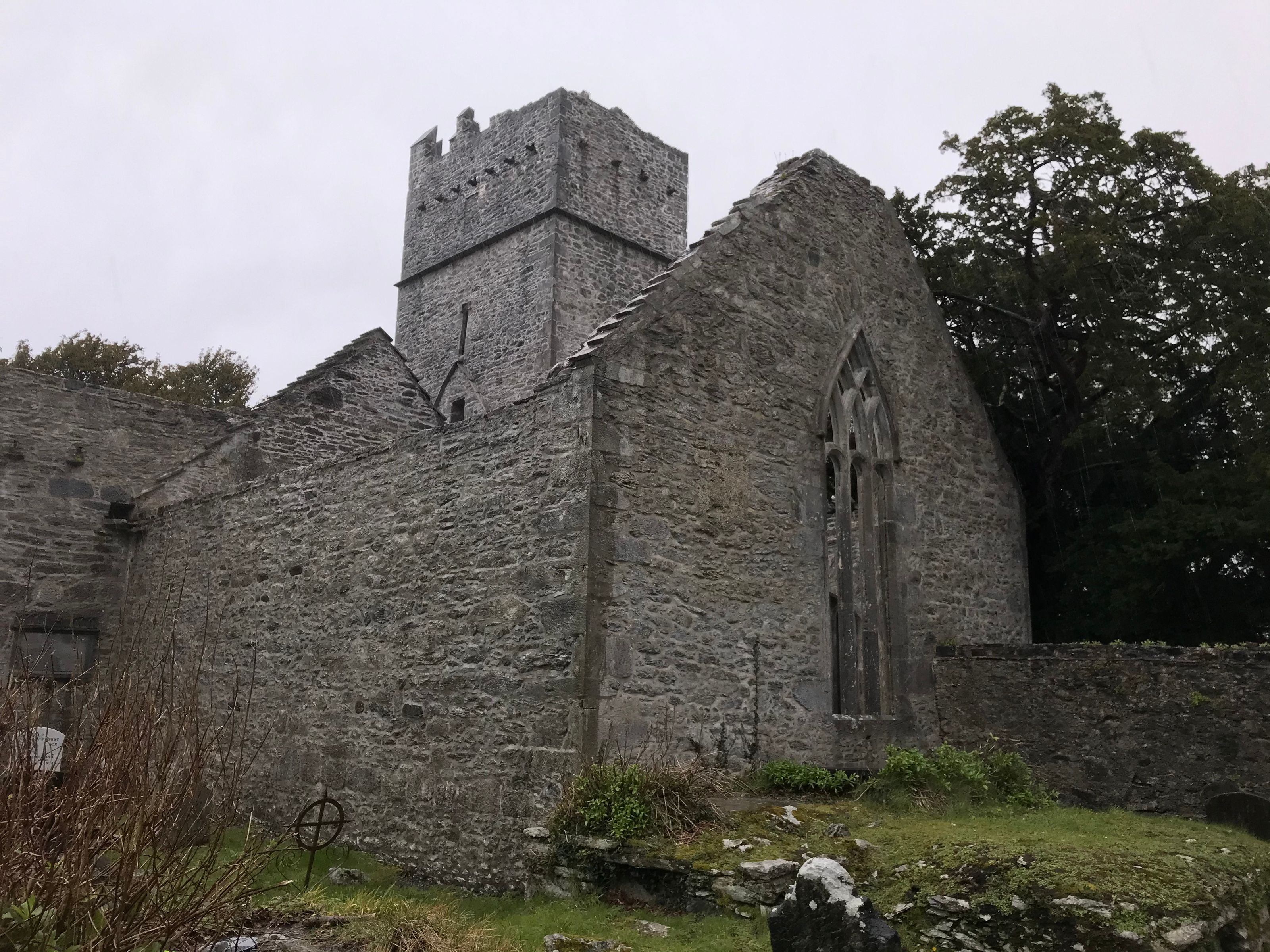
A half-hour by train from central Dublin, the little fishing village of Howth contrasts with the big city’s bustle. Seafood restaurants ranging from fish and chip shops to higher-end establishments ring the compact harbor. A network of hiking trails includes options that suit just about any ability or fitness level. The nearby castle has been home to the same family for 800 years and features hands-on cooking classes from professional chefs.
Waterford
Ireland’s oldest city, founded by the Vikings more than 1,000 years ago, Waterford exudes a rich history and heritage. The ancient walls survive in the Viking Triangle, along with Reginald’s Tower, which houses archeological finds from the area’s Norse past. Along the shore, you can find sheltered coves for kayaking or paddleboarding, while inland trails, some paved, offer scenic walks or bicycle rides. Of course, if the town's name sounds familiar, you’re probably thinking of Waterford Crystal, which offers a factory tour where you can see artisans bring a centuries-long tradition of craftsmanship to life.
O’Connell Street
Running from the River Liffey northward toward Parnell Square, O’Connell Street is a vibrant urban thoroughfare rich in Irish history. Lined with busy shops and restaurants, the street has a median strip with statues of key figures from Ireland’s long struggle for independence. The Government Post Office still bears bullet holes from the 1916 Easter Rising, which began here after Patrick Pearse read the Proclamation of the Irish Republic.
Ballyseede Castle
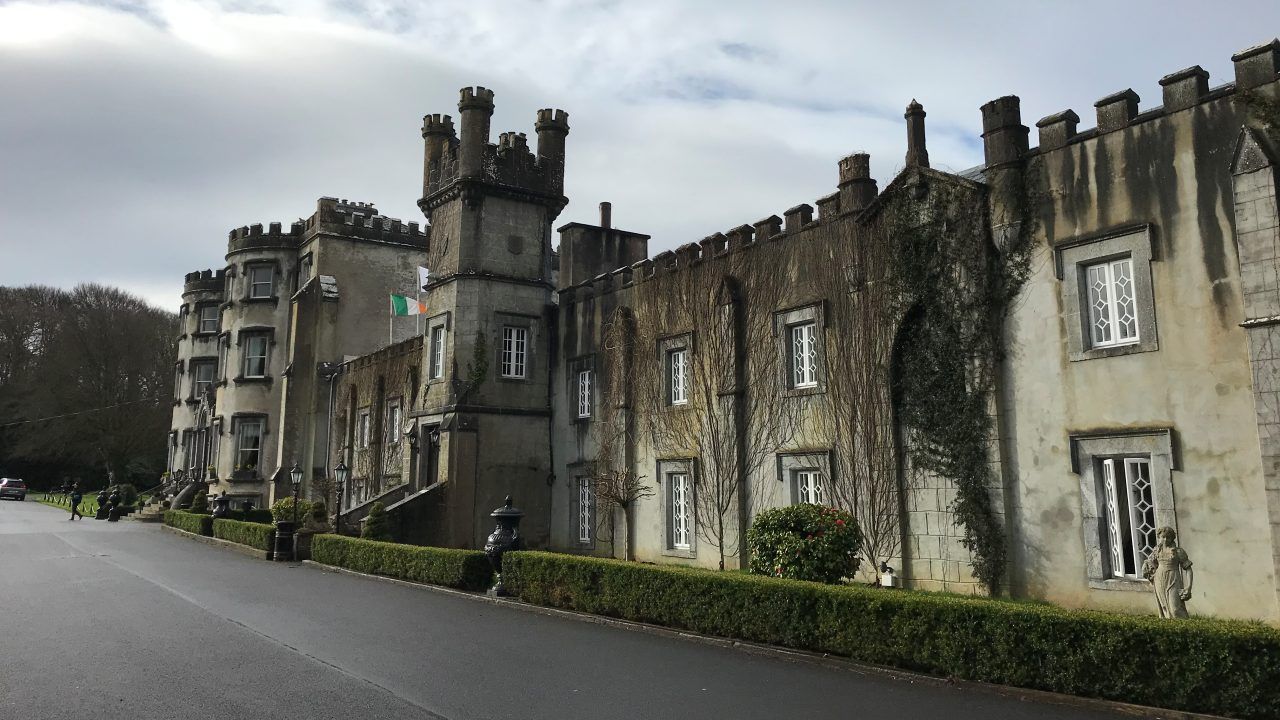
Just outside the town of Tralee, near the neck of the Dingle Peninsula, Ballyseede Castle boasts 45 guest rooms in an 18th-century estate in a serene natural setting. The family-run property is home to friendly dogs who like to keep patrons company in the cozy bar and reportedly at least one ghost (we saw the dogs and the bar, but not the ghost). Opt for casual dining in the bar or fine dining upstairs, explore the luxurious rooms, and enjoy the spacious grounds. Ballyseede’s location makes it a great jumping-off place for adventures around Dingle or Killarney.
Guinness Storehouse
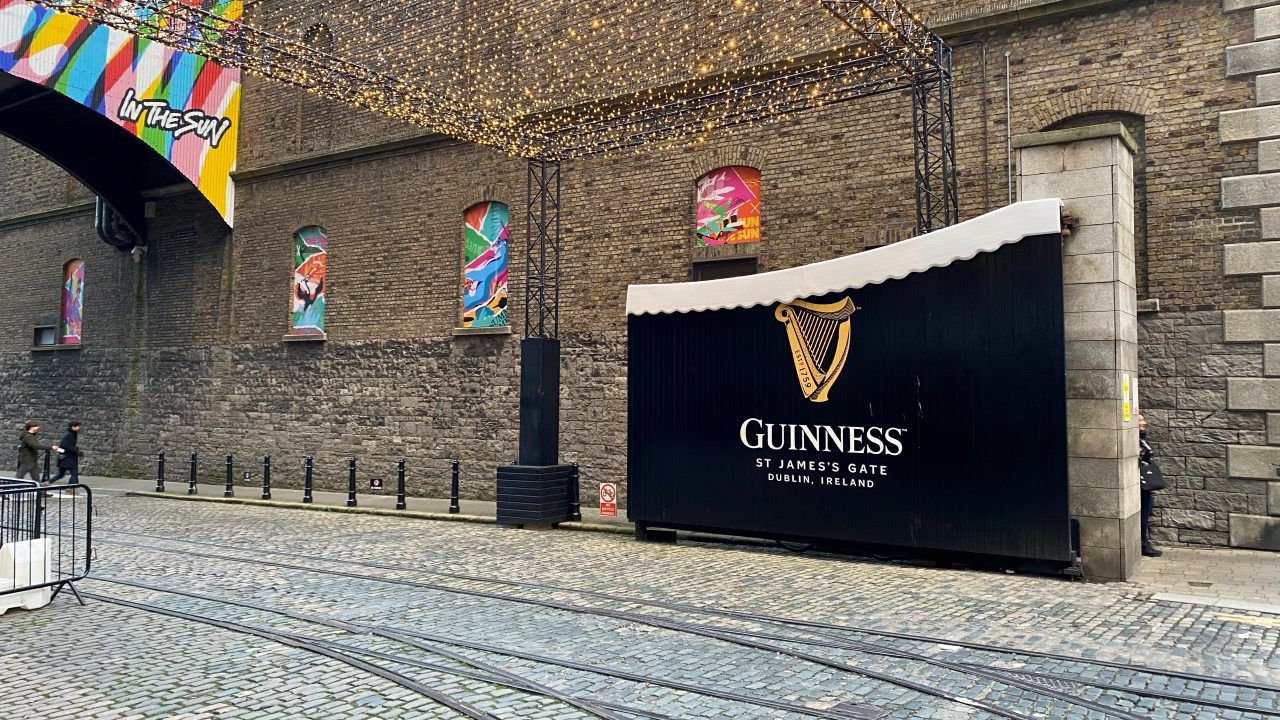
The Guinness Storehouse ranks among Ireland’s most popular attractions for good reason. The self-guided tour spans several floors and shows how they’ve made the iconic beer for over 250 years (and even the craft of making wooden barrels, which Guinness used until the 1960s). Another floor celebrates the brand’s iconic advertising, including the cast of mischievous zoo animals. Admission includes a pint in the Gravity Bar on the top floor, which perhaps has one of Dublin's best views. If Guinness isn’t your speed, no need to worry: they also have their Hop House 13 Lager available.
Ring of Kerry
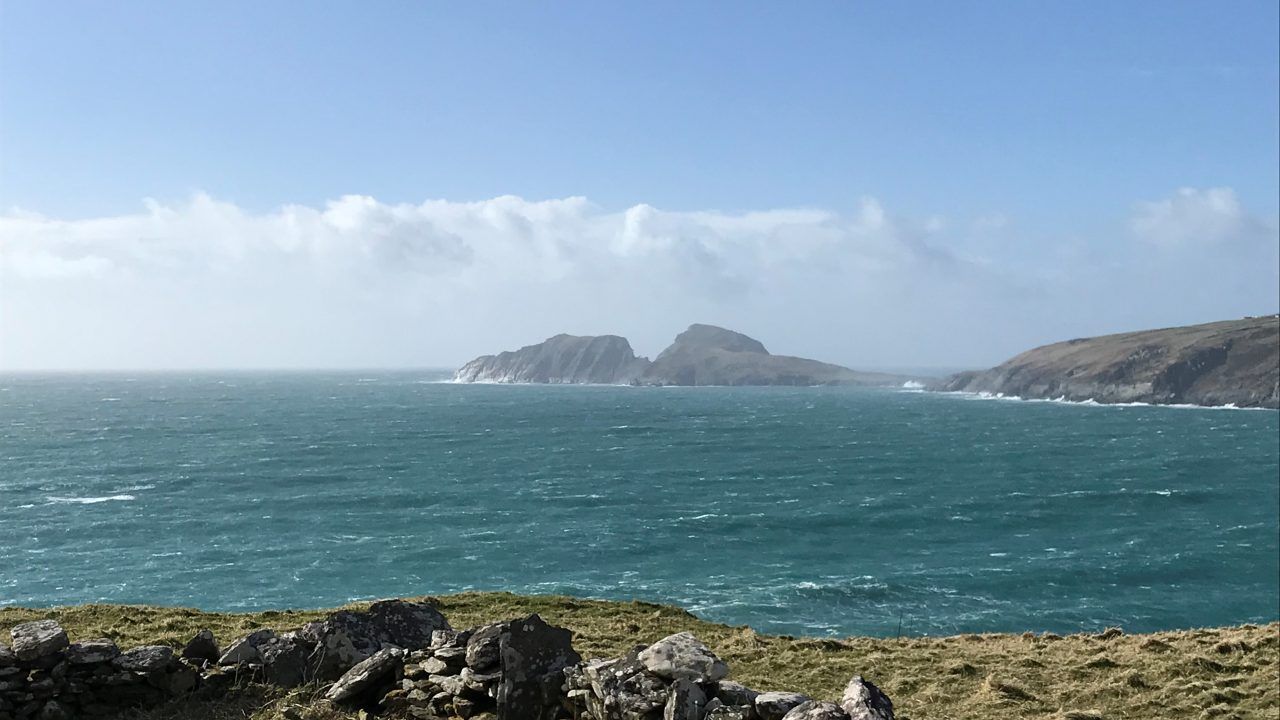
One of Europe's most popular scenic drives, the 111-mile Ring of Kerry circles the Iveragh peninsula west of Killarney. Expect to spend a whole day following the twisting roads along the coast and taking in unforgettable views of small towns and ancient ring forts. On a clear day on the peninsula's far end, you can see Skellig Michael, which Star Wars fans might remember from The Force Awakens and The Last Jedi.
Temple Bar
Temple Bar is a bustling neighborhood in central Dublin known for its pubs. The area also includes gift shops and several restaurants. Gallagher’s Boxty House serves a fantastic brunch, and about a block away, The Old Mill focuses on traditional Irish dishes. Other attractions in Temple Bar include the Irish Film Institute, The Irish Rock n’ Roll Museum Experience, and the Smock Alley Theatre, so there’s more to do than just drink!
Blarney Castle
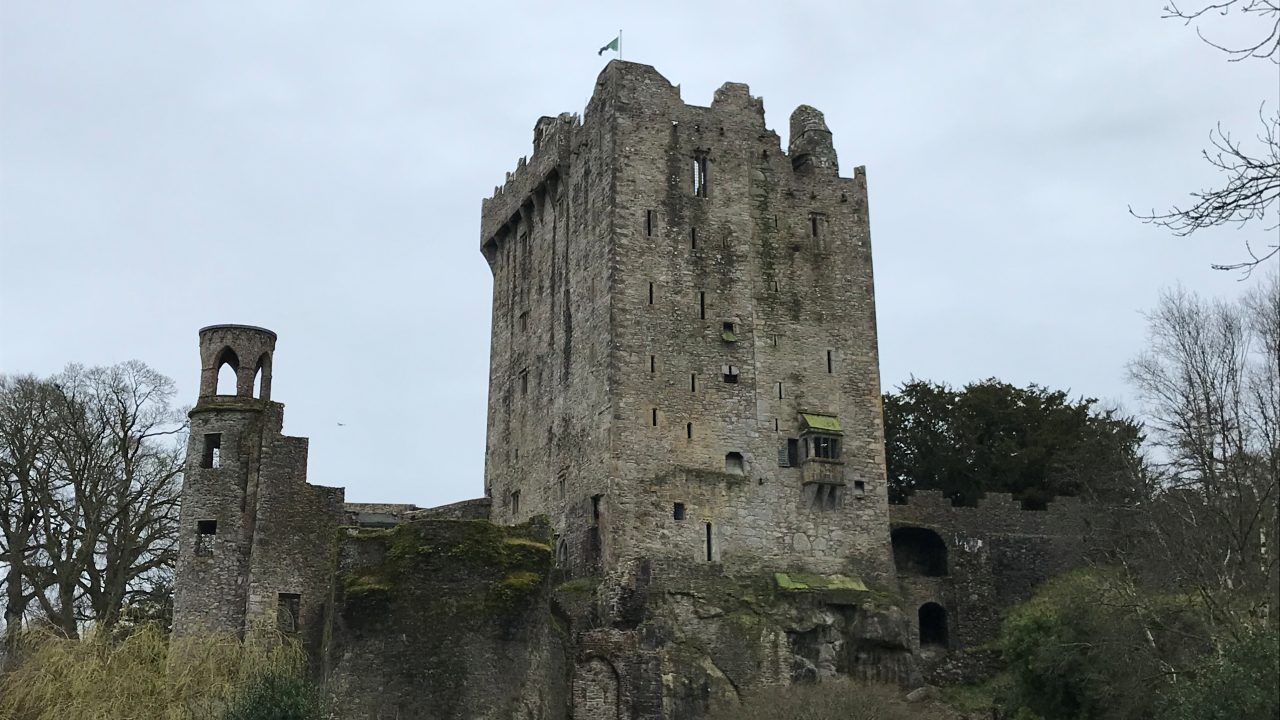
Just north of Cork lies Blarney Castle and its famous stone, reputed to bestow the gift of eloquence on anyone who kisses it. You don’t have to kiss the stone — set into the battlements at the top of the castle, it requires a bit of contortion to reach, and I suspect anyone afraid of heights might not enjoy bending over backwards that high above the ground, even with the iron safety rails and attendants to help. We passed up the ritual ourselves but still enjoyed the expansive gardens (which took up most of our visit to Blarney), the climb through the 600-year-old castle, and the view from the top of the parapet.
Galway
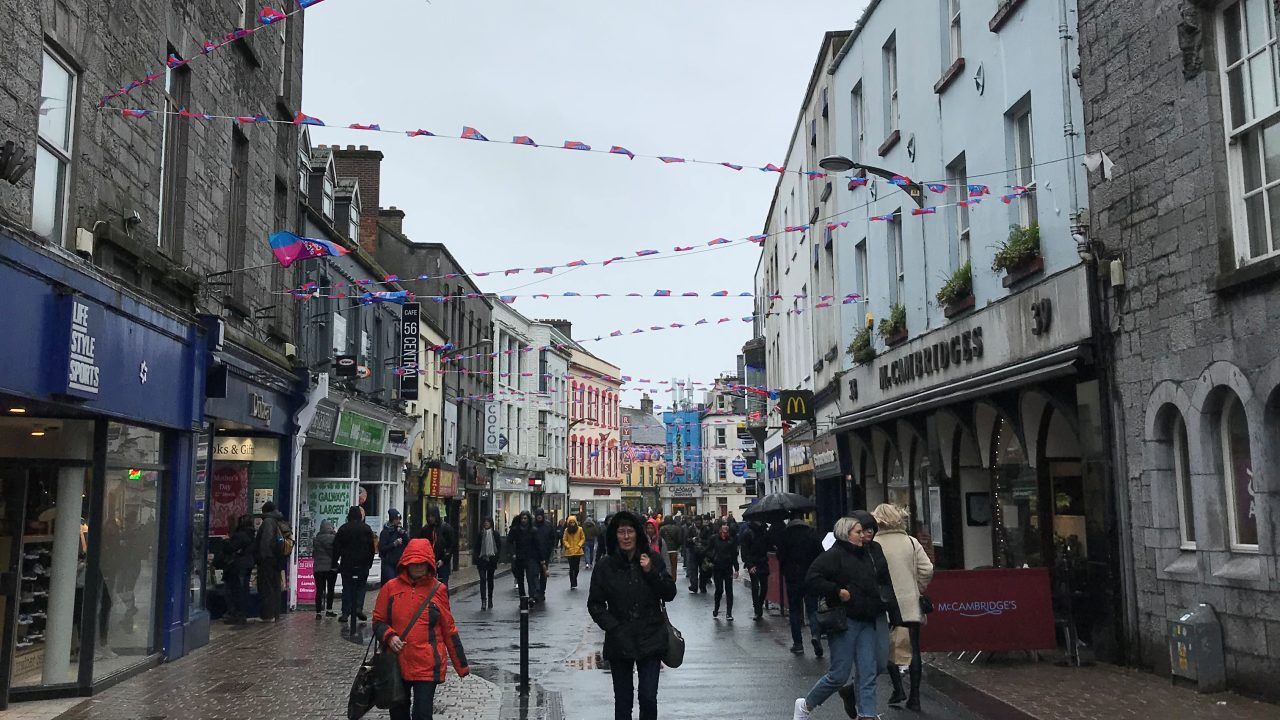
Galway’s past as a thriving seaport has given it a colorful history, reflected in its lively Latin Quarter, which boasts a collection of more than 50 restaurants, a variety of shops, and several pubs, many of which are still heated by traditional turf fires. Nearly the entire waterfront is parkland, with plenty of opportunities to enjoy the waterfront. From Rossaveel (about 45 minutes to the west), you can also visit the Aran Islands, where you can visit ancient ruins, see filming locations from The Banshees of Inisherin, shop for locally made wool products, or take in the natural beauty.
EPIC The Irish Emigration Museum
EPIC The Irish Emigration Museum tells the story of Irish immigrants, going back to 500AD, and their global impact. If you’re one of those 70 million people worldwide who claim Irish heritage, you can trace your lineage at the onsite Irish Family History Centre. Nearby, the Jeanie Johnston is a replica of a 19th-century sailing ship like those that brought a million Irish to North America during the Famine. The surrounding Docklands neighborhood features plenty of other sights to see and places to eat and drink.
Kinsale
Just south of Cork, colorful Kinsale marks the southern terminus of the Wild Atlantic Way. This 1600-mile route follows Ireland’s entire west coast. Various shops, galleries, and restaurants line Kinsale's narrow, windy streets, and a trail loops around Compass Hill to offer a postcard-worthy view of the town. You can take a sailing excursion or sightseeing cruise from the harbor, rent kayaks, and more. The harbor entrance has 17th-century forts on each side, dating back to when Kinsale was the target of a Spanish effort to invade England via Ireland!
This article originally appeared at wealthofgeeks.com