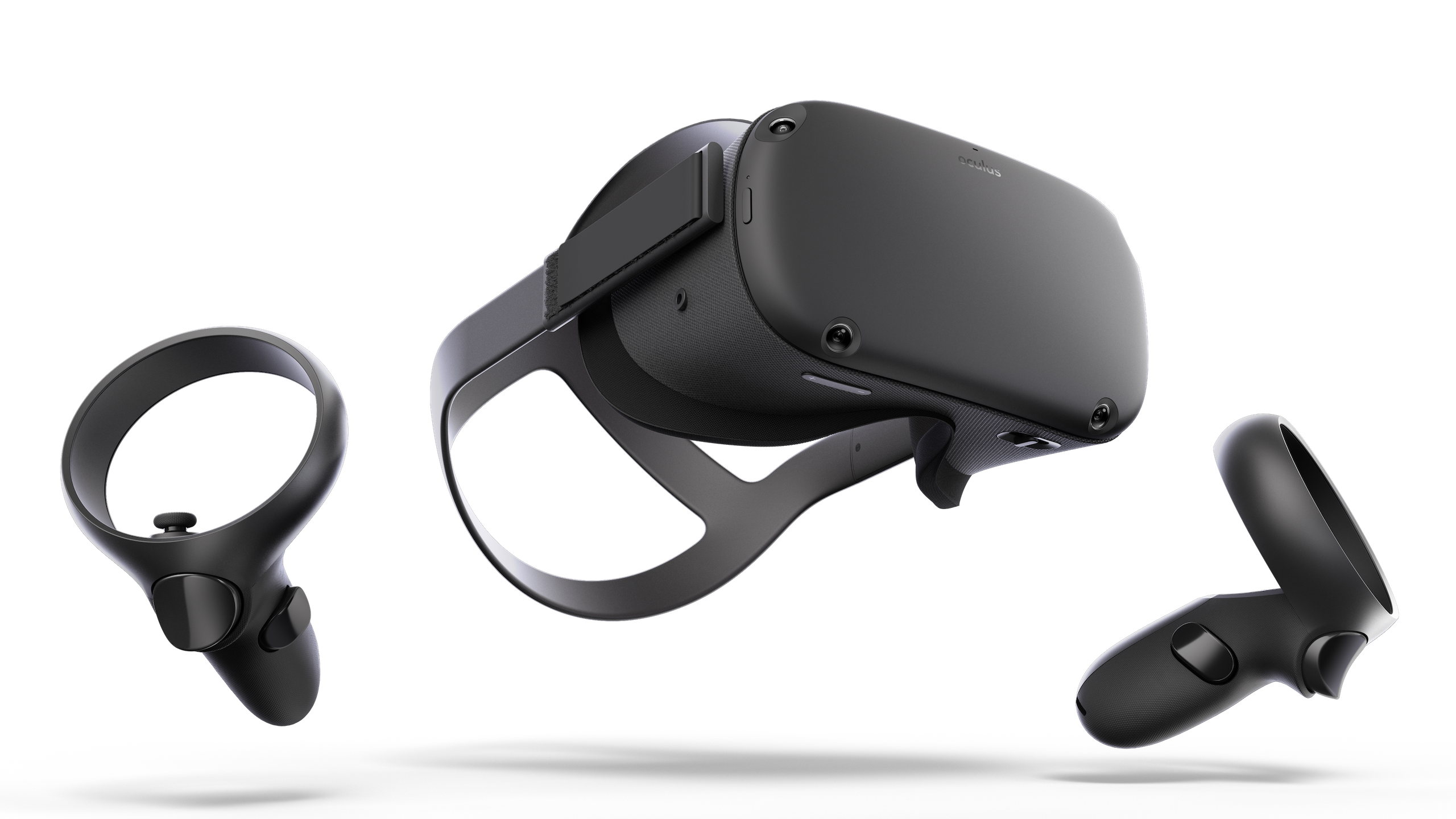
When Facebook — because Facebook owns everything now — announced the Oculus Quest I made the bold and probably improbable prediction that it would be the headset that finally made VR mainstream. That was before the price was announced.
Facebook’s previous wireless VR headset, the Oculus Go starts at $199 (£199 in the UK). The Oculus Rift S — the flagship headset for VR enthusiasts -features an upgraded passthrough camera and inside out tracking, and costs $399 (again, a dollar for pound translation in the UK at £399).
The Oculus Quest? It too starts at $399 for the 64GB edition (a version with 128GB of storage is $499).
Trending AR VR Articles:
1. Five Augmented Reality Uses That Solve Real-Life Problems
2. Virtual Reality Headsets: What are the Options? Which is Right For You?
Even though it’s got the same ticket tag as the high-end Oculus Rift S, I think that’s a fair price. In fact, it’s probably a heavily subsidised price — but it’s not a mainstream price. It’s not the impulse purchase amount that will get the masses into VR. The Oculus Go only came out last year and sold over a million at $199. Would it have done as well at $399? How many who bought the Go will bother to upgrade to the Quest?
As a VR researcher, I had a budgetary choice to make about which new Oculus headset to buy — the wireless Quest, or the tethered, incrementally upgraded Rift S. I’m sure I’m not alone in that.
Ultimately, if you choose the Oculus Quest you get a device that five years ago would have been unimaginable.
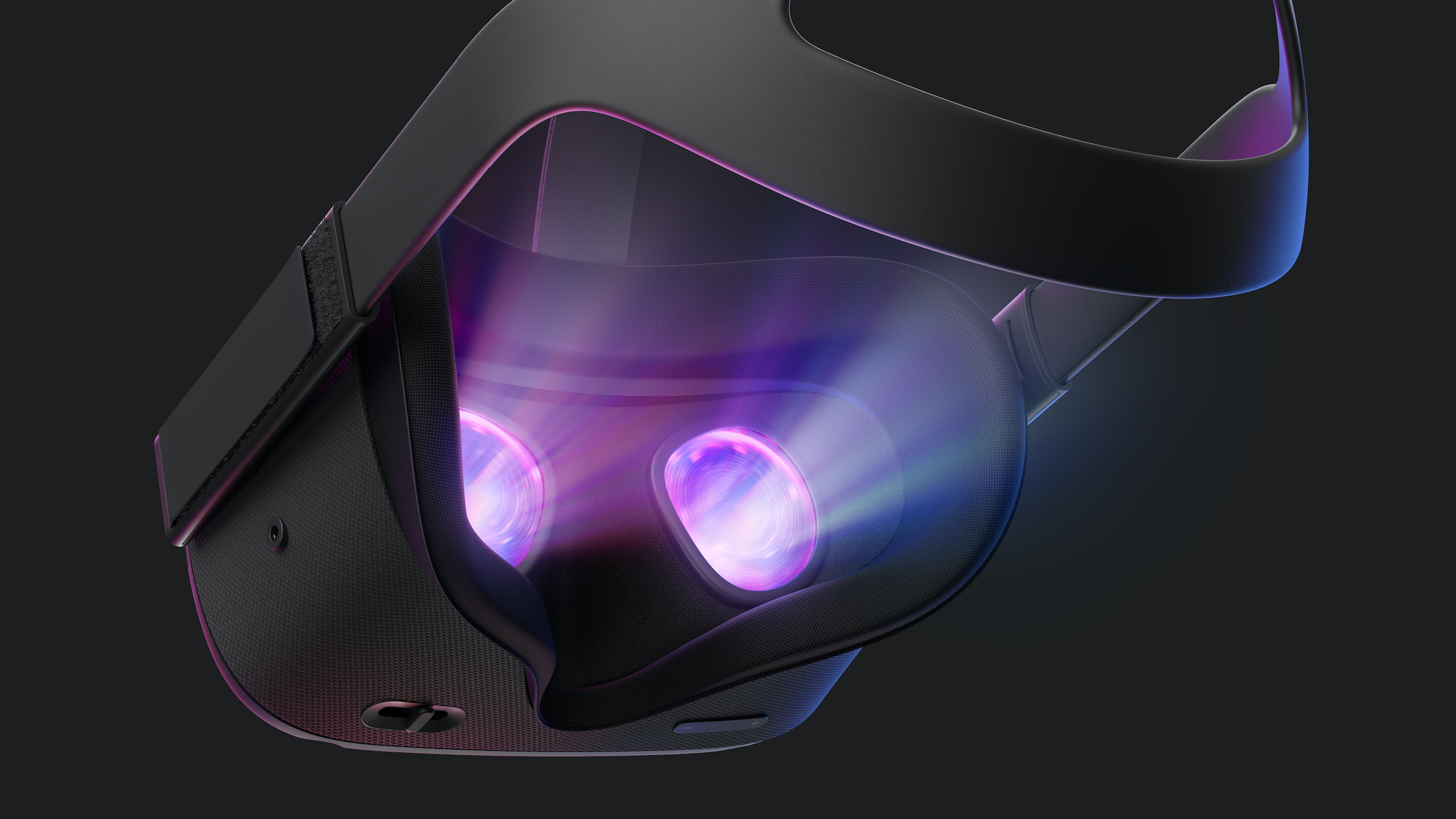
The Quest does not require a fast, expensive PC to play games and take part in VR experiences. It is wireless, unlike the Rift (or the recently released Rift S). So what? Some might say. Neither did the Oculus Go.
There’s one crucial difference.
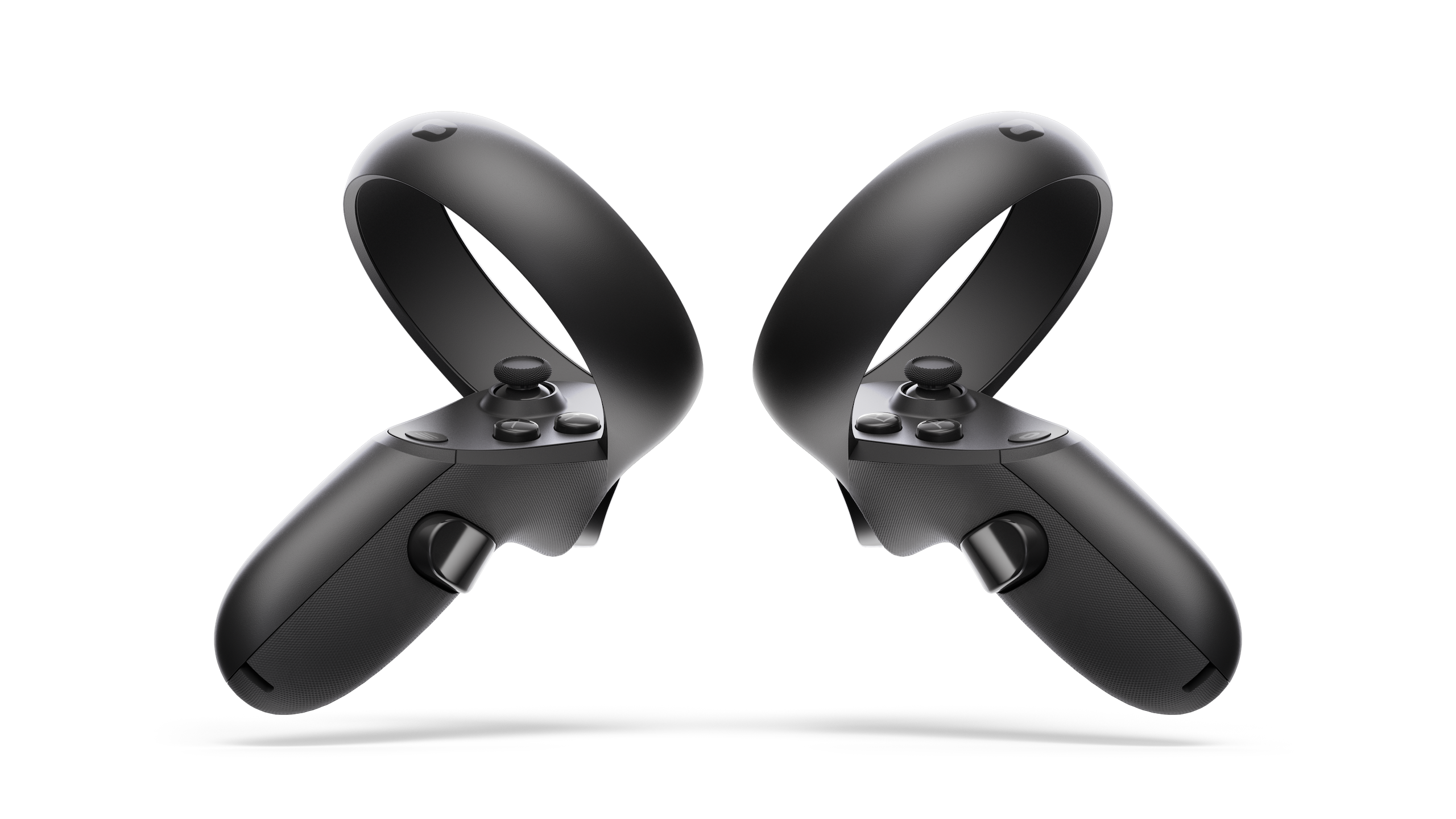
With the Oculus Go you can look around, up and down — but move forward and the scene moves with you. With the Oculus Rift, you can walk into the scene itself, but there are wires to your PC’s HDMI and USB ports ready to trip you over.
The Oculus Quest has built-in spatial tracking which enables users to experience the holy grail of wireless headsets: room-scale VR. No wires and freedom to wander around inside VR. Until you bump into a wall or trip over the carpet, that is.
I took delivery of my Oculus Quest a few days ago and have had some time to playtest. So far, I’m as pleased as a pig at Christmas that I chose the Quest over the Oculus Rift S. The Rift S is, by all accounts, an interim release — like the S versions of the iPhone — that brings little to the table but a bit more pizazz. But the Quest complements the other headsets I already own, sitting nicely between the Go and the original Oculus Rift. It’s an entirely different thing; a standalone headset with the best consumer level VR experience currently available.
In the twelve hours I’ve clocked up so far, I’ve tested half a dozen apps, had a good old poke around the interface and tried the headset in different rooms. Here’s what I thought.
Mobile, wireless, cable-free, room-scale VR is that cliche of hardware reviewing, a game changer. I know people (and by people, I mean VR enthusiasts) who rigged ceiling hooks, pulleys and tracks for their headsets to rid themselves of those pesky umbilici. Being untethered makes VR much more immersive. It’s stage three of the evolution. Consumer VR first, wireless VR second, room-scale third.
To stop you stumbling into and breaking things (like your teeth), Oculus headsets implement a thing called a “guardian system”. This allows you to map a play area in any space you’ve cleared — that appears like a neon cage when you brush into its borders. With the Quest’s Guardian System, it is awesome to be able to look at the room in front of you, using the passthrough cameras that double as trackers, and simply draw your boundaries with a controller. What an elegant solution. The software auto-saves up to five different set-ups for you, so you’re not confined to using the Quest in a special room.
The graphics are nowhere near as compromised as I expected them to be. Playing Robo Recall: Unplugged doesn’t look sufficiently different, without a side-by-side comparison, for it to break the experience. Any decrease in graphic fidelity — and there is some because we’ve moved from a PC with dedicated graphics hardware to a mobile Snapdragon 835 processor — is offset by the increase in immersion.

In spec terms, the display resolution at 1440 x 1600 pixels per eye is actually higher than the Oculus Rift’s 1080p for each screen. But I, for one, was less aware that I was looking at two separate, stereoscopic images than I am in either the Oculus Go or the Rift.
Not everything is perfect. The battery time doesn’t seem great. I didn’t time every session, but it felt like less than 2 hours on one charge, which is similar to the Oculus Go.
Many users have complained about the glitchy and tinny audio. Rift users are used to having built in, over the ear headphones. I use earbuds with my Oculus Go though, so it’s no big deal to adopt this practice with the Quest. Any in-ear headphones will do, though Oculus sells a separate pair as an accessory if you want to keep to the theme.
One issue that irritated and is currently a topic for hot debate on VR forums (for which read “inarticulate snark and contemptuous name-calling”) is Facebook’s decision to build in a mechanism that allows developers to control whether players pay for Quest titles they already own on the Oculus Rift. The initiative, called “cross-buy”, lets devs flick a switch when porting the Quest version of an app. So far, not many have elected to flick that switch — including some pretty big, pretty expensive titles. And in its two weeks on the market, Oculus has sold $5 million worth of software.
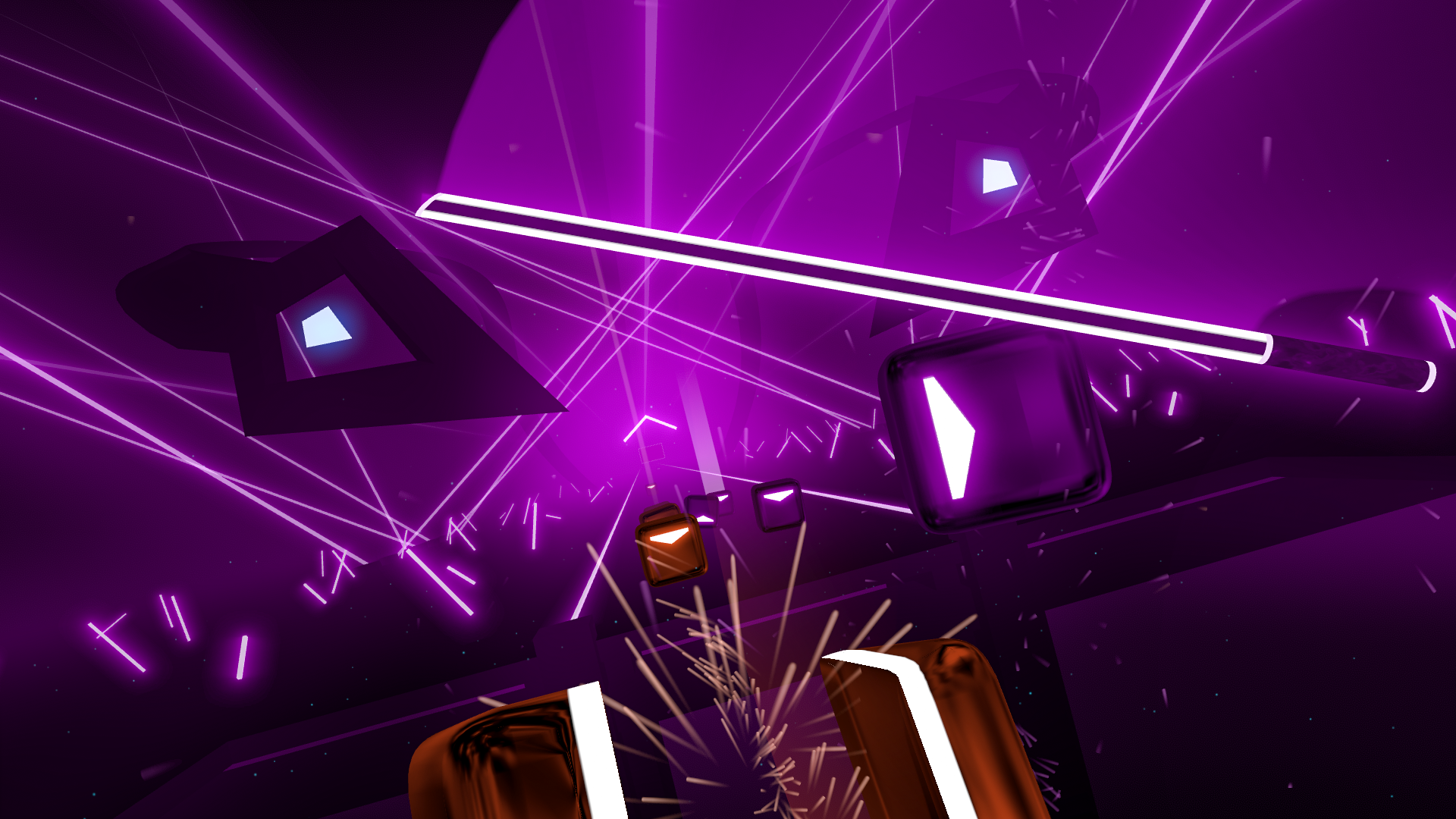
When software companies are developing for the Rift on the PC, this is largely expected and excusable. The juggernaut that is Beat Saber, for example, recently came out of early-access for its 1.0 release. The port to the Quest represents months of work retooling the app for a mobile platform. If you bought Beat Saber in early access, and really want it for the Quest, it will cost you the full price.
The really odd thing is that cross-buy only applies to Rift apps. If you have the Oculus Go version of an app and want it on the Quest then you’ve no choice but to buy it again.
Finally, the Oculus Quest is missing something that both existing headsets have — a place you can call home. The Oculus Go has Oculus Rooms, a customisable space where you can play games with friends, watch videos and just hang out. The Oculus Rift has Oculus Home, a shareable space you can do all of the above with more finesse — including designing and importing your own layouts and objects from 3D modelling tools. Right now, the Oculus Quest doesn’t have its own equivalent, though third-party apps Rec Room and VR Chat offer some of those experiences.
Still, the potential of the Oculus Quest is what interests most. In six months, more software from the Rift will begin to appear — and then games and experiences specially designed for the Quest. Oculus claims they’ll have over a hundred titles in store by Chrimbo.
Vader Immortal, available for both the Rift S and the Quest at launch, points a little way in that direction. Most VR experiences have fairly limited mechanics but this Lucasarts title, based on the Star Wars franchise, cleverly strings together climbing, puzzle solving and combat sequences to build a more involving narrative experience. And, on the Quest, there are no wires to hold you down.
If you’re just curious about VR, maybe wait a few months. See what offers come up at the festive season. If you want to get started in VR and you’re trying to decide between the Oculus Quest and the Rift S — the Quest is the clear choice. For one payment, you’ll have everything you need to get started, with little set-up, no expensive gaming PC to buy on top and the freedom of wireless.
Don’t forget to give us your 👏 !