DCI Science Retreat: Attacking Cancer On All Fronts

Breaking Science Showcased at the Duke Cancer Institute Scientific Retreat
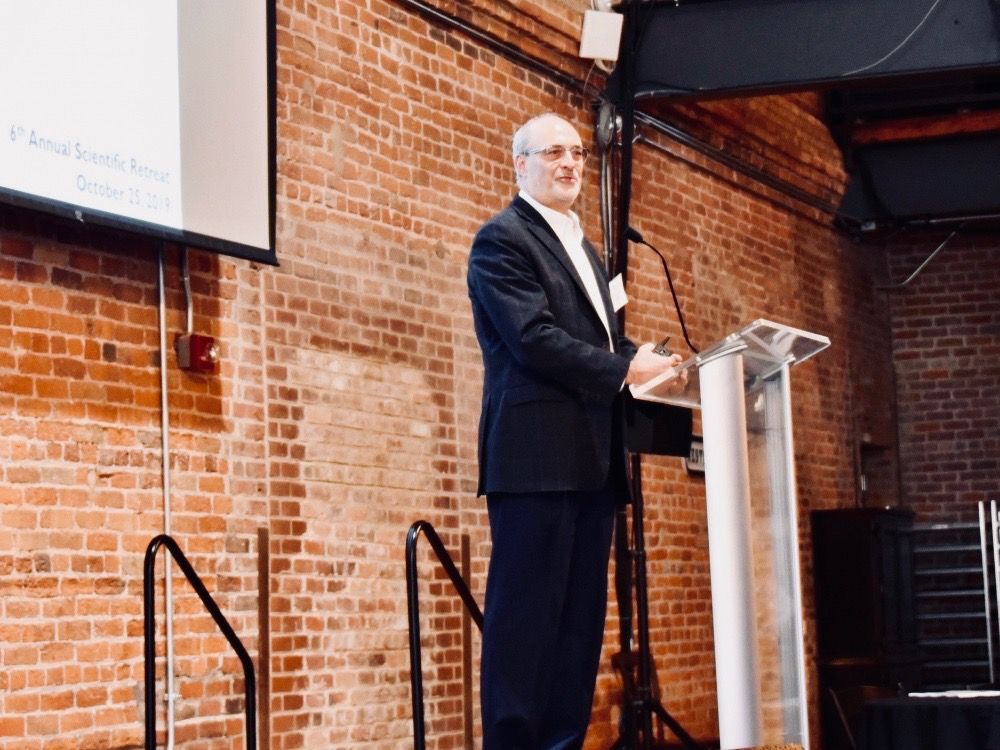
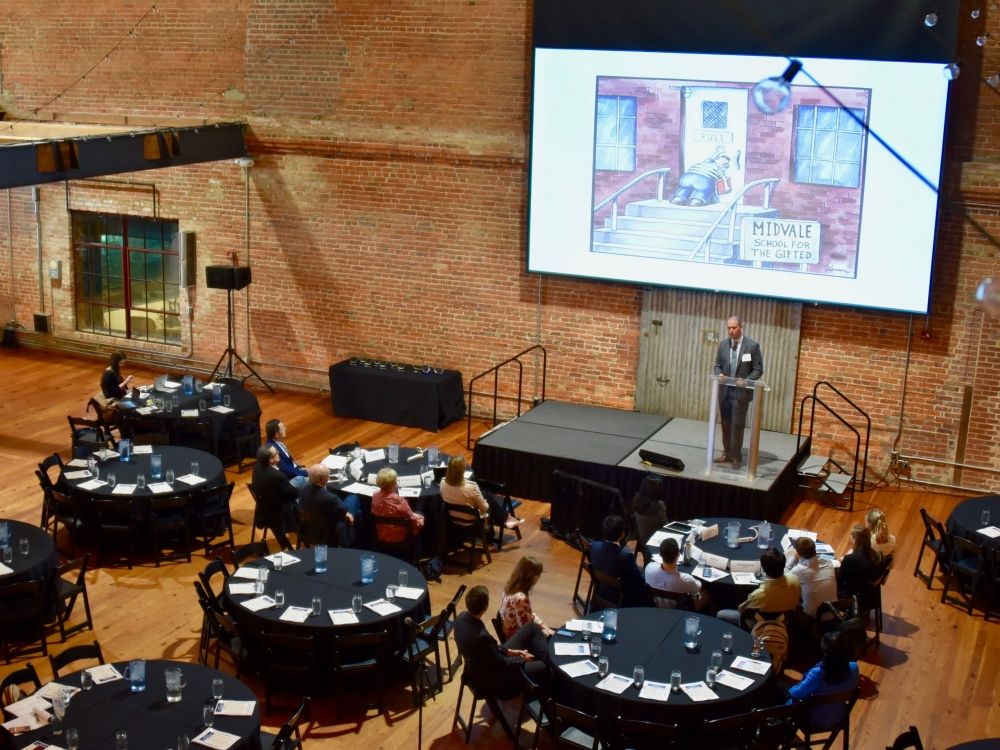
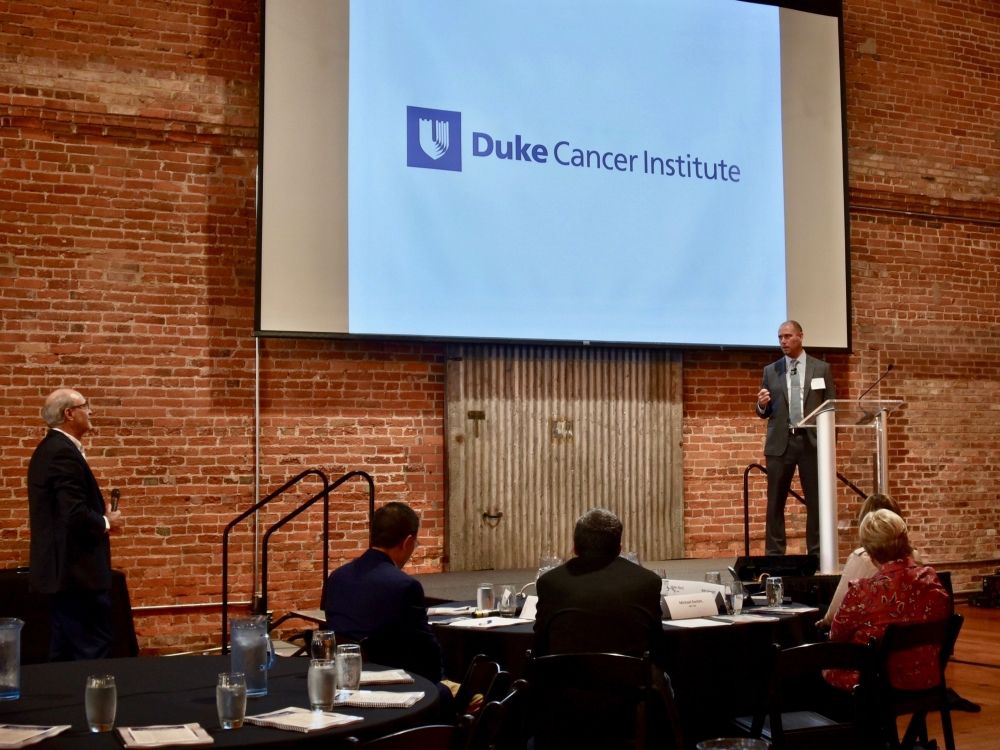
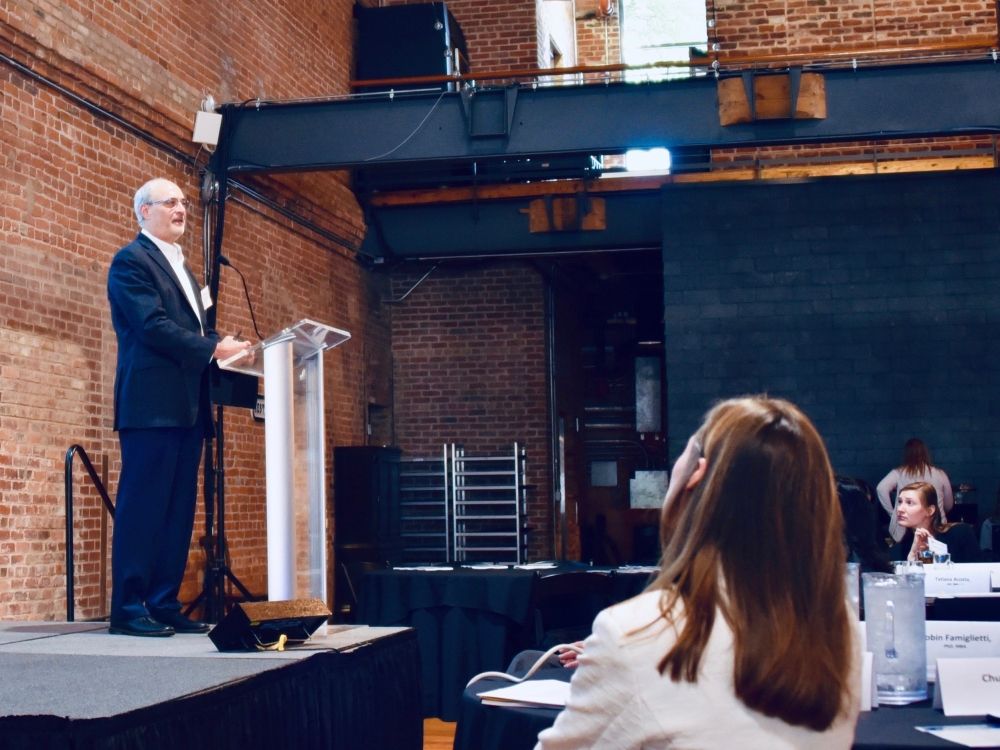
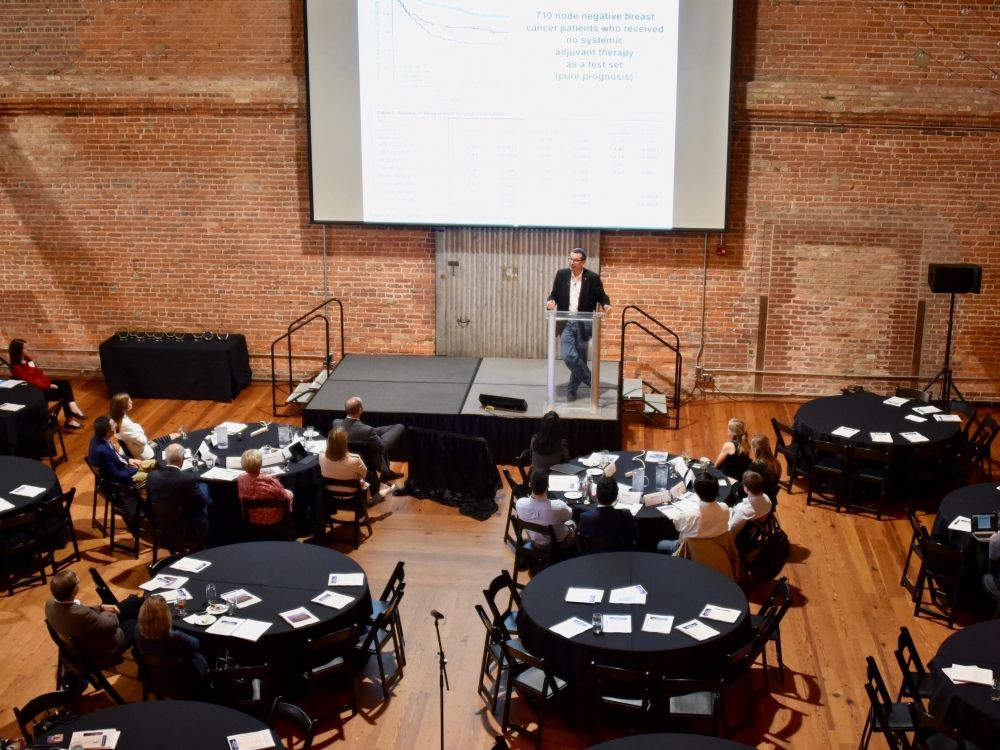
Executive Director of Duke Cancer Institute Michael Kastan, MD, PhD, opens the 6th Annual DCI Scientific Retreat
Executive Director of Duke Cancer Institute Michael Kastan, MD, PhD, opens the 6th Annual DCI Scientific Retreat (photo by Julie Poucher Harbin)

Duke Cancer Institute hosted its Sixth Annual Scientific Retreat on Friday, October 25, at Bay 7 in the American Tobacco District in Durham — attracting 166 DCI physicians, researchers, staff, and guests.

Eight up-and-coming scientists who submitted the top abstracts for consideration — two each in the areas of basic, clinical, population and translational science — were given the opportunity to present their outstanding research projects and take questions from their mentors and peers.

Their work included findings related to liposarcoma, salivary gland cancer, breast cancer, uterine cancer, neoantigen vaccines, immunotherapy, chemotherapy and radiation therapy.

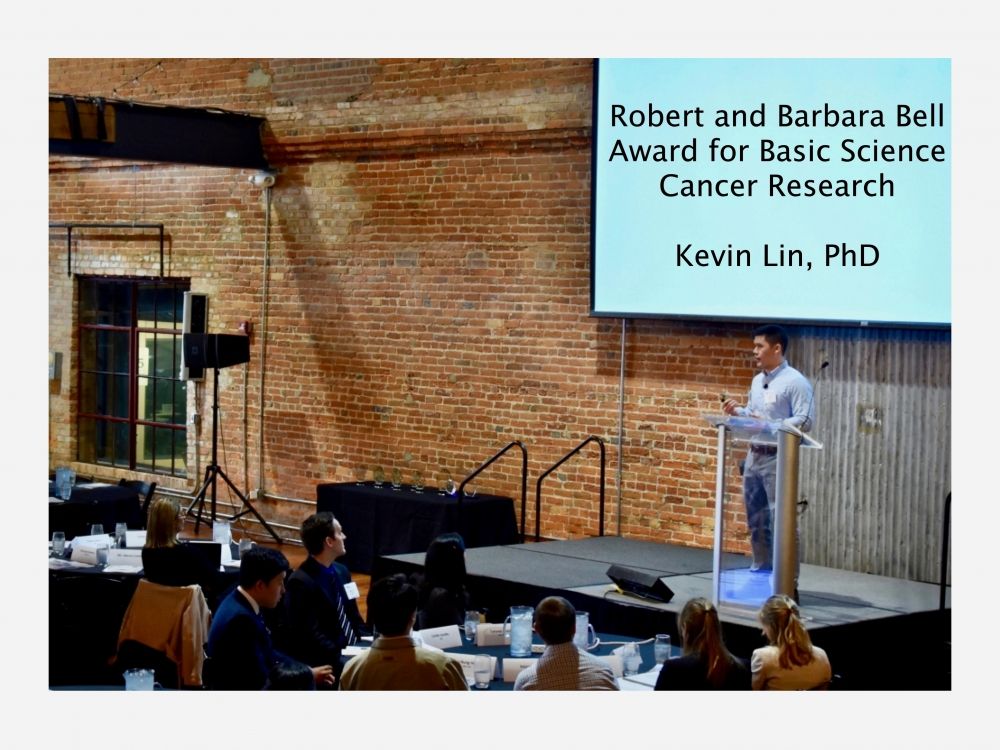
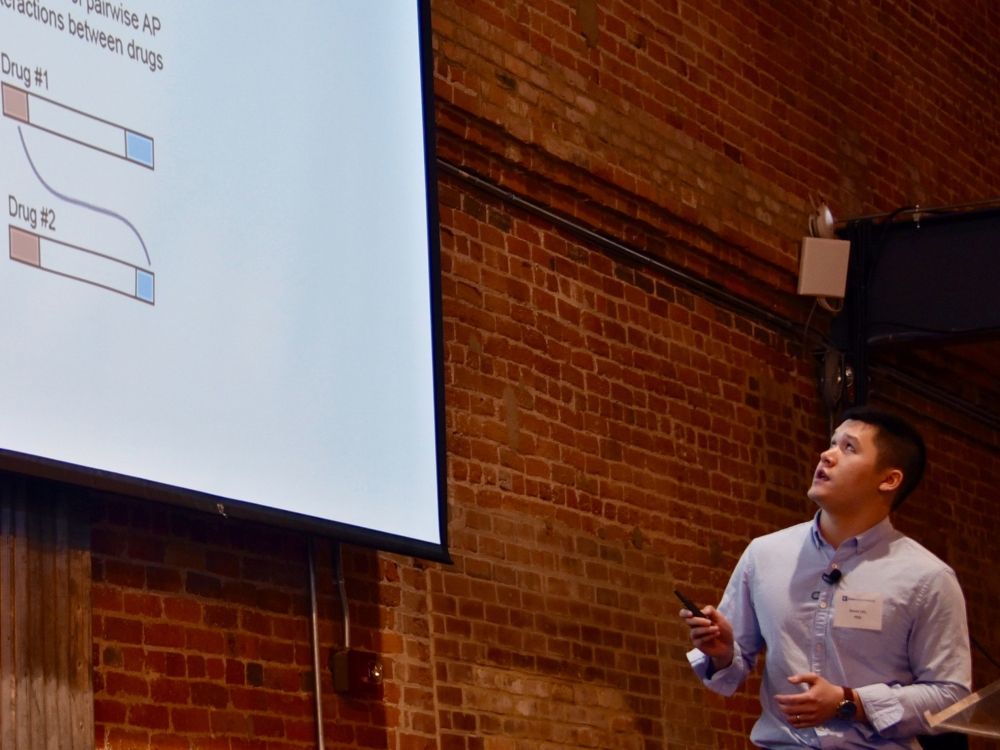
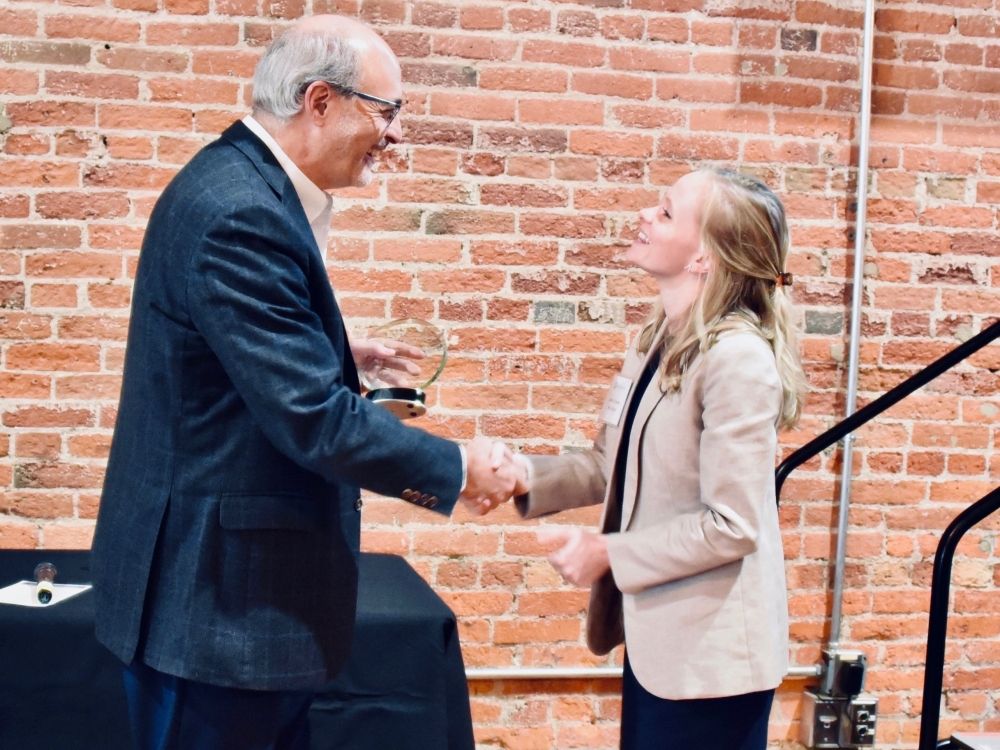
Kevin Lin, PhD, who is a post-doc in the Kris Wood Lab and concurrently working on his MD, received the Robert and Barbara Bell Award for Basic Science Cancer Research. He was first up explaining his research project: "Using antagonistic pleiotropy to design a chemotherapy-induced evolutionary trap."
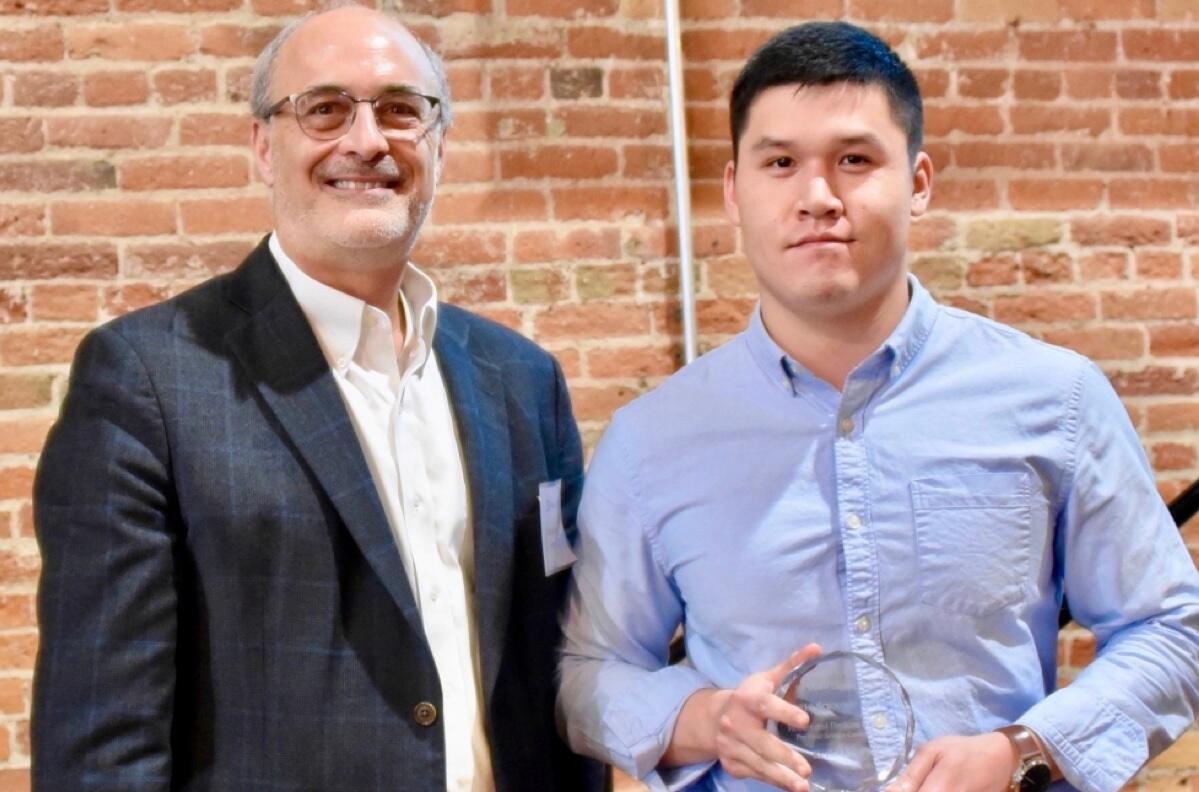
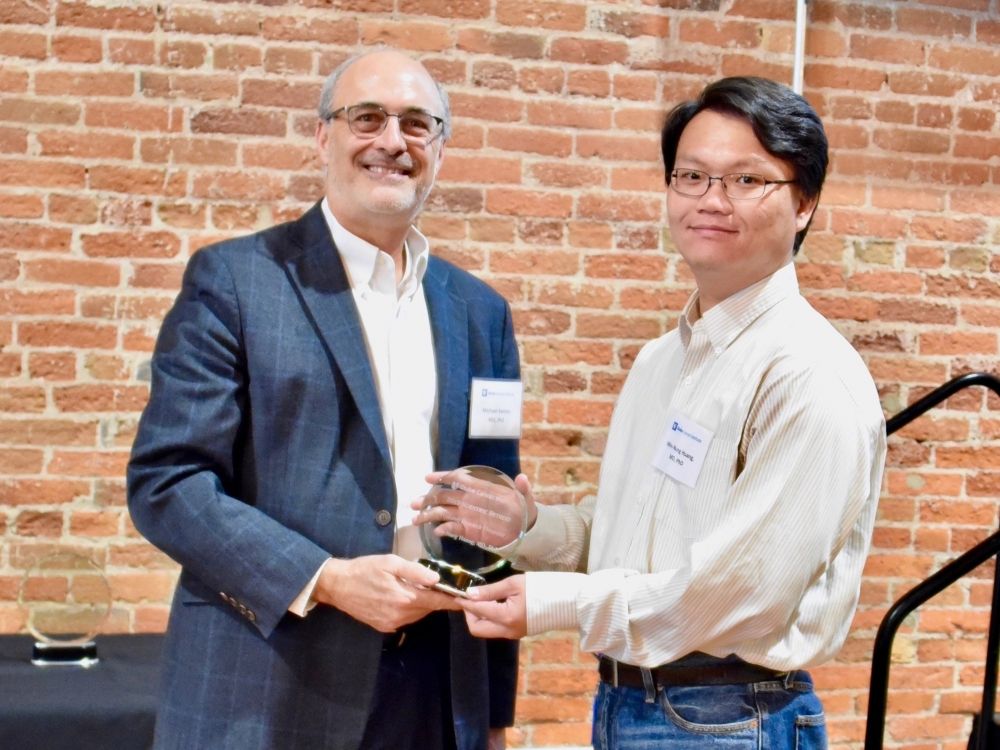
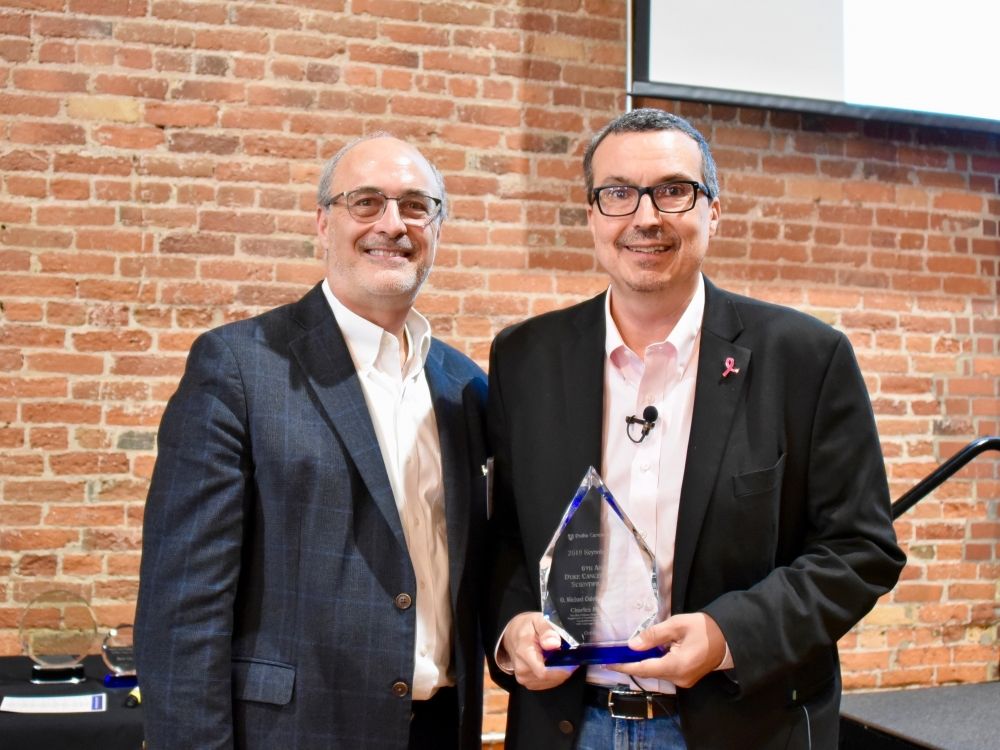
two men pose in front of a brick wall, with one holding a circular glass award
DCI Executive Director Michael Kastan, MD, PhD, presents the Robert and Barbara Bell Award for Basic Science Cancer Research to Kevin Lin, PhD (right) with the Kris Wood lab, for his work on "using antagonistic pleiotropy to design a chemotherapy-induced evolutionary trap." (photo by Julie Poucher Harbin)

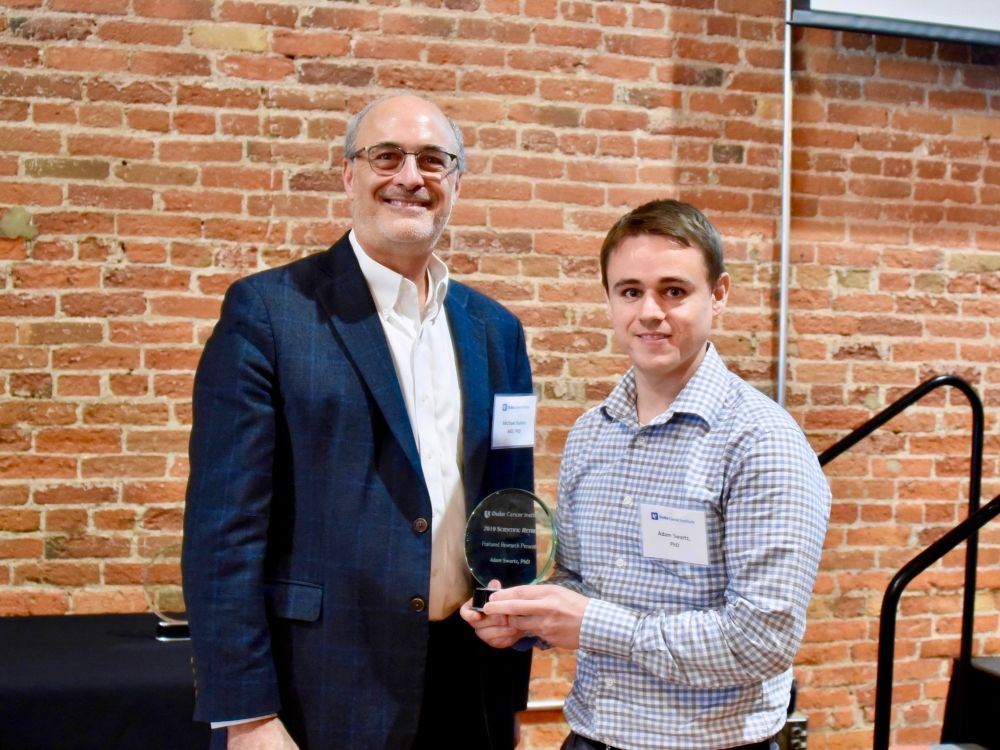
The other awardees were Mark Chen, MD/PhD Candidate with the David Kirsch Lab; Corbin Jacobs, MD, with the Yvonne Mowery Lab; Cosette Champion, an MD Candidate with the Oluwadamilola Fayanju Lab; Tatiana Acosta, MD, MPH, with the Rebecca Previs Lab; Caitlin Marks, BS, with the Jennifer Plichta Lab; Min-Ning Huang, MD, PhD, with the Michael Gunn Lab; and Adam Swartz, PhD, with the Smita Nair Lab.
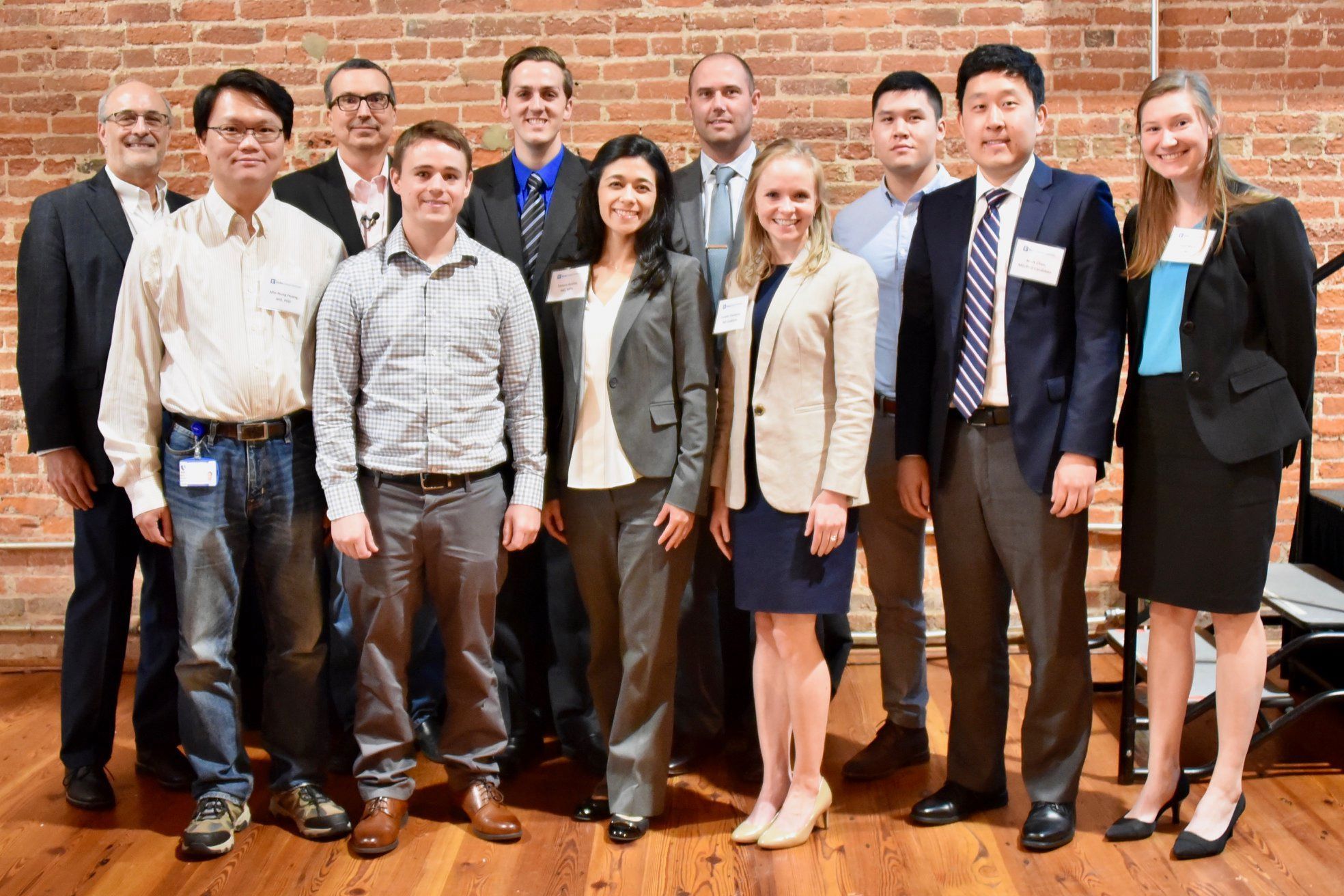
Eight up-and-coming DCI scientists presented their research projects then posed for a photo with Executive Director of Duke Cancer Institute Michael Kastan, MD, PhD, DCI faculty presenter Peter Fecci, MD, PhD, and Charles Perou, PhD (the May Goldman Shaw Professor of Molecular Oncology, and co-director of the Computational Medicine Program at UNC Lineberger Comprehensive Cancer Center)
Eight up-and-coming DCI scientists presented their research projects then posed for a photo with Executive Director of Duke Cancer Institute Michael Kastan, MD, PhD, DCI faculty presenter Peter Fecci, MD, PhD, and Charles Perou, PhD, the May Goldman Shaw Professor of Molecular Oncology, and co-director of the Computational Medicine Program at UNC Lineberger Comprehensive Cancer Center (photo by Julie Poucher Harbin)

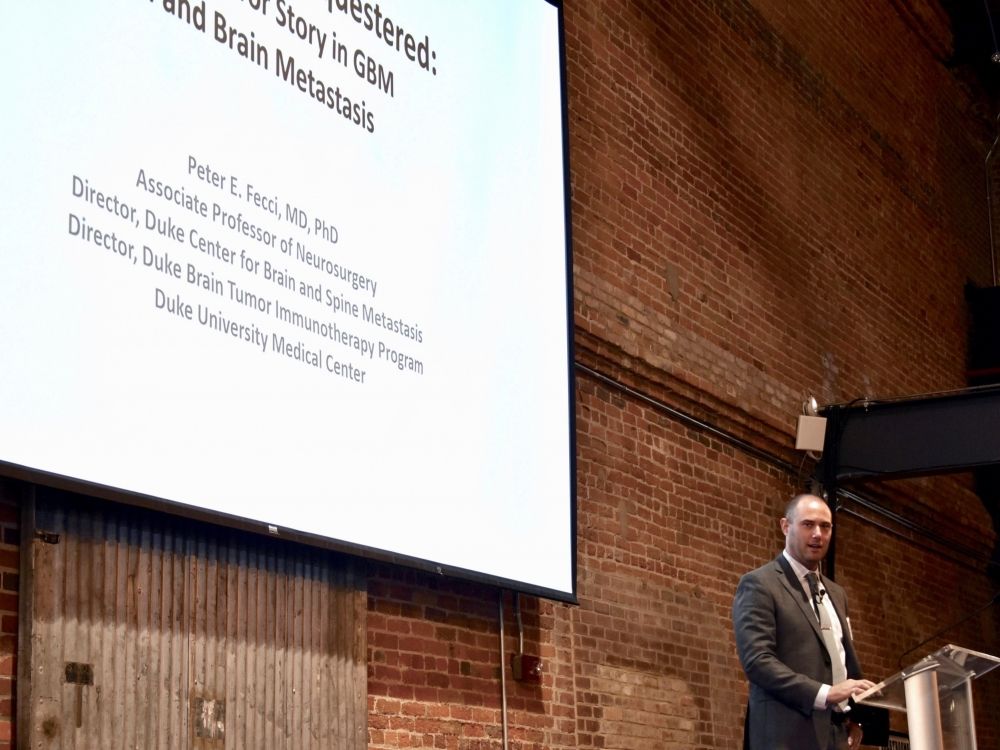
In a tradition started in 2016, an outstanding DCI faculty member was selected to present their work. Neurosurgeon and DCI faculty member Peter Fecci, MD, PhD, delivered this year's faculty presentation: "Sad, Spent and Sequestered: The Plight of the T cell in Glioblastoma." A neurosurgeon specializing in primary and metastatic brain tumors, Fecci directs the Brain Tumor Immunotherapy Program and the Duke Center for Brain and Spine Metastasis at Duke Cancer Institute.

His talk focused on T-Cell dysfunction in cancer and some phenomena found to be specific to tumors in the brain, whether primary tumors or metastatic tumors from cancers like lung, breast and melanoma. Fecci began with T-Cell exhaustion, a form of dysfunction where T-Cells lose their responsiveness.

"Our group studies why T-Cells are not doing their job in these cancers and why immunotherapies don't work as well in the brain as in other parts of the body or in other cancers," said Fecci. "We've done a lot of work to understand how bad is T-Cell exhaustion in these cancers; it turns out quite bad. We have a lot of insight into how cancers start exhausting T-Cells and how we can make our therapies work better."

The second part of Fecci's talk focused on T-Cell sequestration, a phenomena that he and his group discovered recently where T-Cells can become sequestered in the bone marrow, and, from the tumor's perspective, where they can be trapped and do no harm.

"It behooves tumors to keep T-Cells out of the brain and the brain probably has a mechanism for doing that, which those tumors are able to usurp," said Fecci. "We've uncovered that mechanism. We've begun to find ways to reverse it. We've shown if you get those T-Cells out, now a lot of those immune therapies that didn't work so well before actually work quite well. So, our group is focused on trying to find drugs to help treat this phenomenon and make our immune therapies work better. We spend a lot of time trying to understand what can we do to improve the lives of patients with brain tumors."

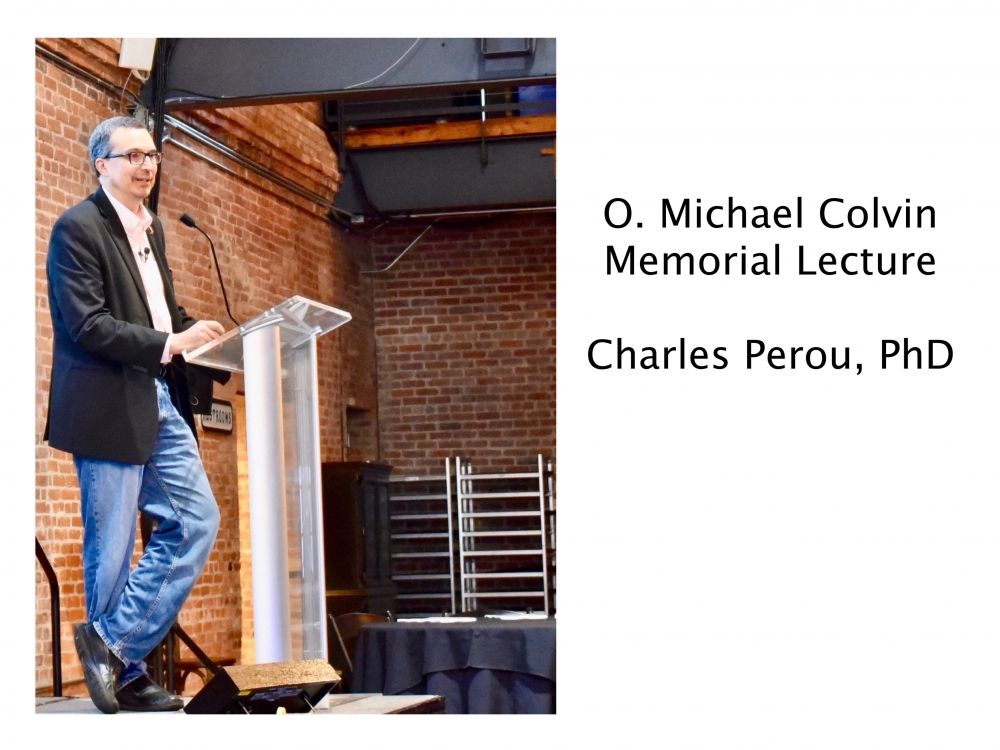
The fourth-annual *O. Michael Colvin Memorial Lecture was presented this year by Charles Perou, PhD, the May Goldman Shaw Professor of Molecular Oncology, and co-director of the Computational Medicine Program at UNC Lineberger Comprehensive Cancer Center. His topic, timely for breast cancer awareness month, was on “Quantitative Medicine for Breast Cancer Patients.”
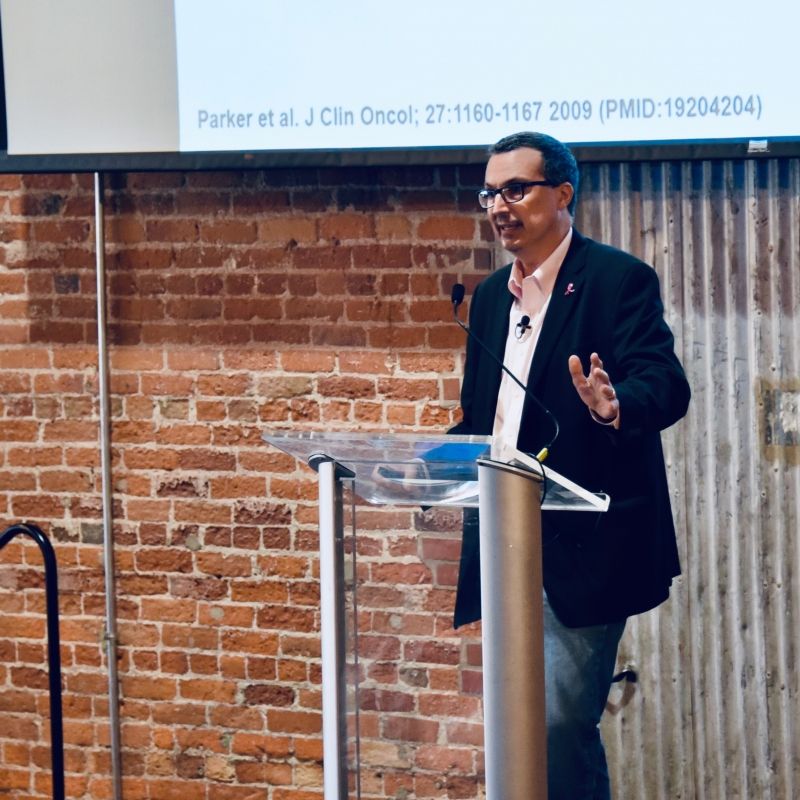
Charles Perou, PhD
Charles Perou, PhD (photo by Julie Poucher Harbin)

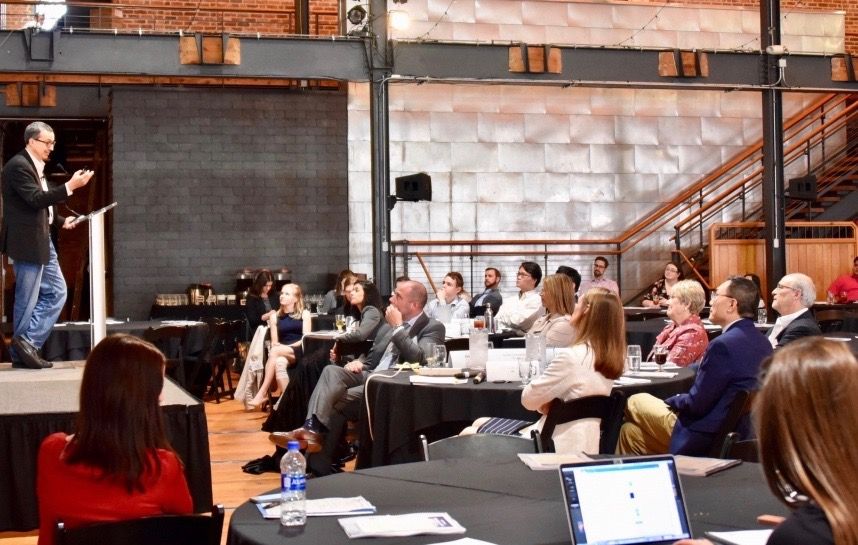
Perou spoke about his work on biomarkers for breast cancer patients using genomic analysis of their tumor specimens. The first part of his talk focused on risk predictors most relevant for ER positive/HER 2 negative patients. The second part focused on triple negative breast cancer patients and the importance of the immune system, including the immune system's response to chemotherapy and the immune system's response to immune therapy.

An awards ceremony to recognize Perou, Fecci, and the eight research project presenters, and to honor Macy Colvin, O. Michael Colvin's widow, was followed by a closing poster session and reception featuring 59 basic, clinical, population and translational science posters and 17 posters showcasing the DCI Shared Resources and Cores.

*Before his loss in 2013, O. Michael Colvin, MD, served as Director Emeritus of the Duke University Comprehensive Cancer Center and Professor Emeritus of Medicine at Duke University School of Medicine. Colvin was a founding senior editor of Molecular Cancer Therapeutics. His many achievements included pioneering work on drugs that damage the genetic material causing cancer cells to replicate. He was one of the first researchers to use high-dose cyclophosphamide to treat solid tumors. Colvin was co-leader of the Duke Cancer Center’s Experimental Research Program. Over the course of his career, he published more than 150 scientific articles. Begun in 2015, the O. Michael Colvin Memorial Lecture has been a featured highlight at every DCI Scientific Retreat since.

Photo Gallery

screenshot of a slideshow that appeared with the original article
screenshot of a slideshow that appeared with the original article (photos by Julie Poucher Harbin)
Kevin Lin, PhD, with the Kris Wood lab, received the Robert and Barbara Bell Award for Basic Science Cancer Research for his work on "using antagonistic pleiotropy to design a chemotherapy-induced evolutionary trap."
Kevin Lin, PhD, with the Kris Wood lab, received the Robert and Barbara Bell Award for Basic Science Cancer Research for his work on "using antagonistic pleiotropy to design a chemotherapy-induced evolutionary trap." (photo by Julie Poucher Harbin)
(photo by Julie Poucher Harbin)
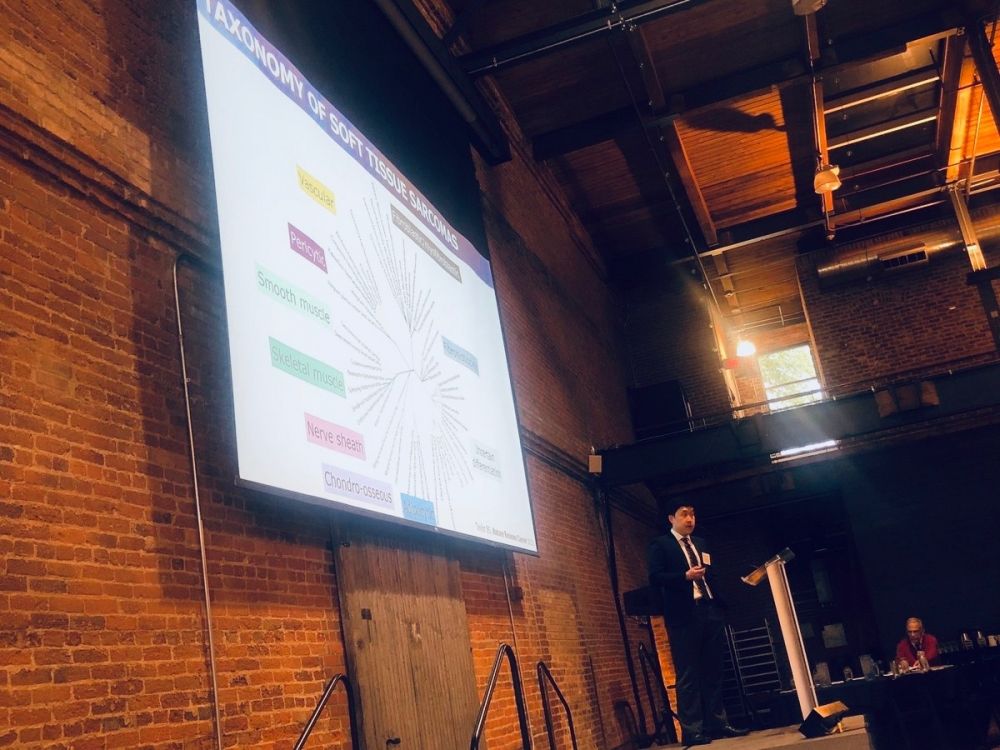
Mark Chen, an MD/PhD candidate working in the Kirsch Lab, presents on the “Mechanisms of Sarcomagenesis and Response to Radiation Therapy in Myxoid Liposarcoma”
Mark Chen, an MD/PhD candidate working in the Kirsch Lab, presents on the “Mechanisms of Sarcomagenesis and Response to Radiation Therapy in Myxoid Liposarcoma” (photo by Julie Poucher Harbin)
Radiation oncologist David Kirsch, MD, PhD, treats patients with bone and soft tissue sarcomas. His lab is working to develop new cancer therapies in the pre-clinical setting.
Radiation oncologist David Kirsch, MD, PhD, treats patients with bone and soft tissue sarcomas. His lab is working to develop new cancer therapies in the pre-clinical setting. (photo by Julie Poucher Harbin)
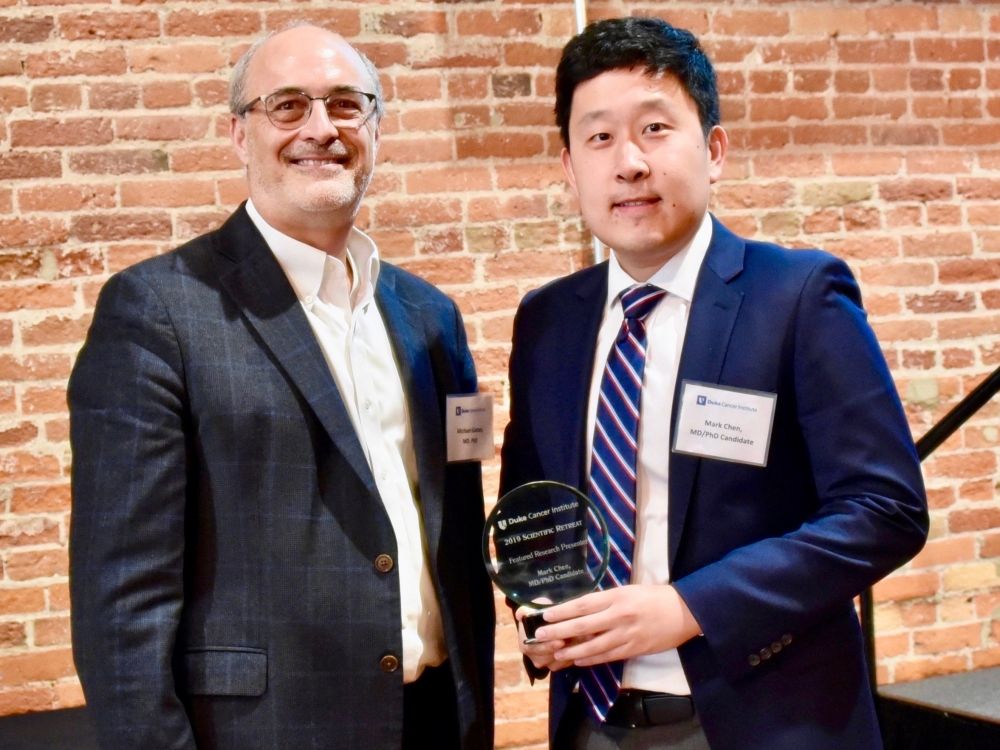
Mark Chen, MD/PhD, with the Kirsch Lab, receives his research project award from Dr. Kastan.
Mark Chen, MD/PhD, with the Kirsch Lab, receives his research project award from Dr. Kastan. (photo by Julie Poucher Harbin)
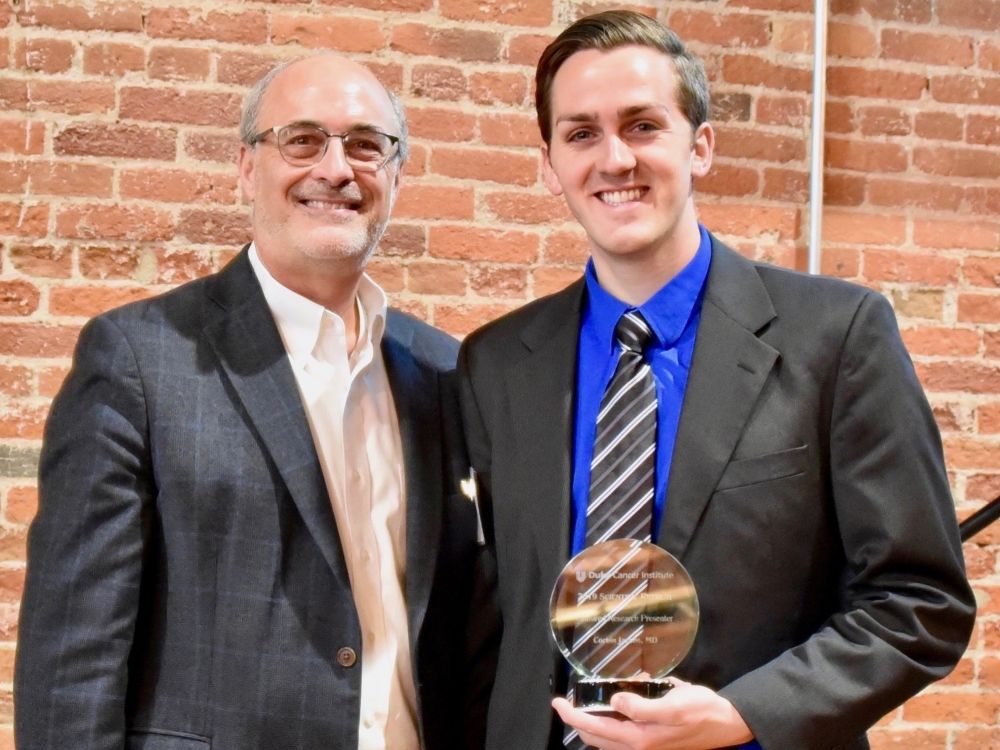
Corbin Jacobs, MD, with the Yvonne Mowery Lab, receives his research project award from Dr. Kastan. Jacobs' project was on the survival benefit of postoperative radiotherapy for salivary gland cancers.
Corbin Jacobs, MD, with the Yvonne Mowery Lab, receives his research project award from Dr. Kastan. Jacobs' project was on the survival benefit of postoperative radiotherapy for salivary gland cancers. (photo by Julie Poucher Harbin)
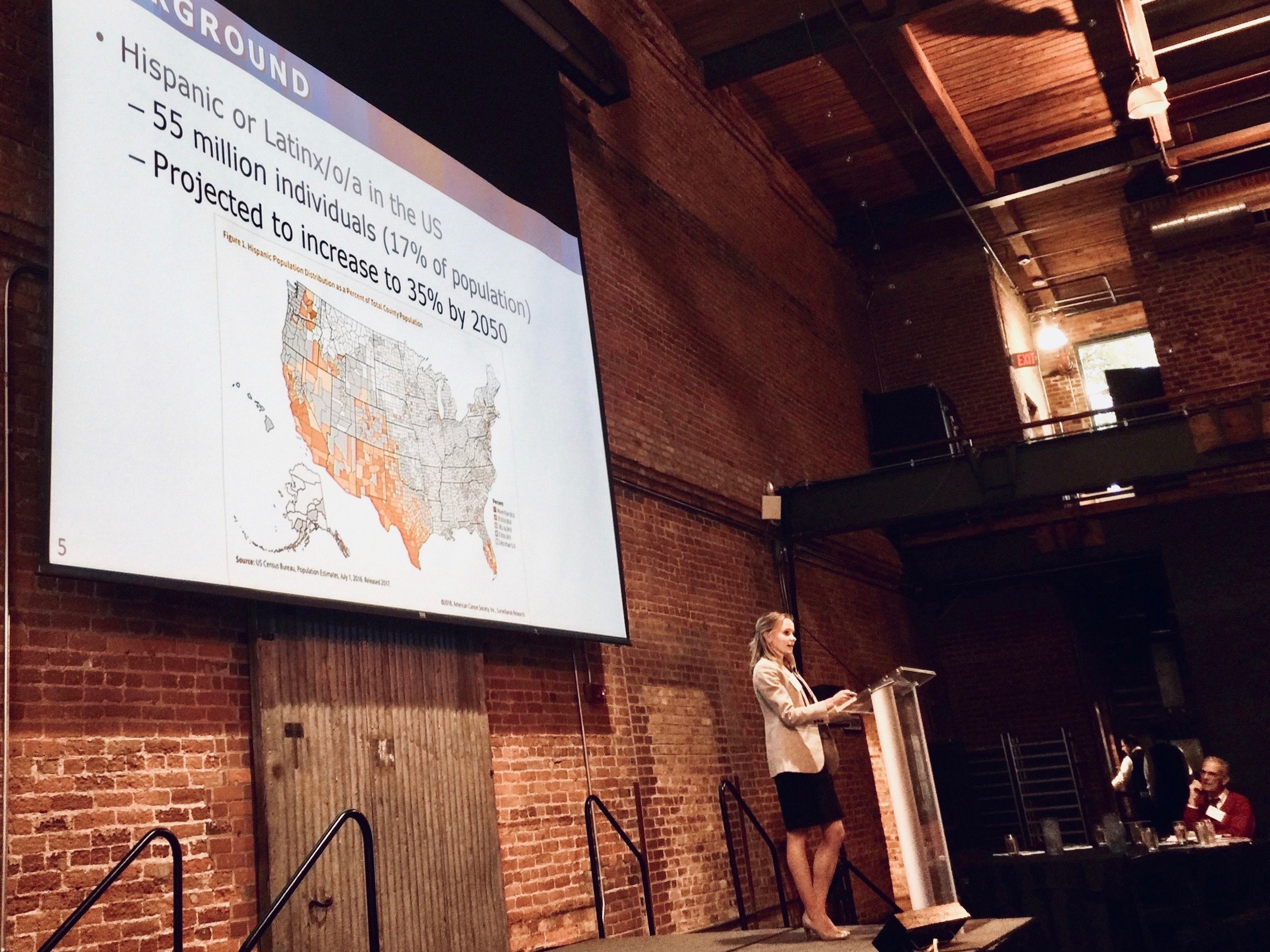
Cosette Champion, an MD Candidate with the Oluwadamilola Fayanju Lab, presents her award-winning work.
Cosette Champion, an MD candidate, speaks on her research project examining trends and outcomes in Hispanic women with breast cancer. (photo by Julie Poucher Harbin)
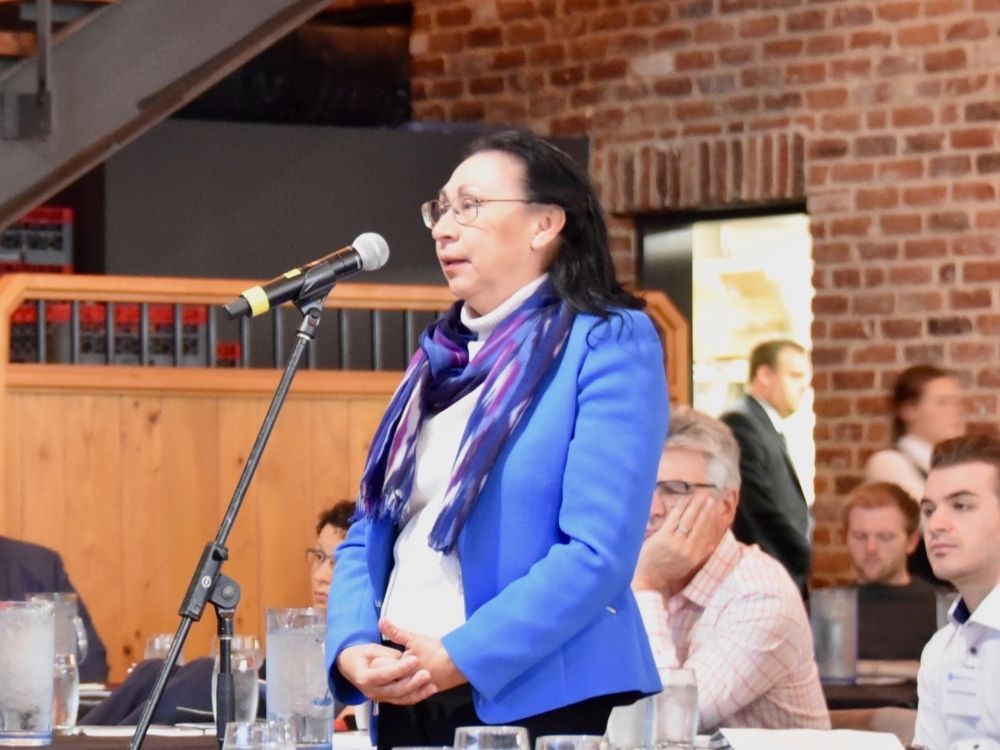
Ann Marie Pendergast, PhD, researches, in her lab, ways to identify molecules that can be targeted to disrupt the pathways required for metastatic disease, including in leukemias and breast cancer.
Ann Marie Pendergast, PhD, researches, in her lab, ways to identify molecules that can be targeted to disrupt the pathways required for metastatic disease, including in leukemias and breast cancer. (photo by Julie Poucher Harbin)
Cosette Champion, MD candidate, receives her research project award from Dr. Kastan.
Cosette Champion, MD candidate, receives her research project award from Dr. Kastan. (photo by Julie Poucher Harbin)
Peter Fecci, MD, PhD, delivers this year's faculty presentation: "Sad, Spent and Sequestered: The Plight of the T cell in Glioblastoma."
Peter Fecci, MD, PhD, delivers this year's faculty presentation: "Sad, Spent and Sequestered: The Plight of the T cell in Glioblastoma." (photo by Julie Poucher Harbin)
A neurosurgeon specializing in primary and metastatic brain tumors, Peter Fecci, MD, PhD, directs the Brain Tumor Immunotherapy Program and the Duke Center for Brain and Spine Metastasis at Duke Cancer Institute.
A neurosurgeon specializing in primary and metastatic brain tumors, Peter Fecci, MD, PhD, directs the Brain Tumor Immunotherapy Program and the Duke Center for Brain and Spine Metastasis at Duke Cancer Institute. (photo by Julie Poucher Harbin)
(photo by Julie Poucher Harbin)
Scott Antonia, MD, PhD, director of the DCI Center for Cancer Immunotherapy
Scott Antonia, MD, PhD, director of the DCI Center for Cancer Immunotherapy (photo by Julie Poucher Harbin)
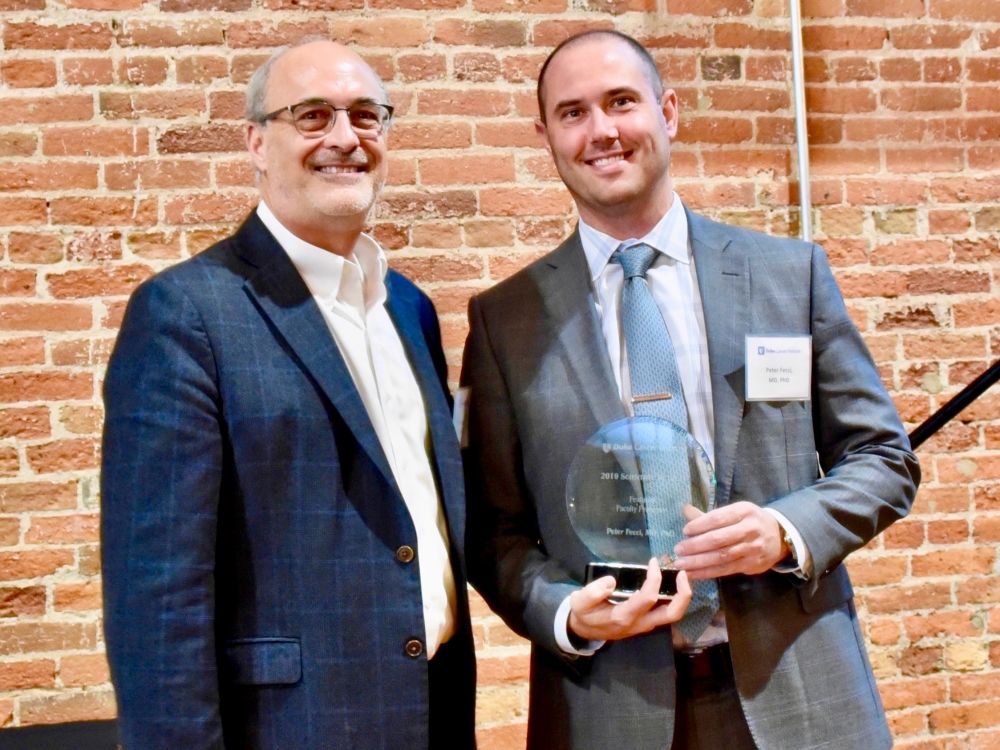
Michael Kastan, MD, PhD, honors Peter Fecci, MD, PhD, as this year's faculty presenter.
Michael Kastan, MD, PhD, honors Peter Fecci, MD, PhD, as this year's faculty presenter (photo by Julie Poucher Harbin)
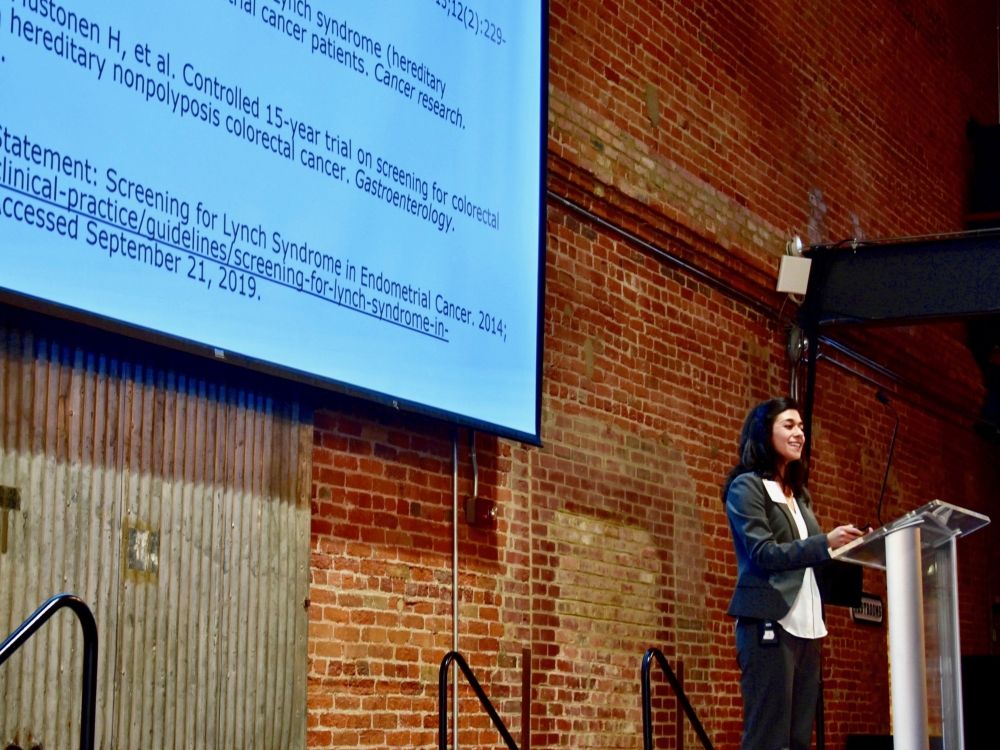
Tatiana Acosta, MD, with the Rebecca Previs Lab, presented on "Implentation of a quality improvement project of universal screening for Lynch Syndrome in uterine cancer patients."
Tatiana Acosta, MD, with the Rebecca Previs Lab, presented on "Implentation of a quality improvement project of universal screening for Lynch Syndrome in uterine cancer patients." (photo by Julie Poucher Harbin)


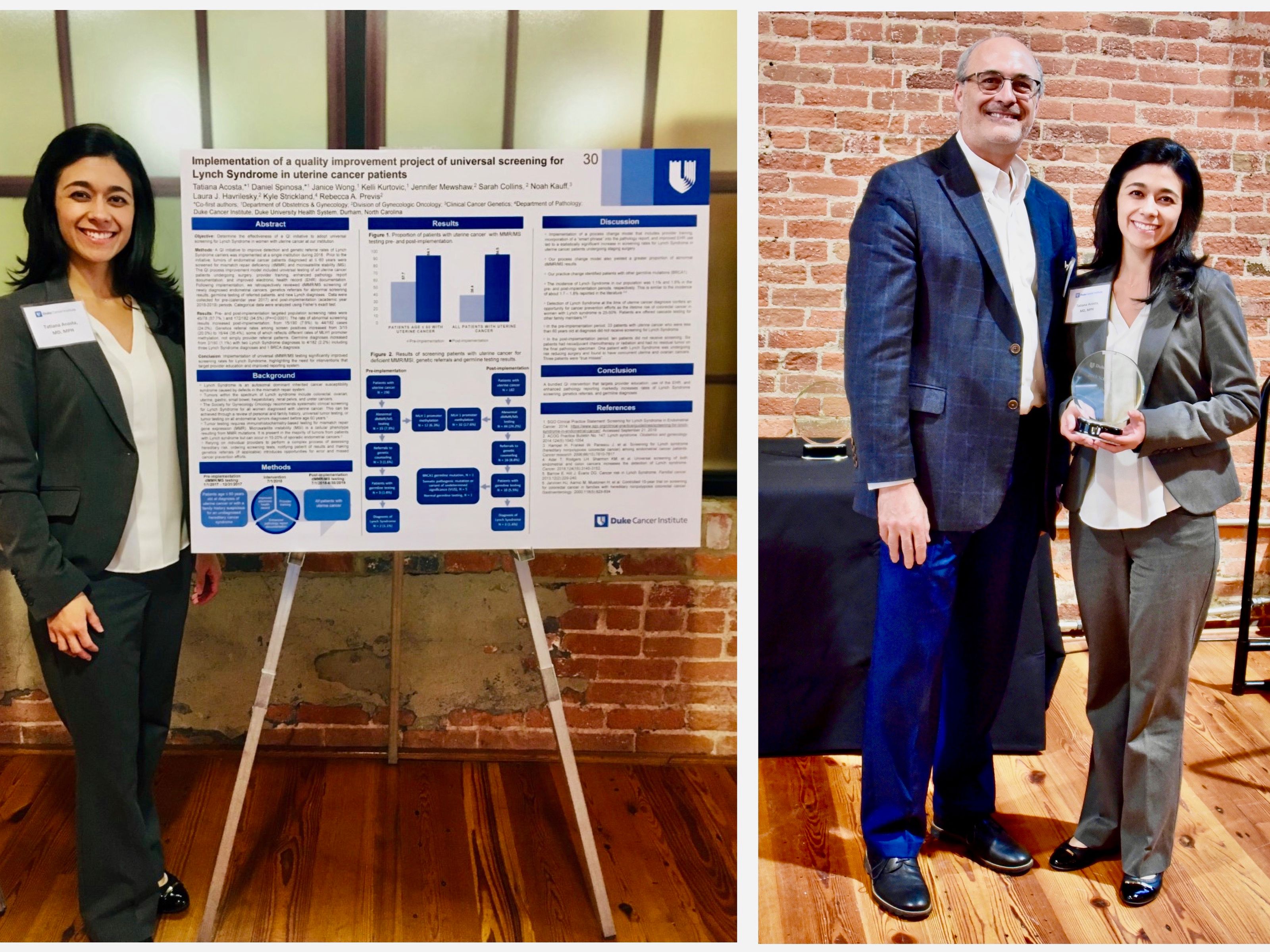
At left: Tatiana Acosta, MD, MPH, with the Rebecca Previs Lab, presents her work on a quality improvement project of universal screening for Lynch Syndrome in uterine cancer patients — one of the award-winning abstracts. At right: Acosta receives her award from Executive Director of DCI Michael Kastan, MD, PhD.
Tatiana Acosta, MD, with her poster on Lynch Syndrome in uterine cancer patients, and with Dr. Kastan receiving her research project award. (photos by Julie Poucher Harbin)
(photo by Julie Poucher Harbin)
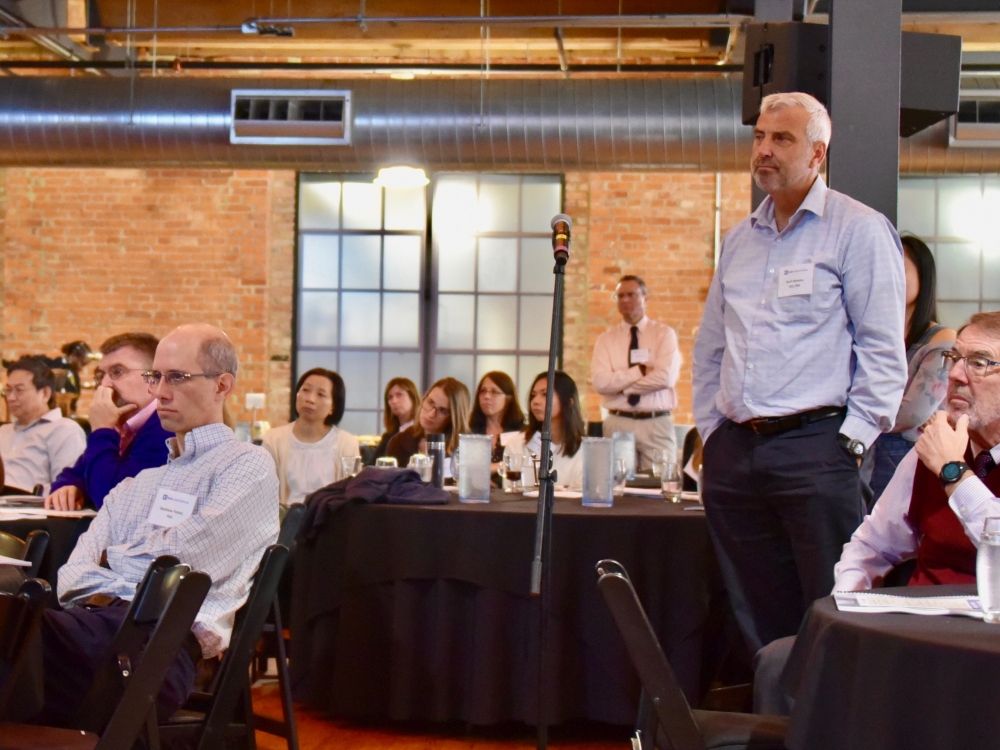
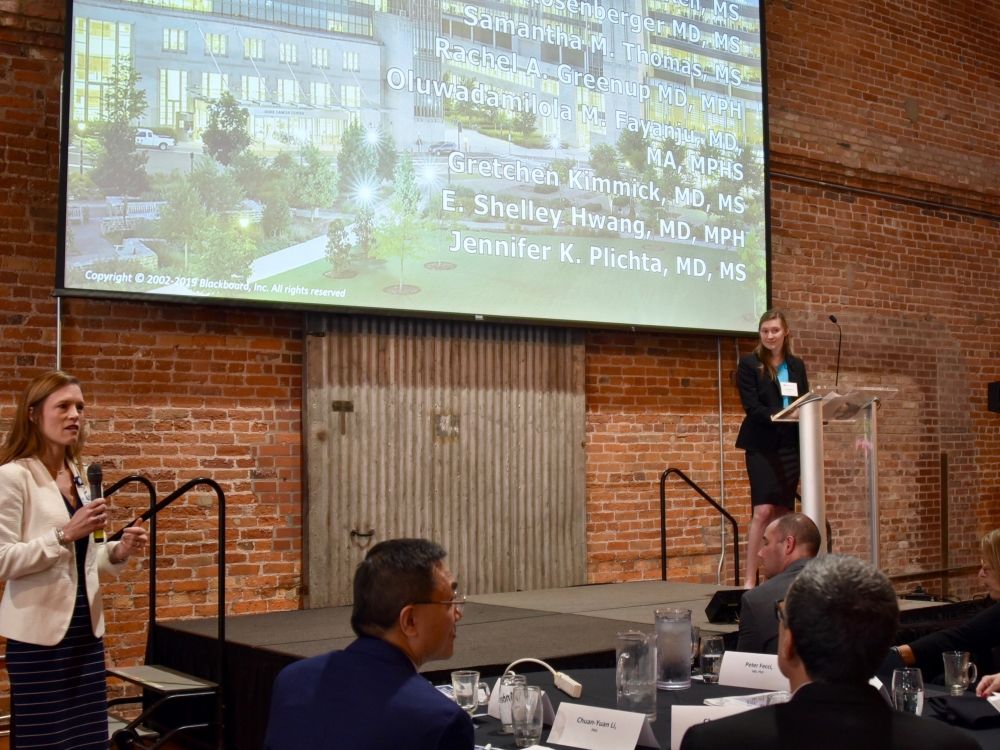
Breast medical oncologist Carey Anders, MD, moderates a Q & A following a presentation by Caitlin Marks, BS, on "Optimization of Axillary Management in Elderly Women with Node-Positive Breast Cancer." Marks is with the Jennifer Plichta Lab.
Breast medical oncologist Carey Anders, MD, moderates a Q & A following a presentation by Caitlin Marks, BS, on "Optimization of Axillary Management in Elderly Women with Node-Positive Breast Cancer." Marks is with the Jennifer Plichta Lab. (photo by Julie Poucher Harbin)
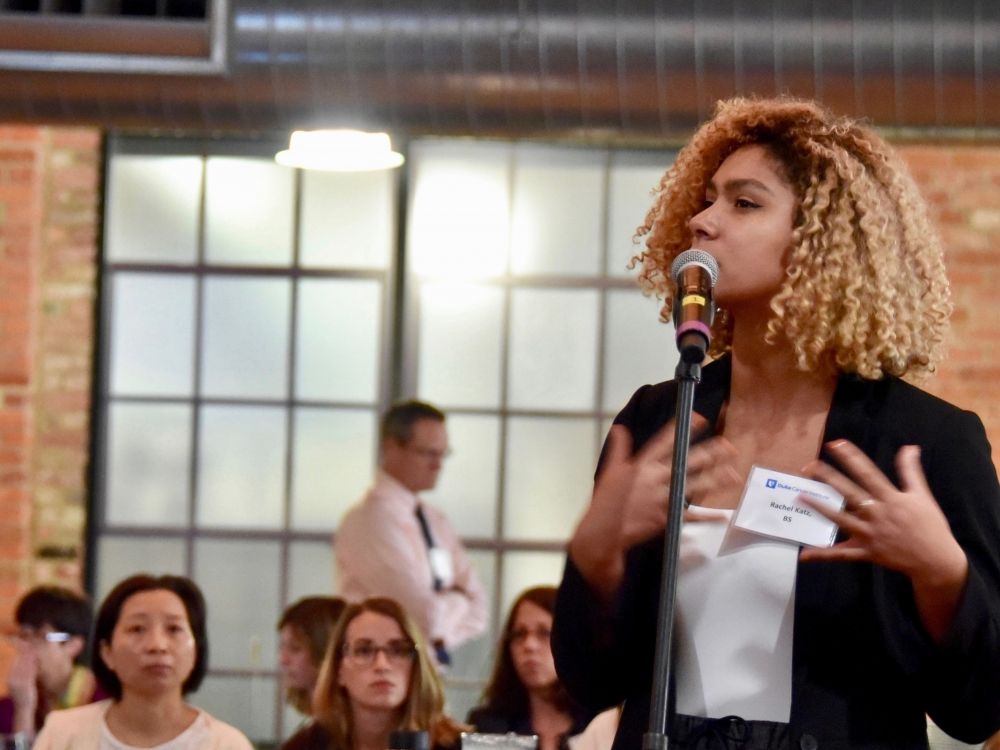
Rachel Katz, BS, in the Department of Biomedical Engineering, had a poster on display on "Tunable Poly (Ethylene Glycol) Hydrogels for Evaluation of Tumor Cell Response to Biochemical and Mechanical Cues."
Rachel Katz, BS, in the Department of Biomedical Engineering, had a poster on display on "Tunable Poly (Ethylene Glycol) Hydrogels for Evaluation of Tumor Cell Response to Biochemical and Mechanical Cues." (photo by Julie Poucher Harbin)
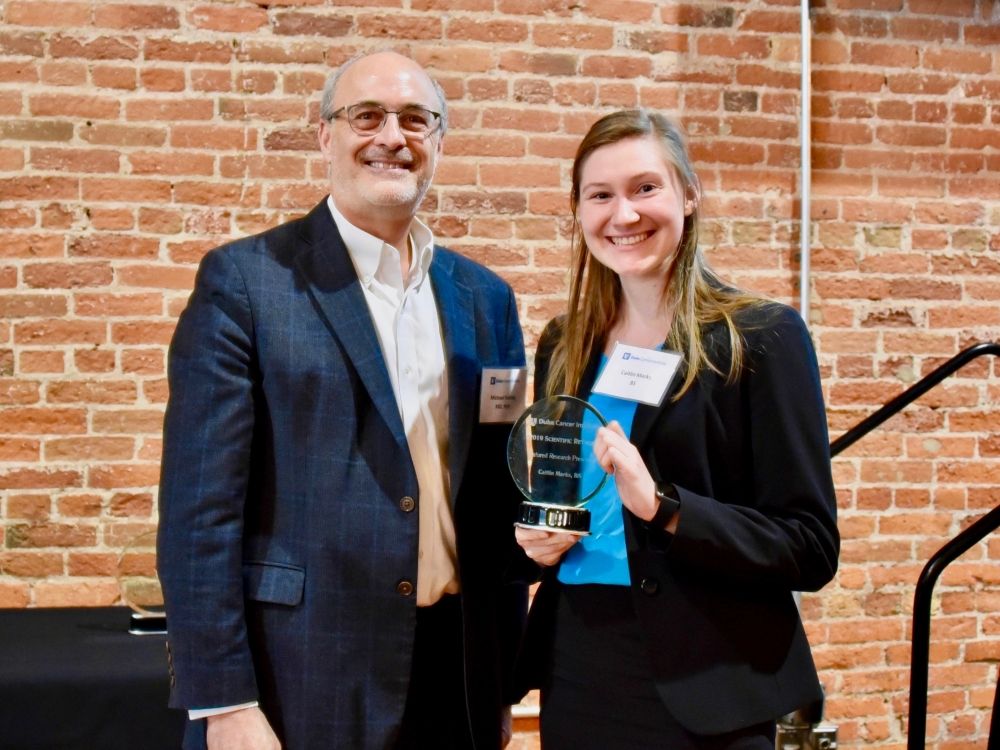
Caitlin Marks, BS, with the Jennifer Plichta Lab, receives her research project award from Dr. Kastan.
Caitlin Marks, BS, with the Jennifer Plichta Lab, receives her research project award from Dr. Kastan. (photo by Julie Poucher Harbin)
Min-Ning Huang, MD, PhD, with the Michael Gunn Lab, receives his research project award from Dr. Kastan for "Monocytes outperform dendritic cells as cellular vaccines to trigger cytotoxic T lymphocyte responses against cancer."
Min-Ning Huang, MD, PhD, with the Michael Gunn Lab, receives his research project award from Dr. Kastan for "Monocytes outperform dendritic cells as cellular vaccines to trigger cytotoxic T lymphocyte responses against cancer." (photo by Julie Poucher Harbin)
Adam Swarz, PhD, with the Smita Nair Lab, recieves his research project award from Dr. Kastan for "Synthetic Long Peptides containing a universal helper epitope can improve the therapeutic effects of neoantigen vaccines."
Adam Swarz, PhD, with the Smita Nair Lab, recieves his research project award from Dr. Kastan for "Synthetic Long Peptides containing a universal helper epitope can improve the therapeutic effects of neoantigen vaccines." (photo by Julie Poucher Harbin)
Charles Perou, PhD, the May Goldman Shaw Professor of Molecular Oncology, and co-director of the Computational Medicine Program, UNC Lineberger Comprehensive Cancer Center, presents on “Quantitative Medicine for Breast Cancer Patients.”
Charles Perou, PhD, the May Goldman Shaw Professor of Molecular Oncology, and co-director of the Computational Medicine Program, UNC Lineberger Comprehensive Cancer Center, presents on “Quantitative Medicine for Breast Cancer Patients.” (photo by Julie Poucher Harbin)
(photo by Julie Poucher Harbin)
Medical oncologists Susan Dent, MD, and Kelly Marcom, MD, specialize in treating and researching breast cancer. Marcom is director and Dent is associate director for clinical research in the Breast Cancer Disease Group.
Medical oncologists Susan Dent, MD, and Kelly Marcom, MD, specialize in treating and researching breast cancer. Marcom is director and Dent is associate director for clinical research in the Breast Cancer Disease Group. (photo by Julie Poucher Harbin)
Michael Kastan, MD, PhD, honors Charles Perou, PhD, for delivering the O. Michael Colvin Memorial Lecture.
Michael Kastan, MD, PhD, honors Charles Perou, PhD, for delivering the O. Michael Colvin Memorial Lecture. (photo by Julie Poucher Harbin)
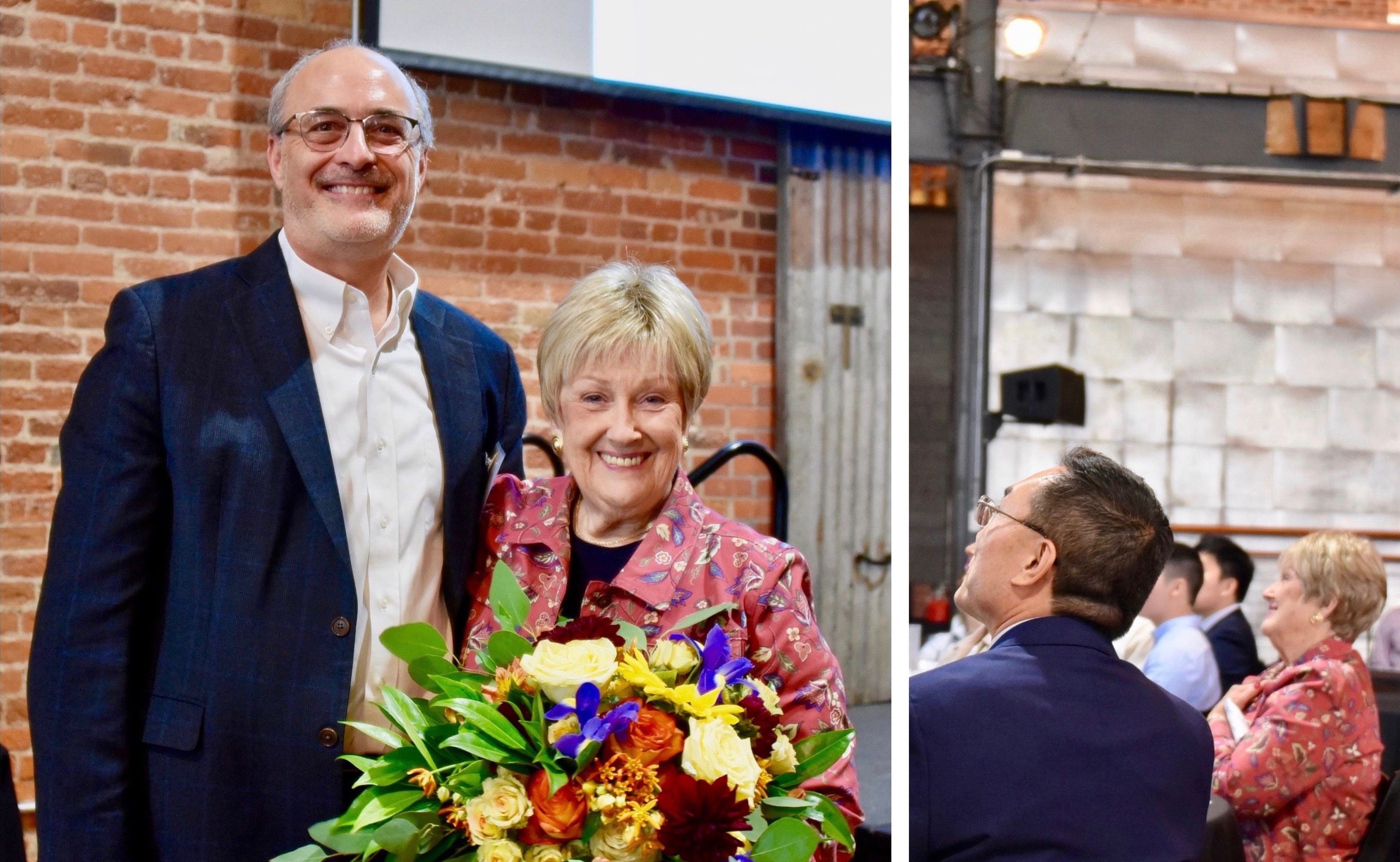
Michael Kastan, MD, PhD, gifts a bouquet of flowers to Macy Colvin, widow of the late O. Michael Colvin, MD. Macy had a front row seat at the retreat.
Michael Kastan, MD, PhD, gifts a bouquet of flowers to Macy Colvin, widow of the late O. Michael Colvin, MD. Macy had a front row seat at the retreat. (photo by Julie Poucher Harbin)
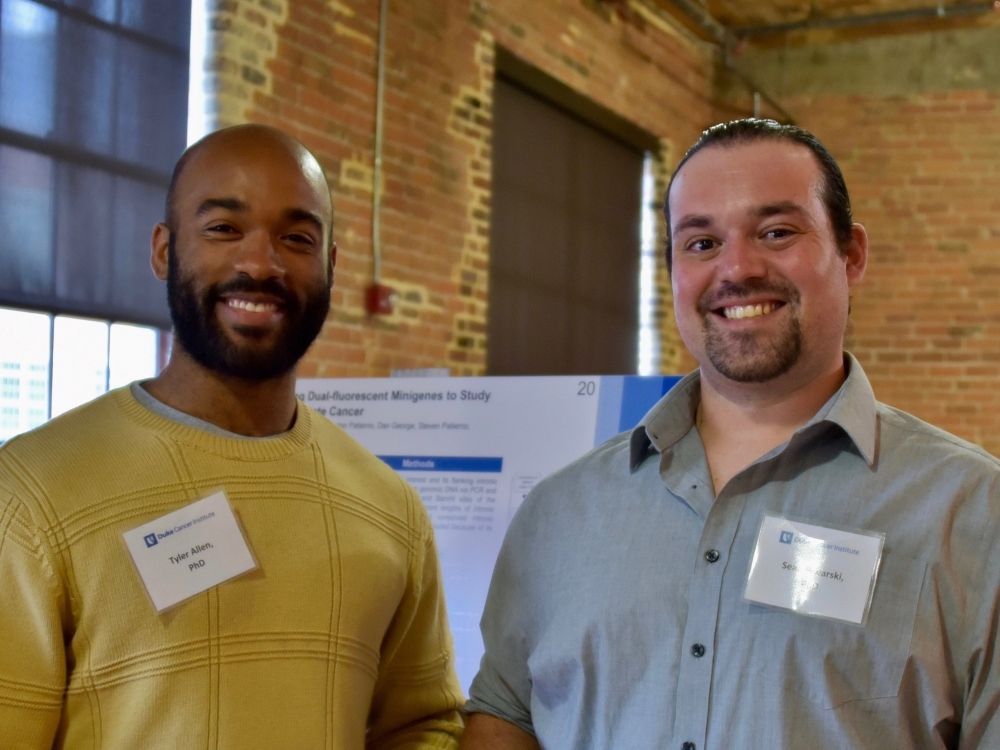
Tyler Allen, PhD, with thePatierno/Freedman/George Lab, is researching race-related genetic variation & response to secondary hormonal therapy in metastatic castration-resistant prostate cancer. Sean Piwarski, PhD, a chemistry post-doc stops by
Tyler Allen, PhD, with thePatierno/Freedman/George Lab, is researching race-related genetic variation & response to secondary hormonal therapy in metastatic castration-resistant prostate cancer. Sean Piwarski, PhD, a chemistry post-doc stops by. (photo by Julie Poucher Harbin)
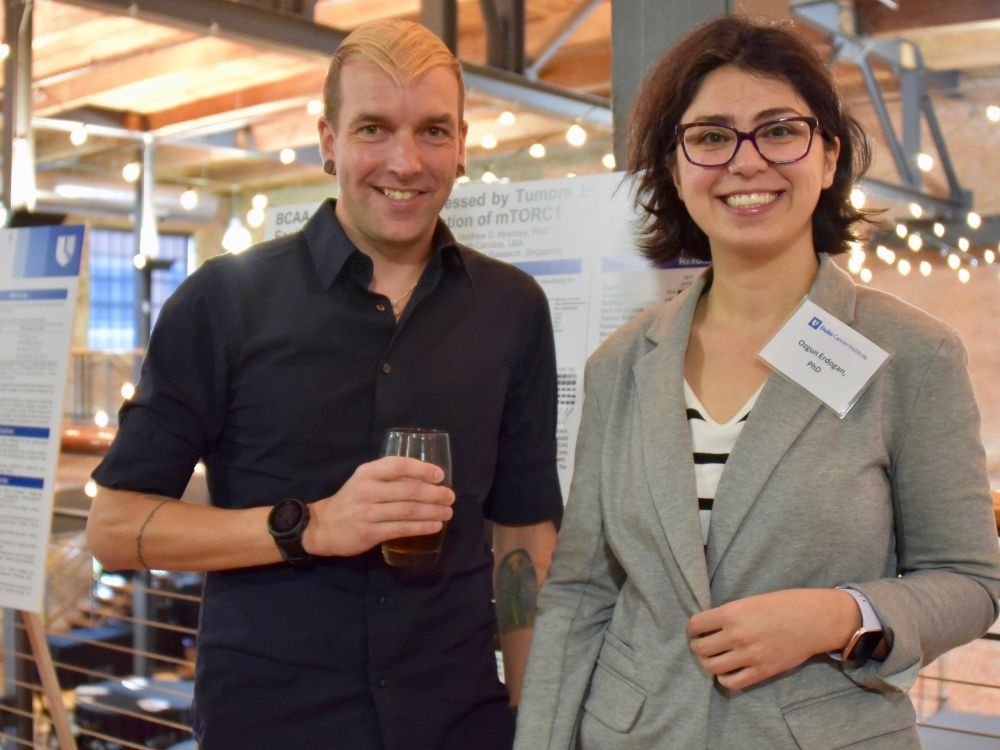
Ozgun Erdogan, PhD, with her poster on KRAS signaling. KRAS is mutated in one-quarter of human cancers. (photo by Julie Poucher Harbin)
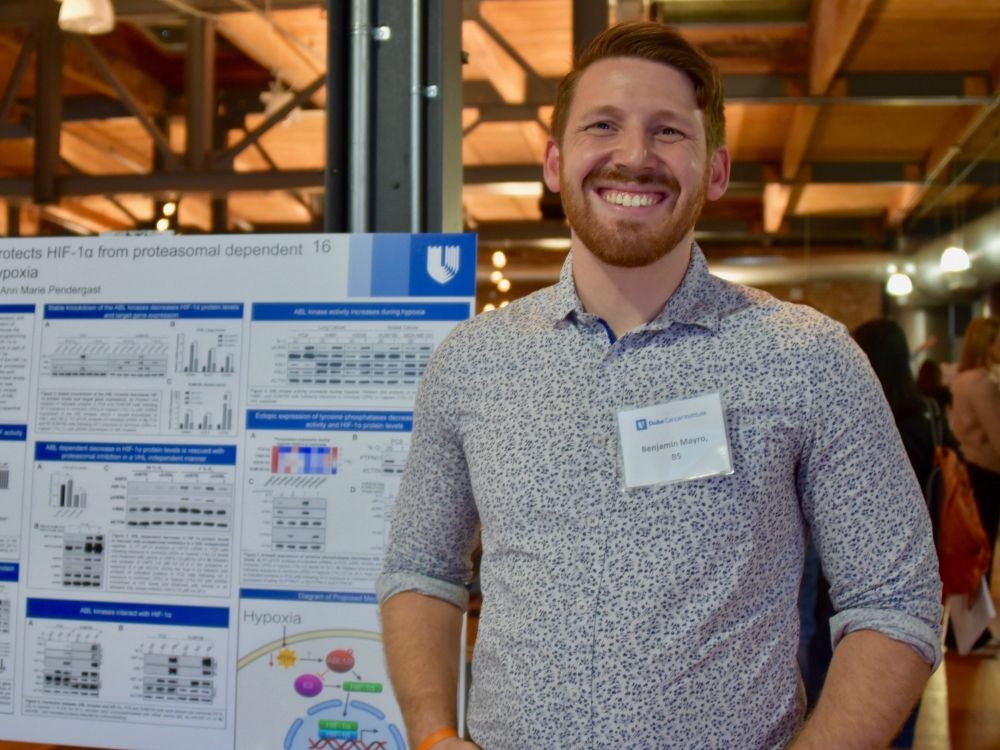
Benjamin Mayro, BS, with his poster on intratumoral hypoxia. He works with the Pendergast Lab. (photo by Julie Poucher Harbin)
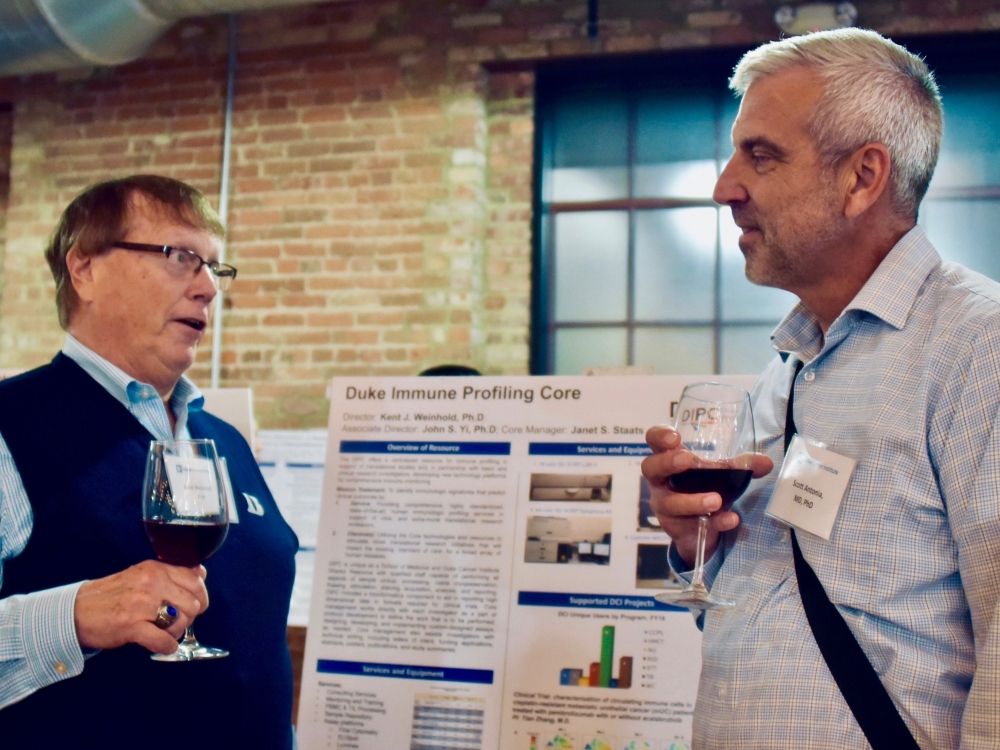
Kent Weinhold, PhD, who directs the Duke Immune Profiling Core (described on the poster), chats with Scott Antonia, MD, PhD, director of the DCI Center for Cancer Immunotherapy. (photo by Julie Poucher Harbin)
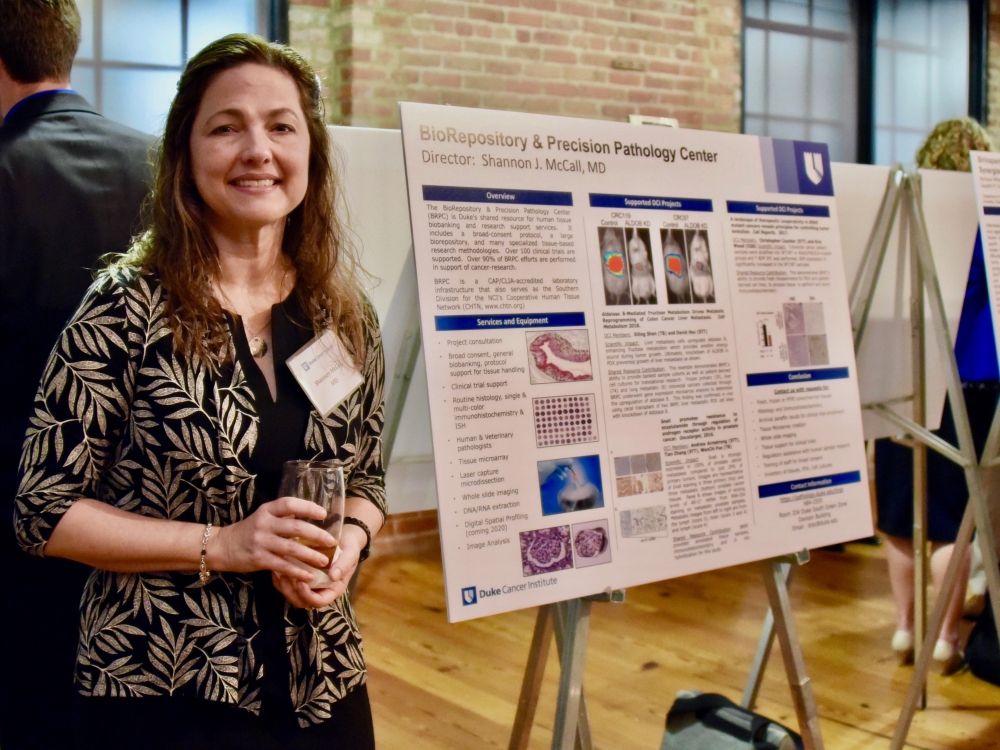
Shannon McCall, MD, showcases the work of the Biorepository & Precision Pathology Center that she directs. There were posters for 17 Shared Resources and Cores featured at the Scientific Retreat. (photo by Julie Poucher Harbin)
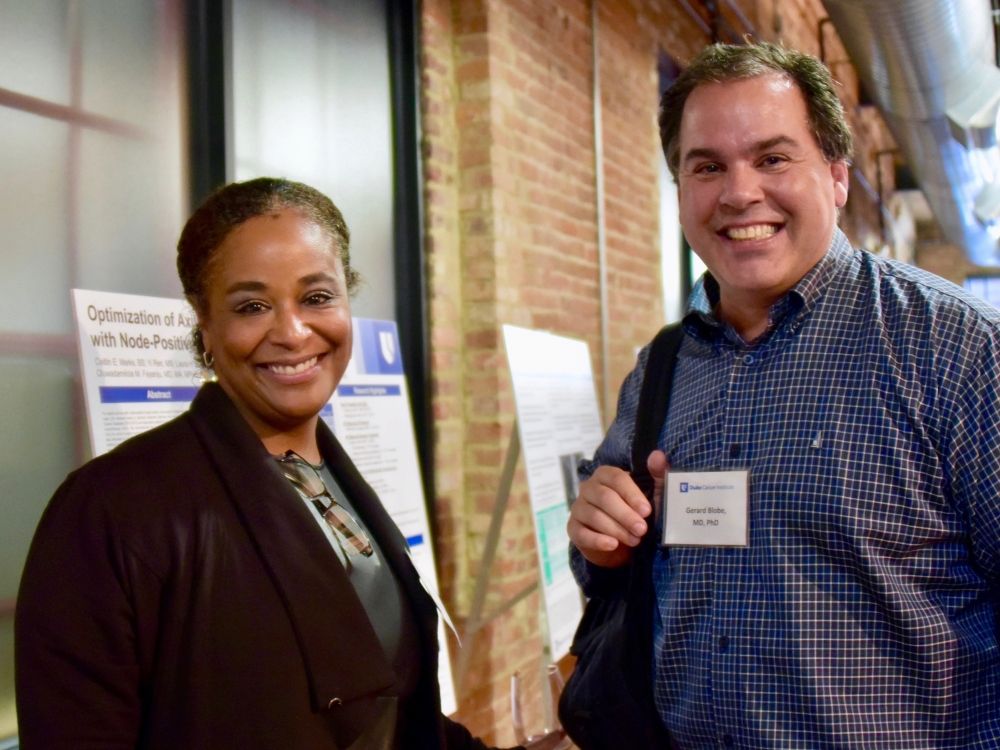
Head and neck surgeon Tammara Watts, MD, PhD, and GI oncologist Gerard Blobe, MD, PhD, stop by Caitlin Marks' poster. (photo by Julie Poucher Harbin)
Headshot of Julie Poucher Harbin
by Julie Poucher Harbin