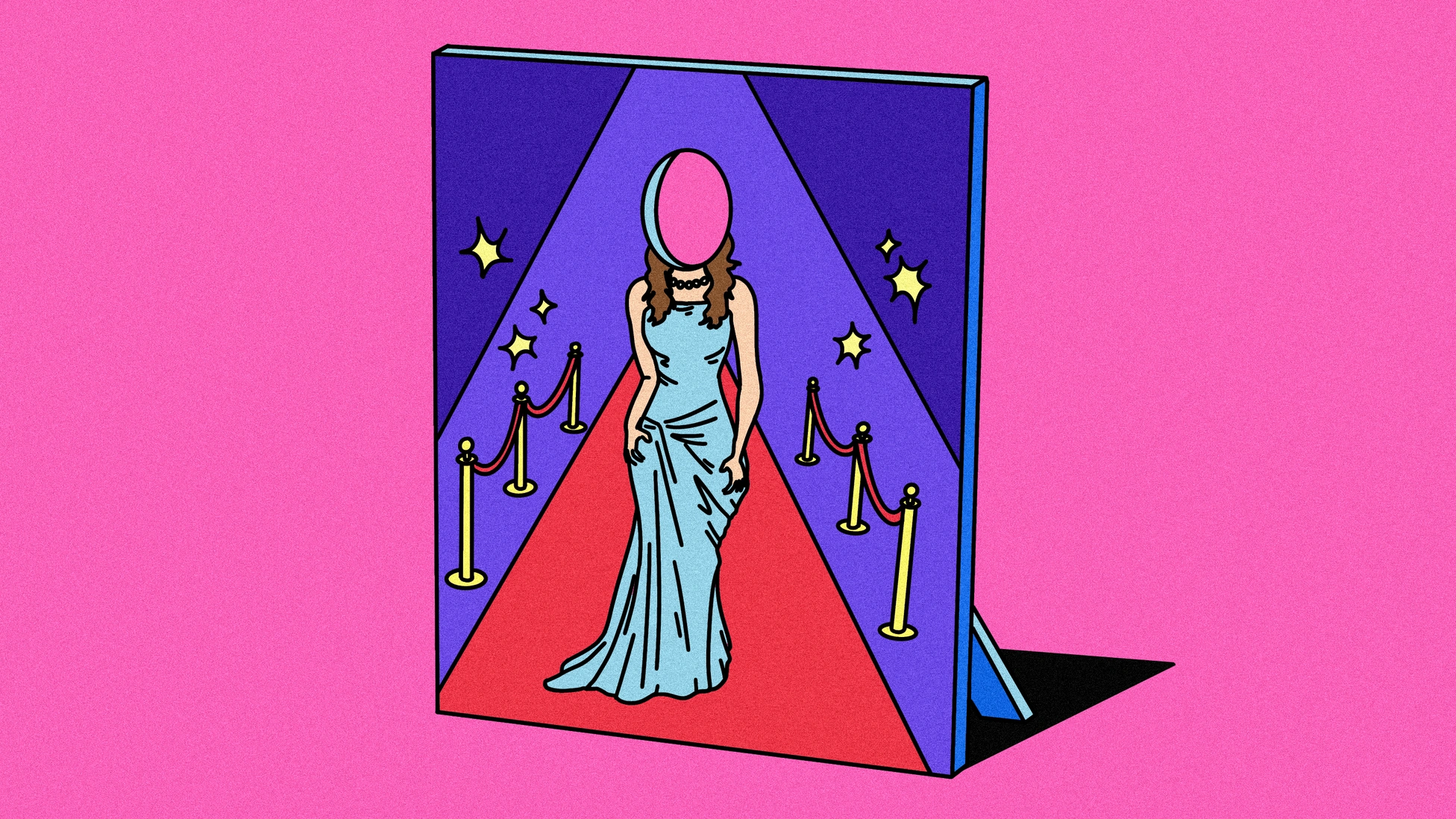
A new book by the hosts of Who? Weekly scrutinizes how social media democratized fame.
Recently, an Instagram carousel by a long-lost acquaintance who was beach- and boat-hopping with a glittery squad of people I didn’t recognize crossed my feed. I figured they were moneyed Millennials with regular jobs—until I discovered that several of them had followings in the high five figures, and one had more than 3 million. As it turns out, they were neither civilians nor stars. They were “Who”s: a category of low-tier celebrities, including influencers, reality stars, and podcasters—and commonly all three at once—whose names prompt you to ask: “Who?”
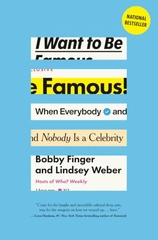
The binary between “Who”s and “Them”s—the latter being A-listers your parents might recognize, such as Beyoncé and Tom Cruise—was invented by Bobby Finger and Lindsey Weber. Their podcast, Who? Weekly, bills itself as a show that covers “everything you need to know about celebrities you don’t.” After a decade on the beat, the pair have distilled their insights into a new book, I Want to Be Famous: When Everybody and Nobody Is a Celebrity, which offers a comprehensive theory of how the internet and social media transformed everyone into someone—and therefore, no one.
That theory has surprising implications for the labor market at large. As social-media platforms have made it seem easy to monetize attention, professionals in industries where fame has not historically been a credential have come to face growing pressure to create and optimize their online brand. Personal branding, once almost exclusively the concern of genuine celebrities and more recently a job for social-media influencers, is now something a junior accounting executive is encouraged to think about. Sophie Bishop, a professor in media and communication at the University of Leeds, in England, calls this structural shift “influencer creep”—a phenomenon that has caused more swaths of the economy to function like the attention-hungry world that Who? Weekly dissects. No matter how staunchly we may wish to resist the fusion of work and life, we are what we do, and our job is to be a “Who.”
Who? Weekly was launched in 2016 as a lighthearted but often trenchant analysis of fame at a time when social media was beginning to democratize the concept. Finger and Weber were both young entertainment journalists; as they write in I Want to Be Famous, they wanted a venue in which to grumble about celebrities turning away from traditional media and toward social platforms, where they could exercise more image control. Finger and Weber’s real innovation, however, was the system of Whos and Thems. Whos are thirsty for the attention that Thems already have and will shamelessly do or plug anything to get it. “By the end of the 2010s,” the authors write, “it seemed like every reality star, aspiring actor or musician, and TikTok influencer was supplementing their creative income with a post promoting a vibrator, supplement, gambling service, or alcoholic beverage.”
Read more: The celebrity clock is getting rewired
But as I Want to Be Famous reveals, social-media culture has changed so much that even Thems can no longer resist shilling for brands online. When Jennifer Aniston joined Instagram, in 2019, her first post was a selfie with her Friends co-stars. “It was a charming (if brief) glimpse into the personal life of one of our most private celebrities,” Finger and Weber write: “The purity of her feed was short-lived, however. Today, you can see ads for SkinnyPop popcorn among those intimate photos with friends because now everyone is free to sell stuff in this brave new world, without the fear of selling out.”
When you buy a book using a link on this page, we receive a commission. Thank you for supporting The Atlantic.