SmartCitiesWorld City Profiles explore how the world’s leading cities apply technology and innovation to improve public services and quality of life. In this edition, we focus on Las Vegas, also known as the entertainment capital of the world and “Sin City”.
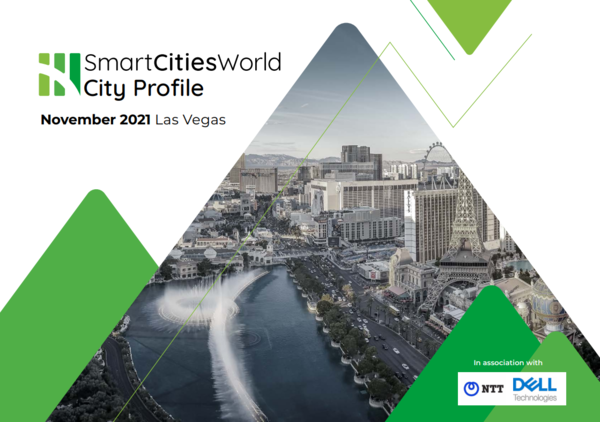
SmartCitiesWorld City Profiles explore how the world’s leading cities apply technology and innovation to improve public services and quality of life. Relentless growth in urban populations contributes to socioeconomic issues, environmental threats and public service shortfalls. Many aspects of urban infrastructure and local government operations are already straining to meet the needs of residents, visitors, businesses and schools. Improving cities and preparing for a safe, inclusive and sustainable future poses complex challenges and opportunities for city planners, civic leaders and private sector partners.
In this edition, we focus on Las Vegas, also known as the entertainment capital of the world and “Sin City”. Situated in southern Nevada in the Mojave Desert, Las Vegas is a relatively young city that was founded in the early twentieth century. From its start as a dusty railroad stop, the city experienced explosive growth in the late 1920s and 1930s due to construction of the Hoover Dam – a massive project that spurred migration of people in search of jobs during the Great Depression. Today, the Las Vegas Valley – which includes the City of Las Vegas and nearby communities – is the second largest metropolitan area in the American southwest. The names Las Vegas and Vegas are both used when referring to the metropolitan area, the City of Las Vegas, the Las Vegas Valley, the Vegas brand and the Las Vegas Strip – a 4.2 mile stretch of Las Vegas Boulevard.
In its brief history, Las Vegas has shaped a diverse presence in commerce, entertainment, gambling, trade shows and urban development and is one of the most visited tourist destinations in the world. In the mid-1970s, there were approximately 35,000 hotel rooms in Las Vegas, growing to more than 150,000 rooms today – more than any other city in the nation. Pre-pandemic, the city attracted in excess of 40 million visitors per year, although this number decreased to roughly 19 million in 2020. For more than 40 years, Las Vegas has hosted the annual Consumer Electronics Show (CES), an event which attracted 170,000 visitors in 2020 and had an estimated economic impact of $291 million.
Las Vegas is the headquarters of MGM Resorts International, the world’s largest Fortune 500 gaming company and numerous companies involved in the design and manufacture of electronic gaming machines are located in the area. But Las Vegas is more than a centre of entertainment, gambling and tourism. With Amazon’s recent opening of a new fulfilment centre, Google’s construction of a new data centre, and an emerging tech ecosystem, the Las Vegas Valley is emerging as a regional technology hub.
The Tax Foundation’s 2020 State Business Tax Climate Index ranked Nevada’s business climate seventh in the nation. Based on estimates from the Nevada Resorts Association, the tax burden satisfied by the gaming and tourism sectors account for about 33 per cent of the state’s total sales tax requirement. As a result, Las Vegas residents and businesses benefit from the lowest tax burdens in the nation. No state income tax – combined with the climate and leisure opportunities – makes Las Vegas a popular retirement destination.