A new term for a very old problem.
…
For those who complain about the "Mercer-effect" I have to ask: What about the Mulligan effect, the Walters effect, the Hulmes effect, the Woll effect, the Azevedo effect, the Crawford effect, or the Perkins effect, just to name a few?
Of course professional streams with production budgets often come across as more polished than our home games. Is that really surprising? How many other hobbies are there where professional efforts, time, and money tend outshine everyday hobbyists besides ... well all of them.
There are those who don’t like some streams because the shows are too punny or too serious, the DM is too loose or too strict with the rules, the world the game is played in is too homebrew, or two ridgedly old school, the players are too polished as voice actors or they don’t do voices at all, etc. There’s also those who don’t like a particular player or DM in a stream for whatever reason as well as those who complain when any other edition of the game besides the one they play is used. That’s pretty normal and there’s nothing wrong with that. Opinions and tastes vary widely so to each their own.
That said, the suggestion that the DM of one live stream has somehow damaged the hobby, while simultaneously bringing 1000s of new players to the game as well as being a significant part of making nerd culture cool (or at least cootieless) is ridiculous in my opinion.
Back in the early 80s people complained that their DM or table was nothing like whatever their favorite fantasy movie or book series was. We didn't call that the Tolkien effect or the Cook effect. We didn't call it the Conan effect or Highlander effect either. We simply called it what it was, unreasonable expectations.
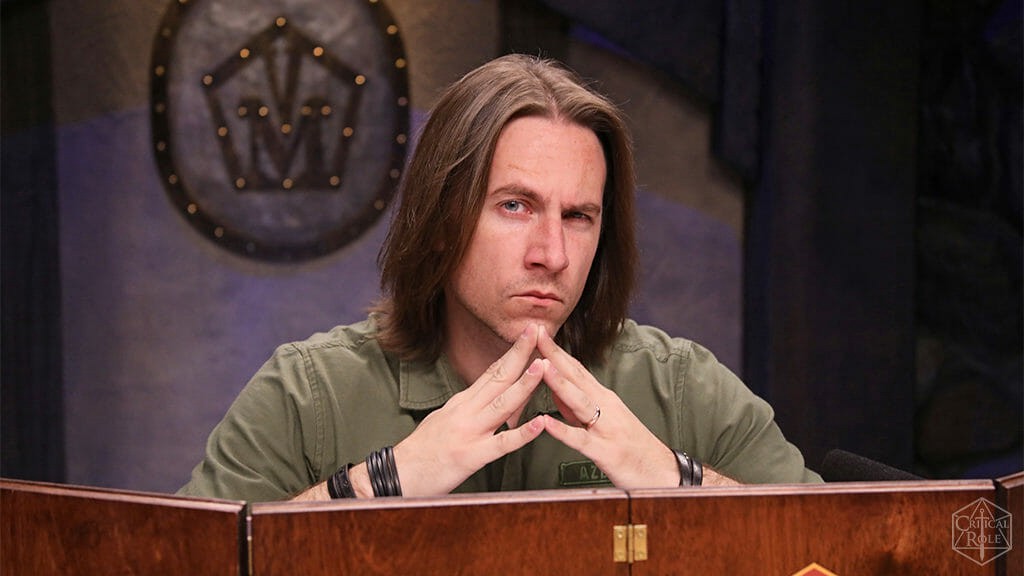
Unreasonable expectations are nothing new to D&D and they certainly didn’t start with Critical-Role so how about we give Matt Mercer a break?