Cancel culture is a new catch phrase, often used as something of a slur, for a very old and very American tradition.
Contrary to popular belief, Americans do not have, nor have we ever had, a right to free speech outside of a right to not be penalized by the government for what we say. As a result we have always been subject to potential consequences for our words. However, that has never stopped us from saying what we think.
This is a unilateral thing. Everyone has a “right” to be offended, and the offended have always come out to protest when they felt strongly enough about something. Additionally, it’s not new for others to be offended by the offended expressing their offense about something they found offensive, and they have the same “right” to be offended and express their grievances. The many hypocrites who voluntarily participate in some forms of protest and boycott, while simultaneously claiming protests and boycotts are wrong (or even un-American) when others do it, have always existed as well.
There is a very long standing concept in America of voting with your wallet, sometimes called a wallet veto. I’m over 50, and I remember my parents and grandparents deciding not to patronize a business, or not to buy a product, because of something they found offensive. This is not new, and it is very much American.
Expressing offense is equally so. Writing strongly worded letters was common practice in my family, and in those around us, that was used in response to anything that rubbed their sensibilities the wrong way. Letters to the editor, signs in car windows, etc., all existed back then as well. None of this is new in America.
For example, it’s marginally before my time, but there were the album-burnings (and other destructive practices like a wood chipper) in the 1960s that were a loud and rigorous response by Christians offended by John Lennon’s offhand remark in an interview that the Beatles were “more popular than Jesus.” Besides protests and destruction of records, these groups demanded local radio stations ban the Beatles from their airwaves and that record stores stop selling their records.
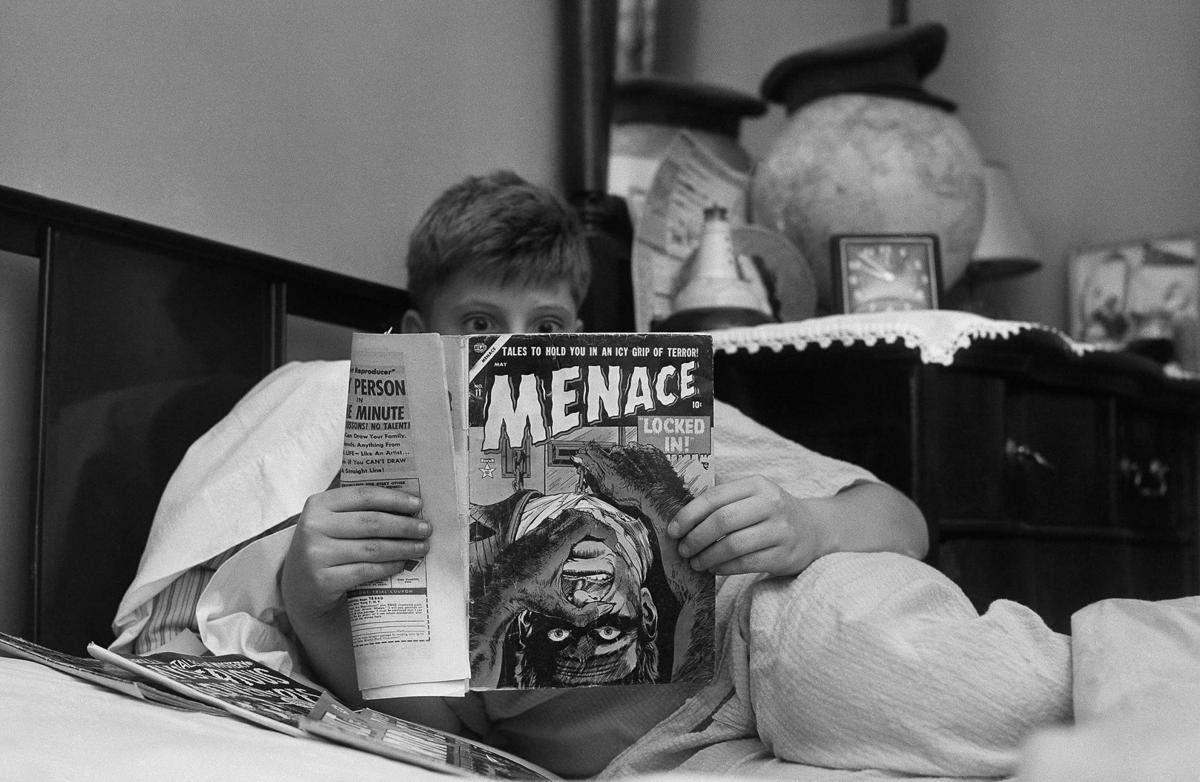
Before that, there was the great comic-book scare in America in the late 1940s and early 1950s that included mass burnings of comic books in a number of cities across the country. This ultimately resulted in the creation of the Comic Book Code and the Comics Code Authority, a nongovernmental organization that wielded power over the industry until 2011 (though it started waning in the 1980s).
More recently, there was the boycott and censoring of the Dixie Chicks in the early 2000s. At one point, thousands of country music stations blacklisted their music in response to the outcry of those in their audiences who were offended by a 2003 statement made criticizing President George W. Bush and his moves to launch war in Iraq. There also were events where people gathered to smash and/or burn Dixie Chicks CDs and demand stores take them off the shelves.
Even more recently were all the calls to boycott the NFL because Colin Kaepernick took a knee during the national anthem in silent protest in 2016 (which evolved from his originally sitting it out on the advice of retired Green Beret, and former NFL player, Nate Boyer). We have seen many calls for boycotts of sports teams and organizations since then for similar reasons.