Though film and television studios have historically been slow at making concerted efforts at diversifying their industries, when it comes to Black people, you can see the demonstrable progress that鈥檚 been made in Hollywood. Without a doubt, there are more Black people working on various projects, and more nuanced depictions of us in the media. On the whole that鈥檚 a good thing, but just because progress has been made doesn鈥檛 mean it鈥檚 all good.
Series like Disney+ and Marvel鈥檚 The Falcon and the Winter Soldier speak to what comics fans have long since known since at least the Wesley Snipes鈥� Blade era. There鈥檚 always been interest in Black comic book characters across a variety of media, and after feigning ignorance about that fact under the guise of playing 鈥渢he long game,鈥� major film studios have capitalized on that interest in big ways with more recent adaptations. But those projects are only a piece of the larger moment in Hollywood, one that鈥檚 elevating Black stories in response to the concerted criticism of decades of sub-par representation, and the general public鈥檚 heightened focus on ongoing organizing efforts to abolish racist systems that disproportionately harm and kill Black people and other marginalized communities.
The Falcon and the Winter Soldier isn鈥檛 unique in attempting to tackle these issues through a science-fictional lens, and other series like HBO鈥檚Lovecraft Country and Amazon鈥檚 horror anthology Them speak to the studios鈥� interest in this general kind of approach. But a number of these series have debuted at a time when their messages couple with an uneven grasp of how to explore these themes carefully. It鈥檚 something that鈥檚 made more than a few of them disappointments when they didn鈥檛 have to be.
On March 16, 2021, three days before The Falcon and the Winter Soldier鈥檚 first episode premiered on Disney+, six Asian women were counted among the eight left dead following a mass shooting at Atlanta-area spas by a white man many believe was specifically targeting Asian people. Marvel鈥檚 head writer Malcolm Spellman has recently鈥攁nd somewhat dubiously鈥�a href="https://deadline.com/2021/04/captain-america-4-malcolm-spellman-falcon-and-the-winter-soldier-season-finale-interview-1234745383/" target="_blank" rel="noopener">made claims of prescience about the January 6 attack on the U.S. Capitol shaping The Falcon and the Winter Soldier鈥檚 finale. Despite this, something the show鈥檚 creative team couldn鈥檛 have predicted was the show debuting the same week of a national tragedy that highlighted the recent spike in anti-Asian racism and harassment in the U.S.
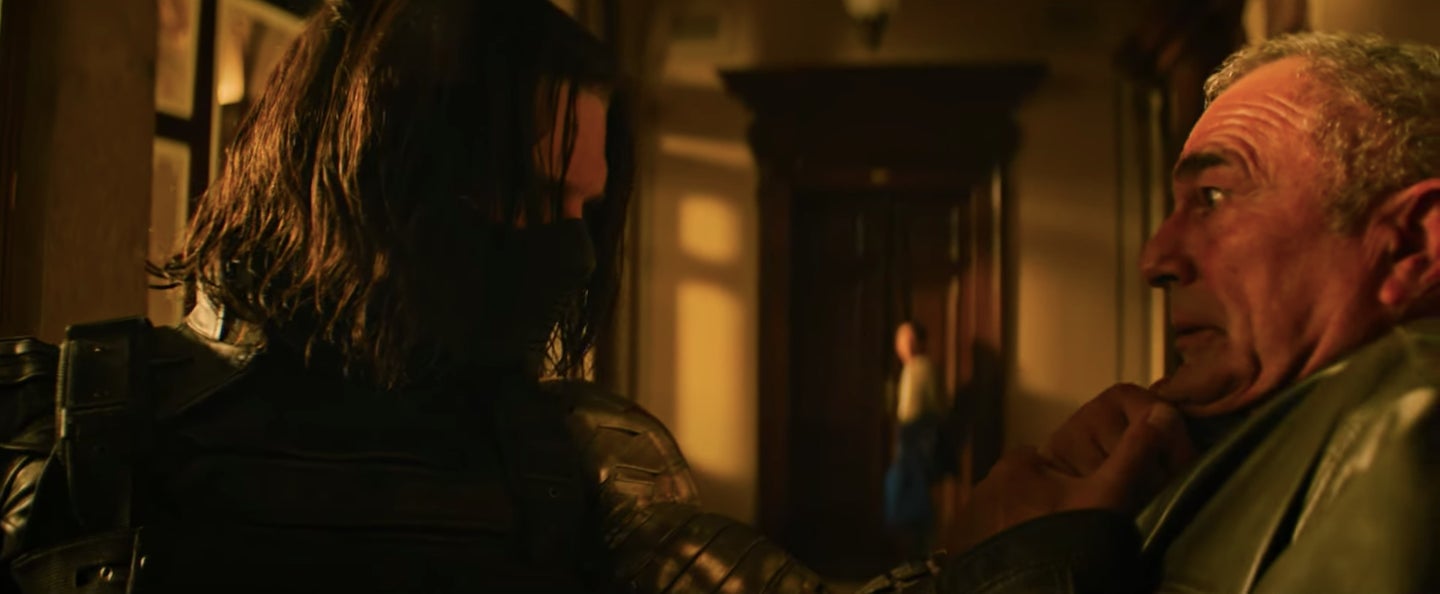
As the premiere, 鈥�a href="https://io9.gizmodo.com/the-falcon-and-the-winter-soldier-starts-by-exploring-t-1846468458">New World Order,鈥� followed Bucky Barnes鈥� (Sebastian Stan) life in the present while he worked through the trauma of his time spent operating as the Winter Soldier, the episode repeatedly flashed to moments in the past that show you exactly what sort of darkness haunts the former Hydra asset. Though Bucky鈥檚 largely freed of the evil group鈥檚 influence as the series begins, he still recalls many of the innocent lives he unwittingly took on its orders, acts that he doesn鈥檛 truly know how he could ever atone for as part of the healing his therapist wants him to do. The show also established how Bucky befriended his neighbor Yori Nakajima (Ken Takemoto) in his attempts at building a healthy social life. The Falcon and the Winter Soldier doesn鈥檛 go into great detail about how they became friends beyond the fact that they鈥檙e both elderly curmudgeons who understand Japanese. Yori knows that he enjoys Bucky鈥檚 company, and that鈥檚 enough for him. What Yori doesn鈥檛 know is that Bucky is the person who murdered his late son RJ Nakajima (Akie Kotabe) during one of his Winter Soldier missions.
Given Bucky鈥檚 backstory, there were multiple ways that the plot might have gone about exploring the difficult, ugly truths he鈥檚 kept secret from one of the few friends he鈥檇 managed to make post-Avengers: Endgame. But all of that was quickly put on hold as The Falcon and the Winter Soldier shifted its focus to other characters; Sam Wilson (Anthony Mackie), John Walker (Wyatt Russell), and Lemar Hoskins (Cl茅 Bennett) were all introduced with their own plots about pain, power, and social justice that were addressed over the course of the season. Time is a precious commodity for all television shows, but particularly so for ones like this Marvel project which was rather explicit about its desire to address racism through the lens of a heightened, superheroic narrative. Other shows like Luke Cage and Black Lightning have done this in the past, as have movies like Black Panther and (in a metaphoric way) a number of the X-Men movies. Fiction lends itself to the exploration of these sorts of large-scale societal issues that shape our reality in ways that can be difficult for some to comprehend. It鈥檚 exactly why the canon of genre fiction, in particular, is dense with stories coming at these ideas from different perspectives.
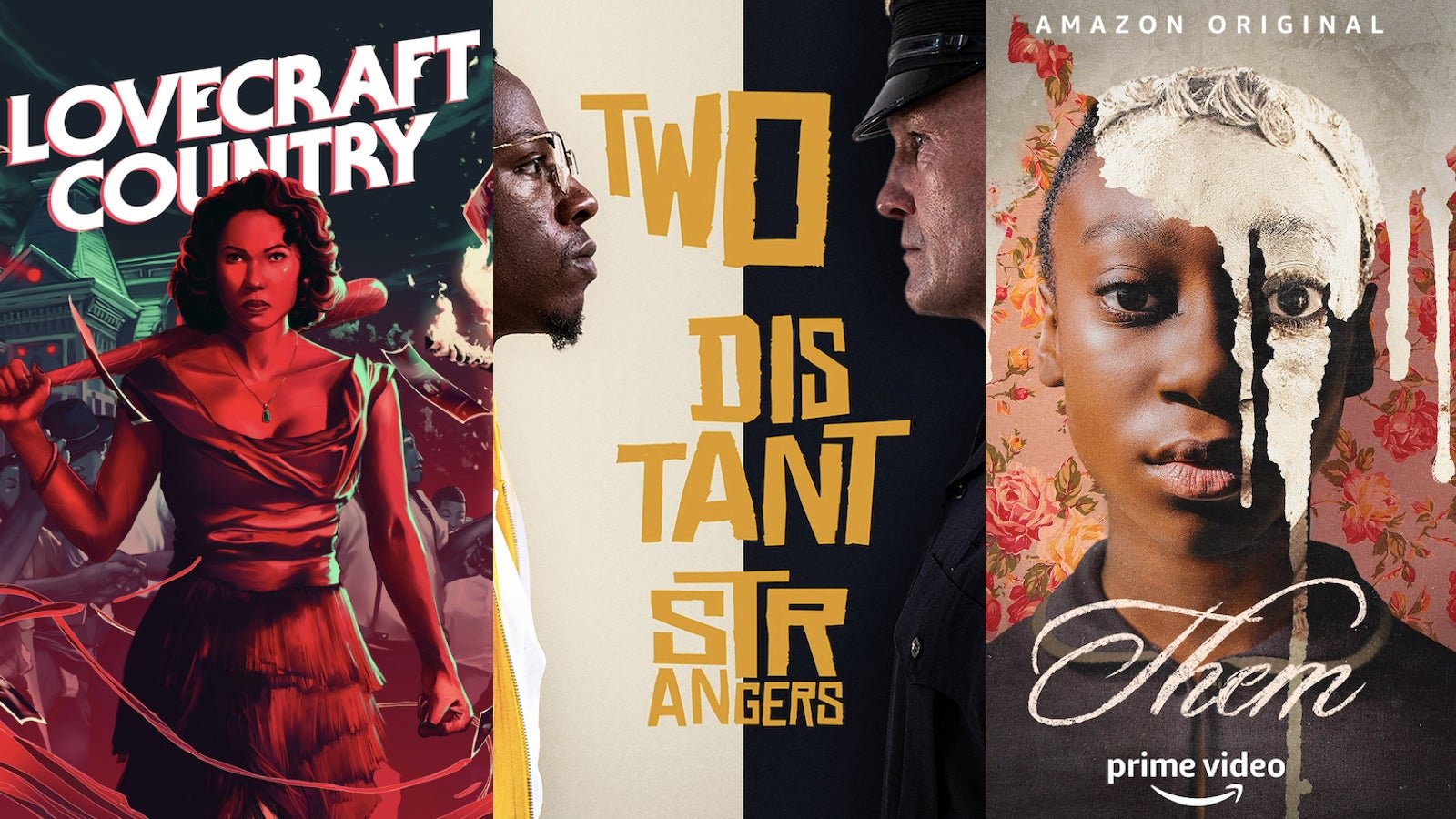
The tradition of using science fiction to talk about real-world social issues existed long before the recent wave of stories like Them, Us, Two Distant Strangers, Lovecraft Country, and Watchmen, which were all clearly influenced by Get Out鈥檚 success. Jordan Peele鈥檚 story聽felt very much like the result of the creator鈥檚 efforts to synthesize well-known (to Black people, at least) elements of anti-Black racism and his own love of the horror film genre into a wholly original idea that was greater than the sum of its narrative parts. But for many of the stories following in Get Out鈥檚 wake, like The Falcon and the Winter Soldier, the arithmetic hasn鈥檛 added up quite like that, and it鈥檚 important to understand why because many of these stories are presented as entertainment meant to also educate audiences about complicated ideas.
Subjective as art is, it can be hard to pinpoint precisely what it is about one story delving into race that makes it stronger than another, but often it boils down to whether you can feel if both the story and its creators are actively thinking past the basic 鈥渞acism + a genre framing device鈥� formula. In chasing Get Out鈥檚 success, a number of studios seemingly lost sight of the reality that the movie wasn鈥檛 good simply because it was a 鈥淏lack horror movie鈥� about racist bodysnatchers. What made it stand out was how it spun elements of reality into a twisted fable we could all recognize as social commentary about the most dangerous kind of 鈥淕ood White People.鈥� Looking back at the 2017 film, it鈥檚 interesting to consider how much of the hype around it was tied to what people 鈥渓earned鈥� from the movie as opposed to audiences鈥� simply being shocked to see a mainstream horror film approach race in such an inspired way.
It鈥檚 often felt like the educational components of these stories have become more of the hook for people, whether it鈥檚 through borrowing beats from the news and creators鈥� lived experiences (like in Black Lightning) or by making historical events like the Tulsa massacre crucial to the plot (like in Watchmen). What both of those shows understood that The Falcon and the Winter Soldier did not was that in order to really say something beyond 鈥渞acism is bad,鈥� it is necessary to push characters to repeatedly contend with and contemplate how race and racism have shaped the world around them. One of the dangers shows like these have to be mindful of is becoming too charmed by their own premises to actually make an interesting point, which was often the case in The Falcon and the Winter Soldier.
You could also see the same problem in Them, Amazon Prime鈥檚 horror series鈥攃reated by Little Marvin and executive produced by Lena Waithe鈥攁bout a Black family fleeing North Carolina for Los Angeles, only to find themselves in another kind of racist hell that鈥檚 haunted by otherworldly apparitions. Though the show wanted to be a reflection on the Second Great Migration that saw millions of Black people trying to start new lives in the North after leaving the South, it quickly became far too preoccupied with finding new horrors to inflict upon its protagonists鈥攈orrors that served little function as commentary on the racism the show was supposedly about. Between the dozens of venomous utterances of the N-word delivered by Them鈥檚 white cast, multiple depictions of rape and murder, and an ultimate reveal (spoiler warning) that the devil鈥檚 one of the reasons white racists are racist, Them became a cornucopia of traumatic images devoid of substance. All the while, the series was seemingly patting itself on the back for being brave enough to commit Black trauma to film.
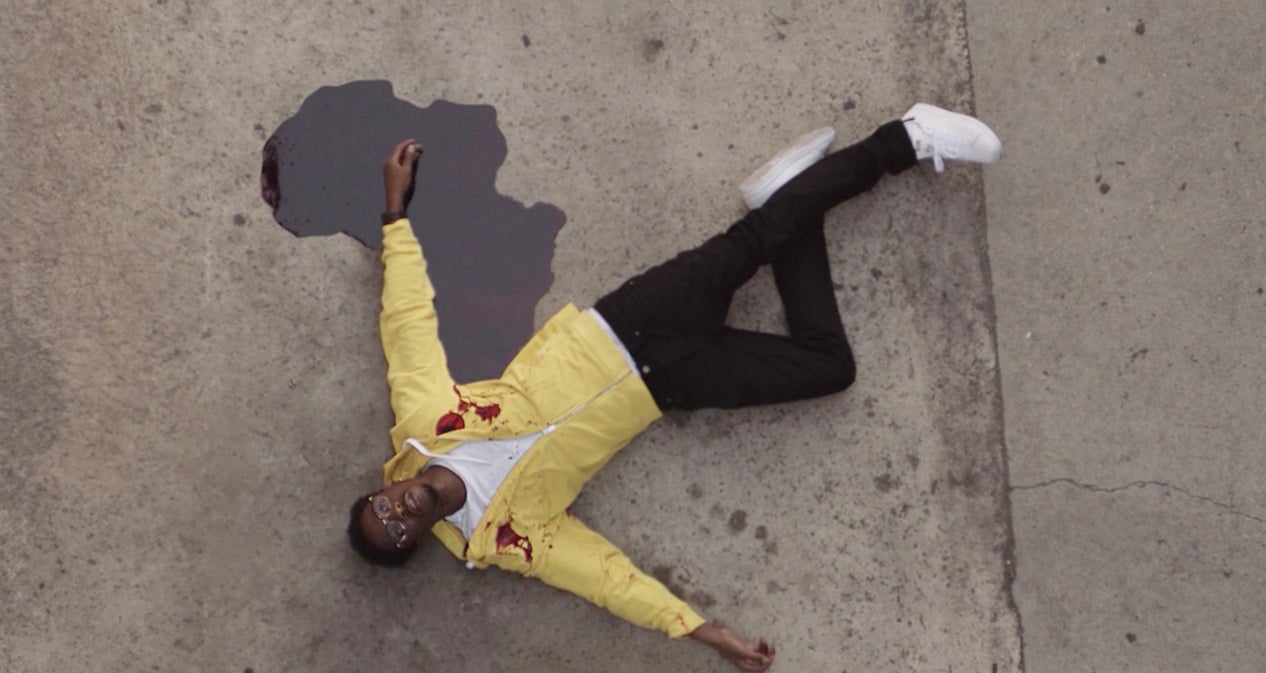
Netflix鈥檚 now Oscar-winning live-action short film, Two Distant Strangers, quickly veered into similar territory in its Groundhog Day-inspired tale that followed a day in the life of a Black man who鈥檚 murdered by the police moments after stepping onto the street first thing in the morning. It鈥檚 easy to see what Two Distant Strangers was going for鈥攁 short, direct, punch to the gut about what it means to live in constant fear of being murdered by the police for no reason other than existing while Black. After forcing you to watch its protagonist die over and over again, the movie lands on an even darker note that鈥檚 presumably meant to leave viewers feeling a fraction of the pain that many Black people live with, knowing there鈥檚 essentially nothing they can do to keep the police from murdering us in cold blood. But one鈥檚 also left to wonder what the film was hoping to accomplish other than receiving recognition from the Academy, a body with a storied history of only responding to Black stories centering on pain. Similar pitfalls were present in HBO鈥檚 Lovecraft Country, which had a tendency towards trying to keep more spinning plates in the air than it was able to within its story, one that juxtaposed garden-variety American racism with Lovecraftian horrors from other dimensions.
There are sparks of very good ideas present in all of these stories鈥攊ncluding The Falcon and the Winter Soldier鈥攂ut the issue is many of them failed to earn the amount of labor they were asking of audiences to power through in their heavier, uglier moments. Much as the Disney+ series generally failed Sam Wilson in the sense that it didn鈥檛 depict him as being an especially proactive person when deploying his past experiences to navigate the present, Carl Lumbly鈥檚 Isaiah Bradley brought a much-needed degree of nuance and truth to the show鈥檚 commentary on Blackness in America. The Falcon and The Winter Soldier needed to delve into the specific horrors of the real-world Tuskegee experiments that inspired Isaiah鈥檚 origins as an American super-soldier to be effective. The character urging Sam to consider what all it means to carry Captain America鈥檚 shield given all of its bloody, unjust history was one of the few moments where the writing felt bold enough to tackle the realities of how people have to engage with historical racism, rather than just talk about it in carefully worded speeches delivered on national television.
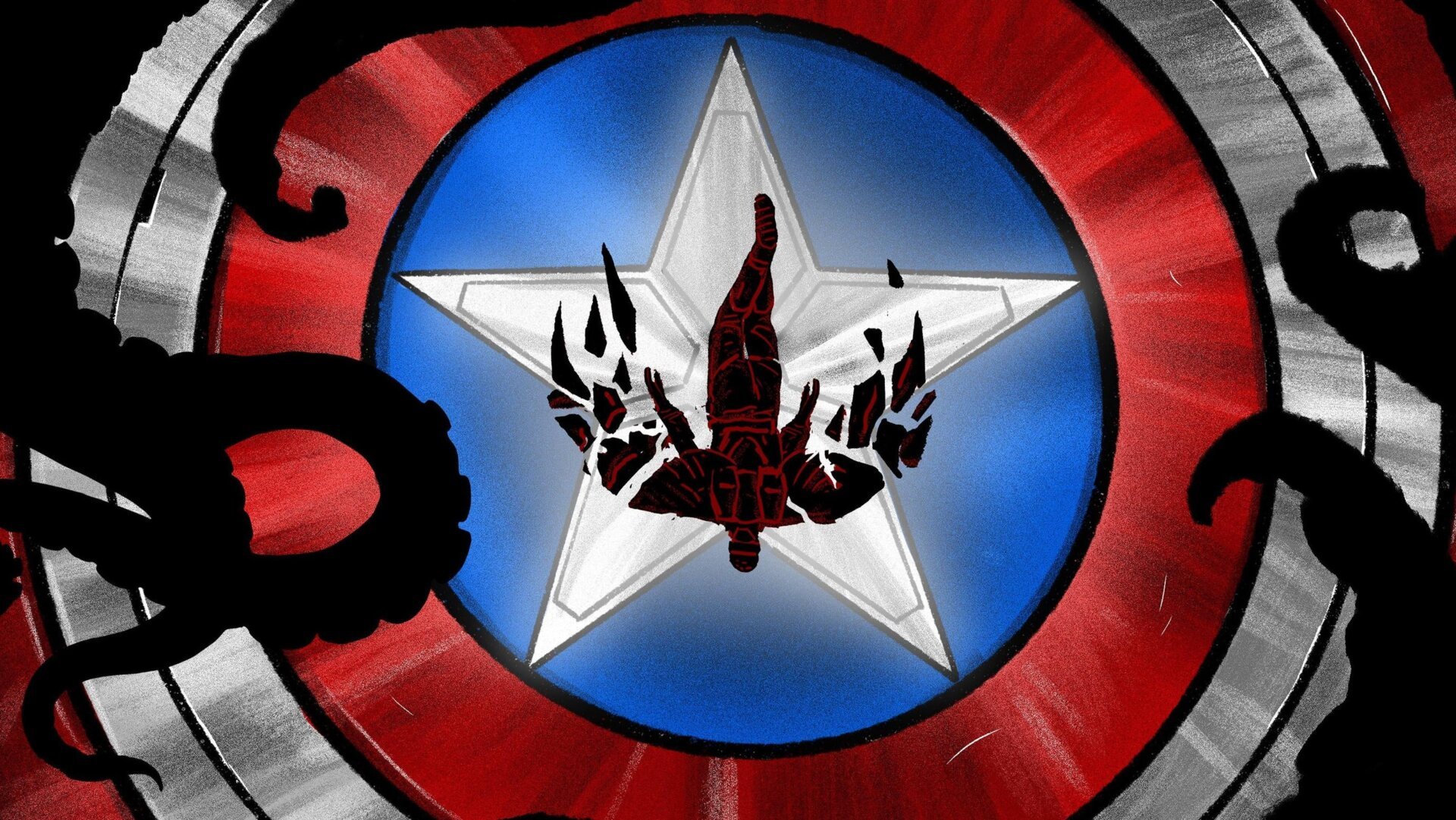
What little potential there was in Isaiah鈥檚 plotline was cut off at the knees, though, by The Falcon and the Winter Soldier not doing more with the character, and because of which characters it did end up choosing to spend more time with. To listen to the way Spellman and director Kari Skogland talk about Wyatt Russell鈥檚 John Walker, one could easily miss the fact that one of the character鈥檚 pivotal scenes involved him murdering a man by bashing his skull in with the famous shield for something he didn鈥檛 do. The show鈥檚 internal logic reasoned that Walker witnessing his best friend Lemar Hoskins鈥� murder at the hands of the Flag-Smashers鈥� leader would push him over the edge into a dark space. However, in following that train of thought, the show became guilty of perpetuating one of the very problematic tropes it was implicitly critiquing.
Arguing that Lemar 鈥渉ad鈥� to die in order to push John forward fails to take into consideration that, within the context of The Falcon and the Winter Soldier, these characters aren鈥檛 just regular military personnel running around, and the Flag-Smasher鈥檚 murder wasn鈥檛 just a twisted superhero taking down an unnamed villain. In quite unsubtle ways, Walker became the show鈥檚 equivalent to a trigger-happy cop attacking someone they deemed to be a threat and using an obviously excessive and lethal amount of force鈥攕omething he ultimately faces no real consequences for. Though a villainous turn could easily be in Walker鈥檚 MCU future, one really has to consider what鈥檚 to be taken away from The Falcon and the Winter Soldier鈥檚 creators speaking about Walker as if he鈥檚 a character you鈥檙e meant to sympathize with, given what he鈥檚 experienced. By the end of the series, we see him palling around with Contessa Valentina Allegra de Fontaine (Julia Louis-Dreyfus), and it鈥檚 played somewhat for laughs, with a promise of a future that undercuts the show鈥檚 mealymouthed attempt at saying 鈥淏lack Lives Matter.鈥�/p>
It didn鈥檛 feel like Lemar鈥檚 life mattered to The Falcon and the Winter Soldier. In his death, and the way its gravity was glossed over, you could see how the show鈥檚 creative team assumed it was unnecessary to stick with the thread, either because it wasn鈥檛 that bad or because there were better outcomes for other Black characters. That sort of formulaic thinking can be useful to figure out how stories will take shape, but in The Falcon and the Winter Soldier鈥檚 case, it only highlighted how mismanaged the story鈥檚 attention was.
In the case of Sam Wilson, the MCU鈥檚 new Captain America, the story continues as he fully owns his new mantle in Marvel鈥檚 next Captain America film. The stakes of what comes next for him could present an interesting opportunity for the studio go to bigger and harder with the character鈥攁s it鈥檚 already shown to be possible with movies like Black Panther鈥攂ut it shouldn鈥檛 really be Sam Wilson鈥檚 job to bear the burden of being Marvel鈥檚 signature superhero who鈥檚 constantly combating racism. There are going to be more stories like The Falcon and the Winter Soldier that want to talk about the world we live in, and they should, but they鈥檙e going to have to be more than simple declarations of basic truths about evil we should already all know.
For more, make sure you鈥檙e following us on our Instagram @io9dotcom.