Safety for seniors in the home
Identify risks for slips, trips and falls
While slips, trips and falls can happen easily and cause severe injuries, there is action you can take around the home to mitigate risks.
Steps, stairs and walkways
Unsafe steps and stairs, both in and outside the home, can be potentially hazardous. Loose rugs, uneven flooring, clutter, and wet floors can all potentially cause accidents like slips, trips and falls.
To make stairs safer, consider installing handrails, non-slip treads, and contrasting coloured edge strips on steps so they can be seen clearly.
Keep staircases free of clutter to avoid a misstep or trip, and make sure to always use a handrail to walk slowly up and down stairs.
Within the bedroom, ensure the bed frame is sturdy, that it is easy to get in and out of with light switches in easy reach, and that there are clear pathways to areas like the kitchen or bathroom.
For all flooring and walkways, look to remove any items that could be dangerous fall hazards. This means the removal of clutter on the floor or on high shelves, and taping down items like electrical cords on skirting boards.
Outdoors
Outdoor areas, such as front and back porches, gardens and paths, can be potential risks for slips, trips and falls. When outside, it is imperative to wear shoes that are supportive and well-fitted to help prevent falls. Always practice safe ladder usage around the home, or leave these maintenance jobs at height to trained professionals.
As well as inside, ensure outdoor areas with steps or stairs have handrails, are well-lit, and have reflective tape on each step.
Look to remove outdoor clutter such as fallen leaves, moss, slime, clogged gutter material and other debris from outdoor areas, walkways and paths.
Lighting
Poor lighting around the home can lead to accidental trips and falls in areas where people cannot see clearly, particularly at night.
Make sure there is adequate lighting in key areas of the house, such as hallways, staircases, and entrances. Consider installing motion sensor lights or nightlights for a clear, well-lit path at all times of the day and night.

How to make the kitchen safe for seniors
While often the centre of the home, the kitchen is prone to potential risks including fire, falls, burns and scalding.
To increase safety in the kitchen, look to install automatic shut-off devices for stoves and ovens, and ensure there are working smoke alarms around the home at all times.
To minimise the risk of falls in this area of the house, use non-slip mats, and keep frequently used items such as cutlery, crockery, and saucepans at reachable heights to help avoid accidents, falls and injuries such as muscle strains.
For issues like clogged sinks, broken dishwashers, faulty electricals or appliances, always enlist the help of a qualified professional.
How to make the bathroom safe for seniors
Falls
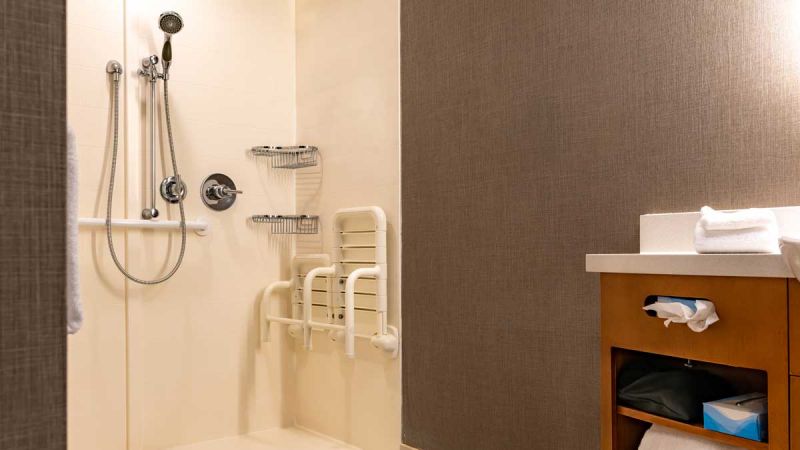
To reduce the risk of a potential fall in bathroom wet areas, consider using non-slip mats in and around the shower or bath, and installing handrails or a seat in the shower for easier accessibility. You could also consider the installation of a grab bar, hand rail or raised toilet seat to improve safety.
Scalding
According to the Victorian Building Authority, it takes just one second for hot water at 68 degrees to cause full skin-thickness scald. While showers and bathroom taps must be set to a maximum water temperature of 50 degrees by law, older hot water systems installed before 1998 may not be heat regulated.
Consider getting advice from a licensed plumber on installing a tempering valve to reduce bathroom water temperature, to mitigate the risk of scalding.

Get a Senior Safety Inspection
To identify ways to protect against hazards like slips, falls, accessibility issues, inadequate lighting and hot water hazards, consider an expert property inspection that's tailored to senior safety. A comprehensive inspection can provide you with the chance to mitigate any existing risks in the home.