Talking Points
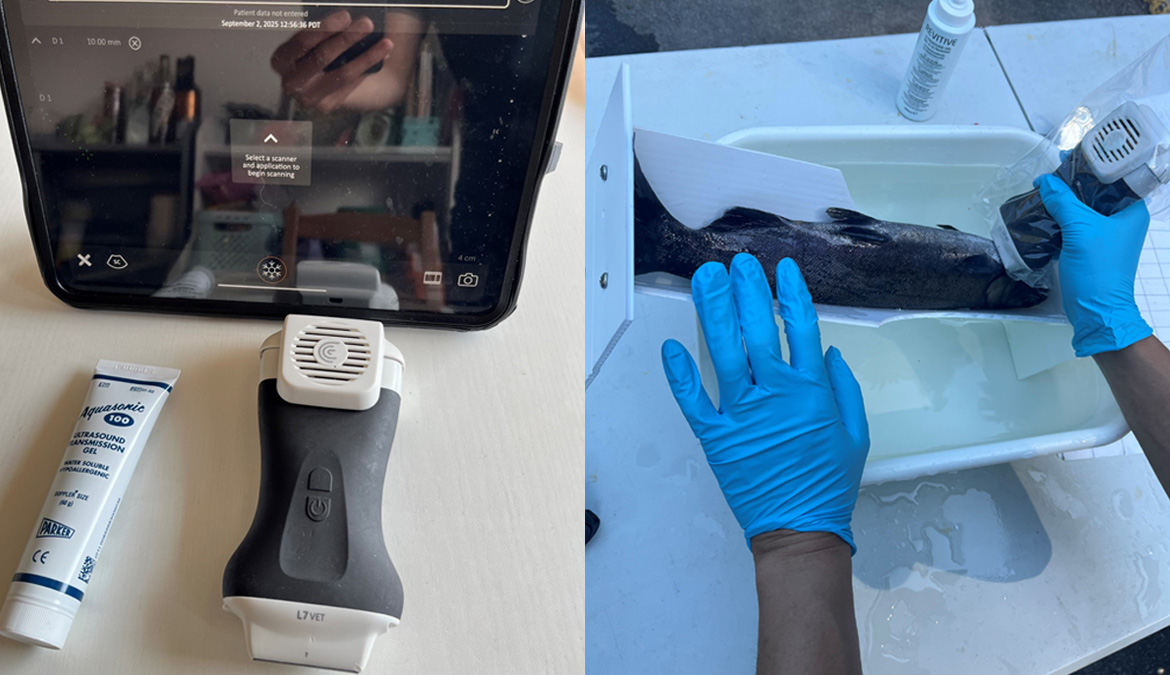
The Quesnel River Research Centre's hatchery team has successfully implemented portable ultrasound technology to identify male and female salmon broodstock, enhancing breeding accuracy. This non-invasive method, shared by Fisheries and Oceans Canada, allows biologists Qi Liu and Lenora Turcotte to assess fish readiness for spawning without harm.
- The ultrasound unit confirmed a skewed sex ratio during the Summer 2025 broodstock collection.
- The hatchery team collected additional males and females to ensure balanced breeding for Upper Fraser Chinook salmon.
- Community hatcheries across British Columbia are adopting this technology for improved broodstock management and sustainable production.
This advancement in ultrasound use not only supports effective breeding practices but also promotes the health of salmon populations, crucial for ecological balance and local fisheries.
The hatchery team at the Quesnel River Research Centre used a portable ultrasound unit as a non-intrusive technique to identify male and female salmon broodstock.
This learning was shared through the Fisheries and Oceans Canada website, sharing how staff from the Salmon Enhancement Program in British Columbia used new tools to ensure a correct ratio of make and female salmon broodstock for paired breeding.
Regional Fish Health and Hatchery Support Biologists, Qi Liu and Lenora Turcotte, discovered that using a portable ultrasound unit to image the internal organs of broodstock can help determine the sex of fish and whether females are ready to spawn.
“The use of ultrasound is completely non‑invasive, so we can get the information we need without harming the fish. It helps us make better decisions while respecting the fish we’re trying to protect,” explained Liu.
During the broodstock collection in Summer 2025, time was limited as the migration of the Upper Fraser River Chinook salmon was almost complete. Liu responded quickly to bring the portable ultrasound unit to the Quesnel River Research Centre from Vancouver. He scanned the salmon that were held for broodstock and quickly verified the staff’s concerns: the sex ratio was skewed.
Armed with that information, the hatchery team at the Quesnel River Research Centre returned to multiple spawning rivers and collected additional males or females for several stocks within the Upper Fraser Chinook population.
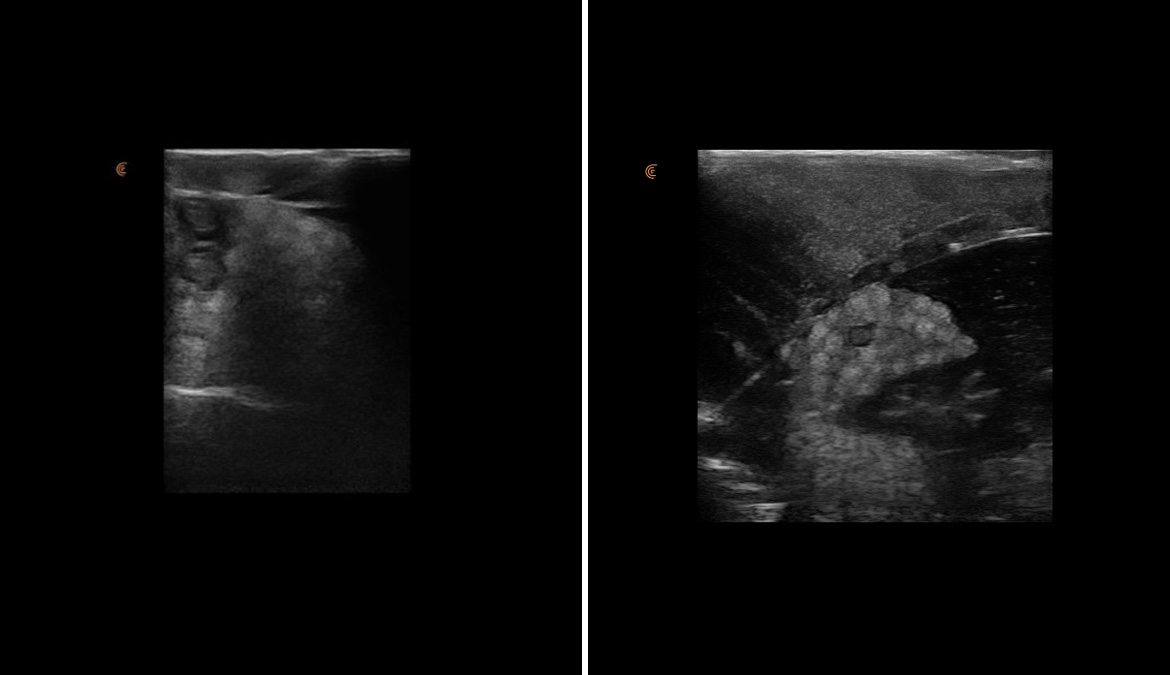
The success of ultrasound technology to accurately identify the sex of salmon in broodstock collection has inspired community hatcheries in the Upper Fraser area to adopt the use of this technology, ensuring future broodstock collections are balanced, which supports cost-effective and sustainable hatchery production.
The Salmon Enhancement Program (SEP) is expanding how its team uses ultrasound technology. It has also become a valuable research tool. In labs, it is helping scientists monitor salmon spawning maturity and guide the use of treatments during experiments.
SEP has two mobile ultrasound units that travel frequently with trained staff to hatcheries across the province, and they’re already making a noticeable difference. For example, in North Vancouver at Capilano Hatchery, hatchery staff are using it to verify the sex of coho salmon during broodstock sorting and assist with administering antibiotic medication.
Community hatcheries in northern B.C. and Vancouver Island are now using ultrasound to support more effective broodstock collection, especially when fish arrive in unpredictable numbers or at different stages of maturity.
To help expand access even further, the Community Involvement Program recently purchased three additional low‑cost devices, and we are working with them to fine‑tune these units so more partners can benefit from this technology.