Talking Points
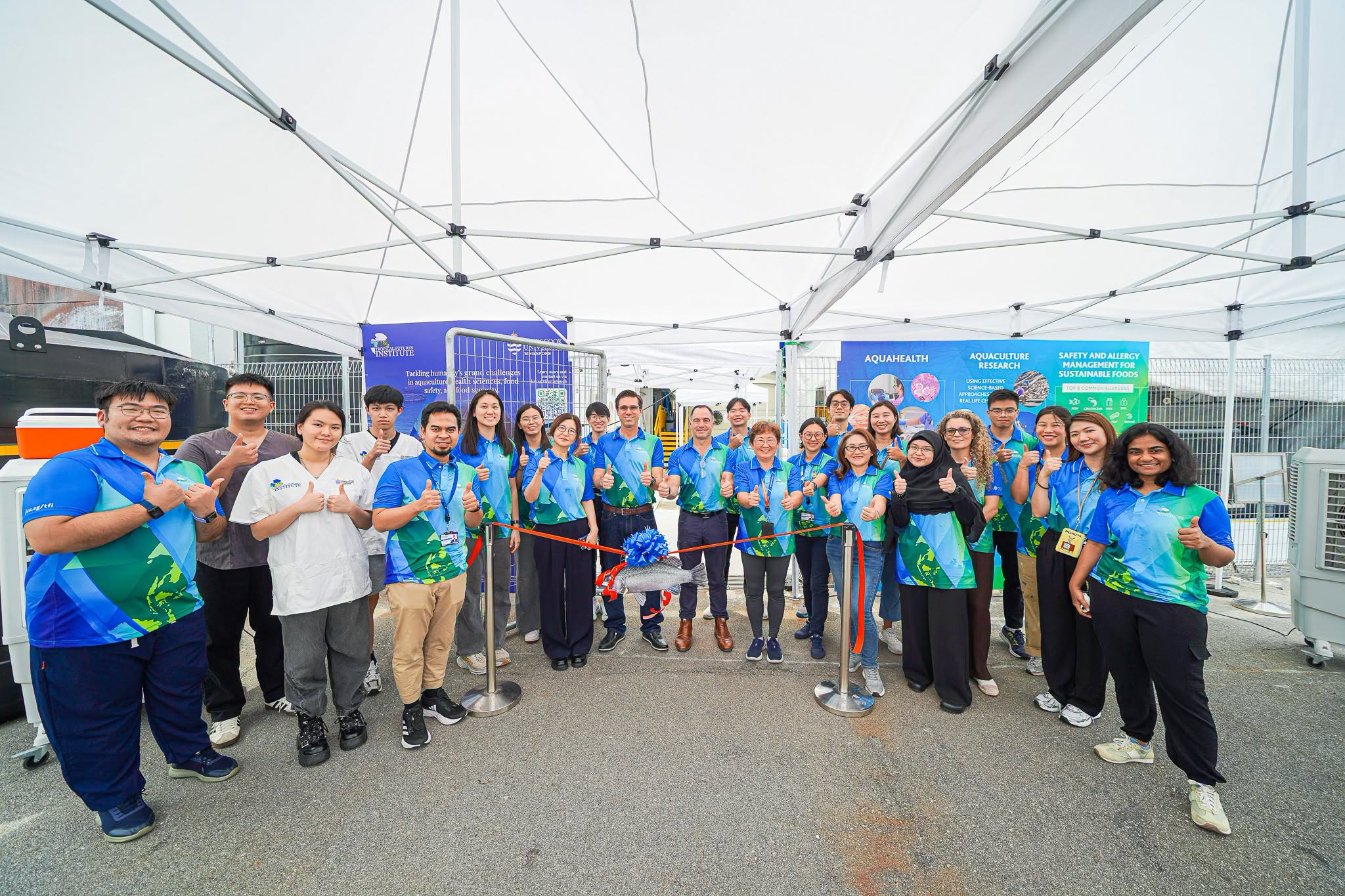
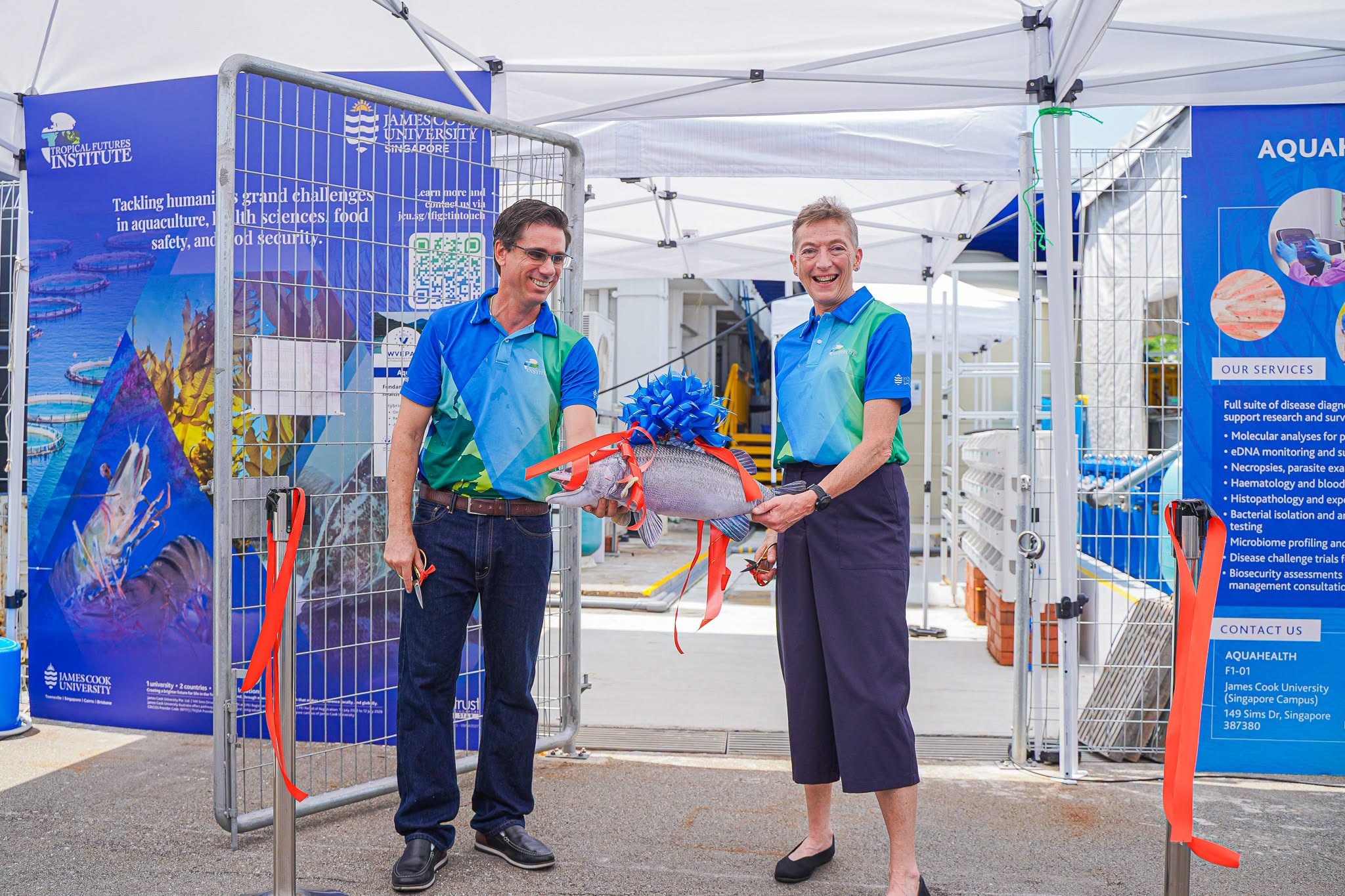
James Cook University (JCU) has launched Singapore's first university-based Asian seabass broodstock and hatchery facility, aimed at enhancing the country's tropical marine food-fish management. The Broodstock and Larviculture Facility will support research and education in aquaculture.
- The facility features a recirculating aquaculture system with two 25-tonne tanks for broodstock and six 2-tonne tanks for larviculture.
- It aims to provide a year-round supply of larvae and juvenile fish, addressing gaps in aquaculture infrastructure.
- The project received partial funding from the Singapore Food Agency and collaborates with Barramundi Group, UVAXX, and Republic Polytechnic.
This facility is significant for Singapore's aquaculture sector, equipping graduates with essential skills in hatchery operations and broodstock management.
James Cook University’s (JCU) Singapore campus has opened the doors to the country’s first university-based Asian seabass (Lates calcarifer) broodstock and hatchery facility.
Called the new Broodstock and Larviculture Facility, the university hopes to strengthen Singapore’s capabilities in tropical marine food-fish broodstock management, reproduction, genetics, nutrition, aquatic animal health and sustainable hatchery production technologies.
Asian seabass, also widely known as barramundi, is widely farmed across Singapore, Southeast Asia and Australia. The species is also used as a valuable model for research and training.
The facility is a recirculating aquaculture system (RAS) designed by university researchers to provide a reliable year-round supply of larvae and juvenile fish. It has two 25-tonne RAS tanks for broodstock and six 2-tonne tanks for larviculture and nursery production.
“This facility fills an important gap in university-based aquaculture infrastructure by providing Singapore with a dedicated tertiary platform for teaching and research in tropical marine fish hatchery science,” said Distinguished Professor Dean Jerry, director of the Tropical Futures Institute (TFI) at JCU.
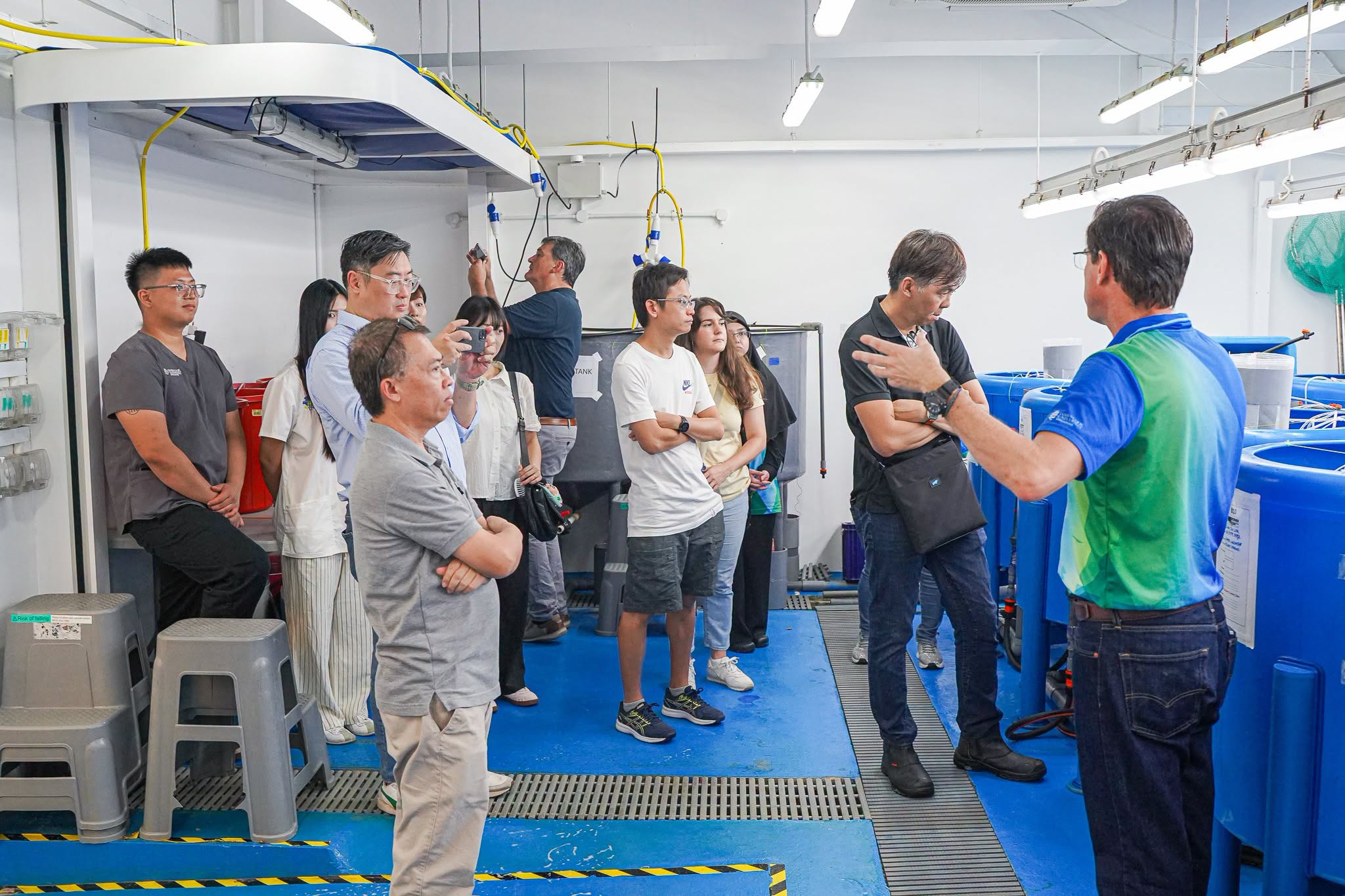
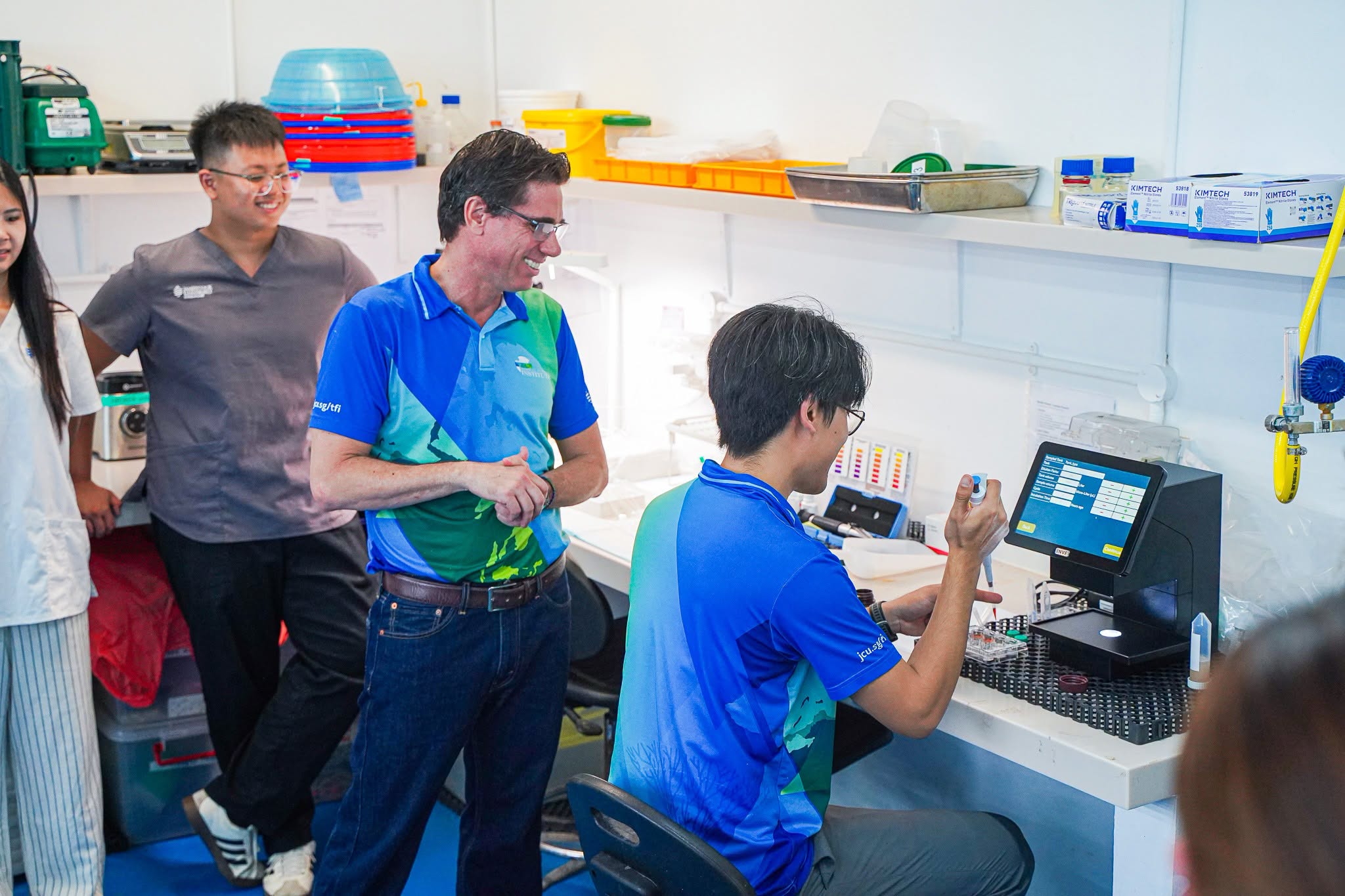
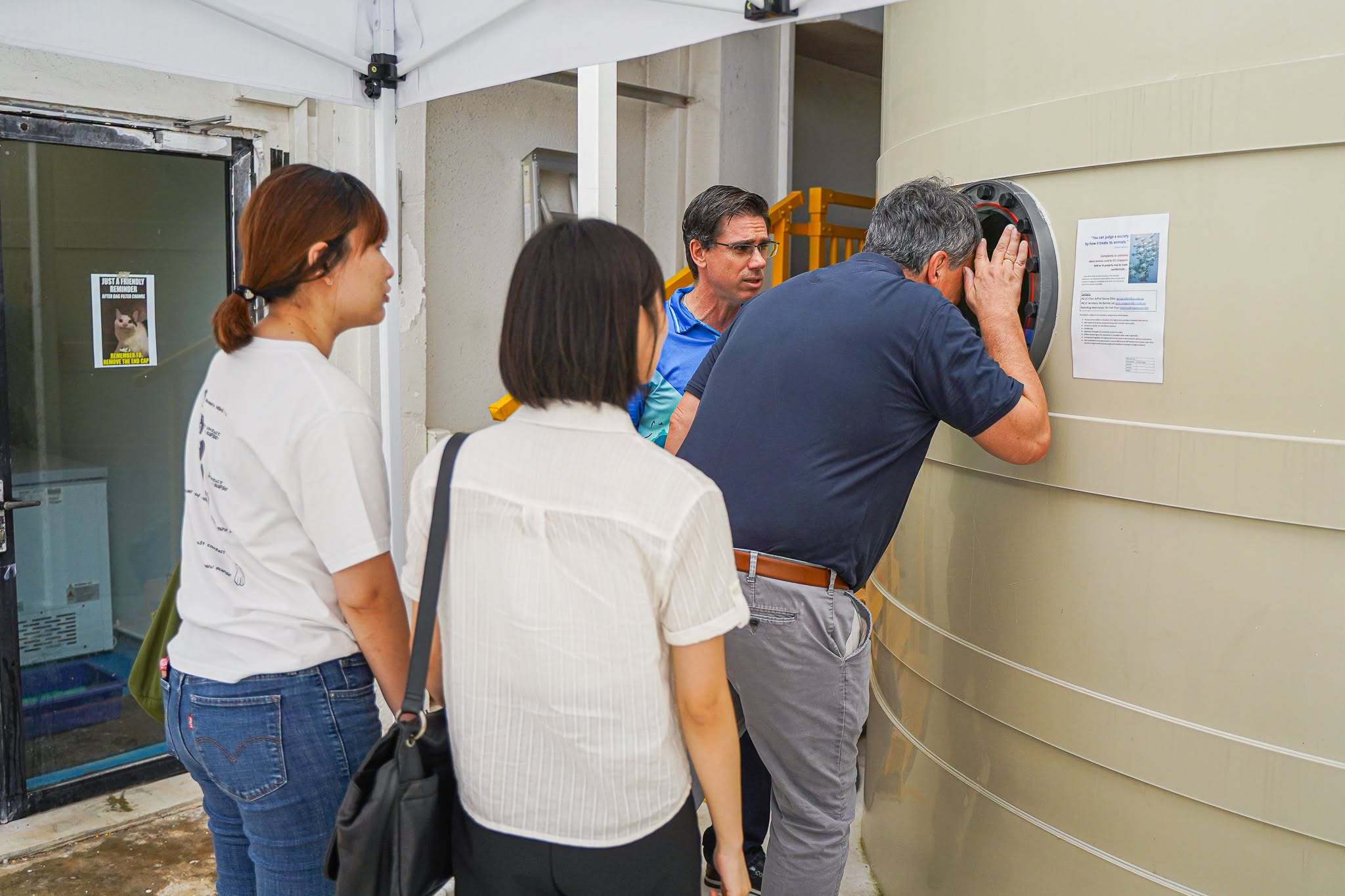
Together with JCU’s existing Aquaculture Teaching and Research Facility, which incorporates an aquafeed mill, AquaHealth Laboratory and Food Safety Laboratory, the new facility creates an integrated, multidisciplinary research platform spanning the aquaculture value chain – from broodstock and fingerling production to feed development, aquatic animal health and seafood safety.
“The facility will equip graduates with practical skills in hatchery operations and broodstock management, enabling them to contribute directly to Singapore’s aquaculture sector,” said Professor Jose Domingos, deputy director of the Tropical Futures Institute (TFI) at JCU.
The facility was developed by JCU with partial funding support from the Singapore Food Agency (SFA) through the Singapore Food Story R&D Programme 1.0. It was established in connection with a research project undertaken in collaboration with Barramundi Group, UVAXX and Republic Polytechnic.