
Diversity is aquaculture’s strength, but it can also be weakness if the industry is not proactive.
Participants of a recent roundtable at this year’s Aquaculture America 2026 conference agreed that the solution for these challenges lie in more universal cooperation. This Feb. 18 session was hosted by the California Aquaculture Association (CAA) to candidly discuss the challenges and potential solutions for growth in the U.S. aquaculture industry.
“Aquaculture is not all one thing,” said Dave Love, research professor at Johns Hopkins Bloomberg School of Public Health. “That’s a benefit, is the diversity that we can provide, that it does have that regional flavor and taste where it came from. You can’t grow the same thing everywhere. And I think that should be part of the story.”
The private sector roundtable identified some key barriers to aquaculture’s growth in the United States, like the need for better market access, regulatory support, and infrastructure improvements. Participants highlighted the high costs of production, the importance of storytelling to differentiate small producers, and the need for better government programs, like crop insurance and export credit financing.
Dick Jones, executive director of Hawaii Aquaculture and Aquaponics Association, said as an industry representative, associations are challenged to get out there and tell the story of the small producer. Although associations play a huge role in addressing the regulatory hurdles that create barriers for farmers, Jones says it must also play a bigger role in developing markets for the products.
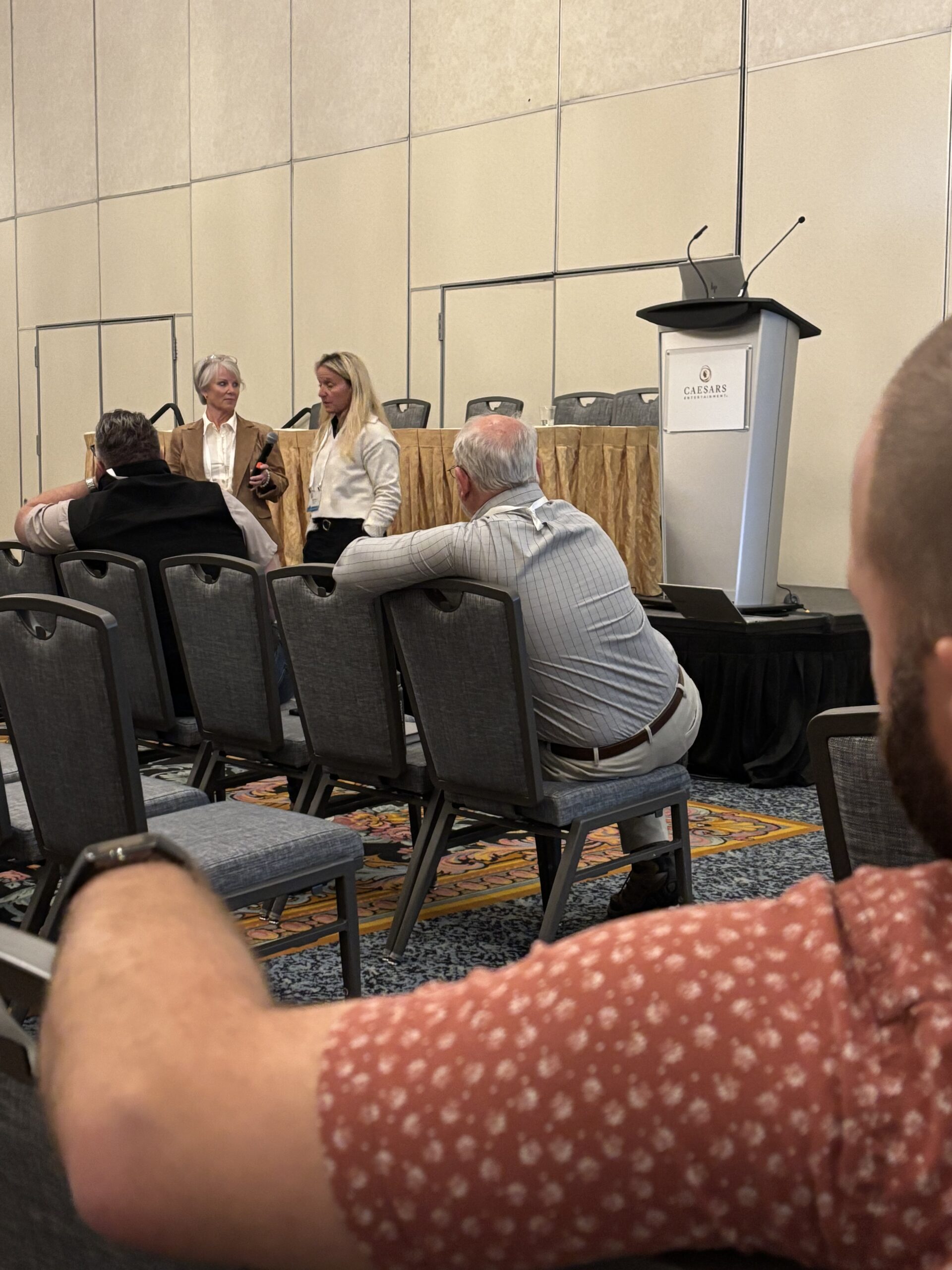
Megan Sorby, CEO of Pine Island Redfish and co-moderator of the CAA roundtable, said there are also flaws to the small producer model.
“It’s not that that the market doesn’t want the variety, they do. They’re screaming for it all the time,” she added. “But they can’t take five pounds here and 10 pounds there. The logistical complications of moving a less than full freight load, and the cost associated with that… So I think that’s that is something that we as a group should talk about in terms of what we need from the market side and what our supply chain looks like in the U.S. right now for seafood, and if there are reasons that we should advocate for change there.”
During the session, Sorby, along with co-moderator, Kathleen Hartman, identified some positive solutions within the U.S. regulatory infrastructure that support the private sector. Participants explored supportive programs in:
- Crop insurance for aquaculture;
- Disaster relief and emergency aid;
- Loans and credit access;
- Seafood buying programs and export promotion;
- Research and development grants and infrastructure.
Many agreed that although there are many great supports through the federal infrastructure, more is needed to support future growth.
“What I see is that for the most part, most of our producers are specialty crop producers. You have the same issues as we do for fruits and vegetables of the same scale, just the language is not the same,” said Jackson Gross, assistant professor at University of California Davis. “I work with nut producers, I work with lettuce producers, I work with horticulture and ornamental, I mean, all these other things. We have to start coming together and start operating like some of these other industries and utilizing the same language, and infrastructure, all these different things… We approach things differently than all these other groups.”