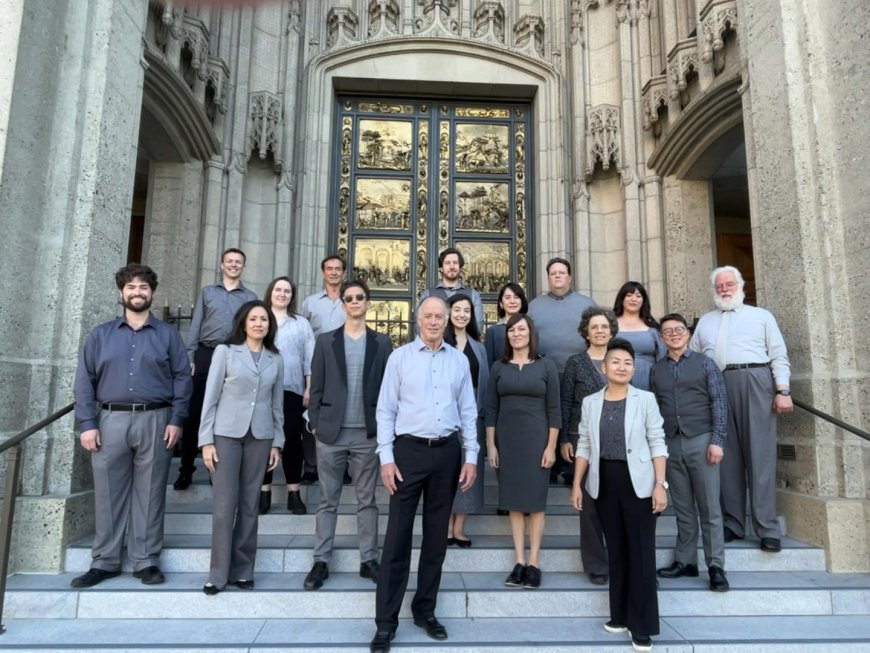
Small, distinguished Volti is known for more than superb choral performances — it also commissions, performs, and advocates for new music.
The group’s next concert, a free event at San Francisco State’s Knuth Hall on Nov. 12, is a prime example of Volti’s well-earned eminence.
There are two world premieres on the program: Eric Tuan’s We Belong, with text by Emily Jiang, and selections from Jens Ibsen’s Trace the Sky. Shawn Crouch’s Marshland Elegy completes the program
SF State is more than a venue for the concert. At the invitation of composer and faculty member Ben Sabey, Volti has participated in multiple educational and performance collaborations with the university over the past several years.
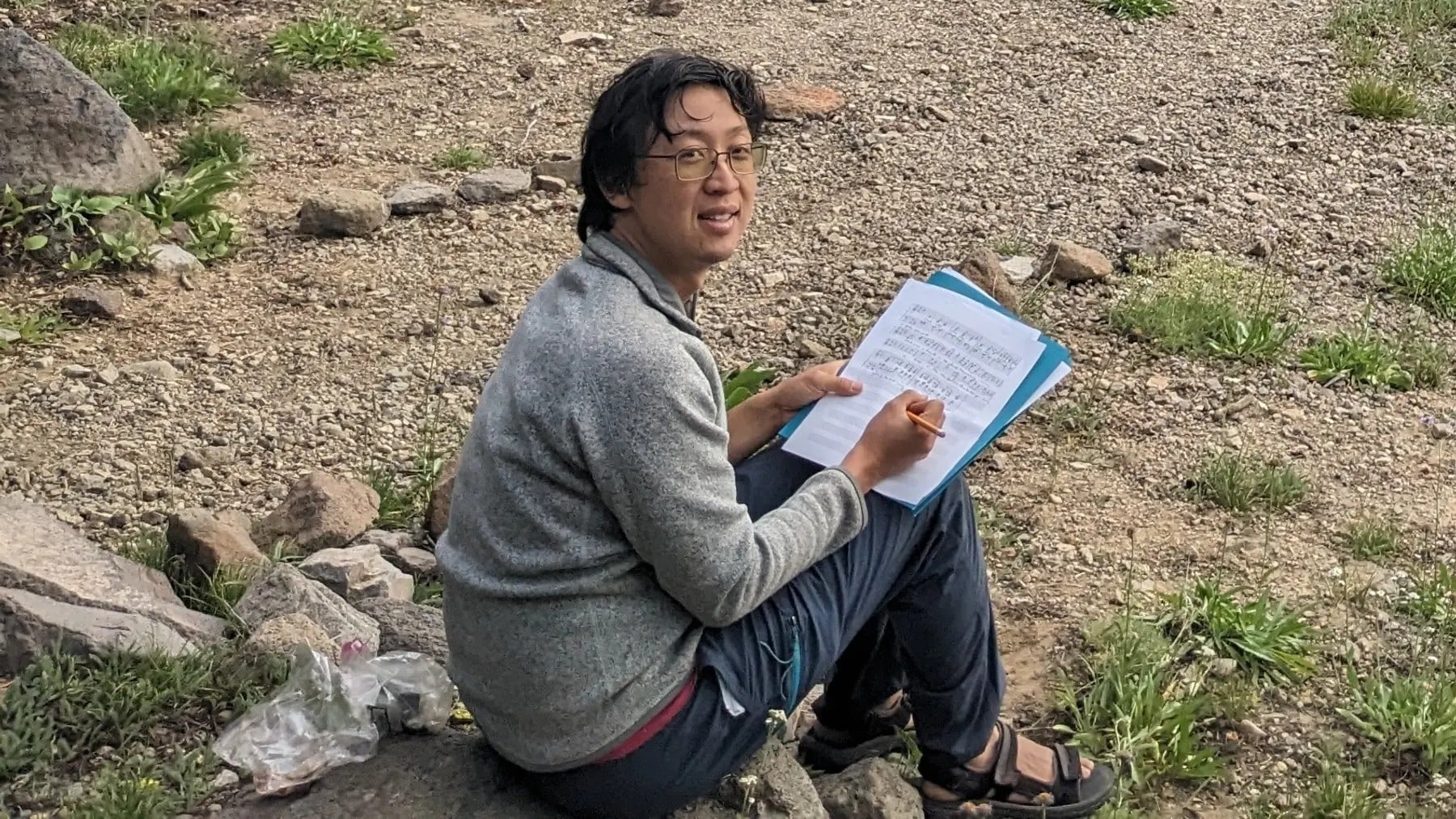
Collaborations have included a performance on the Morrison Chamber Music Series, the LCA Live series, and reading labs where Volti singers read and record new pieces by SF State student composers. The upcoming concert also involves Volti’s Choral Institute for High School Choirs.
We Belong draws on San Franciscan Wong Kim Ark’s 1898 Supreme Court case, in which the justices confirmed the validity of the birthright citizenship clause of the 14thAmendment to the Constitution’s. That provision is currently under attack by the Trump administration.
Volti is joined by singers from the Ruth Asawa San Francisco School of the Arts and SF State Chorus for Tuan’s work. The composer — who is artistic director of the Piedmont East Bay Children's Choir — told SF Classical Voice:
“When Volti asked me to compose a new work commemorating the 250th anniversary of the United States, I struggled to find where to start. Our national history is a complex and contradictory story, juxtaposing lofty ideals of ‘liberty and justice for all’ with a brutal legacy of violence, dispossession, and exclusion.
“What does it mean to wrestle with these difficult stories and claim a sense of belonging as Americans?”
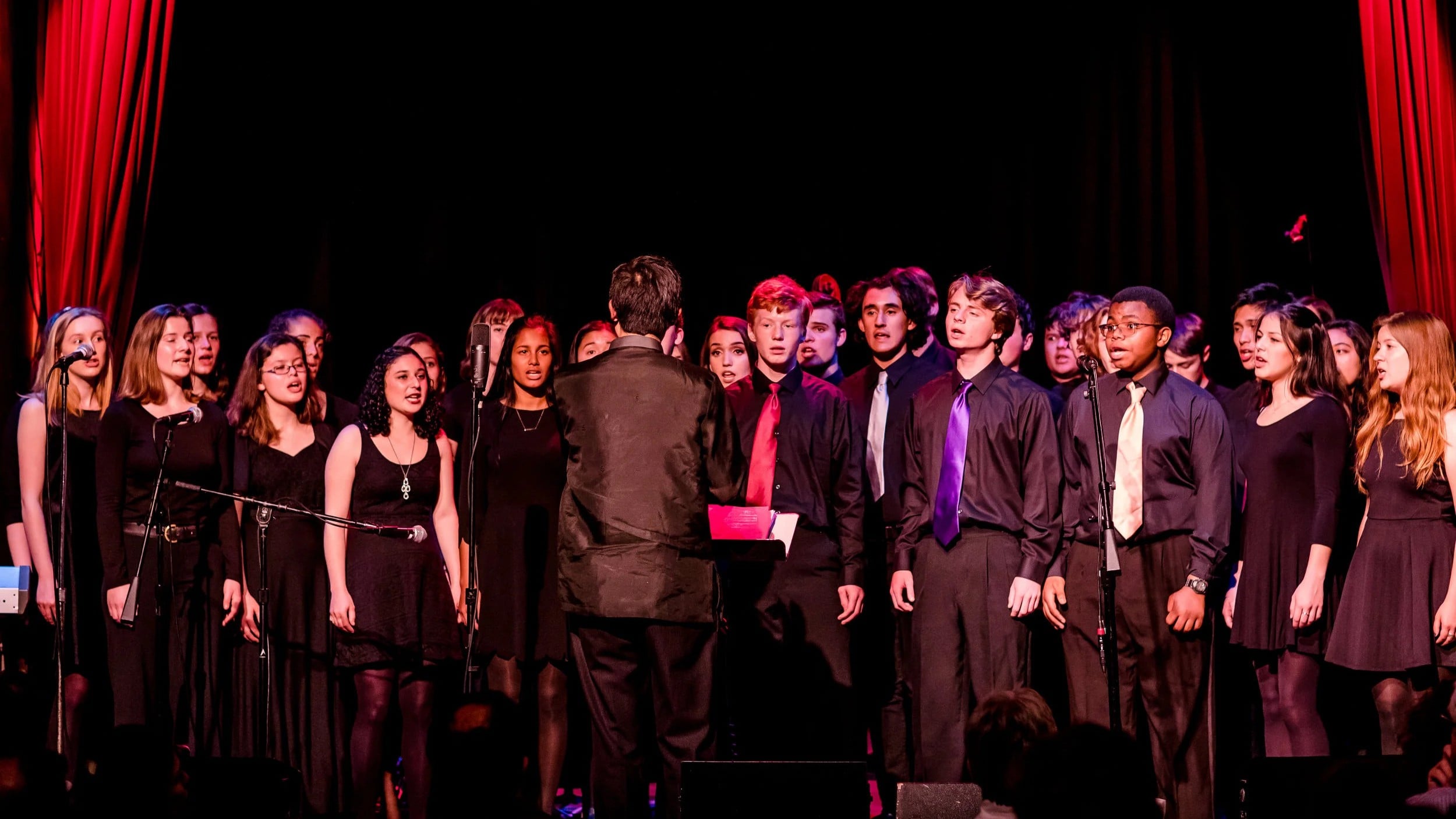
“Collaborating with the author Emily Jiang, we wrote a two-movement piece called We Belong: Choral Reflections on Citizenship, and spent a wonderful weekend in the redwoods of Occidental working with the 120 youth singers of choirs from the Ruth Asawa School, Campolindo High School, and the Piedmont East Bay Children’s Choir, alongside the professional singers of Volti.”
We Belong is the story of a cook named Wong Kim Ark. Born to a Chinese immigrant family that ran a general store on Sacramento Street, he was denied reentry to the United States after visiting his family in China.
Detained for five months in San Francisco Bay, he sued for his rights, with the support of the Chinese community. And he won.
And yet, that was not the end of the story: Wong was arrested and threatened with deportation when entering the U.S. from Mexico, where he had likely traveled to work on the railroads. Two of his sons, also American citizens, were denied entry to the United States in the ensuing years; one was eventually admitted, while the other was deported.
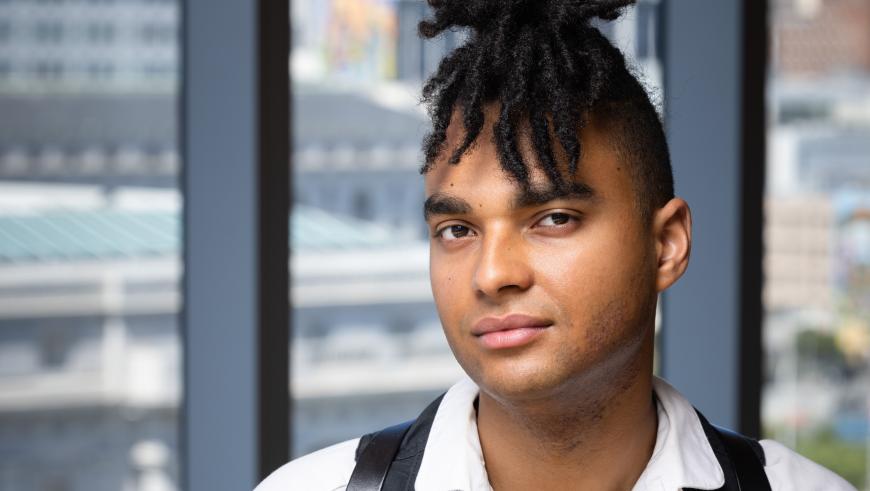
Ibsen’s work provides some relief from such controversial issues. The composer explains:
“Trace the Sky is about one of my enduring loves: birding. I wrote this piece during the COVID-19 pandemic, where, confined to my family home, one of my only recreational outlets was birding. As the seasons changed, I took great joy in noticing the flow of time around me reflected in the changing avian life.
Each of the species I chose to write about [exhibit] distinct personalities that I consider emblematic of my hometown. The song texts are my own. My goal with Trace the Sky is to spread hope, just as birds gave me hope during the early pandemic.”
The composer's inspiration and the composition’s title came from environmentalist Aldo Leopold’s 1937 essay about the crane marshes of Wisconsin, “framing the landscape not just as a physical space, but as a vast, ancient clock running on biological time — one that human commercial expansion is quickly dismantling.”