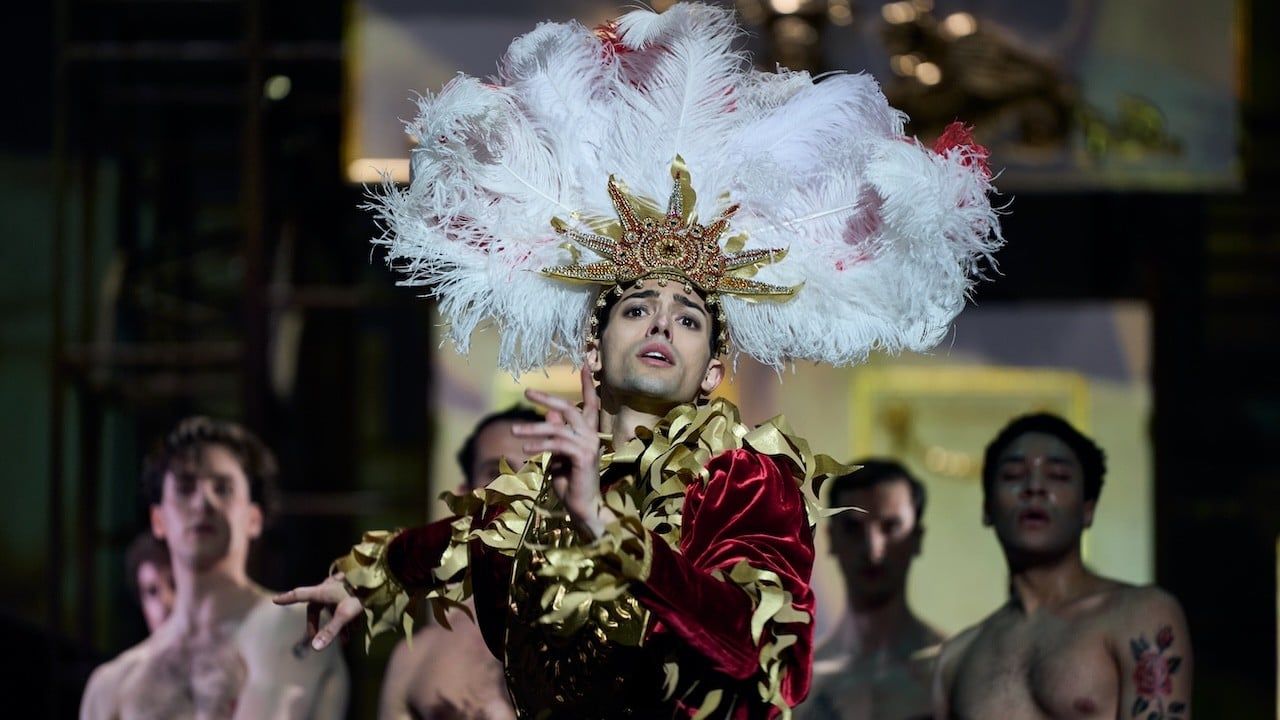
Balletomanes in San Francisco may be confused about a ballet called Nureyev when they see it advertised as the featured presentation at the 17th annual San Francisco Dance Film Festival.
Why? Because it is a ballet by Yuri Possokhov, famous resident choreographer of the San Francisco Ballet but the company did not produce it.
Nureyev himself danced in San Francisco in the 1960s, and his choreography, especially Afternoon of a Faun, has been seen here, but the only work about the Russian titan seen in the War Memorial Opera House was John Neumeier’s Nijinsky, performed by the visiting Hamburg Ballet in 2013 and the National Ballet of Canada in 2018.
More about Nureyev later, first about the festival.

It is presenting some 80 dance films from around the world, between Oct. 23 and Nov. 8 in local theaters, and then streaming worldwide, Nov. 9–30. Subjects include everything from classical ballet to folklore to aerial arts. Besides screenings, there are artist Q&As, masterclasses, and community gatherings.
Among the presentations:
– The People’s Palace, about an aerial dancers’ show in the SF City Hall’s magnificent rotunda under the 307-foot-high dome; Oct. 28
– Otter Lake, about Emma Portner’s creative process; Oct. 30
– My Life as a Robot, the story of Robert Shields, who has taken a new art form from the streets of San Francisco around the world; Nov. 5
– Barefoot Boy, the life story of trailblazing choreographer Bill Evans; Nov. 7
– These Violent Delights, Scottish Ballet’s Romeo and Juliet in Krzysztof Pastor’s multimedia-driven choreography; Nov. 7
– Make Work, which follows four emerging choreographers in the studios the New York City Ballet; Nov. 8
– Cue the Music, rhythm, soul, and visuals at the SHACK15 social club; Nov. 15
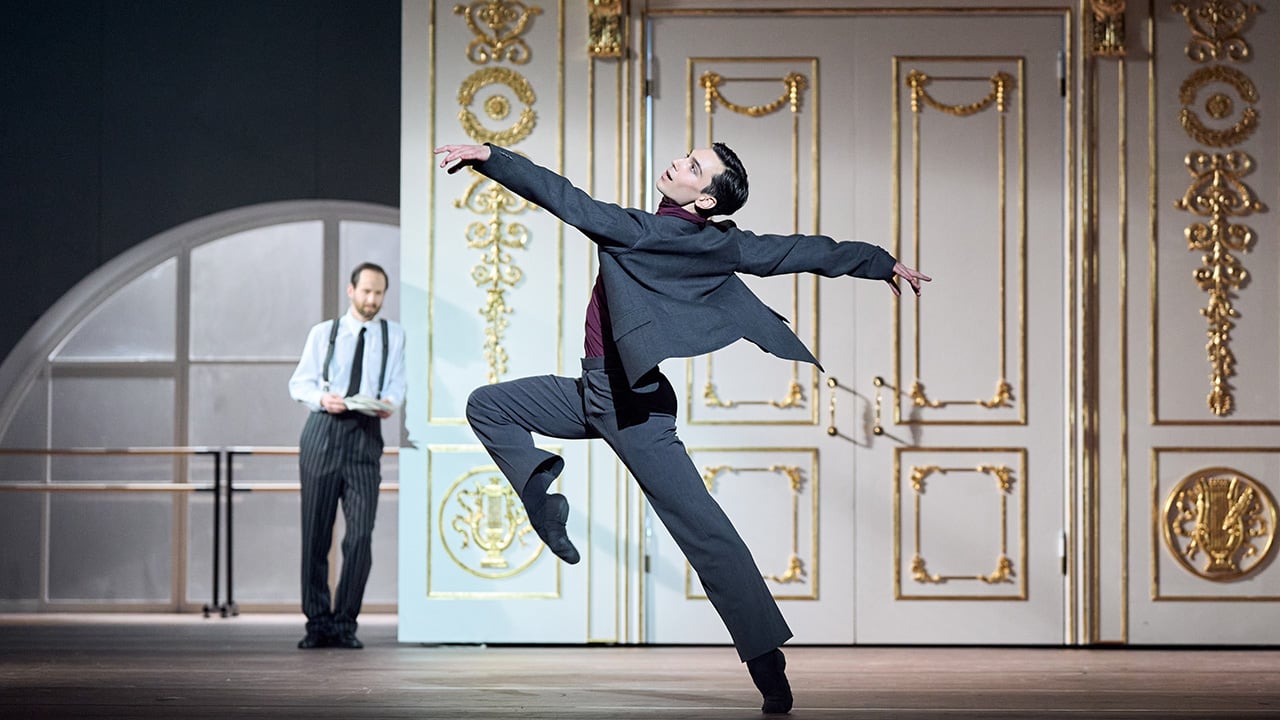
Now back to Nureyev, which will open the festival on Oct. 23 at the Lucasfilm Premier Theater.
The presentation is a “live performance capture film” of the 2026 Staatsballett Berlin production of Possokhov’s work, which premiered at Moscow’s Bolshoi Theater in 2017 to acclaim, but was removed and banned from the repertoire in 2022, a victim of Russian President Vladimir Putin’s expanded “gay propaganda” law.
“Live performance capture,” explains SF Dance Festival Marketing Director Katherine Disenhof, “is a recording of dance works originally created as live stage performances, using multiple camera angles to enhance the audience’s perspective.
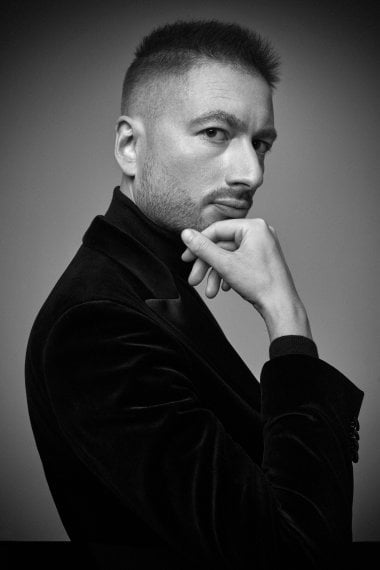
Nureyev’s score is by Ilya Demutsky, who also composed the music for Possokhov’s Eugene Onegin for SF Ballet earlier this year.
Demutsky told SF Classical Voice that Nureyev is a synthesis of drama, ballet and, to some extent, opera. “The singers and actors are not decorative additions to the dancers; they are equal participants in the theatrical action. Bringing the human voice into the normally wordless space of ballet adds another semantic and emotional dimension.”
Demutsky did not consider Nureyev just a biography — “it is a work about the power of art, the price of freedom, and an artist’s right to self-determination.”
The composer describes his collaboration with Possokhov as “built on enormous mutual trust. He never asks me to make the music more convenient for choreography; on the contrary, he wants the freedom and emotionality of the music to inspire the movement.”
Demutsky says that Nureyev is musically different from Onegin. “Nureyev moves through many historical and stylistic worlds and deliberately incorporates quotations from the classical ballet repertoire. Onegin, by contrast, is an entirely original symphonic score, without quotations or voices. What connects them is the same principle: the music grows from the dramaturgy and follows the inner life of the characters rather than simply accompanying the choreography.”
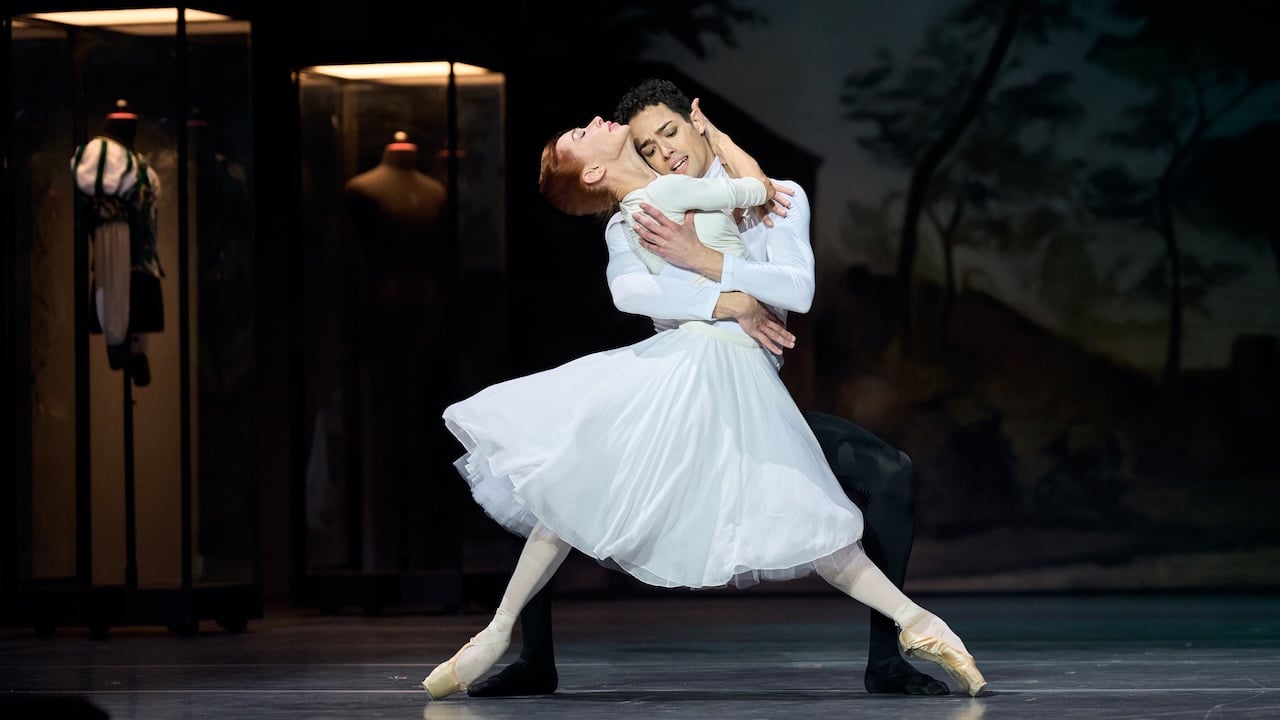
Besides Possokhov and Demutsky, the SF Ballet connection also includes a former dancer in the company, Dana Genshaft, SFDanceworks’ director, who helped staging Nureyev at Staatsballett Berlin. He says of the project that “It is a monumental artistic achievement to bring together so many creative disciplines in harmony: ballet, Opera, theater, music composition — each contributing to the telling of the story of one of the greatest figures not only in ballet history, but in the broader landscape of art and cultural history.
“Nureyev was a singular figure who broke through barriers, both literally and figuratively, transcending artistic, cultural, and political boundaries, setting a precedent, and raising the bar in so many ways.”
Dance Film SF / SF Dance Film Festival Artistic Director Garen Scribner describes Nureyev as “a monster of a production — epic in scale, which makes touring it virtually impossible. I wanted Bay Area audiences to have access to this once-in-a-lifetime ballet, bringing his legacy and spirit to life in such a novel, beautiful way. Nureyev loved San Francisco and performed here many times, so it felt right to bring him home.”