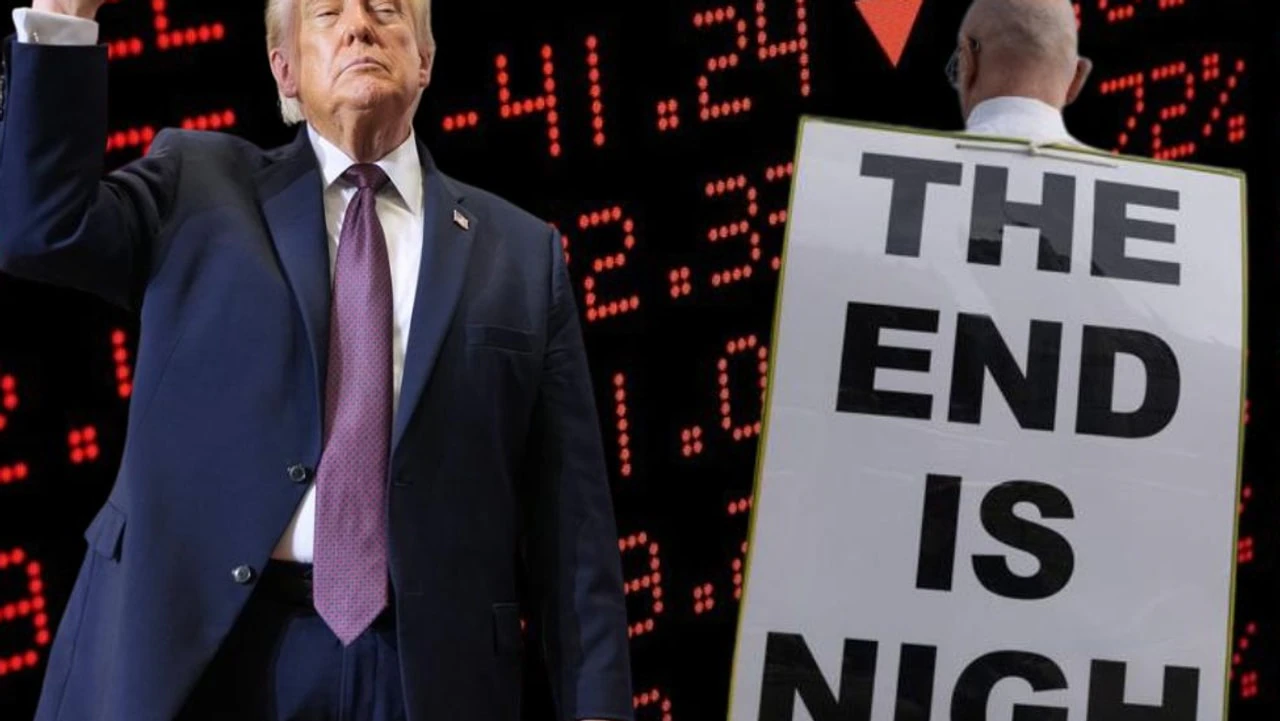
Don’t panic.
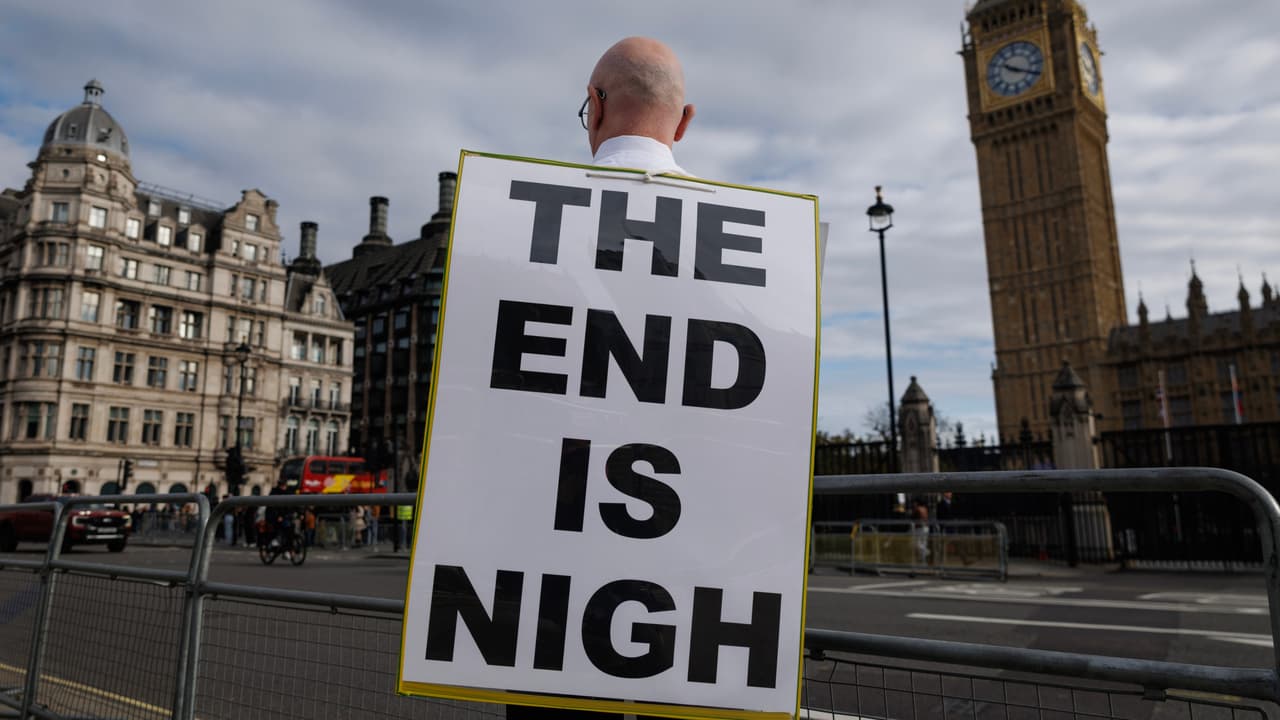
Farmers are warning of famine.
Strategists are warning of sabotage.
Banks are warning of financial chaos.
Scientists are warning of rapid-fire climate shocks.
Politicians are warning of “state-sponsored terrorism”.
Tech executives are warning of uncontrollable AI agents.
It’s a recipe for disaster, disruption and disarray.
If you’re not prepared.
Governments know this.
“Don’t wait for the emergency: prepare now!” the French district of Normandy warned its population yesterday.
It’s facing a hyperthreat.
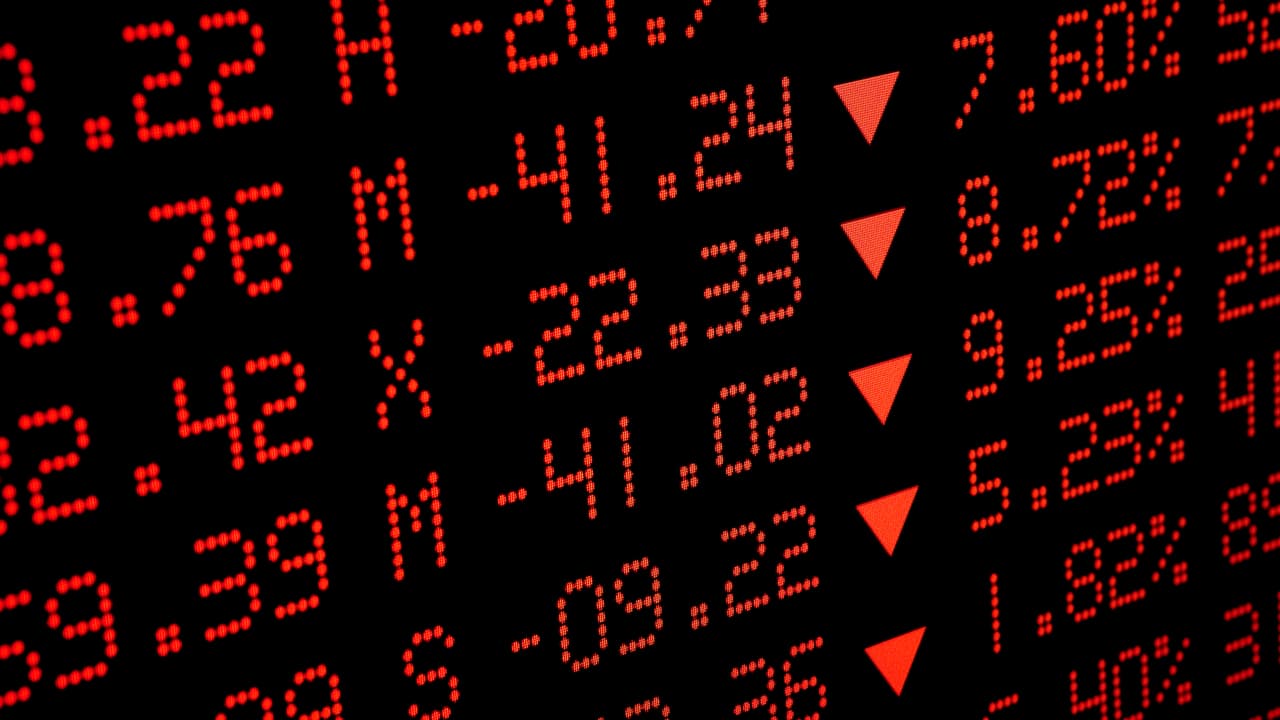
That’s where compounding disasters – in this case riots, wildfires, sabotage, disinformation and inflation – overwhelm a government’s ability to react.
Other nations see this coming.
“I do like my beans, so I have plenty of those in the cupboard, and soup,” Britain’s Prime Minister, Andy Burnham, quipped at the weekend.
“I think those are the kind of things that I would recommend people to have.”
Others are taking matters more seriously.
“We’ve navigated single-shot crises like the financial meltdown of 2008 and the pandemic of 2020. This next year will be different,” warns Axios CEO Jim VandeHei.
“The real risk is a chain reaction: One shock sets off others — faster than we can process, and caused by AI dynamics we don’t fully understand.”
Maxxed messages
“I’m not sure a bottle of wine is your best first port of call if you’re in a slightly crisis situation, but it probably helps when you’ve done the hard work,” Mr Burnham told BBC Radio at the weekend.
He was explaining the United Kingdom’s new campaign urging citizens to assemble and maintain three full days of reserve essentials.
“It’s not about panicking. It’s just about being prepared and having a sensible amount of supplies in the home,” Mr Burnham urged.
“These events, sadly, in the world that we’re in are becoming more likely, and therefore it’s just sensible to be prepared.”
The European Commission got in on the act early.
It released its Preparedness Union Strategy last year, warning members to “anticipate, prevent and respond” to increased geopolitical tension, cybersecurity threats, conflict and climate crises.
German Foreign Minister Johann Wadephul explained why earlier this month.
“We’re all feeling the effects of the attacks on shipping lanes, whether at the gas station or in the supermarket,” he said.
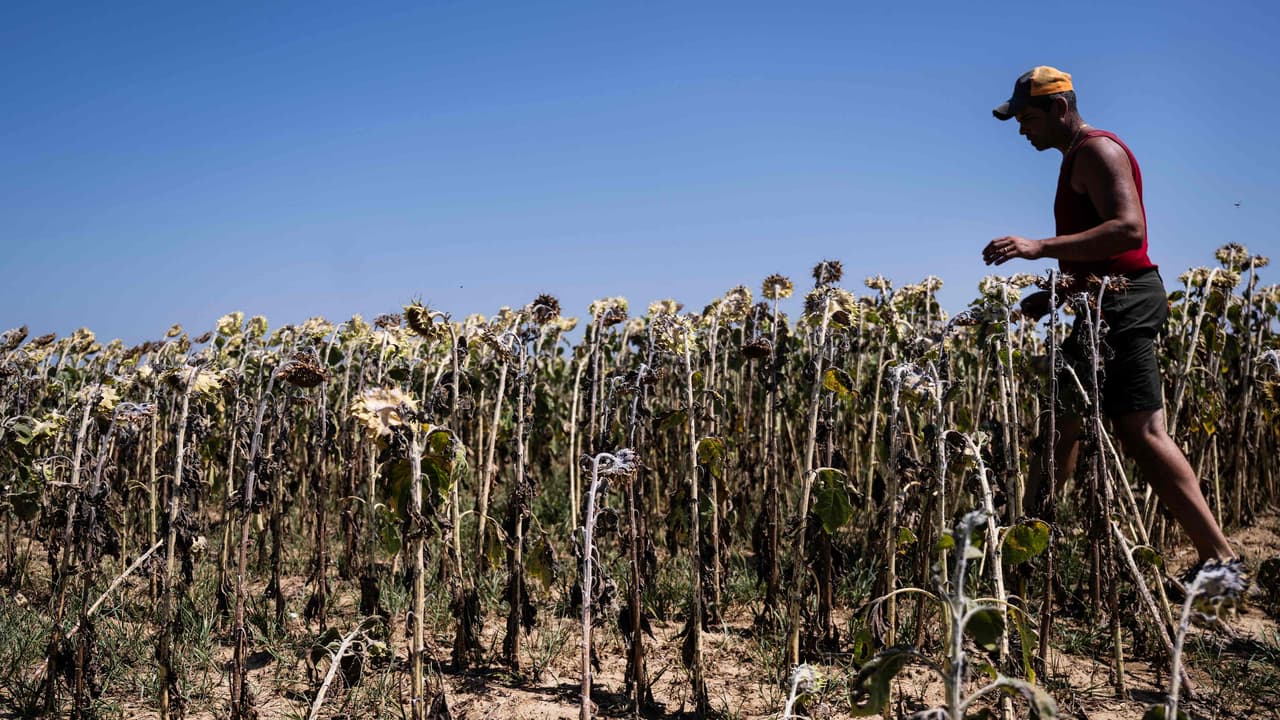
“But elsewhere, there is a threat of famine when fertilisers don’t arrive in the places where they are essential for basic production.”
US Secretary of War Peter Hegseth is ready for action.
He’s ordered all US military bases to guarantee three full months of independent operation if they’re cut off from fresh supplies.
His Federal Operations for Resilience, Troop Resources, Energy, Supply and Survivability project translates into stockpiling fuel, food and equipment.
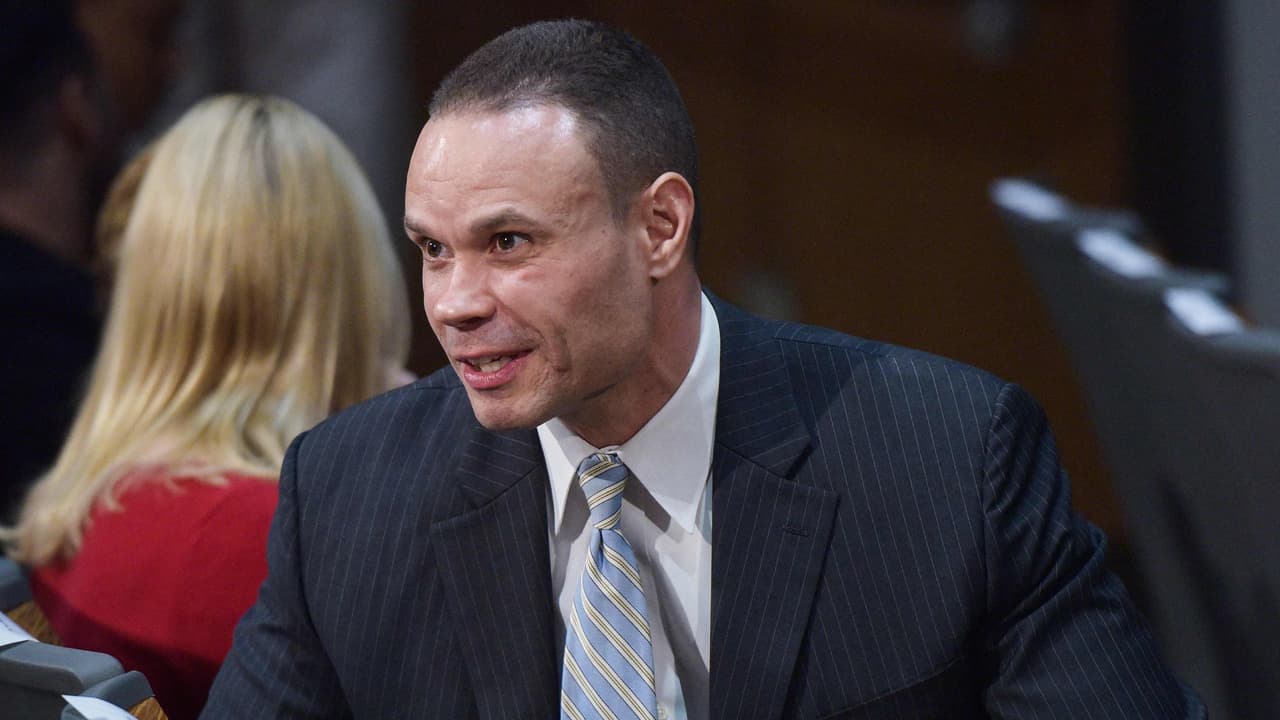
Recent Trump Administration FBI deputy director Dan Bongino, who quit his powerful job to return to his role as a MAGA podcaster, has also embraced the trend.
And taken it further.
“The Pentagon’s doing its job to keep our national security safe and make Fortress America,” he implored listeners on Tuesday.
“You have to make Fortress My House, Fortress My Apartment.
“Please, do it for everyone. Your neighbours are not going to have any extra food. They’re going to be taking care of their kids.”
Prepared versus preppers
“Prepping is a sensitive word, associated with sovereign citizens and conspiracy theorists – but is it becoming mainstream … and even sensible?” ask University of Wollongong academics, Dr Jordan McKenzie and Fiona Whitelaw.
But they argue preparedness isn’t paranoid or eccentric behaviour.
And Australia has its own distinctive brand.
“It’s not international conflict, super viruses or AI, but climate change,” they write.
“This results in a distinct style of prepping, generally less ideological, violent and extreme than stereotypes might suggest.”
It’s a different matter for Britain and Europe.
Climate change is a serious issue, as this year’s unexpectedly extreme fires demonstrated.
But it’s also having to contend with Russian President Vladimir Putin’s imperial ambitions.
That means sabotage.
Undersea internet and power cables. Railway lines. Communications networks. Airports.
All have been targeted.
And while the perpetrators that turned French supermarket freezers into incinerators have not yet been traced, it emphasises how vulnerable even the most basic (and vital) networked services can be to AI-enabled cyberattack.
That prompted Andreas Stuhlmüller, CEO of the AI research company Elicit, to warn that AI-powered attacks could equally take down entire financial systems, power grids, the internet, and all other forms of modern infrastructure.
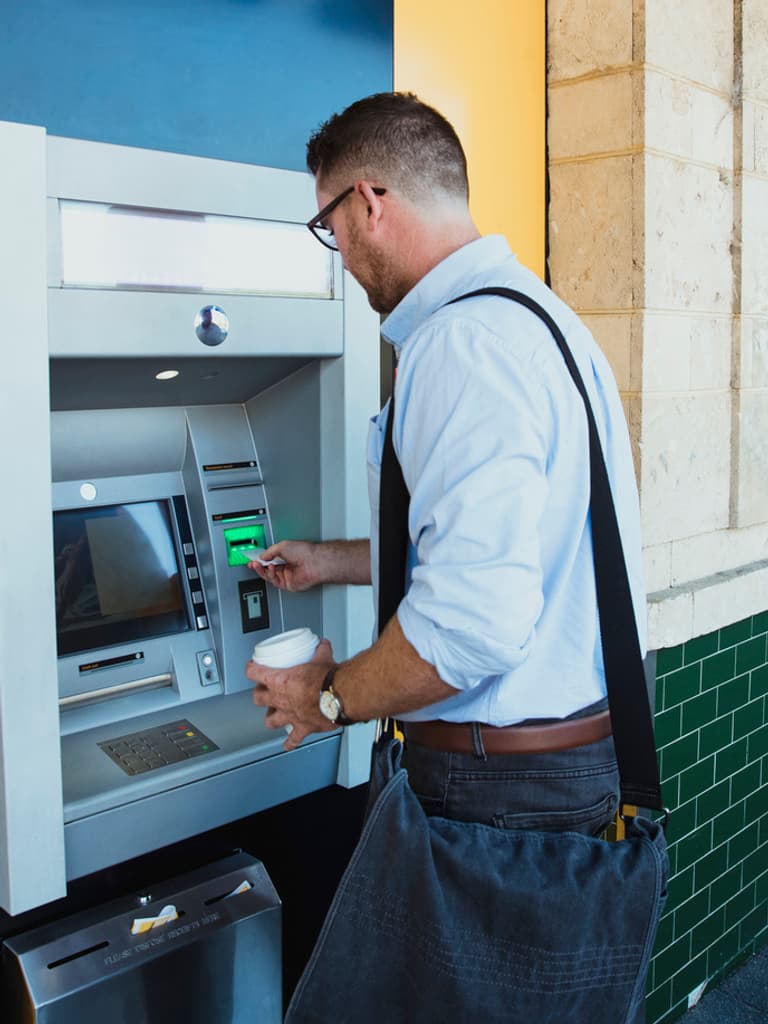
“Get a few weeks of spending in cash,” he urged in a recent tweet.
He went on to recommend portable solar panels and hand-cranked radios, among other things.
“(Such) measures are partly about building household resilience,” Dr McKenzie and Ms Whitelaw write.
“Of course, they represent significant costs (and installing solar batteries usually requires owning your home). This means the wealthy are more protected.”
System shock
“The speed of change exceeds the ability of any individual, company, market or government to fully absorb, understand and respond,” Mr VandelHei warns.
“The reason this scenario looks so likely is that so many obvious risks, all with relatively high probabilities, keep piling up. Any one of them will rock already highly volatile markets and politics.”
Our digital networks are inherently fragile. Over the past year, the Australian Signals Directorate received one cybercrime report every six minutes.
Things will get “a lot worse before they get better”, states AI developer Anthropic’s deputy chief information security officer, Jason Clinton.
That warning came after a weakness in ancient PHP code that underpins many of the world’s websites was discovered last week. Security services urged providers to go dark until the fault was fixed, rather than risk a breach.
Banks have begun reporting AI agents are accessing customer accounts and attempting transactions – without permission. They’re now preparing for a major international incident within the next few months.
That’s on top of apparent preparations by the US and Israel to resume attacks on Iran – once their respective elections are out of the way. And an upsurge of suspected Russian sabotage attacks are sweeping Europe.
Underneath it all is a global economy built on a house of cards.
Essential services are not resilient.
Old copper-wire telephone networks would work through a power outage. But commercial mobile phone towers go down within eight hours of an outage.
Corporate power stations and water networks run on an efficiency-based profit imperative. As do food and medicine distributors. The same applies to medicine deliveries from China. Fuel from Singapore. Electronics from Taiwan. Cars from Europe and Japan.
And efficiency has no capacity for resilience.

Survival, or sales pitch?
MAGA podcaster Mr Bongino is big on buying up emergency supplies.
“The way to reduce anxiety and panic in tumultuous times is to be prepared,” he told his mostly American audience.
“Have yourself an emergency radio, have yourself some batteries. Get yourself some emergency food, get yourself a rain collection and water filtration tablets,” he added.
Australians already experience emergencies annually.
Fire or flood can cut off road access. Phone and power grids can go down for days on end.
Now the Iran war has brought our vulnerability to disrupted international shipping starkly into focus.
We don’t make our own fuel. Or fertiliser. Or medications. Or solar panels.
“In Australia, people are encouraged to prepare for power outages, supply chain disruptions to food and fuel, and disruptions to essential communications technologies,” the University of Wollongong academics state.
“Absent from these warnings are the kinds of conspiracy-based concerns commonly associated with ‘preppers’.”
Preppers are all about total self-sufficiency. That means massive investments in electricity generation, food stockpiles and sustainable water supplies.
Australians interested in being prepared are instead advised to keep a three-day reserve of shelf-stable food and clean water. That rises to a week’s worth of medications. Then there are the ubiquitous first-aid kits, torches, batteries and radios.
“More detailed plans suggest keeping aside important documents like passports, birth certificates and property deeds, ready to take if needed,” the academics add.
“You might want to keep some cash, a full tank of fuel and bedding in case of evacuation.”
The big question: Just how big – and how likely – is any given emerging threat?
“You can only make wise decisions for your career, your life and your family if you’re living in the future — understanding what’s coming, and living these historic times with your head in the game,” Axios’ Mr VandeHei observes.
“It’s easy to argue any one of these risks won’t materialise. But when you add up this many, the overall chance of a crisis outside our direct control is spiking by the day.”