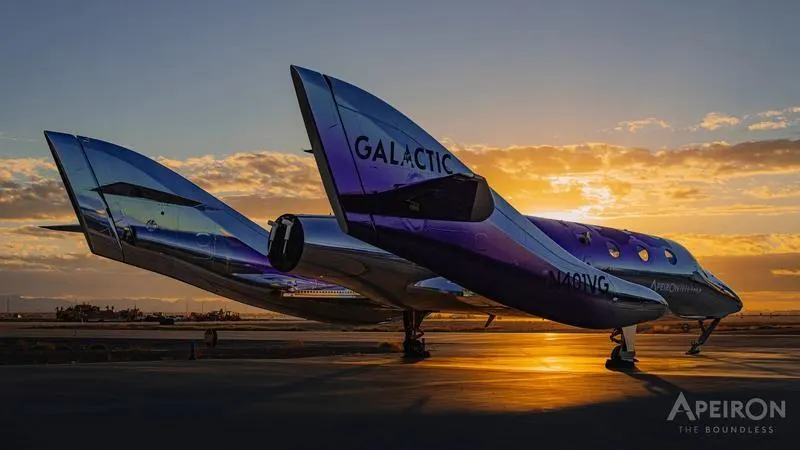
Virgin Galactic is preparing for a return to commercial spaceflight in 2027, potentially breathing new life into a space tourism industry that has largely ground to a halt.
The company aims to resume flying paying passengers in early Q2 2027, after its new Delta-class spaceplane, Spaceship Apeiron, arrived at Spaceport America in New Mexico on Oct. 28.
The planned comeback comes almost three years after Virgin Galactic’s last commercial flight in June 2024, while rival Blue Origin has also suspended its suborbital tourist flights to focus on developing a lunar lander for NASA, as well as NASA’s Moon Base and a mission to Mars.
Virgin Galactic Plans Return After Three-Year Hiatus
Virgin Galactic suspended commercial operations after retiring its VSS Unity spaceplane in 2024, which completed 12 spaceflights, seven of them commercial missions with around 23 paying customers. It then shifted resources towards developing a new generation of spacecraft capable of flying more frequently. That’s key because Virgin Galactic currently has around 675 customers on a waiting list to experience suborbital spaceflight.
The company expects Apeiron to begin carrying passengers in early Q2 2027, subject to completing flight testing. Crucially for its plans to realize space tourism at scale, a second Delta-class spaceplane is under construction and is scheduled to enter commercial service in late Q2 or early Q3 2027.
Unlike VSS Unity, Virgin Galactic’s new Delta-class spacecraft are designed for substantially higher flight frequencies. Each vehicle is intended to fly twice weekly, carrying up to six passengers per mission, with an anticipated operational lifetime exceeding 500 flights.
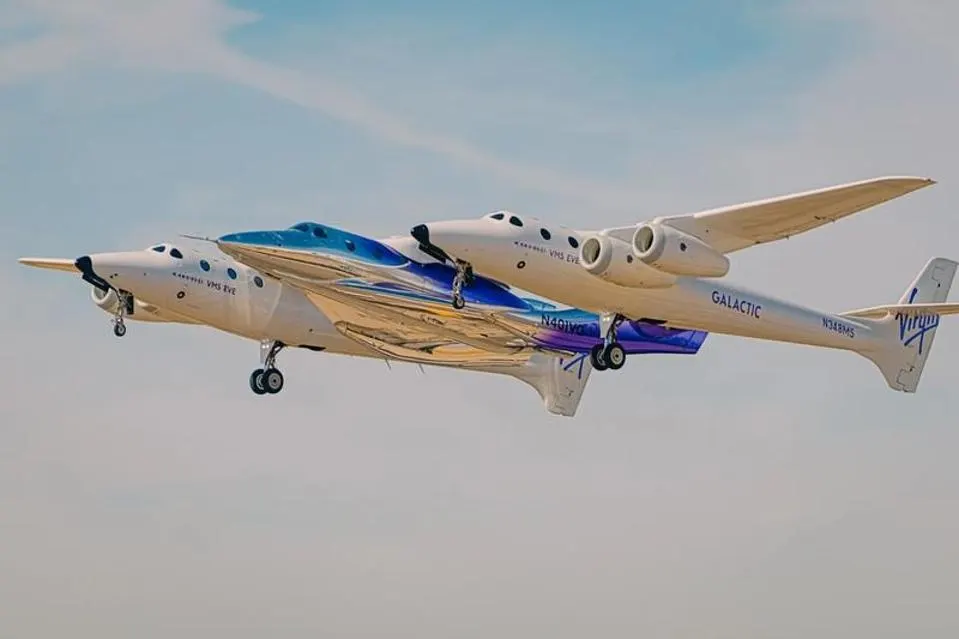
Spaceship Apeiron Arrives at Spaceport America
Virgin Galactic’s comeback plans took a significant step forward on October 28 when Apeiron completed its journey from the company’s manufacturing facility in Mesa, Arizona, to Spaceport America. Virgin Galactic’s VMS Eve mothership carried the spacecraft, which departed Phoenix-Mesa Gateway Airport at 10:29 a.m. MST and arrived in New Mexico at 12:59 p.m. MDT.
“This morning, we gave Apeiron a name. This afternoon, Apeiron came home,” said Virgin Galactic CEO Michael Colglazier. Apeiron is ancient Greek for “boundless” and was selected through a worldwide public vote involving participants from 83 countries.
Blue Origin Still Pausing Space Tourism To Focus On Moon
Virgin Galactic’s planned return comes as its main competitor in suborbital space tourism, Blue Origin, has paused passenger flights. Blue Origin was the most active provider of suborbital tourist flights with its New Shepard vehicle, carrying more than 90 passengers to space, but announced in January 2026 that it would suspend flights for at least two years and redirect resources to its Blue Moon lunar lander program. Blue Origin has an increasingly important role in NASA’s Artemis Program — possibly at the expense of SpaceX — and its Blue Moon Endurance spacecraft recently completed testing with NASA.
With Virgin Galactic grounded since June 2024 and Blue Origin now concentrating on lunar exploration, dedicated suborbital space tourism flights have become increasingly scarce. For an industry that once promised to make trips to space routine, Virgin Galactic’s next chapter will be an important test of whether commercial suborbital tourism can finally establish itself as a sustainable business.
Wishing you clear skies and wide eyes.