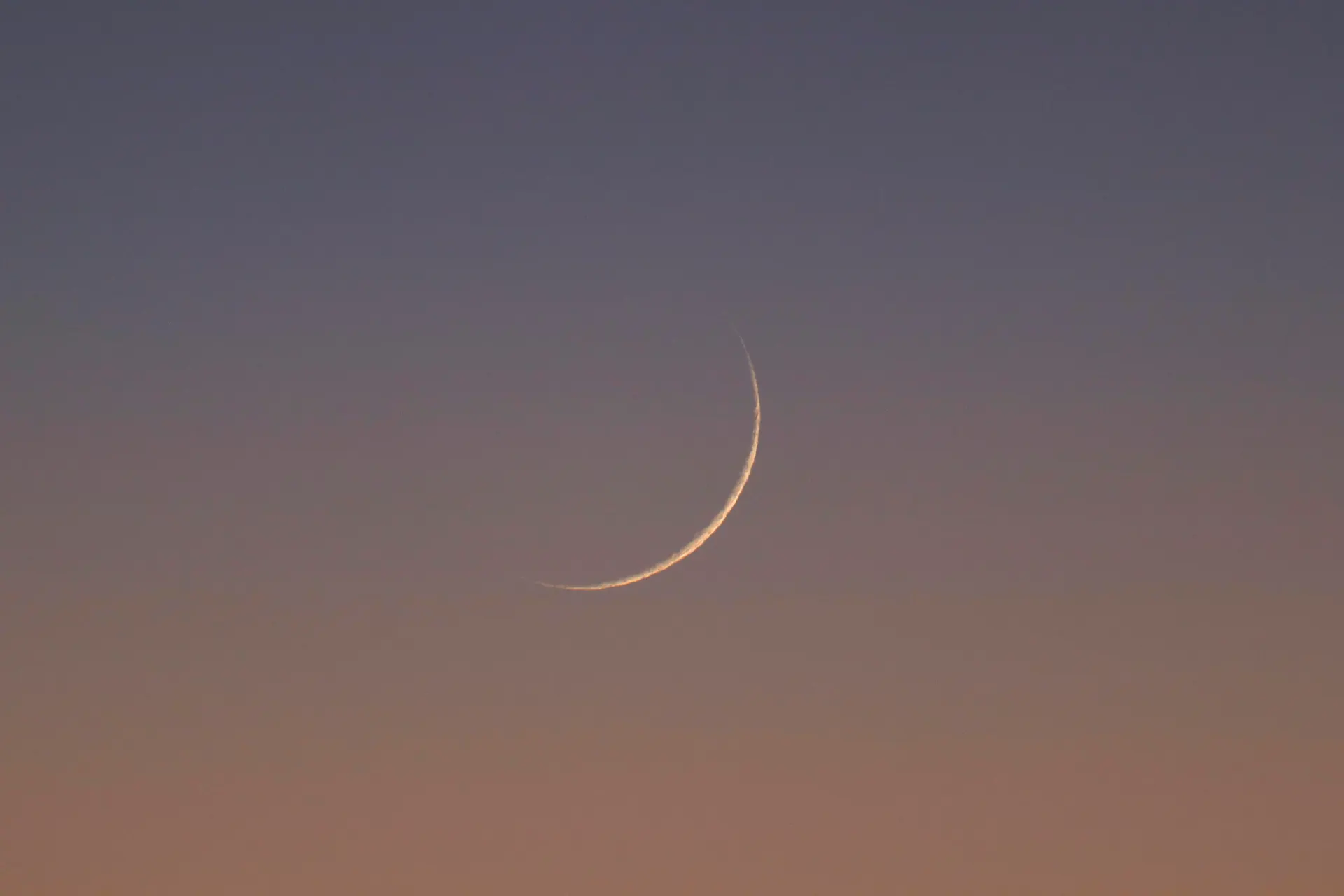
Monday brings a new moon — and the start of a lunar cycle that will end with the first of four supermoons in a row.
The new moon will occur on Monday, Nov. 9, beginning a roughly two-week journey towards the full Beaver Moon, which will rise on Nov. 24. That full moon will be the first since January to be widely described as a supermoon, beginning a run that continues through February 2027.
The standout will be December’s full Cold Moon on Christmas Eve, the closest and brightest full moon of 2026. After almost 11 months without a supermoon, a deluge is about to begin.
What Is A New Moon?
A new moon occurs when the moon passes roughly between Earth and the sun. Its sunlit side faces away from Earth, leaving the side facing us in darkness, so it becomes effectively invisible in the sun’s glare. The week around the New Moon is the best for stargazing because there is no moonlight in the sky.
A New Moon marks the beginning of a new lunar cycle. In the evenings immediately afterward, a delicate crescent moon emerges low in the western sky after sunset, growing larger each night until it reaches first quarter — and then full moon roughly two weeks later.
Monday’s new moon therefore sets the clock ticking towards the first supermoon in almost 11 months.
What Is A ‘Supermoon?’
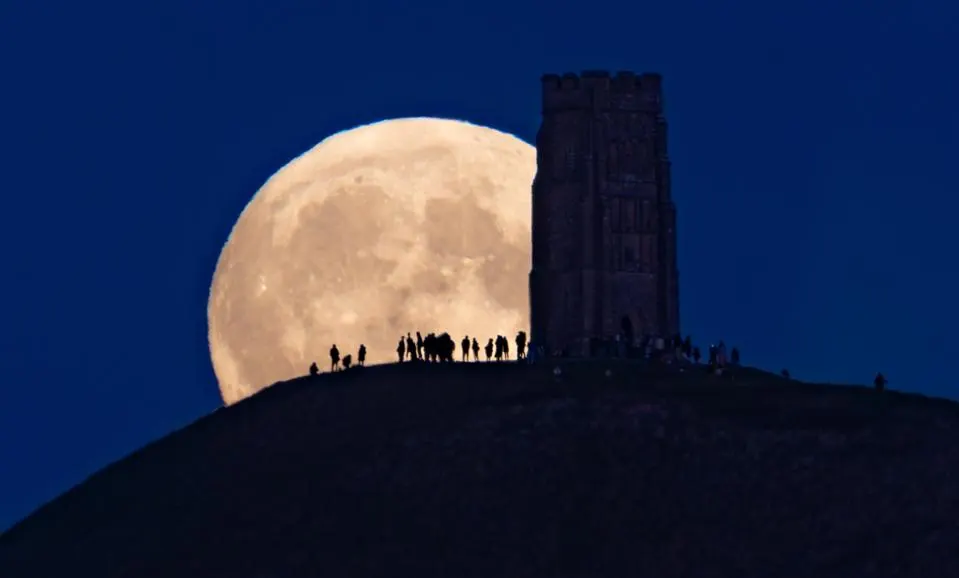
A “supermoon” occurs when a full moon coincides with the moon being relatively close to Earth in its slightly elliptical orbit, making it appear a little larger and brighter than usual. There’s no official astronomical definition of a supermoon, so exactly which full moons qualify depends on the definition used, but generally speaking it’s when a full moon occurs when the moon is at or near — within 90% of — its closest approach to Earth. The coming sequence gives moon-watchers four supermoons in a row:
- Super Beaver Moon on Nov. 24 — the first supermoon since January.
- Super Cold Moon on Dec. 24 — the closest and brightest full moon of 2026.
- Super Wolf Moon on Jan. 22, 2027 — almost as close and bright as December’s standout.
- Super Snow Moon on Feb. 20 — coinciding with a penumbral lunar eclipse.
A ‘Supermoon’ Lunar Eclipse
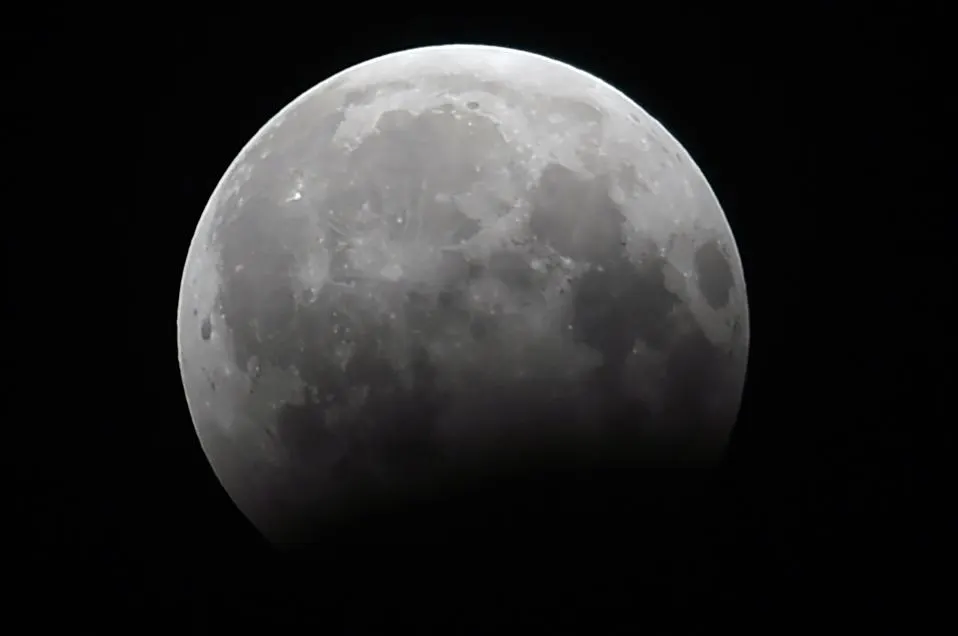
The fourth and final supermoon in the sequence will come with something extra. On Feb. 20, 2027, the full Snow Moon will pass through Earth’s outer shadow, causing a penumbral lunar eclipse. Unlike a total lunar eclipse — popularly known as a “blood moon” — the moon won’t enter Earth’s darker central shadow, so it won’t turn red. Instead, observers may notice a subtle darkening across part of the lunar surface around the time of maximum eclipse. The event will be visible from Europe, Africa, Asia, Australia and much of North and South America.
Wishing you clear skies and wide eyes.