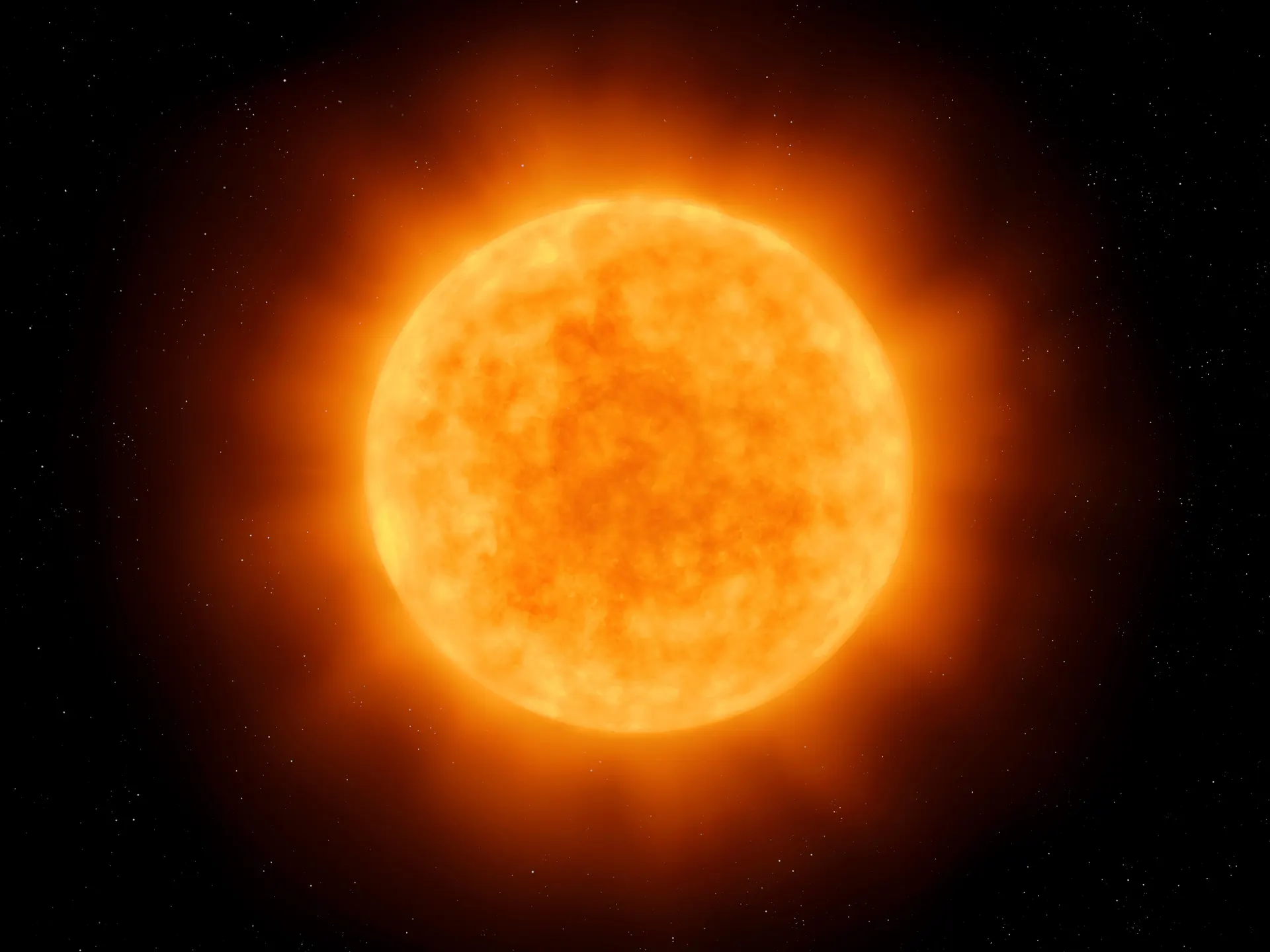
A new study suggests that the solar system’s giant planets could face a chaotic and violent future as the sun approaches the end of its life — potentially a billion times sooner than previously predicted.
For decades, astronomers calculated that Jupiter, Saturn, Uranus and Neptune could remain in stable orbits for up to a quintillion years, although later estimates reduced that to around 100 billion years. However, new research suggests that the sun’s final stages could trigger widespread orbital disruption, with the outer solar system becoming unstable within just a billion years of the sun becoming a white dwarf star.
How the Dying Sun Could Destabilize the Solar System
As the sun approaches the end of its life, it will expand into a red giant before eventually becoming a white dwarf. A white dwarf star is the dense, dead core left behind after a star like the sun runs out of nuclear fuel, sheds its outer gas layers and stops generating energy through fusion, according to the European Space Agency.
As the sun changes, it is expected to lose about half its mass. This weakens its gravity and causes the planets’ orbits to move outward. Earlier models thought this mass loss would be smooth, so the planets would keep their positions relative to each other. But the new study, published last month in The Astrophysical Journal Letters, suggests the sun might lose mass in thousands of uneven bursts. Each burst would give the sun a small push, slowly disturbing the planets’ orbits and possibly making the outer solar system unstable.
Simulations Reveal a Violent Future for Giant Planets
Researchers ran 672 computer simulations to see how different ways the sun could lose mass might affect the outer solar system. In their main scenario, the sun had about 4,600 separate recoil events as it lost its outer layers. Around 40% of the simulated systems had major disruption or violent scattering before the sun became a white dwarf.
In the most extreme mass-loss scenario, 96% of systems became unstable within three billion years after the sun became a white dwarf, compared to 83% when uneven ejections only happened during the sun’s last giant-star phase. What actually happens depends on exactly how and when the sun loses its mass.
The Solar System’s Final Billion Years
Earlier studies said the outer solar system could stay together for tens of billions of years after the sun dies, but this new research cuts that down to just a billion years. It also shows that the planets’ orbits could become unstable while the sun is still a red giant.
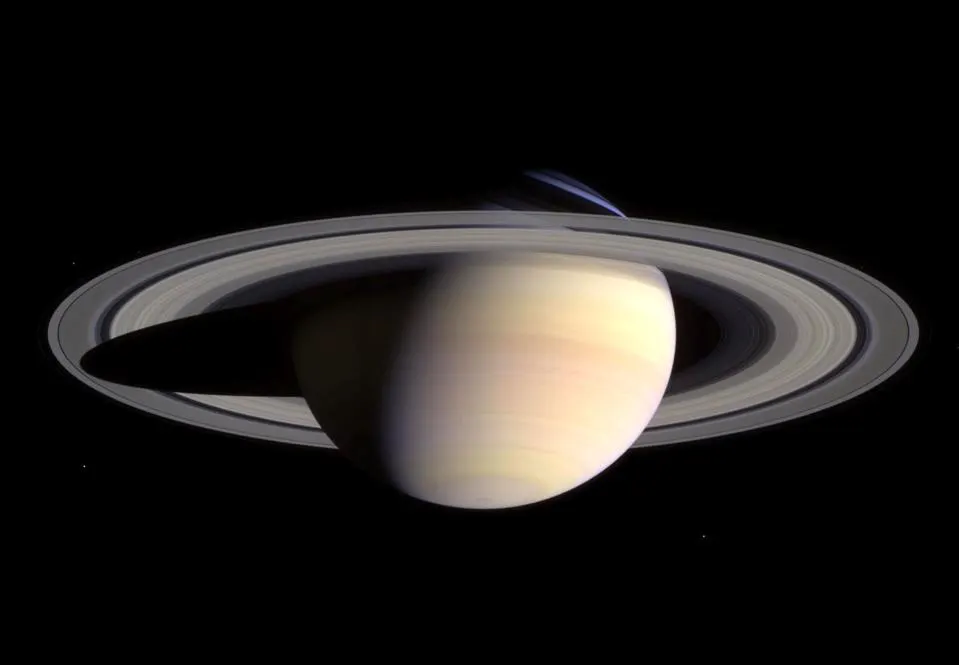
In some simulations, Saturn, the sixth planet, was even thrown out of the solar system. Other simulations showed Uranus and Neptune, the seventh and eighth planets, switching places in their orbits. The researchers also found that when the sun dies, some giant planets could get locked into orbital resonances.
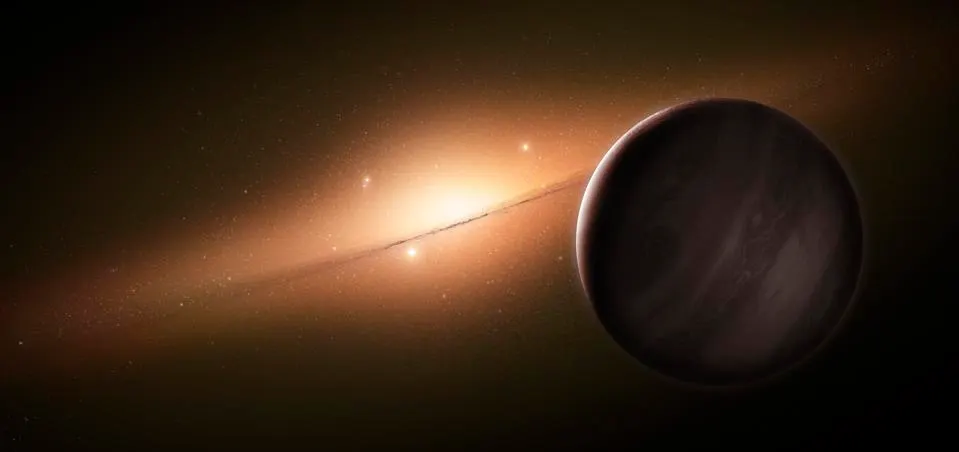
These findings don’t just apply to our solar system — they could affect all planets around white dwarf stars. The researchers think this process might explain why some white dwarfs have rocky material and why some planets have strange orbits. It could also help explain free-floating or “rogue” planets, that have been kicked out of their original systems and now drift through interstellar space.
Wishing you clear skies and wide eyes.