Timeline
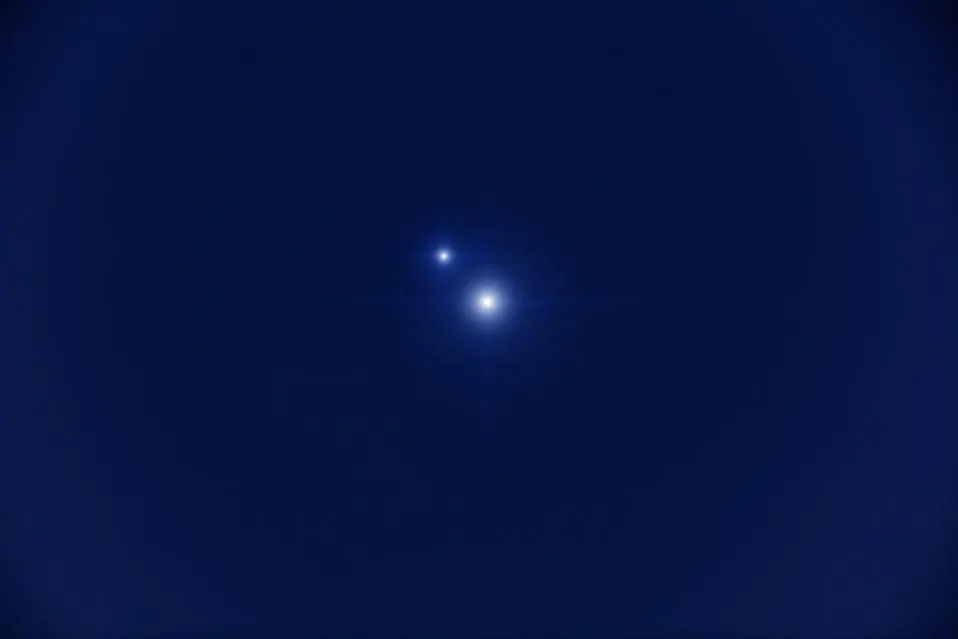
Monday, Nov. 16: Mars and Jupiter in conjunctionGet outside about an hour before sunrise and face east for November’s headline planetary conjunction. Mars and Jupiter will appear just 1.2 degrees apart — roughly the width of a little finger held at arm’s length. Tomorrow morning they’ll still look close, but their separation will already be noticeably increasing.
Tuesday, Nov. 17: Leonid meteor shower peaksOvernight on Monday-Tuesday, Nov. 16-17, the Leonid meteor shower will peak, with its swift “shooting stars” appearing to radiate from the constellation Leo — though bright moonlight may make it a challenging watch. Leonids are exceptionally fast meteors, striking Earth’s atmosphere at around 44 miles (71 kilometers) per second, which often leave lingering bright trains.
Thursday, Nov. 19: Mercury joins Venus and SpicaAbout 45 minutes before sunrise, find a location with a clear eastern horizon and look for brilliant Venus. Nearby is Spica, Virgo’s brightest star, while Mercury sits much lower toward the horizon, now emerging into its best morning appearance of the month.
Friday, Nov. 20: Mercury at greatest elongationLook east about 45 minutes before sunrise for your best chance this month to see Mercury with the naked eye. Today the solar system’s innermost planet reaches greatest western elongation, sitting 19.6 degrees from the sun in Earth’s sky. Mercury will appear low above the horizon, beneath brilliant Venus and Spica, so an unobstructed eastern view is essential.
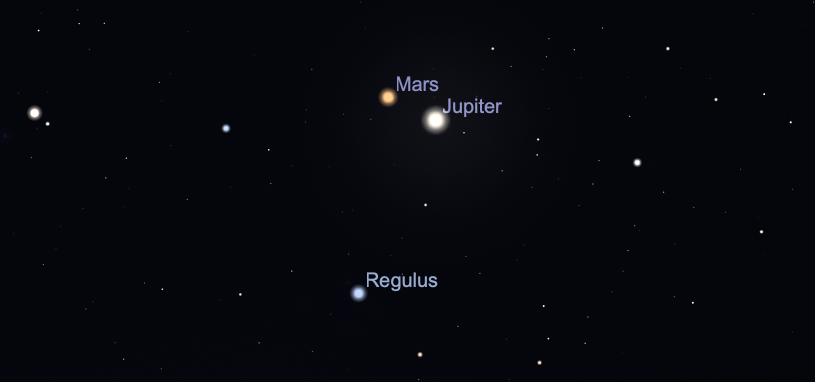
A Planetary Conjunction
This week’s main event is a very close conjunction between two of the brightest planets in the solar system. Jupiter, shining at magnitude -2.0, will dramatically outshine magnitude +0.9 Mars, though the red planet’s distinctive warm color will make the pair easy to tell apart. Regulus will shine nearby, adding another bright point to the scene. Although Mars and Jupiter appear almost side by side from Earth, this is an illusion of perspective.
LEONIDS: MODEST, BUT MEANINGFUL
The Leonid meteor shower is not especially prolific in most years, typically producing around 10-15 meteors per hour under ideal dark skies. This year, moonlight further reduces that number, meaning patience is essential. However, the Leonids occasionally bring a big surprise. Every 33 years or so, this shower has produced spectacular meteor storms, with thousands of meteors per hour recorded in the past. These outbursts occur when Earth passes through particularly dense streams of debris left behind by Comet Tempel–Tuttle. While 2026 is not a storm year, every Leonid you see comes from that same ancient debris trail.
MERCURY IN THE MORNING SKY
On Nov. 21, Mercury reaches its greatest western elongation, offering one of the year’s best chances to see the innermost planet before sunrise. Unlike its evening appearances, morning elongations often place Mercury higher above the horizon for observers in the northern hemisphere. This makes it slightly easier to spot, though it remains a challenge. Look east about 30-45 minutes before sunrise. A clear horizon is essential. Mercury will appear as a small, steady point of light, brighter than most stars in that part of the sky.
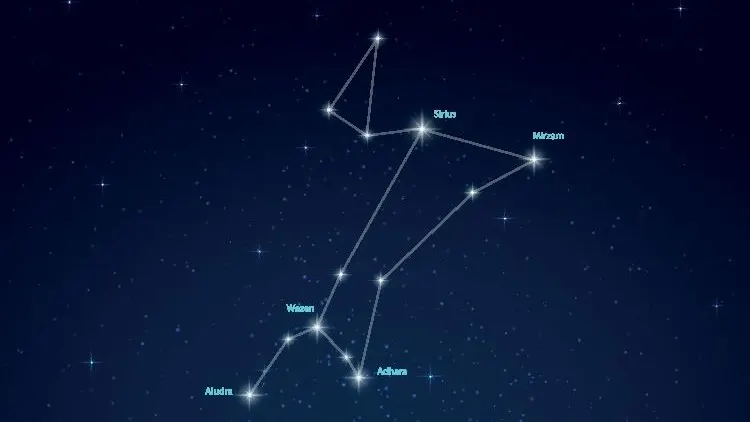
Constellation Of The Week: Canis Major
Look below Orion late in the evening, and you’ll see a brilliant star rising — that’s Sirius. This is the brightest star in the night sky, and its arrival completes one of the year’s most recognizable patterns. Sirius lies just 8.6 light-years away, making it one of our closest stellar neighbors. It’s about 25 times more luminous than the sun. The constellation Canis Major, the Great Dog, is anchored by Sirius, with fainter stars outlining the shape of the dog, though this is less obvious than the patterns of Orion or Taurus.
What’s Next In The Night Sky
As the moon reaches full phase on Nov. 24, it becomes a supermoon, appearing slightly larger and brighter than average and dominating the evening sky for several nights. After that, it begins to wane and rise later, gradually restoring darker conditions as the month ends. Looking ahead to December, attention turns to the Geminid meteor shower on the night of Dec. 14-15, one of the year’s most reliable and active meteor showers, as well as the winter solstice on Dec. 21, which brings the longest night of the year in the Northern Hemisphere.
The times and dates given apply to mid-northern latitudes. For the most accurate location-specific information, consult online planetariums like Stellarium. Check my main feed for more in-depth articles on stargazing, astronomy, eclipses and more.