There are many amazing books out there. Here are some insightful reads that have crossed my path recently, with a few words on how they have changed my world. Also, you can tell a lot about a person from the books they read - so, if you're visiting this site to discover more about me, this list will help.
Finished Reading
'So good they can't ignore you' by Cal Newport
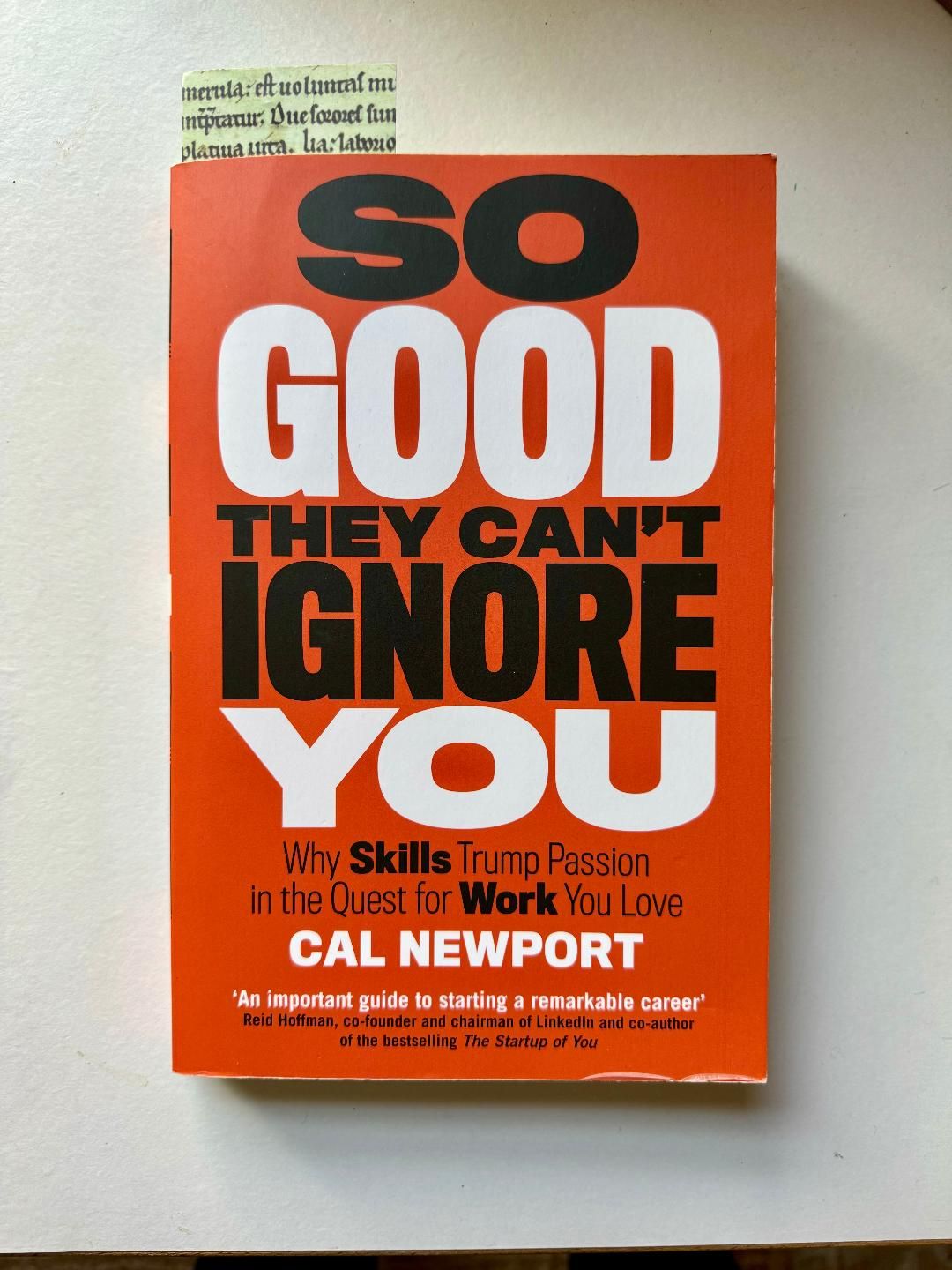
Being laid off gives you pause for thought. And my goal is to use this time productively to answer questions that had -- up until now -- been mostly been put off for another day as my career has rolled along. Newport's book is the best that I've ever read (so far) on trying to puzzle out what's the right role for you. And my next job steps feel a whole lot less perplexing as a result.
Action --> Mind-mapping the adjacent possible.
'The world in 2050: How to think about the future' by Hamish McRae
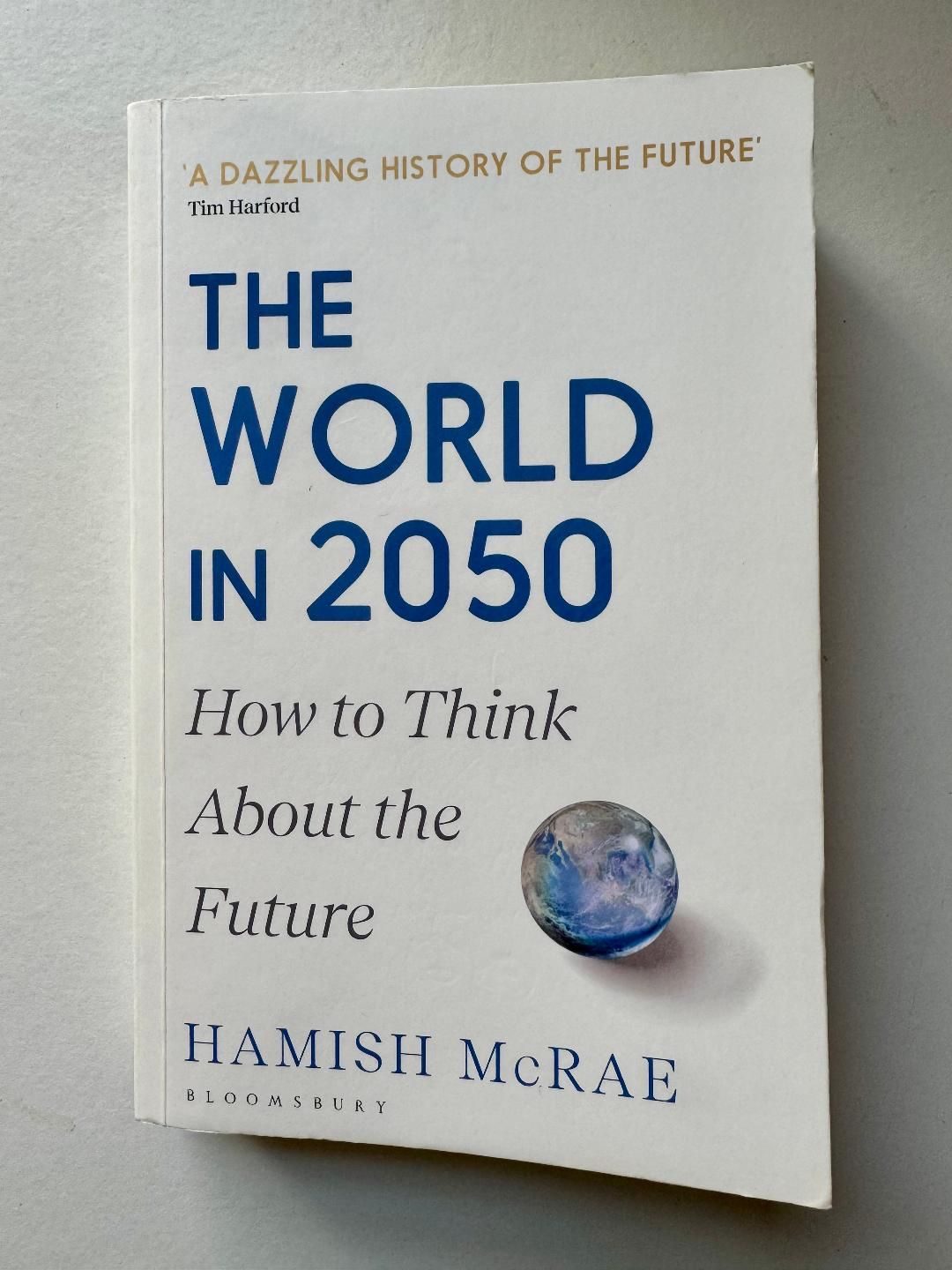
This was another choice triggered by the change in work circumstances, which I took (and still see) as an opportunity. My related research included visiting the magnificent 'Norrington Room' -- a mecca for non-fiction fans -- to find wisdom on the bookshelves, which led me to McRae's 'The World in 2050'.
In his previous book -- 'The World in 2020' (published in 1994) -- McRae had got enough right to want to rerun his future-mapping process three decades later. Again, he looks 30 years out -- this time, to see what might change moving forwards from the early 2020s.
Whether it will save me from choosing a job that gets replaced by robots, time will tell. Saying that, the question will probably be more along the lines of which kinds of robots would you like to work alongside?
'Do what you are' by Paul D. Tieger, Barbara Barron, and Kelly Tieger
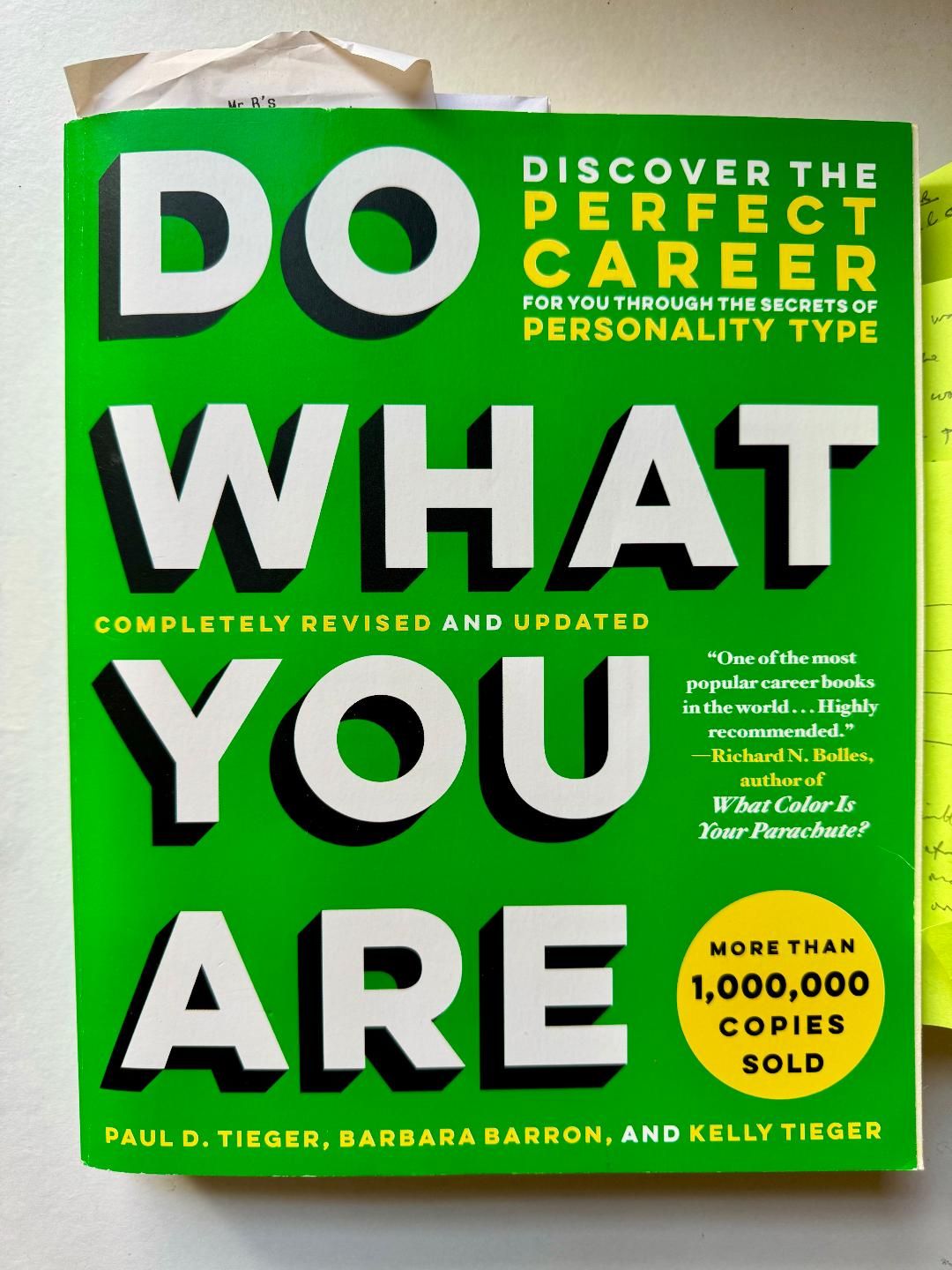
Another very useful career book. And the process definitely shone a bright light on what a super productive work environment looks like for me. Also, it did hint at the magic combination of crafts/artisan and science/technical that could be where I'm destined to do my best (and most satisfying) work.
Action --> Note summary in common place-book.
'Every tool is a hammer' by Adam Savage
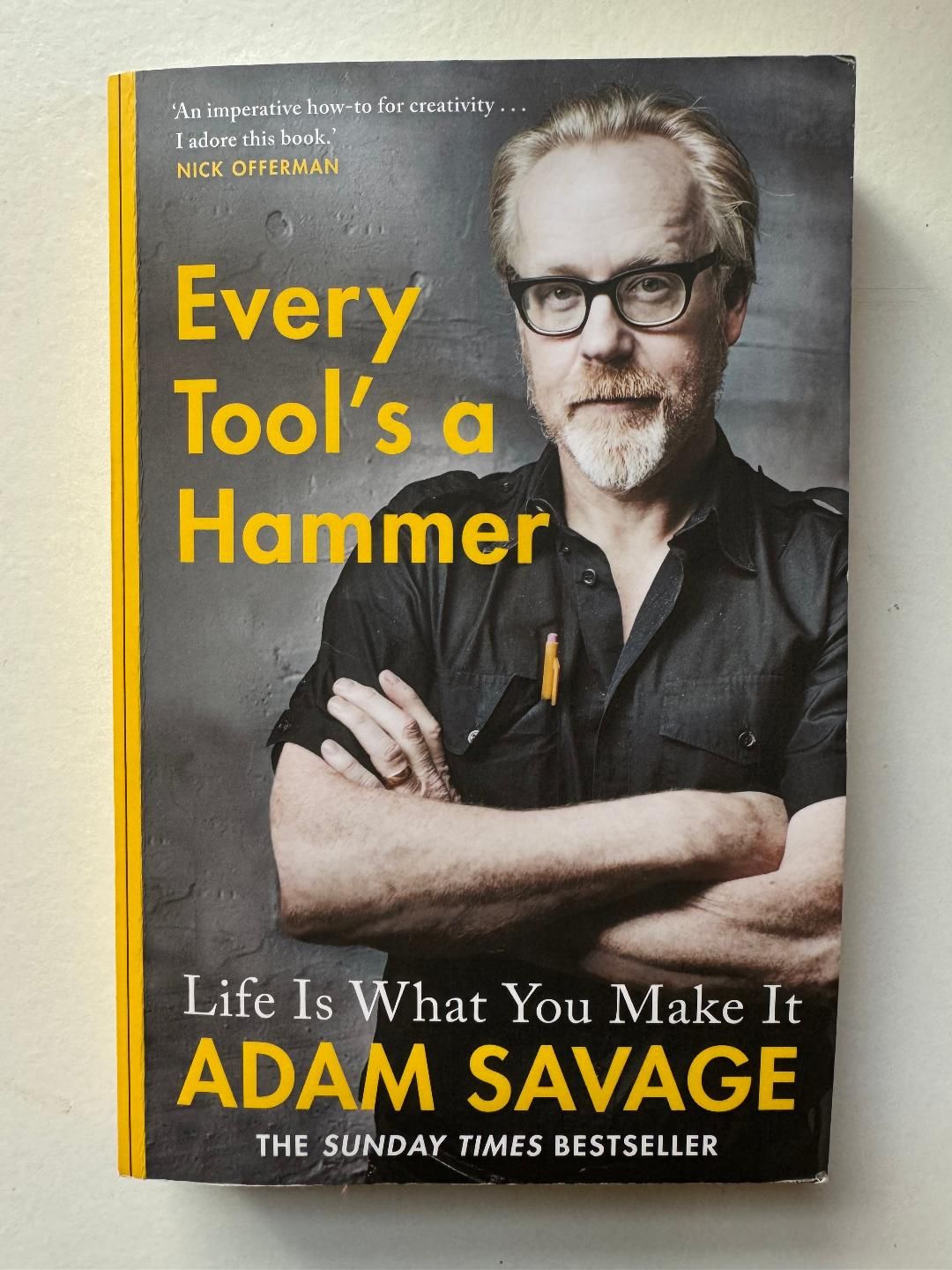
This book totally ticks the creative technologist box. Also, it made me buy a hot glue gun and foam board and start making drawer inserts. Savage has super advice on preparing your workplace so that ideas get your full energy to take shape. And when you view tidying up as meditation for your next project, the world feels better.
'Where good ideas come from' by Steven Johnson
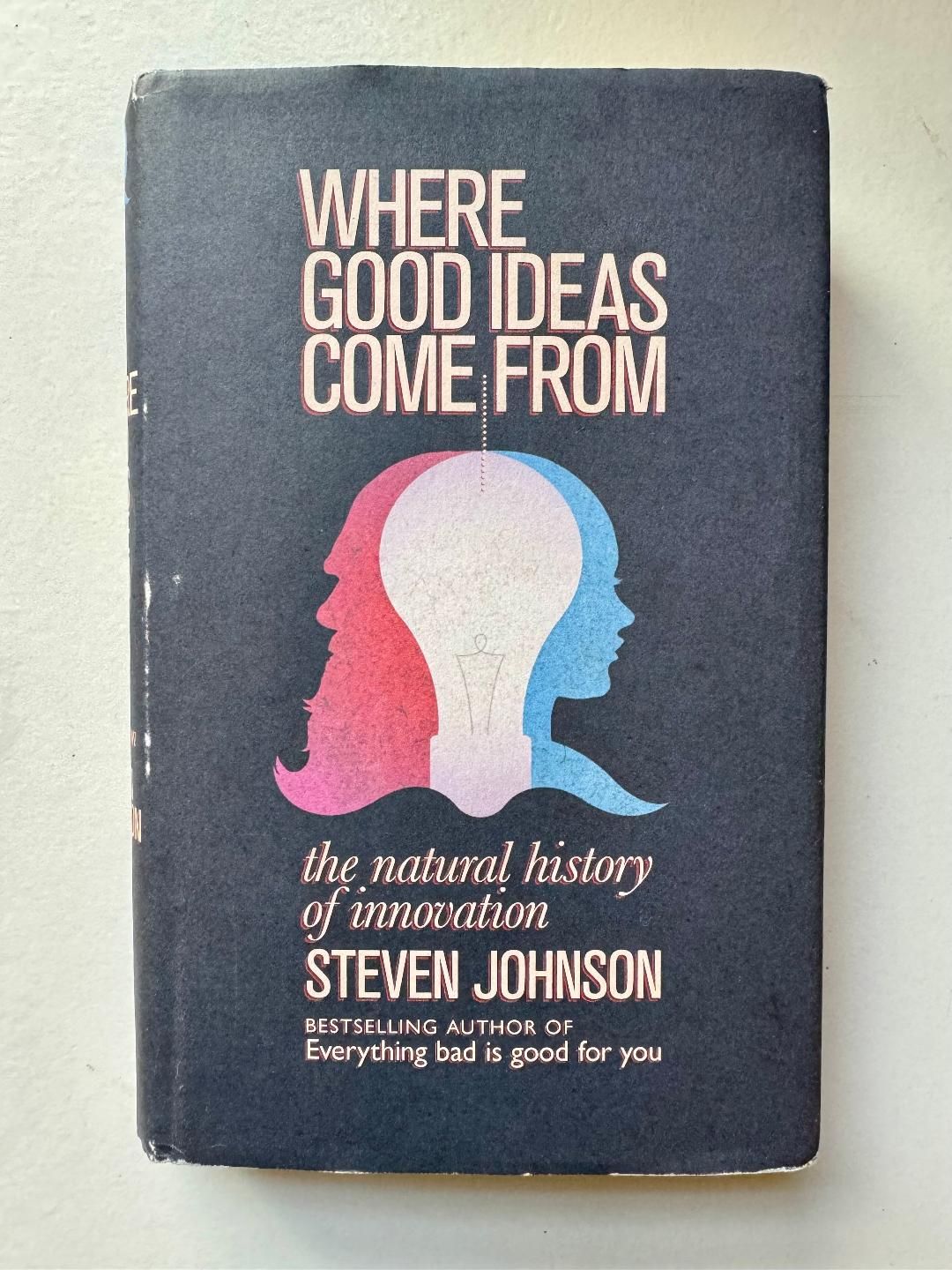
I picked this up after reading the Cal Newport book -- to find out more about the 'adjacent possible'. Having distilled the backstories to several centuries-worth of major discoveries, Johnson offers a refreshing playbook on where good ideas come from.
"Go for a walk; cultivate hunches; write everything down; but keep your folders messy; embrace serendipity; make generative mistakes; take on multiple hobbies; frequent coffee houses and other liquid networks; follow the links; let others build on your ideas; borrow; recycle; reinvent. Build a tangled bank", he writes.
That's me.
In progress
'Sony' by John Nathan
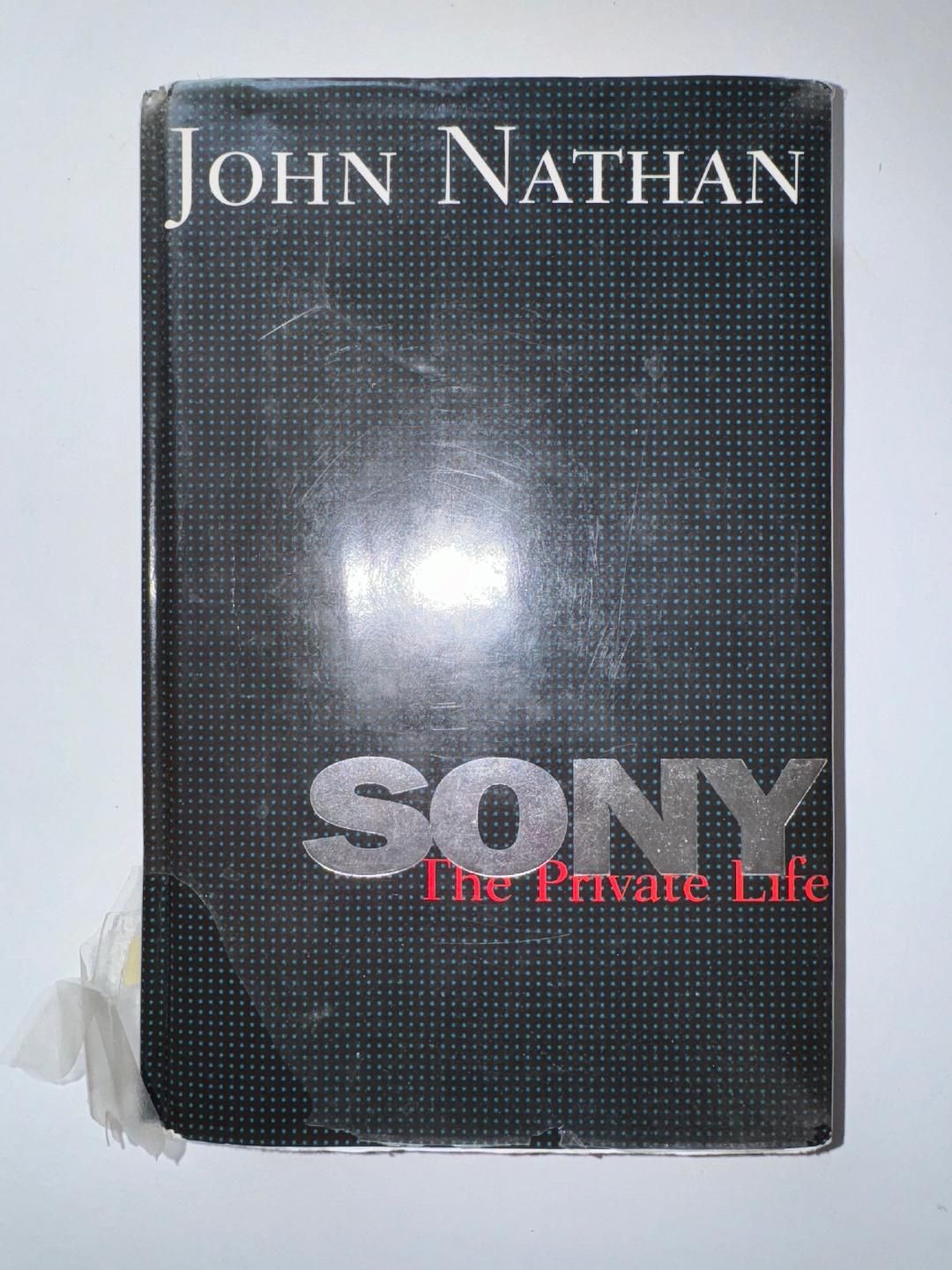
A super detailed biography of Sony's founding duo -- Masaru Ibuka & Akio Morita -- and the history of the Japanese electronics giant. It's fascinating to find out more about how devices get made and the narrative is a reminder of the beauty of analog components in the hands of bright and curious minds.
Action --> Japan study.
'Bending adversity: Japan and the art of survival' by David Pilling
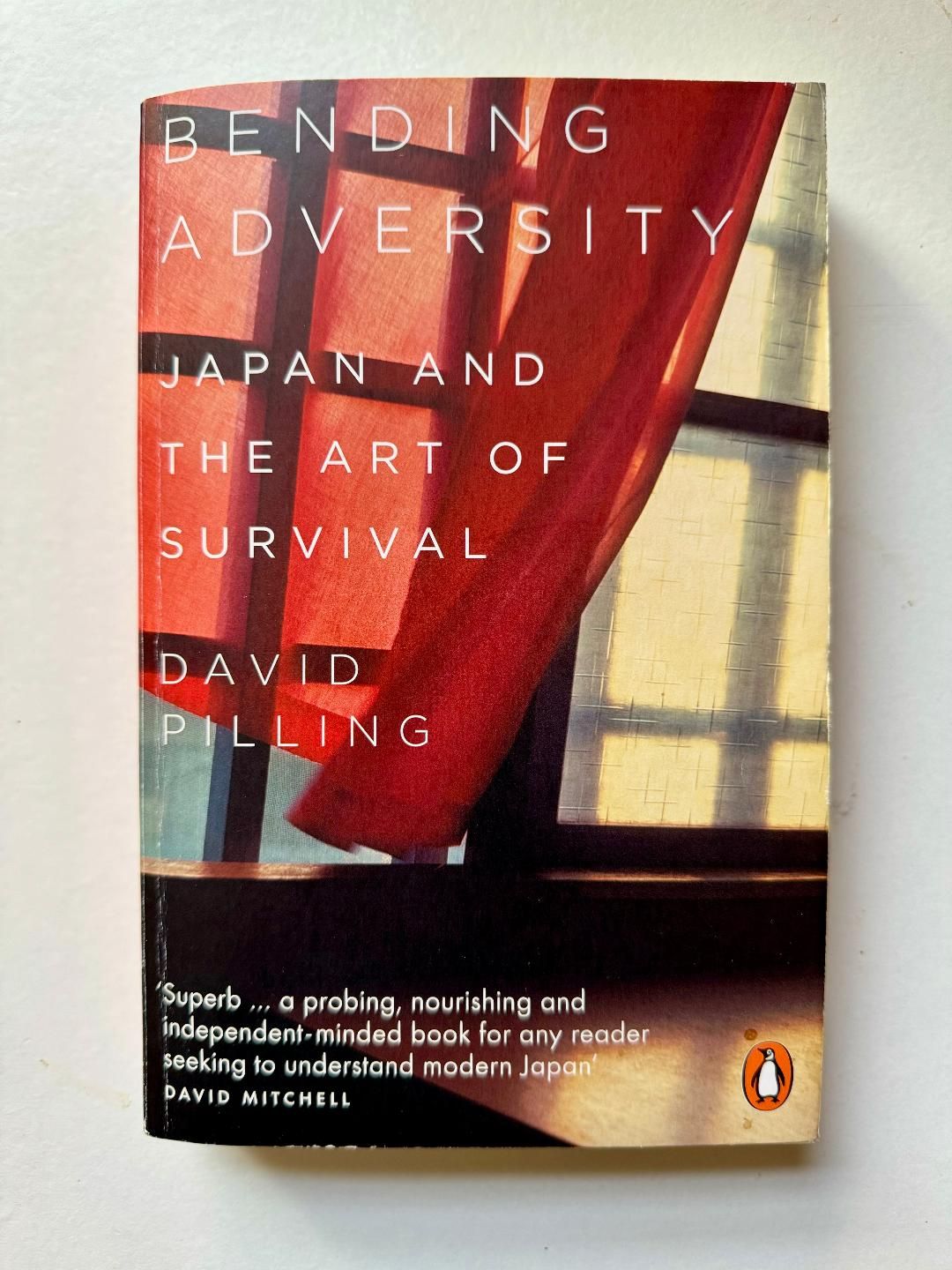
I'm a big fan of the Economist as the paper does a brilliant job of adding detail to a world in motion. And Pilling's book is like that and more -- a complete deep dive into one of the most cutting edge countries on the planet.
Action --> Japan study.
'Chaos' by James Gleick
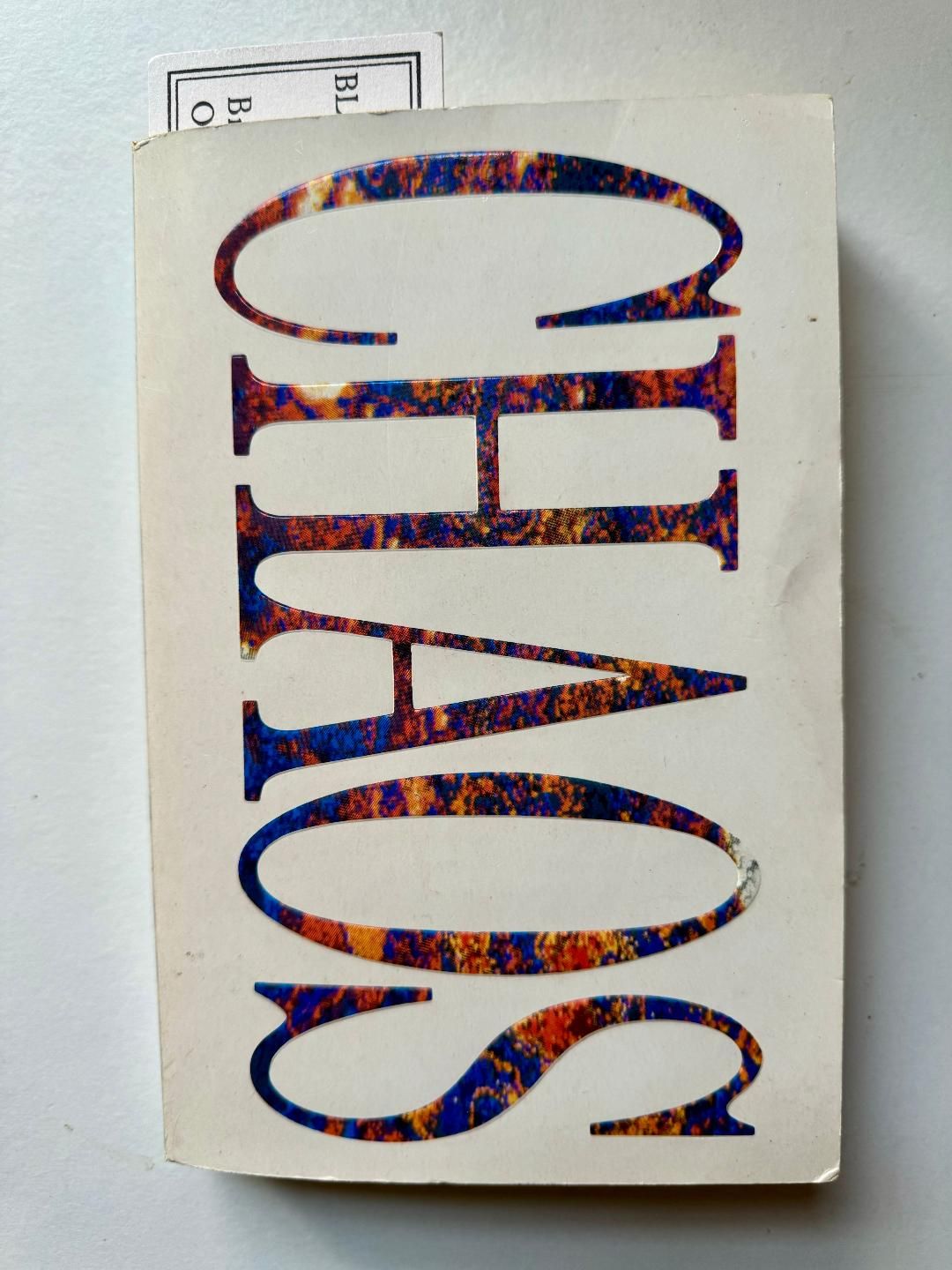
Reading Oliver Linton's book on 'Fractals: The Edge of Chaos' has reactivated my 1990's wonderment over chaos theory and how to put it to use. And Gleick's title is a classic of the time.
Action --> art and science/maths
'Quantum supremacy' by Michio Kaku
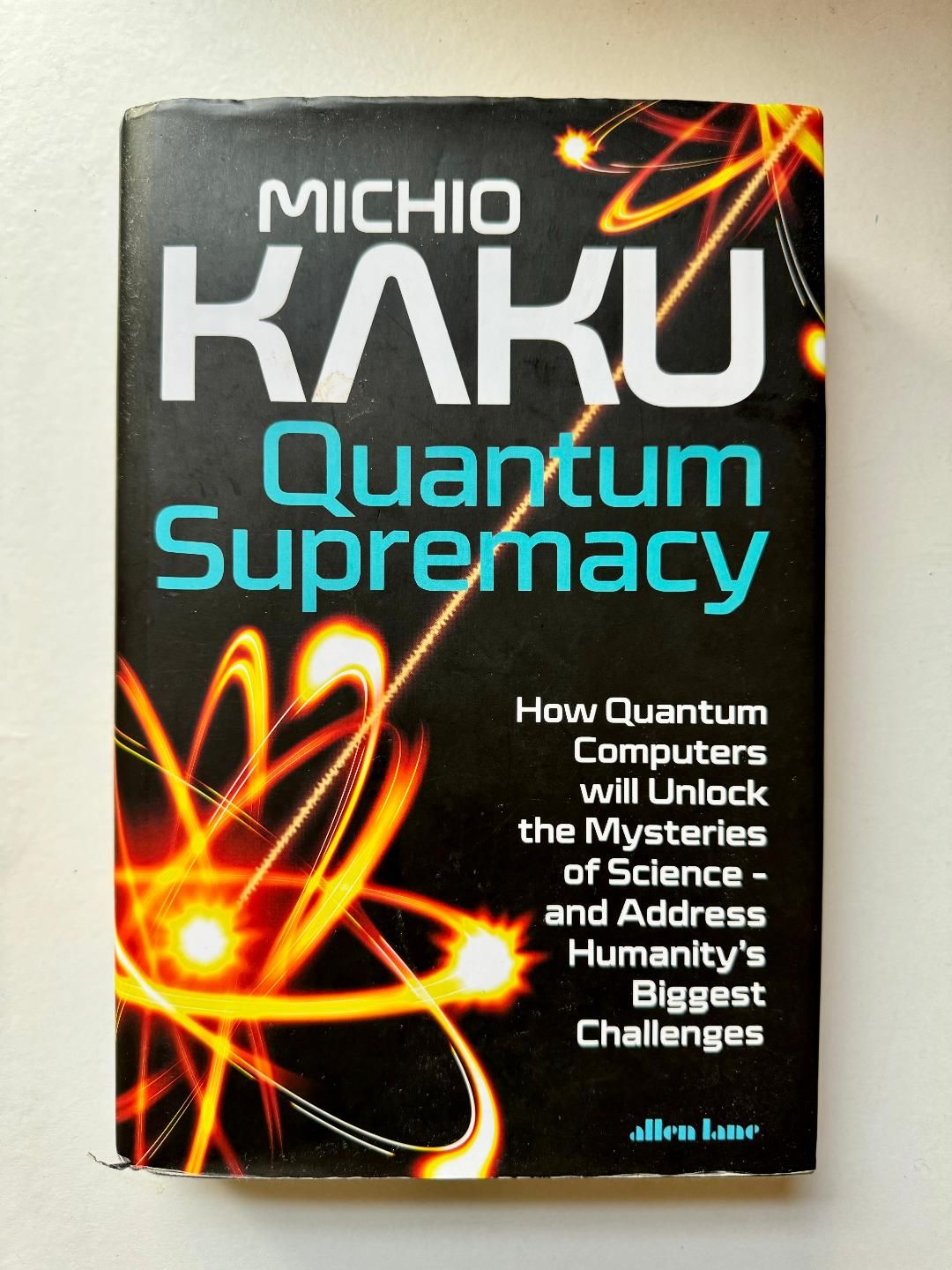
On TechHQ I had the pleasure of speaking to a number of super interesting folks working in the area of quantum computing. They were quick to talk about the applications, but tended to avoid saying much about how a quantum computer actually works. Kaku fills in some of these gaps and paints an exciting picture of the future.
'The idea of the brain' by Matthew Cobb
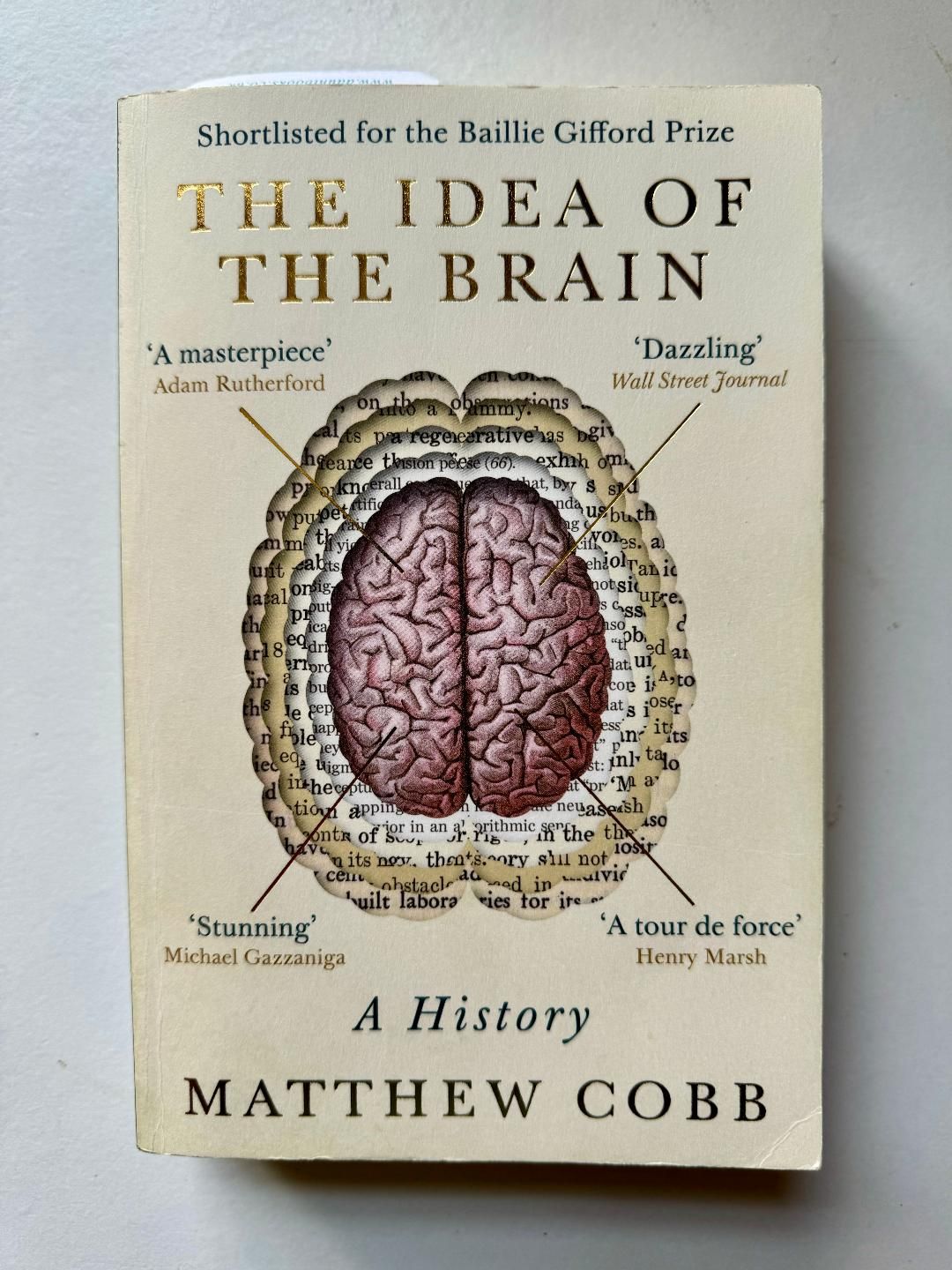
In August 2022, I read book called 'Story Machines' that included access to a large language model dubbed GPT-2 and had good fun prompting the algorithm to generate entertaining short stories -- limited to just a few hundred words. A few months later, ChatGPT was launched and next-word predicting AI -- cleverly trained using unsupervised learning -- was everywhere.
Being ahead of the curve, albeit briefly, was good fun. But the best thing to come of it, was a curiosity to know more about how the brain works. And Cobb's 'The Idea of the Brain' is a comprehensive primer on the wonders revealed by neuroscience.
'A day in the life of the brain' by Susan Greenfield
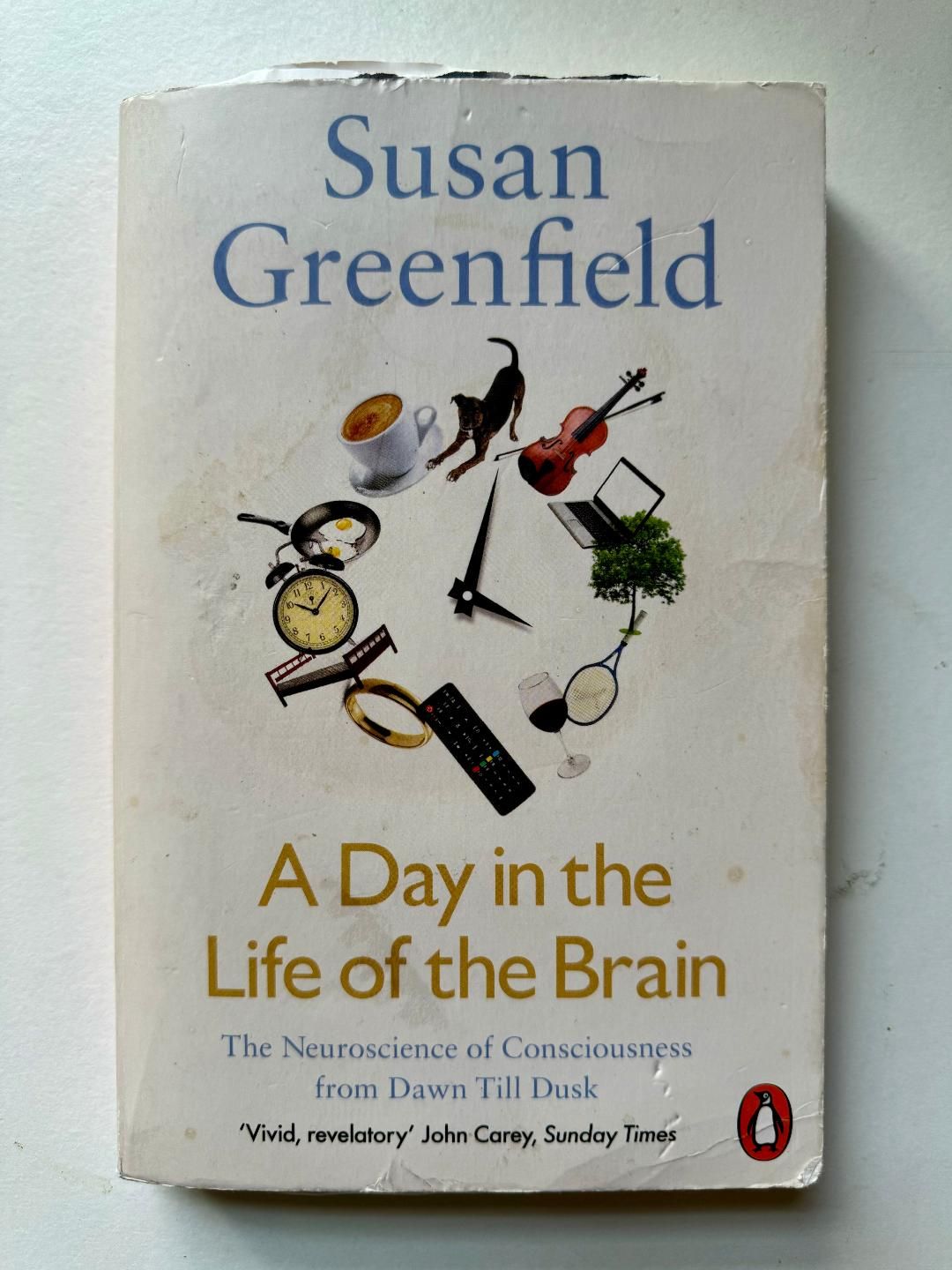
Another book feeding my AI-signposted interest in nature's computing talents. So much to think about, so little time (although I am working on that).
'Zen and the art of motorcycle maintenance' by Robert M. Pirsig
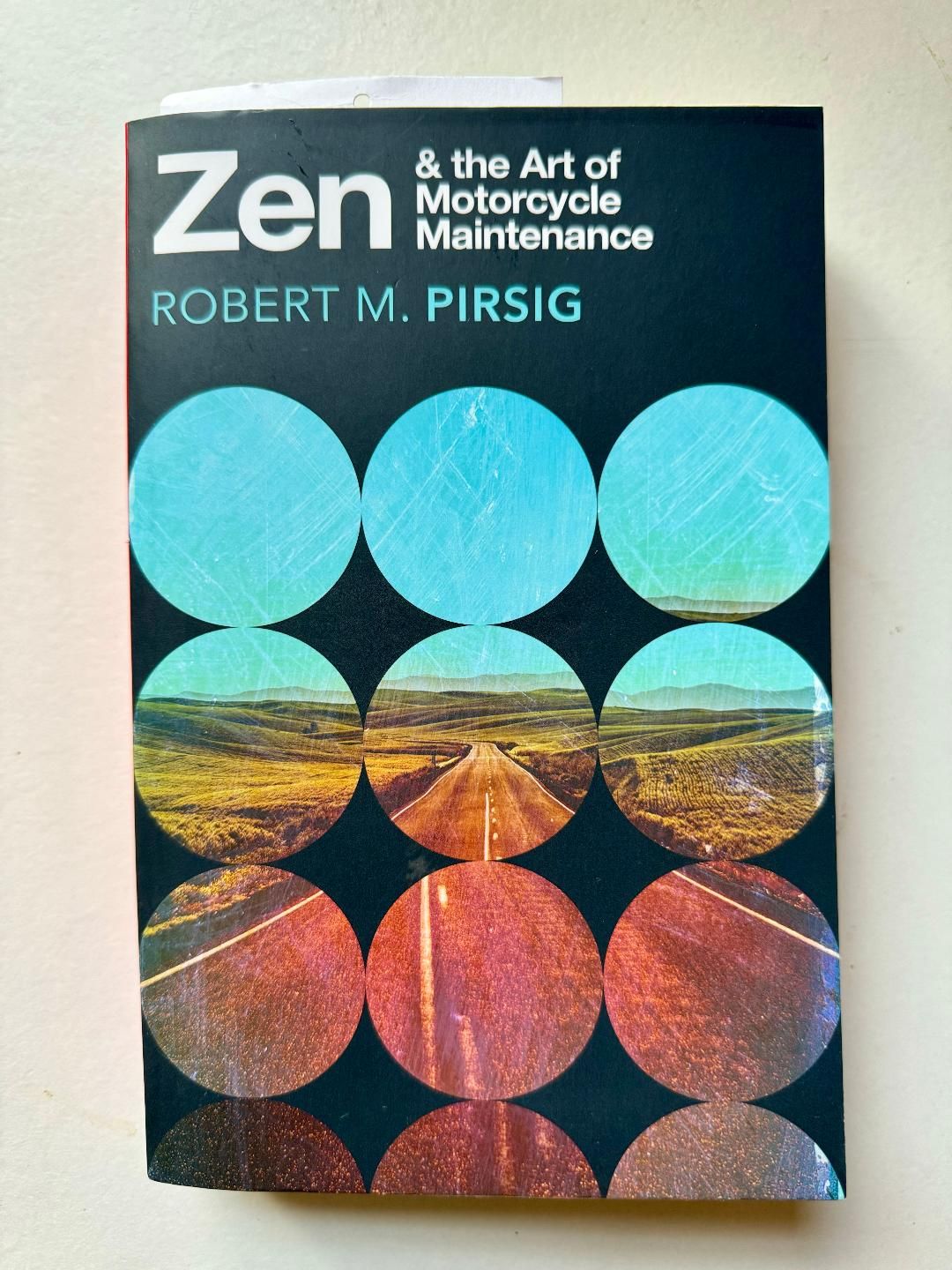
This book speaks to the joy of well-designed machines and the rewards to be reaped from the pursuit of quality. I want to stand where creativity and technology meet, and reading books like these lights up the room.
'Deep sea and foreign going' by Rose George
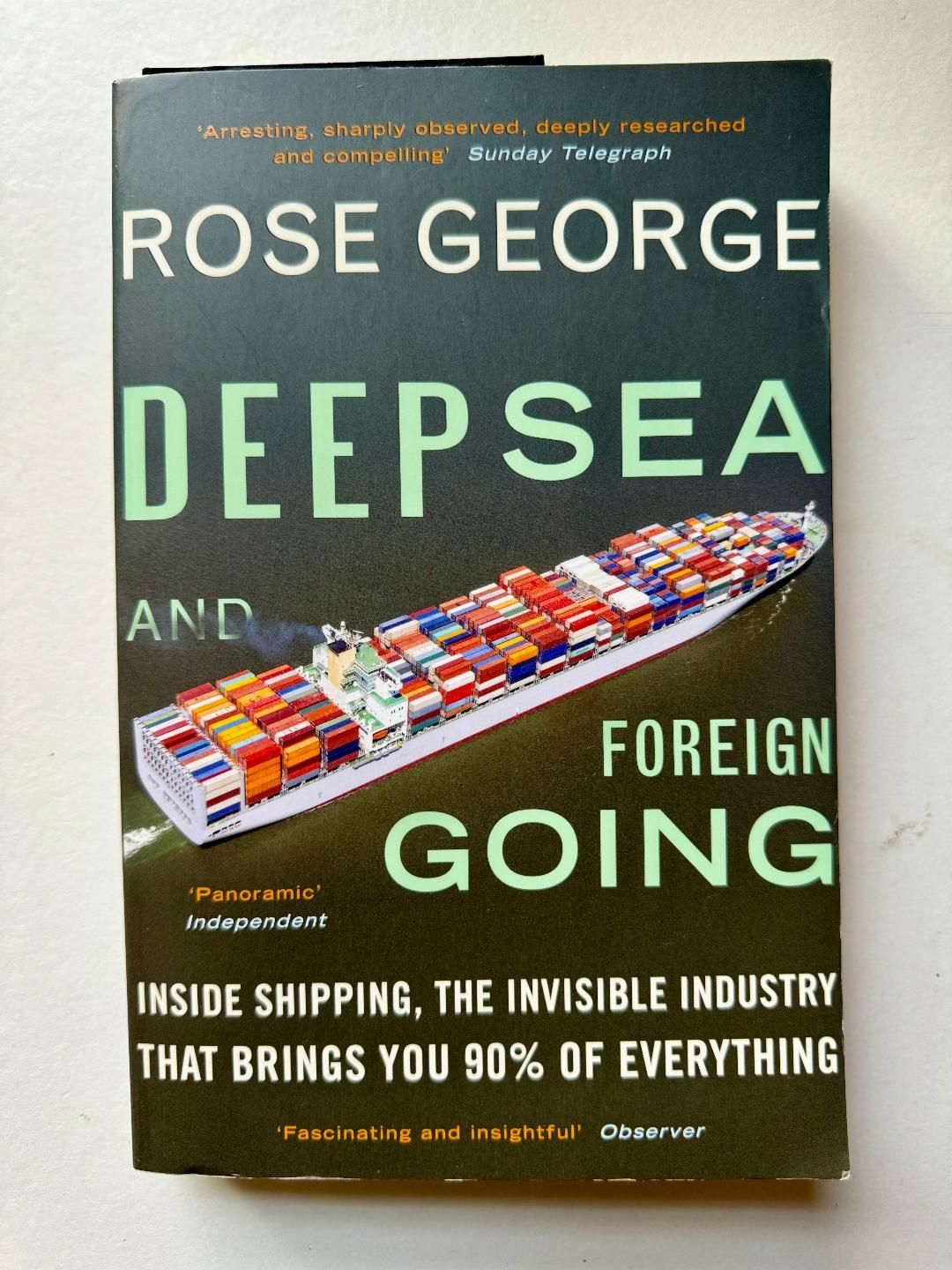
Commercial shipping is crazy interesting. A brilliant book.