The ESP8266 is a budget-friendly MCU. You can pick up a development board for less than the price of a sandwich. And in this case, it even includes a built in OLED display. Nice.
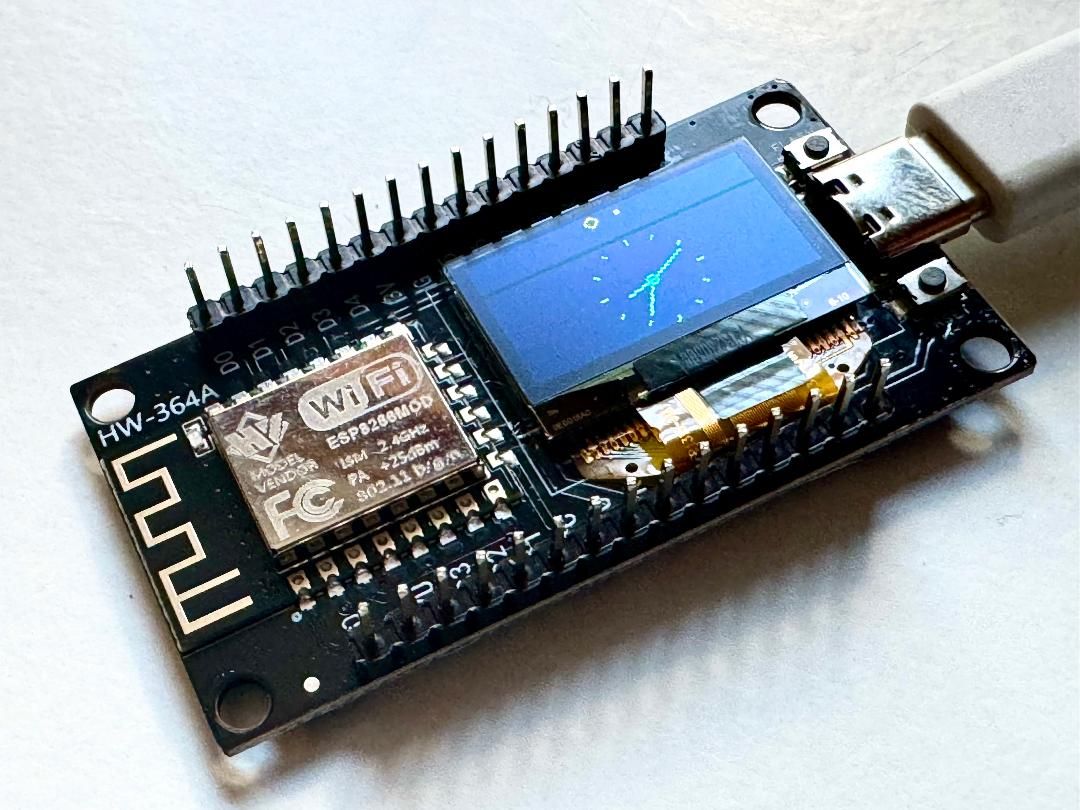
Getting the board up and running was relatively straightforward. The only wrinkles were -
- Granting user access to the USB ports for serial access, which was fixed by adding the user account to the dialout group.
- Modifying the sample code to recognise the correct serial data and serial clock pins for the I2C bus linking the board to the screen.
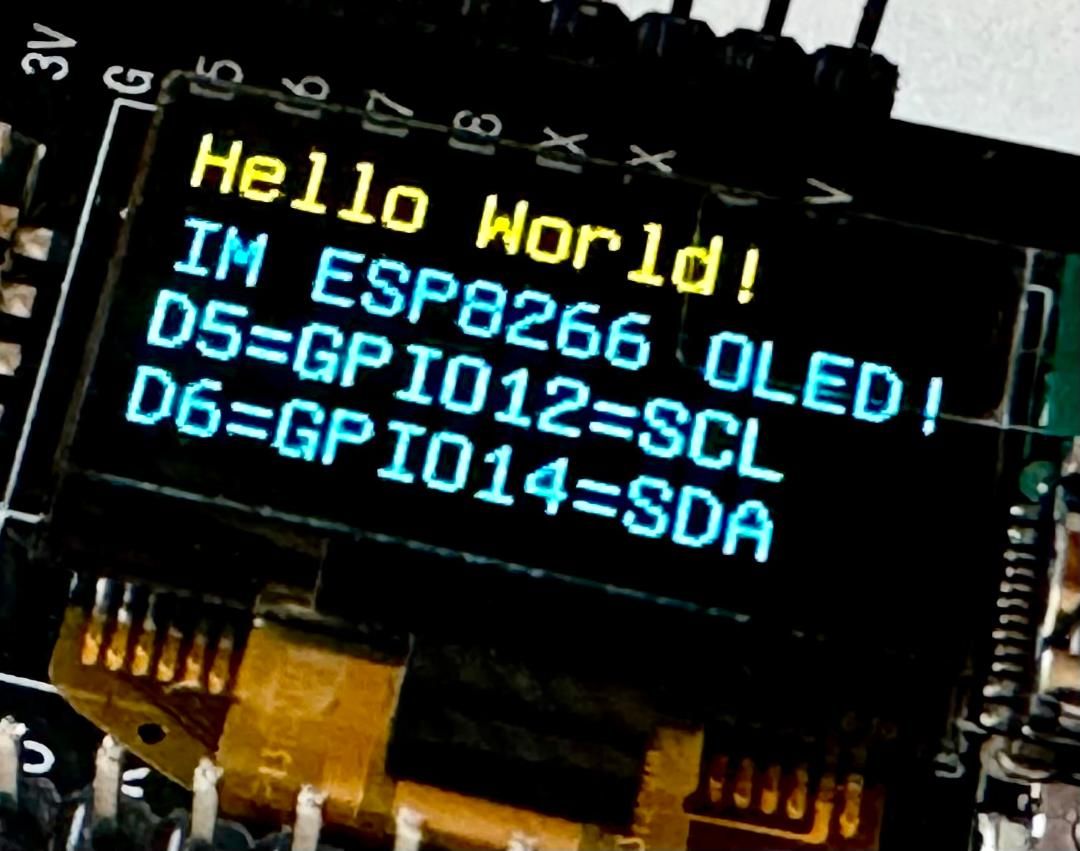
Next up, I'll be putting the ESP8266's wireless communications to the test. Stay tuned.